
Top 10 Benefits of Using an Automatic Coil Winding Machine?

Time:2026-07-11 Author:Oliver
0%

In the competitive landscape of manufacturing, the "Automatic Coil Winding Machine" stands out as a game-changer. Industry expert Dr. John Smith, a leading figure in coil technology, once remarked, "Efficiency and precision are the cornerstones of modern winding processes." His insights highlight the vital role these machines play in boosting productivity.

Automatic Coil Winding Machines offer numerous advantages. They enhance precision, reduce manufacturing time, and minimize labor costs. The machines are engineered to perform repetitive tasks with unparalleled accuracy. This consistency leads to higher quality products, a crucial factor in today’s market. Moreover, these machines can adapt to various coil designs, making them versatile for multiple applications.

However, the transition to automatic winding processes is not without challenges. Some companies may face an initial learning curve when implementing this technology. It requires investment and proper training for operators. Reflecting on these points can help businesses weigh the benefits against potential hurdles. Ultimately, the decision to adopt an Automatic Coil Winding Machine could define future success in the industry.
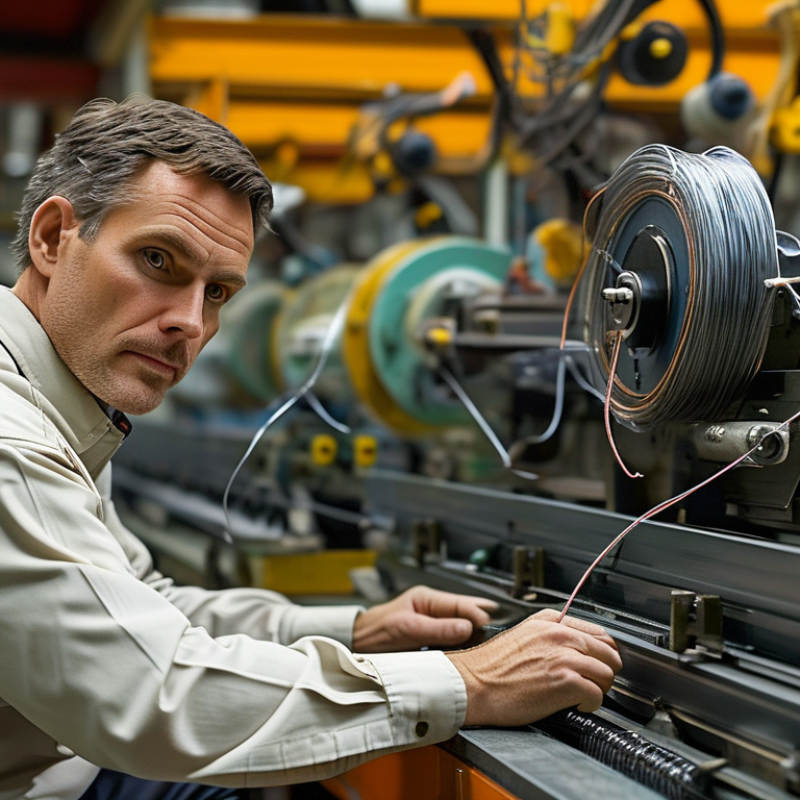
Top 10 Benefits of Using an Automatic Coil Winding Machine?

Understanding Automatic Coil Winding Machines and Their Functionality

Automatic coil winding machines revolutionize the manufacturing process. These machines wind coils with precision and efficiency. They play a crucial role in producing electrical components, transformers, and motors. Understanding their functionality is key for businesses looking to enhance productivity.

These machines use programmable controls to adjust winding patterns. This feature allows for customization based on the product requirements. The automation reduces human error, ensuring consistent quality in each coil. Users can expect improved speed and reduced labor costs. However, over-reliance on machines may lead to a loss of manual skill in winding. Balancing automation and manual techniques might be necessary.

Tips for optimal usage include regular maintenance to prevent mechanical failures. Check for alignment issues to ensure accurate winding. It's also wise to train staff on machine operations. Emphasizing safety practices can protect workers and enhance productivity. Monitoring winding tension can help maintain the integrity of the coils.

Top 10 Benefits of Using an Automatic Coil Winding Machine

Enhanced Precision and Consistency in Coil Production

Using an automatic coil winding machine significantly enhances precision and consistency in coil production. One of the greatest advantages is the machine's ability to maintain uniform tension throughout the winding process. This ensures that each coil is produced with identical specifications. When coils are more consistent in size and shape, they improve overall performance in electrical applications.

Moreover, these machines can execute complex winding patterns with remarkable accuracy. Advanced programming allows for intricate designs that manual winding struggles to replicate. However, achieving such precision does require skilled operators to program and calibrate the machine properly. Even the most advanced machines can produce faulty coils if not monitored closely.

In contrast to manual winding, automatic machines reduce human error. Yet, they are not foolproof. There are instances where material defects go unnoticed, leading to inconsistencies. Regular maintenance and quality checks are essential. Emphasizing these practices can help ensure the high standards expected from automated processes are met.

Increased Production Speed and Efficiency with Automation

The automation of coil winding processes has transformed production lines across various industries. According to industry reports, using automatic coil winding machines can increase production speed by up to 50%. This significant boost allows companies to meet high demand while maintaining product quality. The precision of these machines also reduces the error rate, which can lead to substantial cost savings in the long run.

Efficiency isn't just about speed. It's about optimizing resources. For instance, data indicates that **automation can enhance operational efficiency by reducing labor costs by approximately 30%**. Workers can then focus on higher-level tasks, improving overall productivity. However, integrating such technology requires a thoughtful assessment of current workflows. Companies need to ensure their staff is adequately trained to operate and maintain these machines.

Despite the clear benefits, the transition may not always be smooth. Some organizations face challenges in adapting to new machinery and processes. Resistance to change and the learning curve can lead to temporary setbacks. A strategic approach to implementing automatic coil winding machines can mitigate these issues. Engaging team members early on fosters a culture of innovation and supports a smoother transition.

Reduced Labor Costs and Improved Safety Measures

Using an automatic coil winding machine brings substantial benefits, particularly regarding labor costs and safety. This technology significantly reduces the need for manual labor. Employees spend less time on repetitive tasks, allowing them to focus on higher-level work. This shift not only cuts down on labor costs, but also enhances productivity. The machine can operate with minimal supervision and has a higher output rate compared to manual winding.

Safety measures are greatly improved as well. Automatic machines minimize the risk of injuries common in manual winding. Workers are less exposed to the risks of operating tools and heavy equipment. However, it's essential to maintain proper training and ensure safe machine operation. Even with automation, oversight and good practices are necessary to prevent accidents.

Despite numerous advantages, transitioning to automatic winding comes with challenges. Companies may face initial setup costs and potential technical glitches. Training staff to operate new equipment can take time and resources. A thorough evaluation and plan can help ease this transition, ensuring efficiency and safety. Balancing the benefits with these considerations is crucial for a successful implementation.

Versatility in Application Across Various Industries

Automatic coil winding machines showcase remarkable versatility across various industries. These machines efficiently produce coils for applications ranging from electronics to automotive. In electronics, precise windings enhance performance in transformers and inductors. In automotive sectors, they help create sensors and actuators that rely heavily on reliable coil designs.

The ability to customize coil specifications adds to their appeal. Manufacturers can adjust the number of turns, wire gauge, and winding patterns based on distinct requirements. This adaptability improves efficiency and product quality. However, there is always a learning curve when integrating these machines into existing workflows. Operators need training to maximize their potential and avoid common pitfalls.

Moreover, while automatic coil winding machines can be expensive, they ultimately save time and labor. The initial investment can seem daunting, but the long-term benefits often outweigh these costs. Reflecting on operation practices is crucial for optimizing their use, continuously improving productivity. Embracing this technology can offer manufacturers a significant edge in an increasingly competitive landscape.

FAQS

: What are automatic coil winding machines used for?

: These machines wind coils with precision for electrical components, transformers, and motors.

How do these machines improve productivity?

They operate efficiently, reducing human error and enhancing speed compared to manual winding.

What maintenance is required for optimal usage?

Regular maintenance, alignment checks, and monitoring winding tension are essential to prevent failures.

Are there safety benefits with automatic coil winding machines?

Yes, they reduce the risk of manual labor injuries, but proper training still matters for safe operation.

What challenges might arise from transitioning to these machines?

Initial setup costs, technical glitches, and training staff can pose difficulties during the transition.

Can these machines adapt to various industries?

Absolutely, they produce coils for electronics, automotive, and more, customizing specifications as needed.

Why is training important when using these machines?

Training helps operators maximize efficiency and avoid common operational pitfalls that may arise.

Is the investment in automatic coil winding machines worth it?

While expensive initially, the long-term savings in labor and time often justify the cost.

What potential downside exists with automation?

Over-reliance on machines might lead to a decline in essential manual winding skills.

How can manufacturers continue to improve productivity with these machines?

Reflecting on operational practices and embracing ongoing training can optimize usage and efficiency.

Conclusion

Automatic Coil Winding Machines are revolutionizing the manufacturing process across various sectors. These machines enhance precision and consistency in coil production, ensuring high-quality output with minimal defects. The automation provided by these machines leads to significantly increased production speed and efficiency, allowing businesses to meet growing demands without compromising quality.

Moreover, the use of an Automatic Coil Winding Machine reduces labor costs and improves safety measures in the workplace, as fewer manual interventions are required. Their versatility across different industries makes them an invaluable asset for manufacturers looking to optimize their processes. Overall, the adoption of automatic coil winding technology offers numerous benefits that modernize coil production and drive operational success.

Oliver

Oliver

Oliver is a seasoned marketing professional with a wealth of expertise in driving brand awareness and engagement. With a deep understanding of our company's product offerings, he consistently delivers high-quality content that enriches our professional blog. His insights not only shed light on......