
When exploring the world of transformer manufacturing, selecting the right equipment is crucial. The Coil Winding Machine For Transformer is a cornerstone of this process. Understanding its features can significantly impact production efficiency and quality. This machine is not merely a tool; it embodies precision, durability, and innovation in today's electrical industry.
In the market, options abound. Each machine varies in capability and complexity. Buyers face challenges in discerning which features align with their unique needs. Do you prioritize speed, precision, or versatility? Evaluating these factors can be daunting but is essential.
Knowledge is power in this sector. An informed choice minimizes risks and maximizes investments. It is not just about immediate costs; consider long-term efficiency and reliability. Take time to reflect on your specific requirements before making a choice.
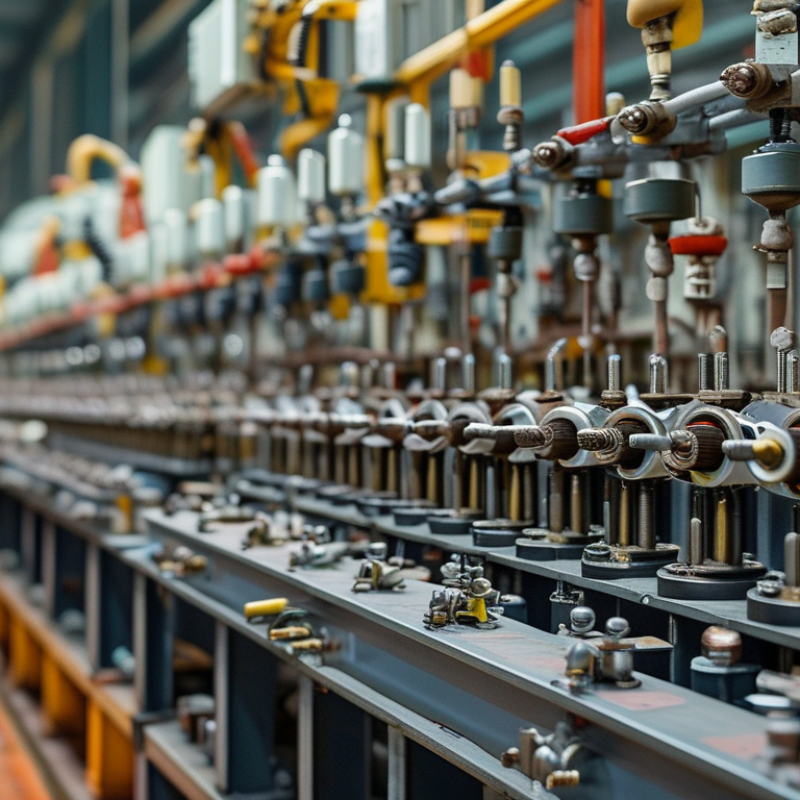
Coil winding machines play a crucial role in manufacturing transformers. They create the magnetic coils essential for transformer operation. The quality of these coils directly impacts efficiency and performance. Accurate winding ensures optimal electrical characteristics, which are vital in applications ranging from power distribution to renewable energy systems.
Industry reports reveal that the global transformer market is expected to grow at a CAGR of 6.3% between 2023 and 2027. This increase emphasizes the growing need for advanced coil winding technologies. Properly wound coils can improve a transformer's lifespan and reliability, addressing common issues like overheating or energy loss. Yet, inconsistent winding techniques can lead to production errors and lower overall quality.
While selecting a coil winding machine, consider its precision and automation capabilities. Automated systems promise more uniform coils, but they also demand a big upfront investment. This investment can be challenging for smaller manufacturers. Finding a balance between cost and innovation is crucial. Reflection on operational needs and existing capabilities is often required to make the right choice.
When selecting a coil winding machine for transformers, several critical features demand attention. The winding speed is vital; faster machines boost productivity, yet they should maintain precision. Look for adjustable speed settings, allowing flexibility for different winding types. This enhancement can lead to better quality and less waste during production.
Another essential aspect is the machine's control system. A user-friendly interface with programmable options can simplify operation. Many machines offer digital displays and easy programming features, which improve reliability and reduce errors. Check the machine’s compatibility with various coil sizes. This versatility can save you from having to invest in multiple machines.
Consider the build quality and safety features as well. Machines made of durable materials are likely to last longer under consistent use. Safety guards and emergency stops are not just features; they are necessary. An awareness of these essential aspects can guide buyers toward making a well-informed decision, ultimately impacting productivity and product quality.
Coil winding machines play a vital role in transformer manufacturing. Understanding the different types available is essential for buyers. Various machines cater to diverse winding needs. Each type has unique features and benefits tailored for specific applications.
Common types include automatic, semi-automatic, and manual machines. Automatic models increase efficiency, reducing production time. They offer precision and consistency, crucial for high-quality transformers. Semi-automatic machines balance control and speed. They require some operator input, allowing for customization during winding. Manual machines, while less common in large-scale production, provide hands-on experience and flexibility.
Evaluating your production needs is important. Consider factors such as coil size, winding speed, and complexity of designs. Some buyers may overlook the learning curve associated with each machine type. Additionally, maintenance requirements can vary significantly. Keeping these aspects in mind ensures a more informed purchase decision.
When evaluating the performance and efficiency of winding machines, transformer manufacturers should consider several key factors. One crucial aspect is the machine's winding speed. High-speed machines can significantly reduce production time. According to industry reports, effective winding speeds can reach up to 1,200 RPM, enhancing productivity.
Another critical factor is the winding precision. Efficient machines should maintain tight tolerances to ensure that transformers meet performance specifications. A study by the Electrical Engineering Journal indicates that machines with accuracy levels within 0.05% result in a notable reduction of defects. The reliability of machinery impacts not just cost but also product quality.
Energy consumption deserves attention too. Machines optimized for efficiency can reduce operational costs. Research has shown that winding machines with energy-saving features can lower electricity usage by as much as 30%. However, it's essential to balance performance with sustainability. Potential buyers must also reflect on maintenance needs. Some machines may require frequent servicing, which can interrupt workflow. Ultimately, understanding these elements can lead to more informed purchasing decisions in this specialized field.
Maintaining your coil winding equipment is essential for its longevity. Regular maintenance can prevent unexpected breakdowns and costly repairs. Start by inspecting the machine daily. Look for signs of wear or damage. Check wiring, belts, and motors for any issues. Regular lubrication of moving parts is crucial. It reduces friction and ensures smooth operation.
Cleanliness plays a vital role in maintaining this equipment. Dust and debris can hinder performance. Make it a habit to clean the machine weekly. Use a soft cloth and non-abrasive cleaners on sensitive parts. Inspect the coils for any irregularities. Catching these early can save time and materials.
Don’t underestimate the importance of software updates, if applicable. Keeping your system up to date is essential for efficiency and safety. If the machine experiences unexpected issues, reviewing the manual can provide helpful insights. Proper training for operators is also vital. Well-trained staff can handle routine issues effectively. Regularly review maintenance procedures with your team. This keeps everyone informed and vigilant.
| Feature | Description | Maintenance Tips | Expected Lifespan (Years) |
|---|---|---|---|
| Automatic Control | Offers precision in winding with minimal human intervention. | Regularly check and update software to optimize settings. | 8-10 |
| Adjustable Tension | Allows for tension adjustments suitable for different wire types. | Inspect tension settings before each use to ensure consistency. | 7-9 |
| Multiple Speed Settings | Facilitates winding at various speeds for different applications. | Lubricate moving parts regularly to prevent wear and tear. | 6-8 |
| Digital Display | Displays important parameters and winding progress clearly. | Keep the display clean and functional for optimal performance. | 5-7 |
| Safety Features | Includes emergency stop and overload protection systems. | Conduct regular safety checks to ensure all features are working. | 7-10 |
: Coil winding machines create the magnetic coils necessary for transformer operation. They directly impact efficiency and performance.
The quality of coils influences a transformer's electrical characteristics. Accurate winding is vital for all applications, including renewable energy.
Common types include automatic, semi-automatic, and manual machines. Each has unique features suited for specific winding needs.
Automatic machines enhance efficiency and reduce production time. They also provide precision and consistency for high-quality transformers.
Regular maintenance prevents unexpected breakdowns and costly repairs. It ensures smooth operation and prolongs equipment lifespan.
Inspect machines daily for wear. Lubricate moving parts regularly. Clean weekly to avoid performance hindrance from dust.
Consider coil size, winding speed, and design complexity. Reflecting on your needs ensures a better purchasing decision.
Keeping software updated enhances efficiency and safety. It helps the machine function better and can prevent future issues.
Trained staff can effectively address routine issues. Regular maintenance reviews keep the team informed and proactive in equipment care.
A Coil Winding Machine For Transformer is an essential tool in the manufacturing of transformers, playing a critical role in ensuring efficient and high-quality production. Understanding the importance of these machines encompasses evaluating key features such as winding precision, speed, and automation capabilities. Buyers should also be familiar with the various types of coil winding machines available to choose one that best fits their specific production needs.
When assessing the performance and efficiency of a winding machine, factors like output quality and operational speed should be prioritized. Additionally, proper maintenance is crucial for ensuring the longevity of coil winding equipment, with routine checks and servicing recommended to prolong its lifespan. In summary, selecting the right Coil Winding Machine For Transformer involves careful consideration of functionality, efficiency, and maintenance practices, all of which significantly impact the transformer manufacturing process.
