
2026 How to Choose the Best Manual Coil Winding Machine?

Time:2026-07-23 Author:Aria
0%

In the realm of coil manufacturing, choosing the right Manual Coil Winding Machine is critical. Expert David Chen emphasizes, "The right machine can transform the entire winding process." This insight reflects the importance of precision in achieving quality coils. A manual winding machine offers versatility, enabling operators to create various coil types.

Understanding machine features is essential. Factors such as winding speed, tension control, and ease of use play significant roles. An operator must feel confident in handling the machine. This confidence aids in producing high-quality coils consistently. Mechanical reliability is another crucial factor. A machine that frequently malfunctions can undermine productivity.

Despite the options available, one must acknowledge that no machine is flawless. Users may face a learning curve when adapting to new technology. Reviewing all user experiences can provide a clearer picture of potential challenges. Therefore, considering both pros and cons is essential when selecting a Manual Coil Winding Machine.
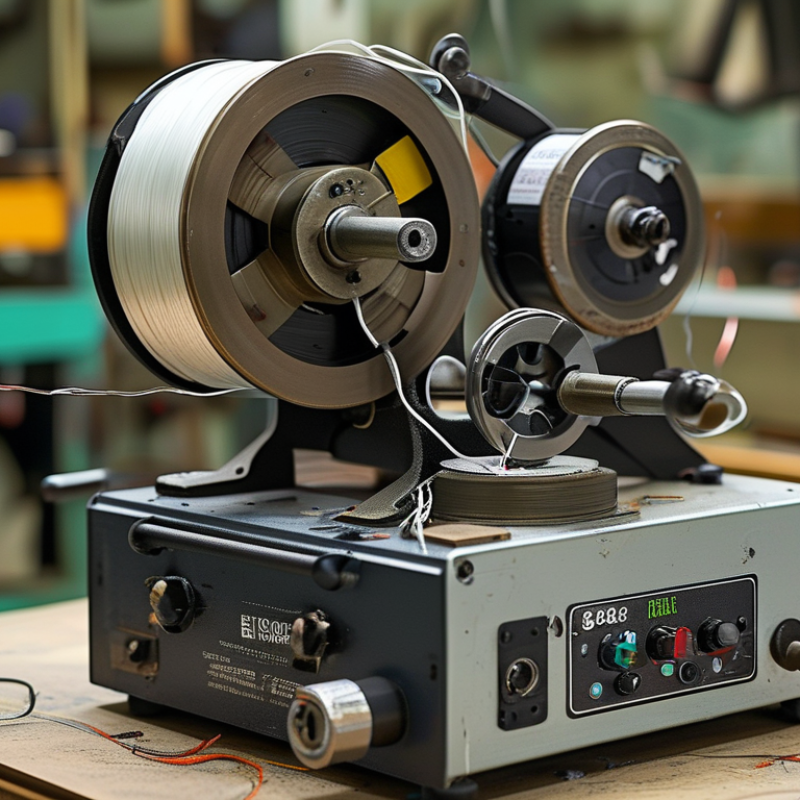
2026 How to Choose the Best Manual Coil Winding Machine?

Understanding the Basics of Manual Coil Winding Machines

Manual coil winding machines play a crucial role in various electrical applications. Understanding the basics of these machines is essential for making an informed choice. These devices are designed to create coils from conductive materials, which are vital for transformers, motors, and inductors. Each coil must be uniform to ensure optimal performance.

When selecting a manual coil winder, consider the design of the machine. A sturdy frame can enhance stability during operation. Look for customizable settings to adjust tension and speed. This flexibility allows for different coil types and sizes. However, achieving consistency can be tricky for beginners. Practice is key to mastering the technique of winding wire smoothly.

Attention to detail matters. The wire gauge and type affect the coil's efficiency. Many users overlook these factors, leading to subpar results. Investing time in learning about the materials used can make a significant difference. Experimentation is encouraged, as it leads to deeper understanding and better outcomes. Manual winding is rewarding yet challenging, and patience is necessary for success.

Key Features to Consider When Choosing a Manual Coil Winding Machine

Choosing the right manual coil winding machine requires careful consideration of key features. One important feature is the machine's winding capacity. Look for a device that can accommodate various coil sizes. This ensures versatility in your projects. A machine with adjustable tension settings can improve the winding quality.

Stability is another crucial aspect. A sturdy base will reduce vibrations during operation. This helps maintain precision and enhances the winding process. It's also important to check the ease of use. A user-friendly design allows for quicker adaptations and adjustments. This is vital for both novices and experts.

Finally, consider the machine's durability. A robust construction indicates a longer lifespan. However, be wary of overly complex models that may frustrate users. Test the machine if possible. Personal experience can reveal insights beyond technical specifications. Reflect on how each feature aligns with your needs.

Comparing Different Types of Manual Coil Winding Machines

When selecting a manual coil winding machine, consider the different types available. Each type serves different needs. Traditional hand-operated machines offer simplicity. They require manual turning, which gives operators full control. This is ideal for small projects or detailed work. However, it can be tedious for larger tasks.

On the other hand, semi-automated machines help streamline the winding process. They combine manual input with automated functions. This balance can improve efficiency while still allowing for customization. Nevertheless, semi-automated options may lack the hands-on feel some operators prefer.

Always think about the winding capacity and the material you will be using. Some machines can handle various wire gauges, while others are more limited. A machine that works perfectly for one project may not suit another. Research and test machines whenever possible. It’s crucial to reflect on your specific needs and adjust your expectations accordingly. A good choice is based on both your current projects and future ambitions.

Evaluating the Cost vs. Performance of Manual Coil Winding Machines

When evaluating manual coil winding machines, consider the balance between cost and performance. A lower-priced machine might save you money upfront but could lead to inefficiencies in the long run. Performance metrics, such as winding speed and precision, play a crucial role in your decision. Investing in a machine that offers higher accuracy can translate to better product quality.

Maintaining reliability is essential. Machines with sturdy construction tend to perform well over time. Cheaper models might wear down quickly, leading to costly repairs. Check user reviews and seek expert opinions if you are unsure about a machine’s durability. Some users may regret their choice after experiencing issues that were not apparent during a quick inspection.

Lastly, think about your specific needs. A more advanced machine may not be necessary for small tasks. Reflect on your production goals. If you frequently change coil specifications, flexibility is key. A machine that adapts easily could save you time and frustration in the future. Understanding these elements will ensure your investment pays off in both the short and long term.

Maintenance Tips for Long-lasting Manual Coil Winding Machines

Manual coil winding machines require regular maintenance for longevity. Proper care affects their performance. Neglect can lead to costly repairs or replacements. Here are some practical maintenance tips.

Keep the machine clean. Dust and debris can affect winding quality. Use a soft brush or cloth to remove particles. Lubricate moving parts regularly. This reduces friction and enhances efficiency. Follow the manufacturer’s instructions for the right type of lubricant.

Check electrical connections often. Loose wires can cause malfunctions. Inspect belts for wear. Replacing worn belts prevents operational issues. Regularly calibrate your machine for accurate winding. Small adjustments can make a significant difference.

Tension settings are crucial. Incorrect tension can lead to coil damage. Always monitor the tension while winding. Make adjustments as needed. Document any changes to track your machine's performance over time. This helps in identifying patterns or issues.

FAQS

: What features should I consider when choosing a manual coil winding machine?

: Look for winding capacity, stability, ease of use, and durability. Each feature impacts your projects.

Why is winding capacity important?

A versatile machine accommodates various coil sizes. This is crucial for diverse projects.

How does stability affect the winding process?

A sturdy base reduces vibrations. This enhances precision during operation, improving overall quality.

What should I know about ease of use?

User-friendly designs speed up adaptations. This is essential for both beginners and experienced users.

What type of machine is best for small projects?

Traditional hand-operated machines offer control and simplicity. However, they can be tedious for larger tasks.

Are semi-automated machines a good choice?

Yes, they streamline processes while allowing customization. However, they may lack the hands-on feel of manual models.

How can I maintain my manual coil winding machine?

Keep it clean and lubricate moving parts regularly. This enhances efficiency and prevents costly repairs.

Why is checking electrical connections important?

Loose wires can cause malfunctions. Regular inspections can prevent operational issues.

How often should I calibrate my machine?

Regular calibration is key for accurate winding. Small adjustments can significantly impact performance.

What should I monitor during the winding process?

Always check tension settings. Incorrect tension can damage coils, so adjust as needed.

Conclusion

Choosing the right Manual Coil Winding Machine involves a comprehensive understanding of its basic functionalities and key features. It's essential to evaluate various types of machines available on the market, as differences in design and capability can significantly affect performance. Key considerations include the ease of use, winding speed, tension control, and the nature of the projects you plan to undertake.

When assessing a Manual Coil Winding Machine, it's also crucial to weigh the cost against the machine's performance to ensure you achieve the best value for your investment. Additionally, proper maintenance is vital for ensuring the longevity and efficiency of the machine. By following these guidelines, you'll be well-equipped to select a Manual Coil Winding Machine that meets your specific needs and maximizes productivity.

Aria

Aria

Aria is a dedicated marketing professional with a deep passion for innovative strategies and a keen understanding of our company's product offerings. With a wealth of experience in the industry, Aria excels at crafting engaging content that highlights the unique features and benefits of our......