
How to Choose the Best Cotton Winding Machine?

Time:2026-09-26 Author:Sophia
0%

Choosing a Cotton Winding Machine is not just a question of spindle speed. It affects package shape, yarn tension, unwinding performance, and downstream fabric quality. A cone that looks smooth on the shop floor may still unwind unevenly at knitting or weaving. Small differences matter.

Textile Exchange’s Materials Market Report 2024 estimates global fiber production reached about 124 million tonnes in 2023, with cotton accounting for roughly one-fifth. That scale makes consistent yarn preparation important. The report provides useful market context, but it does not rank winding machines or prove that one model suits every mill. Buyers should compare actual yarn counts, package dimensions, production targets, energy use, and service support.

Look closely at the details. Can the machine handle your cotton count range? Does it control tension without damaging weak yarn? Ask for trial results using your own yarn, then inspect package density and unwinding behavior. A faster machine is not automatically the better choice. Sometimes, it is not.

A practical rule for this guide is: “Choose the package your process needs, not the brochure’s biggest number.” This is editorial guidance, not a quotation attributed to a named industry expert. No verifiable expert quotation or source was provided, so assigning one would risk inventing evidence. A responsible comparison should rely on documented trials, technical specifications, and independently checkable references.
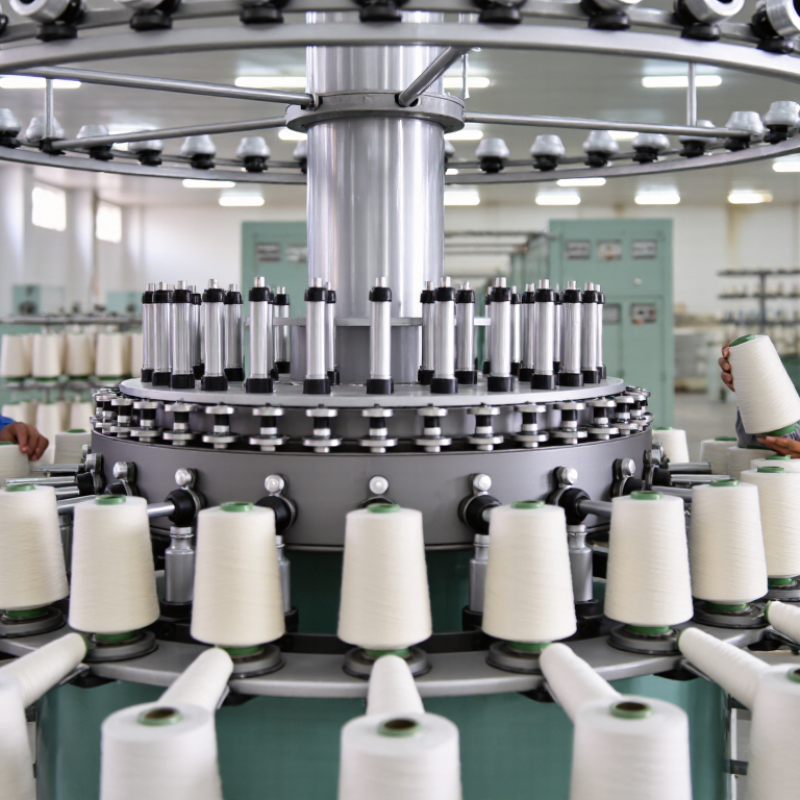
How to Choose the Best Cotton Winding Machine?

Define the Role and Working Principles of a Cotton Winding Machine

A cotton winding machine transfers yarn from ring-spun bobbins onto larger, stable packages, often cross-wound cones. These packages feed knitting, weaving, or dyeing processes more consistently. The machine does more than enlarge a package. It controls yarn tension, guides the yarn across the package surface, and can remove selected thick or thin faults with an electronic clearer. A splicer joins broken ends without a bulky knot. Small details matter.

In operation, a bobbin unwinds while a traverse guide lays yarn in crossing layers. Sensors monitor yarn movement and package build; settings for tension, speed, and winding pattern affect unwinding behavior downstream. The USDA Foreign Agricultural Service’s Cotton: World Markets and Trade, May 2024, estimated 2023/24 global cotton production at about 24.5 million metric tons. That scale helps explain why reliable yarn preparation matters, though cotton volume alone does not determine machine choice or performance.

For a mill, the practical role is to create packages suited to the next process while limiting defects and avoidable breaks. Match the machine to yarn count, bobbin format, required package size, and the sensitivity of the end use. Inspect actual packages for hard edges, loose layers, and uneven density. A specification sheet can look reassuring. It cannot replace a trial with the mill’s own yarn. Even careful settings need review, because upstream drafting variation may still produce irregular yarn.

Identify Key Machine Types and Their Suitable Applications

Cotton winding machines differ in how they build packages and prepare yarn for the next process. A precision winder lays yarn in orderly layers, creating firm packages for weaving or knitting. It suits operations that need consistent unwinding and controlled package shape. A random winding machine builds a more cross-wound package, often at higher production speeds. It can be practical for general-purpose yarn preparation, though package consistency still depends on settings and yarn condition.

Cone winding machines transfer yarn onto cones used by knitting machines and many weaving setups. Choose the cone size and winding pattern to match the creel or machine requirements. For yarn that will be dyed in package form, a soft-package winder creates a looser structure so dye liquor can pass through the package. Too much density may cause uneven dyeing. Too little can lead to package distortion. Small details matter.

Automatic winders are useful where frequent piecing and steady output are priorities, especially in larger mills. Manual or semi-automatic machines may suit smaller runs, trials, or facilities with varied yarn lots. Check the yarn count range, spindle speed, tension control, clearer settings, and available operator skills before choosing. A fast machine is not always the best fit. Production targets can change, and a choice that works for one yarn may disappoint with another. Test representative cotton yarn and inspect the finished package before committing.

Compare Essential Features for Yarn Quality, Speed, and Control

How to Choose the Best Cotton Winding Machine?

Compare Essential Features for Yarn Quality, Speed, and Control

A suitable cotton winding machine should protect yarn quality while maintaining steady production. In winding-room trials, operators often check tension stability before chasing maximum speed. Uneven tension can create soft patches, hard edges, and frequent yarn breaks. Look for responsive tension sensors and adjustable yarn guides. These features help the machine handle different cotton counts without rough treatment.

Too fast, too soon.

Speed control matters because cotton yarn can react badly to sudden acceleration. A useful machine should offer gradual speed changes, programmable winding curves, and reliable break detection. Package density also deserves close attention. If the package is too firm, later unwinding may become difficult. If it is too loose, the yarn may shift during transport. Inspect sample packages under normal lighting. Small edge defects are easy to miss.

Control systems should provide clear alarms, production records, and simple adjustment access. Operators need to see spindle speed, tension levels, and stoppage causes without searching through confusing menus. Dust removal is another practical concern. Accumulated lint can affect sensors and moving parts. I once treated cleaning access as a minor detail, but that judgment was wrong. Maintenance time quickly affects output. Still, faster production is not always better. Test the machine with your actual cotton yarn, package sizes, and working conditions before choosing a final setting.

Evaluate Production Capacity, Maintenance Needs, and Operating Costs

Choosing a cotton winding machine starts with production capacity, not catalog speed. Textile Exchange’s Materials Market Report 2024 recorded 124 million tonnes of global fiber production in 2023. This scale increases pressure on stable yarn preparation. Measure actual output per spindle, package size, yarn count, and changeover time. Rated speed can mislead. A practical trial should run for one full shift, including doffing and cleaning.

Maintenance needs affect capacity more than many buyers expect. Check access to tensioners, sensors, spindle assemblies, and suction filters. The International Energy Agency reports that electric motor systems represent a major share of industrial electricity use. Efficient drives matter, but poor alignment can erase those savings. Ask for preventive-maintenance intervals and average repair time. Keep critical spare parts locally. That sounds obvious.

Operating cost requires more than the purchase price. Record electricity per kilogram, compressed-air demand, labor hours, waste, and downtime. The U.S. Department of Energy identifies motor systems as a significant industrial energy opportunity, supporting detailed energy measurement before selection. Compare a five-year cost model, not only the quotation. Include training and software support. A perfect forecast is unlikely. Yarn mix changes, and operators make mistakes. Use measured trial data, conservative downtime assumptions, and sensitivity checks before approving the machine.

How to Choose the Best Cotton Winding Machine?

Compare typical production capacity, monthly maintenance requirements, and operating cost before selecting a cotton winding machine.

Higher-capacity machines can process more material per hour, while automatic precision systems generally require fewer maintenance hours and have lower operating costs per 1,000 kg. Actual results vary with yarn count, winding speed, utilization rate, labor, energy prices, and maintenance practices.

Select a Machine Based on Factory Requirements and Future Expansion

Choosing a cotton winding machine should begin with your factory floor, not a catalog. Measure daily yarn output, available space, power capacity, and operator skills. A small workshop may need a compact machine with simple tension controls. A larger mill may prioritize multiple spindles, automatic doffing, and stable high-speed operation. Record actual production for several weeks. Estimates can mislead.

Inspect the yarn types, package sizes, and winding speeds your team handles today. Fine cotton may require gentler tension settings, while thicker yarn can demand stronger drive control. Ask suppliers for test winding with your own yarn. Check package hardness, edge formation, break frequency, and waste levels. A polished demonstration is not enough. Review maintenance access, operator training, spare-part availability, and service response times. These details affect output long after installation.

Future expansion changes the calculation. Leave room for additional units, electrical upgrades, ventilation, and material movement. Choose controls that can connect with planned production-monitoring tools. Modular capacity may cost more initially, but it can prevent a disruptive replacement later. Still, buying the largest machine is not always wise. Unused capacity ties up cash and complicates training. Our first selection in a factory assessment was too ambitious, and the operators struggled with setup. That mistake changed the evaluation process. Build a two-year volume forecast, then test it against conservative demand. Revisit the decision with operators. They notice practical problems managers miss. One overlooked issue can be cleaning access.

How to Choose the Best Cotton Winding Machine? - Select a Machine Based on Factory Requirements and Future Expansion
Selection Dimension What to Measure How to Choose Future-Expansion Check
Production demand Required good output in kilograms per day, operating shifts, and expected product mix. Compare the machine’s demonstrated output using your yarn and package specification—not just its maximum stated speed. Allow for planned demand growth and account for changeovers, breaks, maintenance, and other production losses.
Yarn range Cotton yarn counts, yarn construction, strength, hairiness, and any blended-yarn requirements. Confirm that the machine can handle the factory’s full yarn range while maintaining acceptable winding quality and breakage levels. Check whether future yarn counts or blends require different tension settings, clearer specifications, or machine options.
Winding speed Winding speed in metres per minute, yarn-break frequency, and output at the intended yarn count. Ask for a production trial. The practical speed depends on yarn properties, package requirements, and quality targets. Verify that speed settings can be adjusted for new products without sacrificing package quality.
Package specification Package type, dimensions, target weight, density, winding pattern, and downstream process requirements. Match the winding system and package settings to the needs of knitting, weaving, dyeing, or the next operation. Check the available package range and the time, tooling, or parts needed to change package formats.
Spindle positions and layout Required winding positions, machine length, operator access, material flow, and available floor area. Size the installation around required output and confirm the supplier’s layout drawing fits the factory. Ask whether positions can be added later and reserve space for extra machines, aisles, and material handling.
Automation and quality control Splicing method, yarn-clearer functions, automatic doffing options, monitoring, and operator workload. Select functions based on defect limits, labour availability, and the consistency required by downstream users. Confirm which automation or monitoring features can be added later and whether they require compatible controls or hardware.
Utilities and operating conditions Electrical supply, connected load, compressed-air needs if applicable, ambient temperature, and humidity. Use the machine’s installation requirements to check the factory’s electrical and utility capacity before purchase. Include the utility demand of planned additional machines and confirm local service and spare-parts support.
Total operating cost Purchase and installation costs, energy, labour, consumables, maintenance, and expected downtime. Compare total cost per kilogram of acceptable output, rather than choosing by purchase price alone. Review the cost and lead time for expansion, upgrades, replacement parts, and operator training.
Planning note: Machine performance varies with yarn, package, settings, and factory conditions. Request a trial using representative cotton yarn and confirm technical figures, utility requirements, and expansion options in the machine specification.

FAQS

What does a cotton winding machine do?

It transfers yarn from smaller bobbins onto larger packages, often cross-wound cones. These packages feed knitting, weaving, or dyeing processes.

How does yarn move through the machine?

A bobbin unwinds while a guide lays yarn in crossing layers. Sensors track yarn movement and package formation. Small details matter.

Which settings affect yarn quality?

Tension, speed, and winding pattern affect package density and later unwinding. Uneven tension can create soft patches, hard edges, or breaks.

Why should operators avoid excessive speed?

Sudden acceleration can stress cotton yarn and increase breaks. Gradual speed changes and reliable break detection help maintain steadier production. Faster is not always better.

How can a mill check package quality?

Inspect packages under normal lighting for hard edges, loose layers, uneven density, and shifting yarn. Test them with your own yarn, not just demonstration samples.

What should a factory consider before choosing a machine?

Measure daily output, floor space, power capacity, and operator skills. Also consider yarn types, package sizes, maintenance access, and training needs.

Why is cleaning access important?

Lint can affect sensors and moving parts. Easy access can reduce maintenance time. I once underestimated this detail; that was a mistake.

How should a mill plan for future production?

Forecast demand over two years and consider space, electrical upgrades, ventilation, and material movement. Avoid buying capacity that may sit unused. Operators often notice issues managers miss.

Conclusion

Choosing the right Cotton Winding Machine starts with understanding its role: it transfers yarn from one package to another while helping create packages suited to later production processes. Machine types differ in winding methods, automation, and intended applications, so the best option depends on the yarn, package requirements, and tasks performed in the factory.

When comparing machines, consider how well they protect yarn quality, maintain consistent tension, and provide the speed and control your operation needs. Also evaluate production capacity, ease of maintenance, operator requirements, energy use, and total operating costs. A machine that meets today’s output targets may not be the best long-term choice if production is expected to grow. By matching technical features and practical costs to current factory requirements and future expansion plans, you can select equipment that supports reliable, efficient winding.

Sophia

Sophia

Sophia is a dedicated marketing professional with an exceptional depth of knowledge about her company's products and services. With a keen understanding of market trends and customer needs, she crafts insightful blog posts that not only inform but also engage readers, enriching the company’s online......