
The demand for Auto Coil Winding Machines has surged in recent years. According to a report by MarketsandMarkets, the global market for these machines is expected to grow significantly, reaching an estimated value of $1.2 billion by 2027. This growth is driven by the increasing need for efficient manufacturing processes in electric motors, transformers, and inductors.
Investing in high-quality Auto Coil Winding Machines can enhance production efficiency and reduce operational costs. Industry veterans highlight that precision winding is crucial for improving product reliability and performance. However, selecting the right machine can be challenging amidst a plethora of options. Each machine offers different features, capabilities, and costs that may not be immediately apparent.
As technology evolves, it’s important to reflect on your specific winding needs. While a machine might be popular, it may not be the best fit for your operation. Conduct thorough research and consider expert recommendations to identify the right Auto Coil Winding Machine that aligns with your production goals.
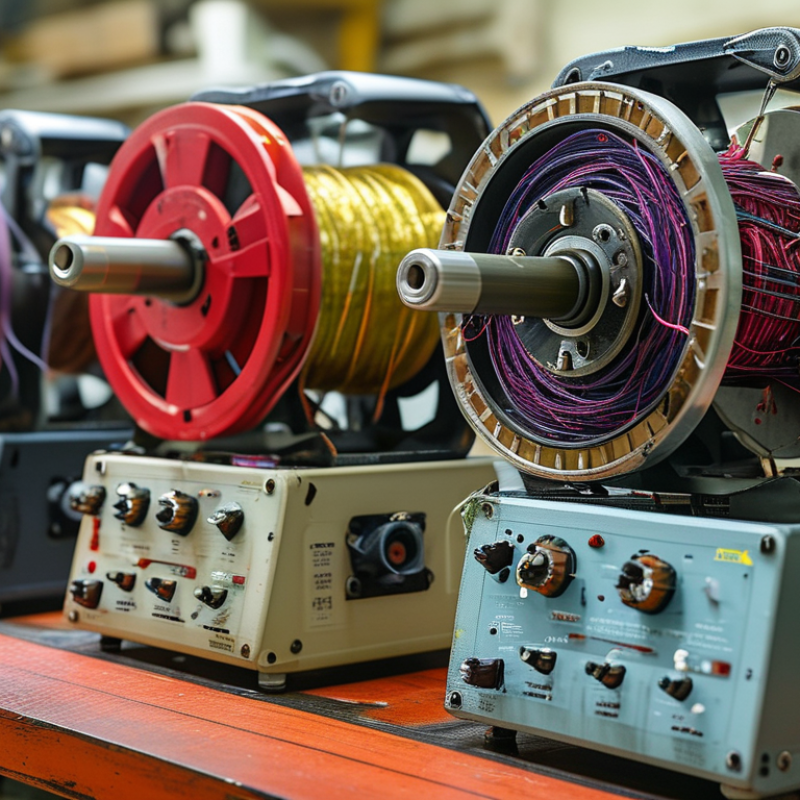
Auto coil winding machines play a crucial role in modern manufacturing. They automate the winding process of coils used in various electrical devices, enhancing efficiency. This automation minimizes human error and increases production rates. According to a recent industry report, introducing automated winding has resulted in up to 30% higher productivity for manufacturers.
Traditional winding methods can be time-consuming and prone to inconsistencies. Automated machines ensure precise winding, which is essential for electrical components' performance. A study found that the failure rates of coils produced by manual winding can be twice as high as those made using automated systems. This highlights the importance of investing in high-quality winding machines.
**Tips:** Regular maintenance of winding machines is vital to prevent breakdowns. Also, training operators on best practices can significantly improve winding quality. Emphasizing quality control checks during production is key to reducing defects. Remember, improvements are ongoing. Reflect on your current processes and adapt where necessary for optimal productivity.
When selecting coil winding machines, consider key features that affect efficiency and precision. One critical aspect is the machine's winding speed. According to a recent industry report, faster winding speeds can enhance productivity by up to 30%. However, higher speed may compromise the uniformity of the winding, potentially leading to defects. There's a delicate balance between speed and quality that requires careful evaluation.
Another essential feature to explore is the machine's versatility. A flexible machine can accommodate various coil sizes and wire materials, making it a wise investment for diverse production needs. Data indicates that companies utilizing adaptable winding machines reported a 40% reduction in setup times. Yet, this versatility can also lead to complexities in operation, necessitating thorough training for operators to avoid errors.
Automated features are increasingly favored in modern machines. Incorporating advanced technology can improve accuracy and reduce manual errors. Nevertheless, automation may introduce maintenance challenges. Companies should be prepared for potential downtimes resulting from advanced systems. The ideal machine strikes a balance between ease of use and sophisticated technology that enhances productivity without overwhelming the workforce.
When looking for a suitable auto coil winding machine in 2023, the market presents many options. Research indicates that the demand for coil winding machines has risen by 15% over the past year. This growth is driven by the increasing needs of industries such as automotive and electronics. These machines enhance efficiency and precision in coil production processes.
Key features to consider include winding speed, coil dimensions, and automation levels. Some devices can achieve winding speeds up to 2000 RPM. This not only boosts productivity but also allows for intricate designs that manual processes cannot easily replicate. However, choosing a machine that meets your specific requirements is crucial. Oversized or overly complex machines can lead to operational inefficiencies.
Tips: Ensure to assess the machine's energy consumption. Machines with lower energy use can save costs in the long run. Always check for available support and training provided by manufacturers. This can mitigate potential learning curves and machine utilization issues. Consider visiting trade shows to see machines in action. This firsthand experience can clarify your decision. Remember to review user feedback for insights into potential challenges faced with different models.
When evaluating coil winding machines, performance is crucial. Different machines excel in various areas. Look for factors like speed, precision, and ease of use. Machines with higher winding speeds can significantly improve productivity. However, it’s essential to balance speed with accuracy. An overly fast machine might lead to errors in winding, affecting overall quality.
Precision is another critical aspect. Machines that allow for fine adjustments tend to perform better in various applications. Users often find that these machines cater to different wire sizes and types effectively. It’s not unusual for operators to experience frustration with machines that lack this flexibility.
Ease of use cannot be overlooked. User-friendly interfaces can save time and reduce mistakes. Some machines may require extensive training, leading to a learning curve that can be daunting. Reflecting on your specific needs is vital. Consider whether you'd benefit more from advanced features or a simpler setup. Investing time in research is important before making a decision.
Auto coil winding machines are essential for various industries. Keeping them in optimal condition is critical for smooth operation. Regular maintenance can prevent many issues and extend the machine's lifespan.
One important tip is to clean the machine regularly. Dust and debris can affect performance. Make sure to use a soft brush and a vacuum for hard-to-reach areas. Pay special attention to the winding area. A clean machine reduces wear and ensures accurate winding.
Another consideration is lubrication. Proper lubrication keeps moving parts functioning well. Use the right type of lubricant as specified in the manual. Over time, the lubricant can degrade, leading to friction. Regularly check and replace it as needed to maintain efficiency.
Always keep an eye on components. Worn out parts can cause problems. Inspect belts, gears, and motors every few weeks. This simple practice can prevent major breakdowns. Noticing small issues early often saves time and money.
| Model | Max Coil Diameter (mm) | Wire Range (AWG) | Winding Speed (RPM) | Control Type | Maintenance Tip |
|---|---|---|---|---|---|
| Model A | 250 | 30 - 40 | 200 | Digital | Regularly lubricate moving parts. |
| Model B | 300 | 28 - 32 | 150 | Pneumatic | Check electrical connections regularly. |
| Model C | 280 | 24 - 36 | 100 | Manual | Keep the area around the machine clean. |
| Model D | 350 | 30 - 42 | 180 | Computerized | Perform software updates as needed. |
| Model E | 400 | 20 - 34 | 220 | Hybrid | Inspect for wear and tear regularly. |
: Focus on winding speed, versatility, and automated features. Each affects efficiency and quality.
Faster speeds can boost productivity, perhaps by 30%. However, uniformity may suffer, leading to errors.
A versatile machine accommodates different coil sizes and materials, reducing setup times by around 40%, but can complicate operations.
Automation can improve accuracy but might introduce maintenance challenges. Be ready for potential downtimes.
Choose machines allowing fine adjustments. This helps cater to various wire sizes and reduces frustration during operation.
Regular cleaning and lubrication are vital. Inspect components frequently to catch wear early and avoid major breakdowns.
Clean it regularly, focusing on the winding area. Dust can significantly affect performance and accuracy.
Always refer to the machine manual for the correct lubricant. Degraded lubricant can lead to friction and issues.
Select user-friendly machines when possible. This can save time and reduce mistakes during operation.
Act quickly. Addressing minor problems can prevent larger, costly repairs in the future.
Auto Coil Winding Machines play a crucial role in various industries by automating the winding process of coils, which enhances efficiency and precision. In selecting the right machine, it's essential to consider key features such as winding speed, control systems, and ease of use. The article highlights the top five recommended auto coil winding machines of 2023, evaluating their performance and capabilities.
Furthermore, it provides a comparative analysis to help readers make informed decisions based on specific performance metrics. Additionally, practical maintenance tips are included to ensure longevity and optimal operation of auto coil winding machines. By understanding these aspects, users can better appreciate the significance of investing in a high-quality coil winding machine for their production needs.
