
In the rapidly evolving world of manufacturing, sourcing the right Winding Machine Coil supplier is crucial. With the demand for precision and efficiency, the choice of a supplier can make or break production quality. By 2026, various factors will influence this selection process. Suppliers need to demonstrate not only reliability but also a comprehensive understanding of the technology involved.
The market is saturated with options, but not all suppliers meet the necessary standards. Businesses must look for those who have a proven track record in the industry. Trustworthy suppliers should have extensive experience and specialized knowledge. Moreover, evaluating the supplier's technological capabilities is equally important.
Choosing a Winding Machine Coil supplier is not only about price. Consider the reliability of the supplier and their capacity for innovation. Are their solutions adaptable to your requirements? Reflecting on these questions will lead to better decision-making. In a competitive market, finding the right partner can significantly enhance operational success and product quality.
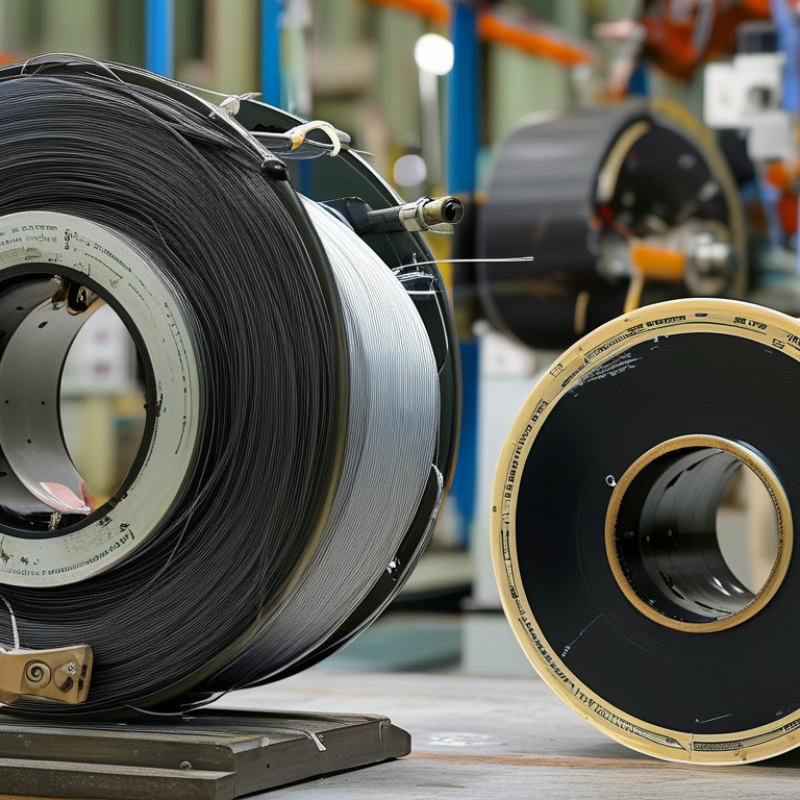
When selecting winding machine coil suppliers, it’s crucial to assess their expertise in the industry. A supplier with years of experience can offer insights that newer companies might lack. Look for partners who have successfully provided coils for specific applications similar to yours. This experience ensures that they can meet your unique requirements.
Quality is another essential factor. Suppliers should be willing to share product specifications and any testing results. Reliability in delivery timelines is also vital. Delays can disrupt production schedules and impact your bottom line. Open lines of communication can foster a more trustworthy relationship, allowing for better service and support.
Consider the technological capabilities of suppliers. The machinery they use should align with industry standards. Suppliers who invest in advanced technology likely prioritize product quality. However, evaluate if their processes are scalable for future needs. It’s important to reflect on past experiences with suppliers to avoid repeating any missteps, particularly regarding quality control and communication breakdowns.
As the winding machine industry evolves, innovation plays a crucial role. Key technologies are emerging that will significantly impact production efficiency. Data from industry reports indicate a projected growth of 8% annually in the winding machine market by 2026. Automation and smart technologies are at the forefront of this change. These advancements enhance precision and reduce manual intervention, which can minimize errors in coil winding processes.
Advanced software systems are being integrated to facilitate real-time monitoring and diagnostics. This allows operators to detect and address issues swiftly. Moreover, the rise of AI-driven algorithms in winding machine operations can improve design flexibility. The implementation of these technologies can be a game changer, but businesses must consider their investment carefully. Not all new technologies will provide a clear return on investment.
Tip: Stay updated on technology trends. Regularly assess the tools in use to ensure they meet current production demands. Realize that not every solution fits every scenario. Customization is key. Understand that change may come with risks, but the potential rewards can outweigh them. Embrace innovation but approach it with analysis and caution.
The winding machine industry is on the cusp of transformation. As we approach 2026, several market trends are emerging. Analysts highlight a surge in demand, particularly from electric vehicle (EV) manufacturers. It is projected that the EV market will grow by 25% annually, significantly affecting winding machine sales.
Sustainability is another key focus. Manufacturers are increasingly expected to adopt eco-friendly practices. A recent report indicates that 70% of companies are prioritizing energy-efficient machines. This shift is driven by both regulatory pressures and consumer preference for green technologies. As this trend evolves, the investment in advanced winding machines that consume less energy will likely rise.
Automation in winding processes is essential for efficiency. Companies that integrate smart technology into their machines can achieve production enhancements. A study shows that automation can boost output by 30%. However, not all players in the industry have adopted these technologies. This lag presents both challenges and opportunities for suppliers. Keeping an eye on these trends can help businesses navigate this dynamic landscape.
When choosing winding machine suppliers, reputation and reliability are crucial. A supplier's history often reflects their ability to deliver. Industry feedback is invaluable. Seek testimonials and case studies. They provide insight into a supplier’s strengths. Look for companies with years of experience. Longevity often indicates trustworthiness.
Quality control is another important factor. Consistent product quality builds confidence. Evaluate the supplier's processes and standards. Effective communication is key. A responsive supplier will address concerns promptly. Assess their customer service. Are they accessible and helpful? A reliable supplier will prioritize your needs.
Investigate any red flags. Are there unresolved complaints? Transparency is essential for trust. Look at their problem-solving record. Do they follow through on commitments? Suppliers should not only meet expectations but exceed them. Collecting comprehensive feedback is crucial to make informed decisions. A supplier’s reputation is often the best indicator of future performance.
When planning a budget for coil winding machines, it is essential to consider various factors. The initial cost of equipment can significantly impact your overall expenditure. Industry data indicates that the average price of coil winding machines ranges between $10,000 and $200,000. Understanding the specifications you require can help narrow down your options and avoid overspending.
Operational costs must also be part of your financial plan. Regular maintenance is crucial for optimal machine performance. According to a 2023 report, maintenance expenses for coil machines can account for up to 15% of total operating costs. Moreover, consider the cost of utilities. Coil winding often requires substantial energy input, which can elevate monthly bills. A thorough assessment of energy requirements will lead to better budget management.
Investing in higher-quality equipment may seem initially costly. However, it often leads to increased efficiency and reduced downtime. A 2022 survey found that businesses using more reliable coil machines reported up to a 30% increase in production output. Reflection on these aspects can guide you in making informed decisions. The goal is to balance cost with longevity and performance, ensuring a solid return on investment.
| Supplier Type | Average Cost (USD) | Typical Lead Time | Warranty (Years) | Customer Support (Rating) |
|---|---|---|---|---|
| Low-End Suppliers | $5,000 - $10,000 | 4-6 weeks | 1 Year | 3.5/5 |
| Mid-Range Suppliers | $10,000 - $20,000 | 3-4 weeks | 2 Years | 4/5 |
| High-End Suppliers | $20,000+ | 2-3 weeks | 3 Years | 4.5/5 |
| Custom Suppliers | Varies | Variable | Negotiate | Variable |
: Key factors include automation, smart technologies, and the rise of electric vehicle manufacturers.
Analysts project an 8% annual growth in the market by 2026.
It allows operators to detect issues quickly, minimizing downtime and errors.
They enhance design flexibility and improve operational efficiency.
No, businesses must evaluate each technology's potential carefully.
About 70% of companies are focusing on sustainable and energy-efficient practices.
Automation can increase output by up to 30%.
No, some companies are lagging in technology adoption, creating challenges and opportunities.
Customization is essential to ensure solutions fit specific production scenarios.
Regulatory pressures and consumer preferences are pushing for eco-friendly practices.
In preparing for the evolving landscape of winding machine coil suppliers in 2026, several key factors must be considered. Evaluating suppliers based on their technological advancements and innovations is crucial, as the winding machine industry is experiencing rapid changes. Understanding market trends can also provide insights into the demand for various types of winding machine coils, ensuring that businesses make informed decisions.
Additionally, the reputation and reliability of leading suppliers play a significant role in ensuring quality and trustworthiness in procurement. Cost considerations and effective budget planning are essential to align with financial goals while investing in winding machine coils. By focusing on these critical aspects, companies can strategically position themselves to navigate the competitive market of winding machines and enhance their operational efficiency in the years ahead.
