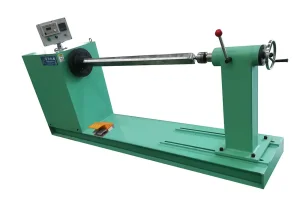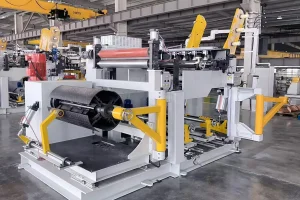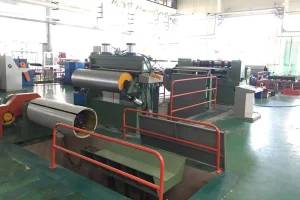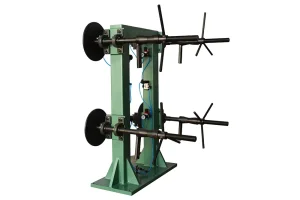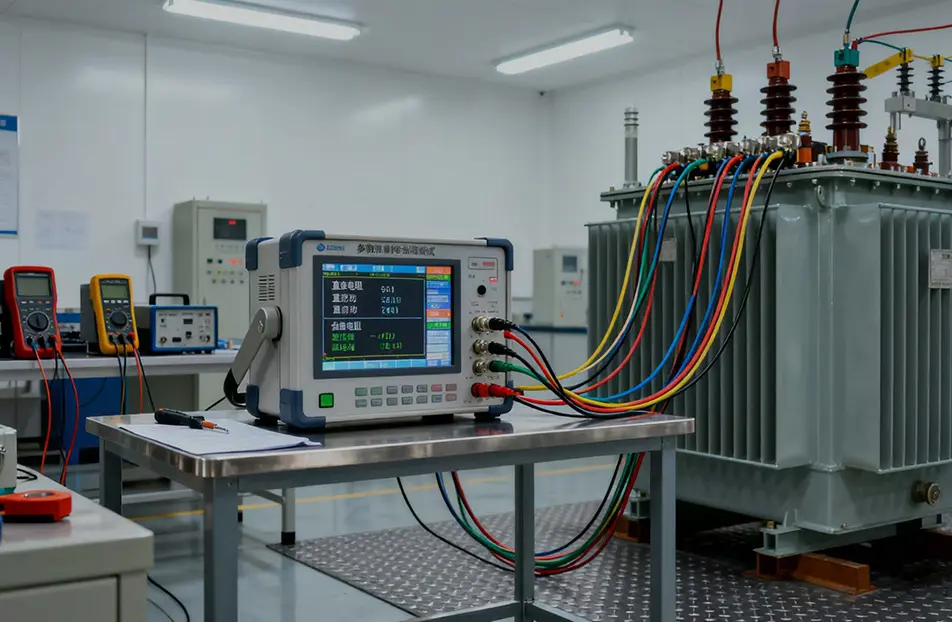
Highly engineered industrial systems ensuring dimensional accuracy and insulation integrity to withstand overvoltage events.
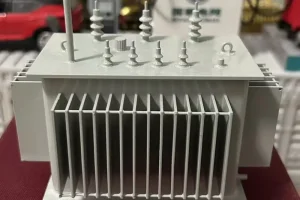
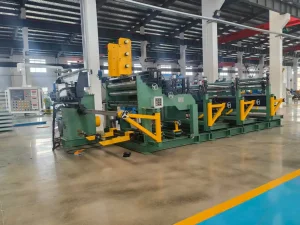
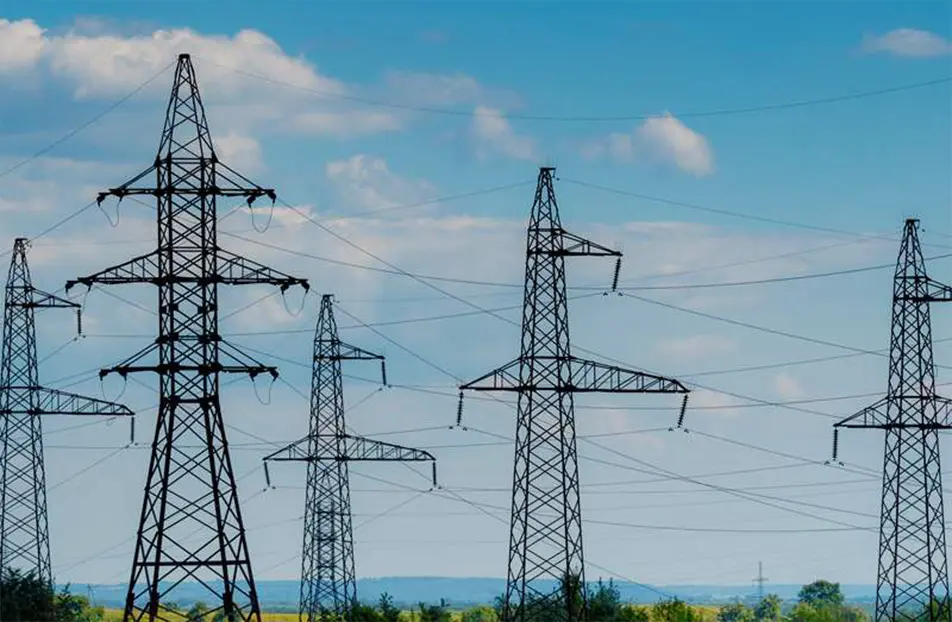
Overvoltage in power systems refers to any voltage elevation exceeding the rated operating voltage limit of electrical grid components. These transients or continuous abnormal conditions are categorised primarily as atmospheric overvoltage (e.g., direct or induced lightning strikes), switching overvoltage (generated by circuit breaker operations, capacitor switching, or fault clearance), and temporary power-frequency overvoltage (typically resulting from load rejection, asymmetrical faults, or resonance conditions). When a system encounters these peaks, the dielectric strength of insulation materials is pushed to its physical threshold.
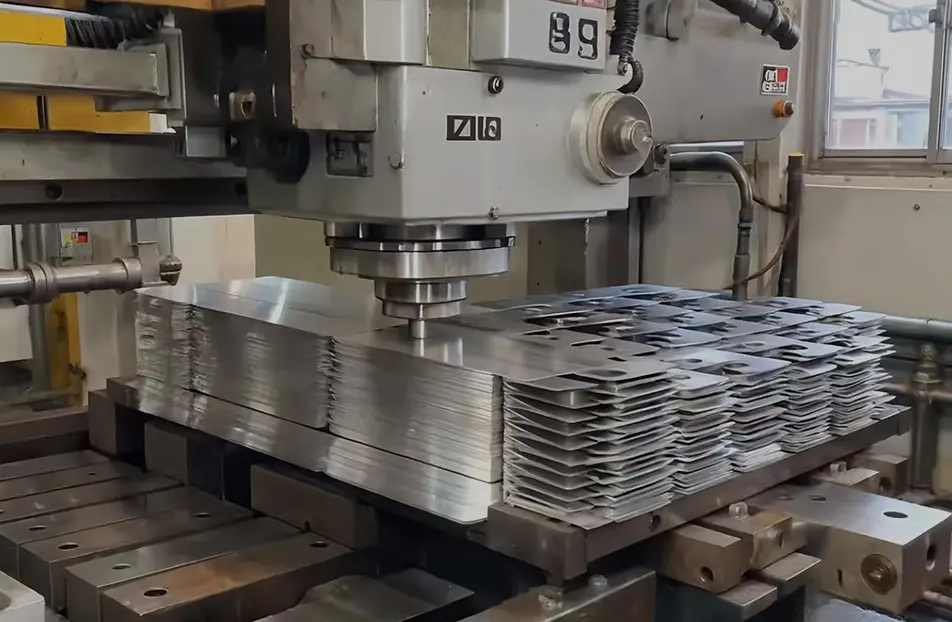
Without robust mitigation mechanisms and precision-built transformer infrastructures, transient overvoltage propagates rapidly through the transmission line, inducing inter-turn insulation breakdowns within power transformers. Ensuring absolute magnetic core stability and micro-tolerances during core slitting, stacking, and winding processes is critical. If a core possesses uneven laminations or micro-burrs, these mechanical defects serve as localized points of electrical field stress concentration, greatly accelerating partial discharge under transient overvoltage stresses.
The global energy landscape is undergoing a systemic transition driven by grid modernization, the high penetration of Distributed Renewable Energy (DER) resources (such as grid-scale wind and solar installations), and the rapid expansion of EV charging infrastructure. This diversification introduces complex power dynamics, rendering existing grids highly susceptible to voltage fluctuations, harmonics, and transient overvoltages. Industrially developed zones in North America and Europe are retrofitting decades-old substations, calling for next-generation dry-type and oil-immersed transformers that exhibit elevated impulse voltage ride-through capabilities.
Concurrently, developing economic zones across Asia and Latin America are deploying high-voltage and ultra-high-voltage (UHV) transmission corridors to span distances between remote generation facilities and urban centers. The commercial procurement of core manufacturing equipment is now directly coupled with strict international standards (like IEC 60076 and IEEE C57). Global buyers demand machinery that can process high-permeability grain-oriented (GOES) silicon steels and amorphous alloys with zero edge deformation, guaranteeing that the transformers produced are naturally resilient to system-level overvoltages.
Ensuring micro-level precision and optimal electromagnetic alignment to construct highly resilient grid components.

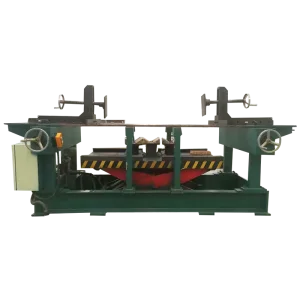
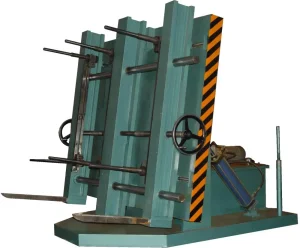
Ensures reliable, safe 90-degree tilting of large stacked cores to prevent mechanical distortion and localized stresses.
Inquiry Now
Tailored specifically for delicate amorphous ribbon handling, protecting fragile layers from structural buckling.
Inquiry Now
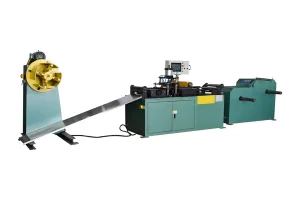
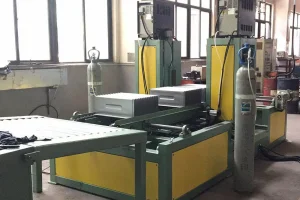
Advanced step-lap core processing line offering extreme cutting precision and minimal mechanical burrs.
Inquiry Now
Designed to wound continuous core rings, removing gap losses and enhancing resilience against surge events.
Inquiry Now
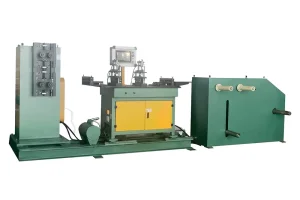
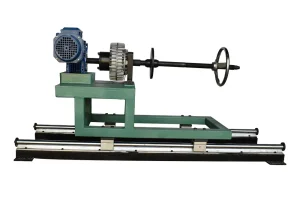
Delivers tension-controlled, high-precision winding cycles for compact high-frequency magnetic applications.
Inquiry Now
Restores magnetic crystal alignment after mechanical strain, slashing no-load losses and system heat generation.
Inquiry Now
Engineered specifically for processing delicate, extremely thin amorphous metal foils with high throughput.
Inquiry Now
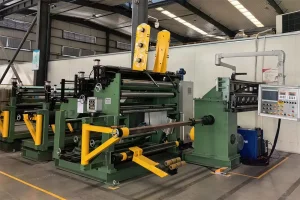
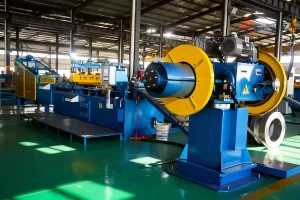
High-speed longitudinal slitting system ensuring precision strip width tolerances and minimal burr edge profile.
Inquiry NowForging Engineering Excellence in Transformer Machinery & Core Stacking Solutions
Wuxi Shuhong Machinery Technology Co., Ltd. stands as a premier global manufacturer specializing in advanced electrical machinery and composite processing lines. Our extensive industry-leading product portfolio spans high-performance silicon steel slitting and cut-to-length lines, amorphous alloy core assembly systems, horizontal and vertical coil winding equipment, dry-type/oil-immersed transformer production installations, and heavy-duty tooling molds.
We deploy state-of-the-art digital control technology to meet the stringent demands of modern power grids. By prioritizing mechanical tolerance controls and eliminating micro-defects during the slitting and winding phases, our machinery empowers transformer factories to deliver units capable of reliably withstanding severe transient overvoltage events, lowering grid losses globally.
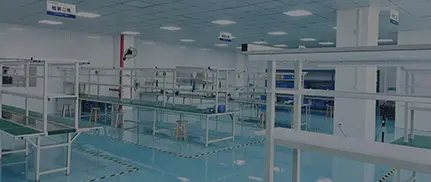
Discover Our FacilityIndustrial performance driven by precision, custom engineering, and transparent global field execution.
Eliminate mid-tier commissions. Receive clear, itemized quotes mapping raw material processing specs directly to baseline assembly configurations.
From custom 3-10 ton load-capacity core turning tables to highly specific multi-layered automated coil winders, we adapt design footprints to your exact shop floor flow.
Deploy specialized electrical and mechanical engineers for overseas commissioning, troubleshooting, routine calibration, and emergency spare-parts provision.
To produce a transformer with maximum impulse voltage resistance, precision is mandatory from the first processing step. The slitting line must maintain a burr height below 0.02 mm. Burrs exceeding this height disrupt the alignment of adjacent laminations, compressing the interlaminar insulation coating. Under system-level overvoltages (like lightning surges), these localized compression points experience high dielectric stresses, initiating micro-arcing and eventual thermal runaway.
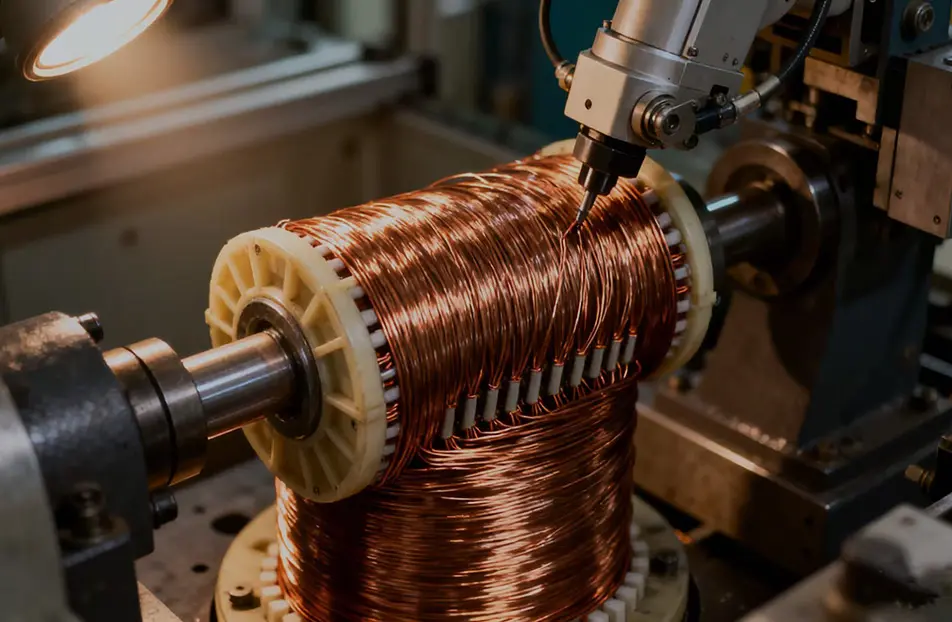
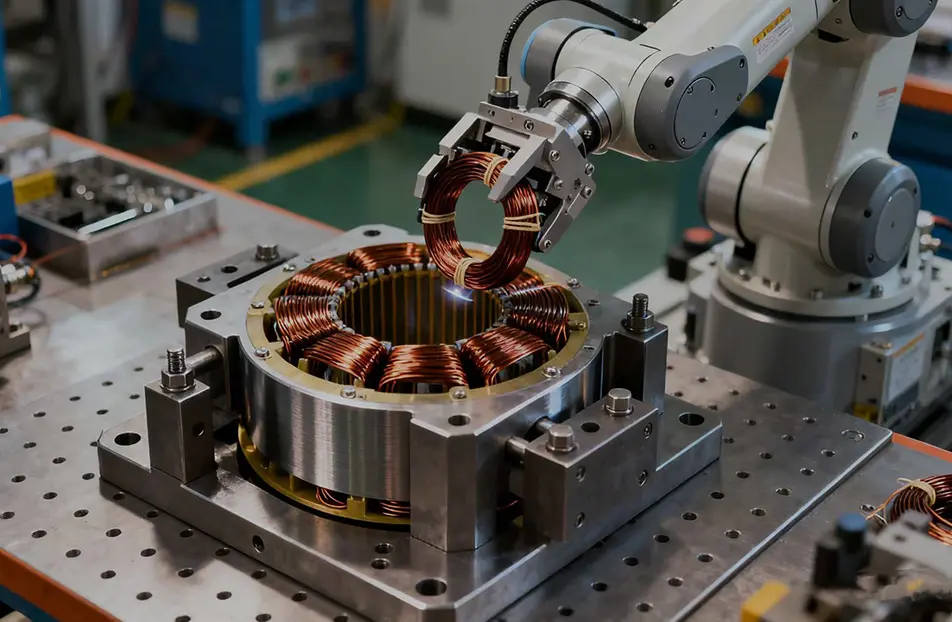
Similarly, the foil winding phase demands precise tension control. The winding machine must apply constant, uniform tension across the copper or aluminum strip. Minor tension drops create internal mechanical slack, resulting in air pockets within the layer insulation. When a switching transient propagates through the winding, these air pockets trigger partial discharge, compromising the transformer's life expectancy. Advanced automatic foil winding machines integrate closed-loop feedback systems that adjust tension dynamically in real-time, eliminating physical defects within the coil structure.
Power transmission configurations vary by region, presenting unique operational challenges. In wind farms off the coast of Northern Europe, transformers are installed inside turbine nacelles or on offshore platforms, where they face constant humidity, saline air, and extreme switching transients from vacuum circuit breakers. To counter these conditions, manufacturers utilize compact dry-type cast resin transformers built on precision winding tables to prevent moisture ingress and mechanical shifting during transportation.
In hot desert regions across the Middle East, solar generating fields require transformers that run continuously at high temperatures while managing fluctuating DC-to-AC inverter inputs. In this environment, overvoltages caused by load rejection can overheat the core. Applying amorphous alloy cores assembled on specialized assembly tables minimizes core losses under high-frequency harmonics, maintaining low operational temperatures even during peak ambient heat conditions.
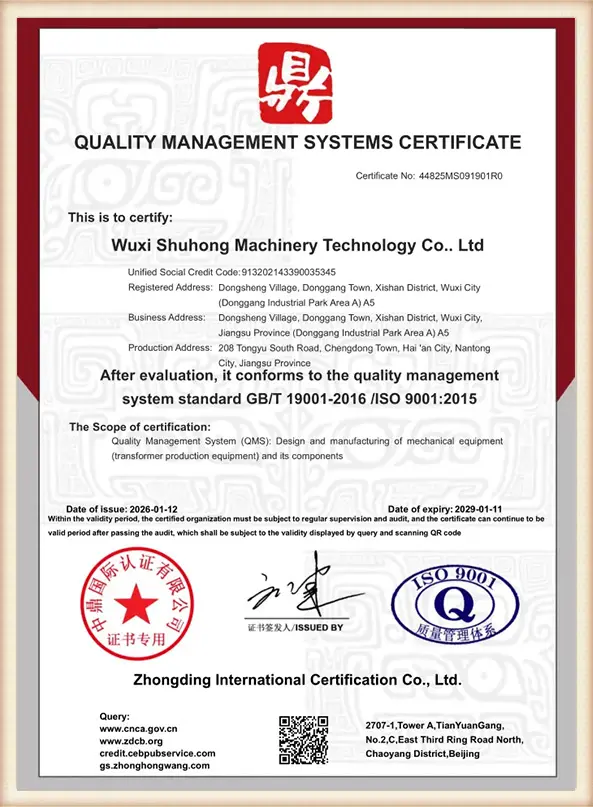
Ensuring compliance with global standard practices for mechanical safety, electrical insulation, and performance validation.
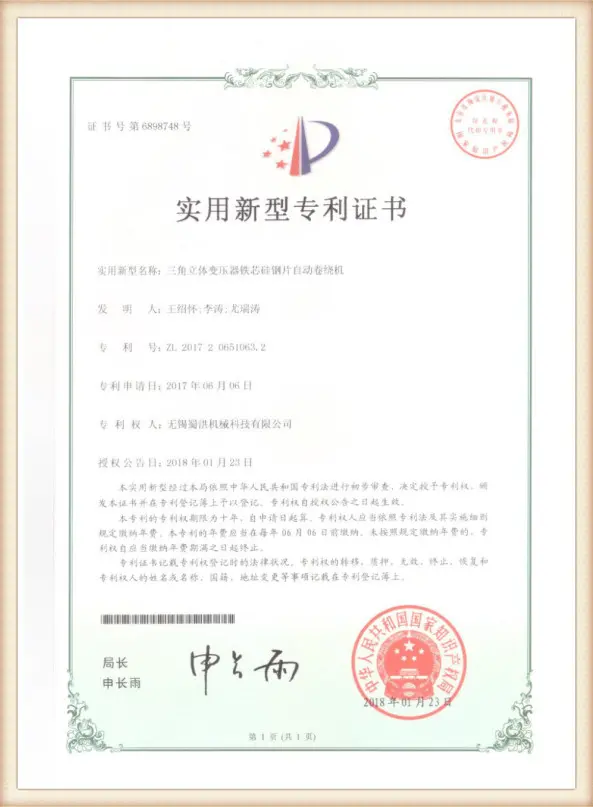
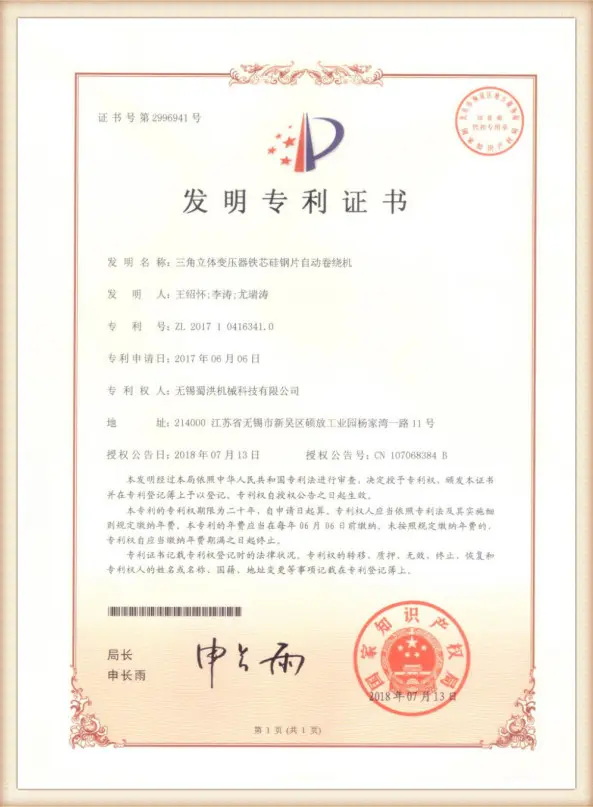
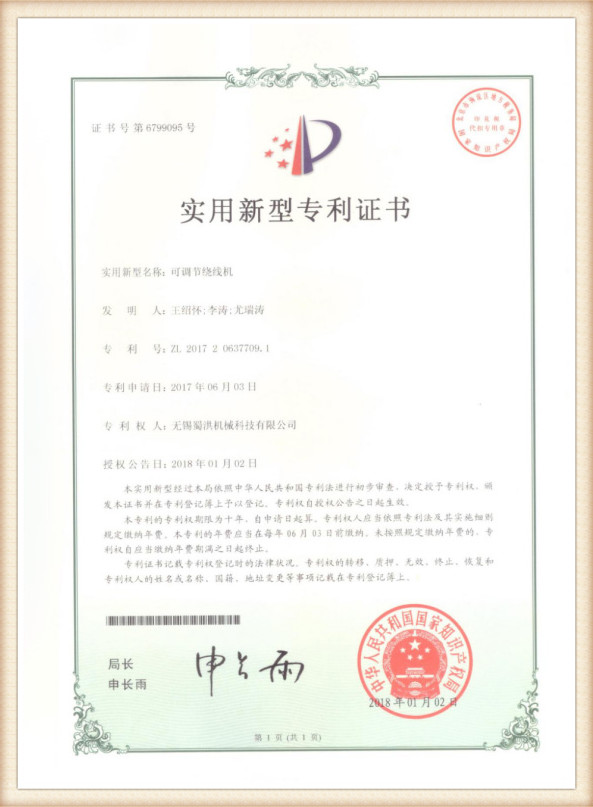
End-to-end production lines that transform raw materials into high-efficiency, surge-resistant power assets.
Explore detailed guides, optimization techniques, and equipment diagnostics from our engineering desk.


Expert answers addressing the physics of core manufacturing and its impact on power grid performance.
Partner with an engineering manufacturer focused on delivering high-precision slitting, stacking, and winding machines that improve transformer reliability and efficiency.
Inquiry Now & Request Custom SpecificationsComplete mechanical systems designed to maintain manufacturing tolerances, reduce core losses, and prevent electrical insulation breakdown.