1 / 2

| Item | Specification |
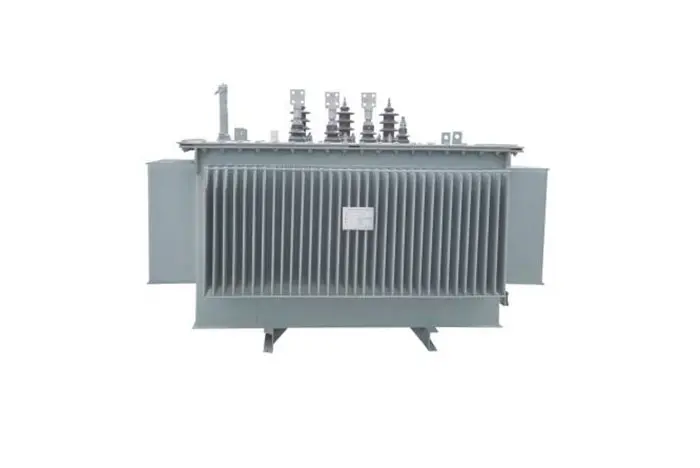
| Product Model | Example: S16-M-100/10 (S=Three-Phase; 16=Amorphous Efficiency Class; 100=kVA; 10=HV kV) |
| Rated Capacity | 30kVA~2500kVA |
| Phase/Frequency | Three-Phase; 50Hz/60Hz (±1% tolerance) |
| Connection Group | Dyn11 (standard) / Yyn0 (optional) |
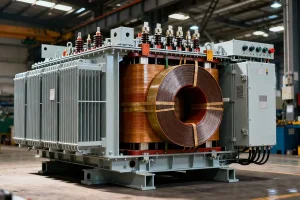
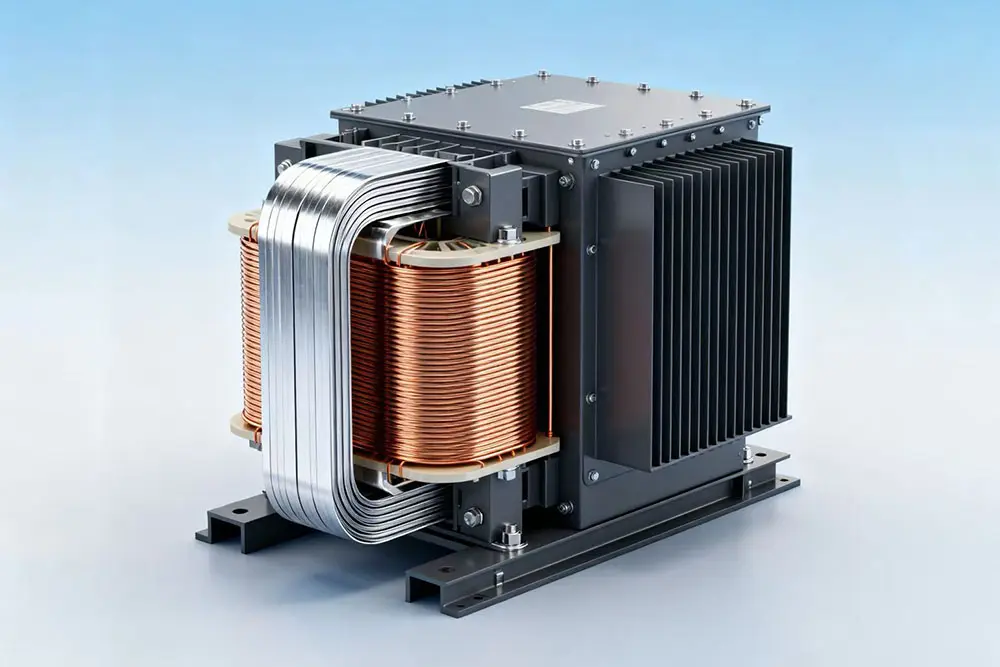
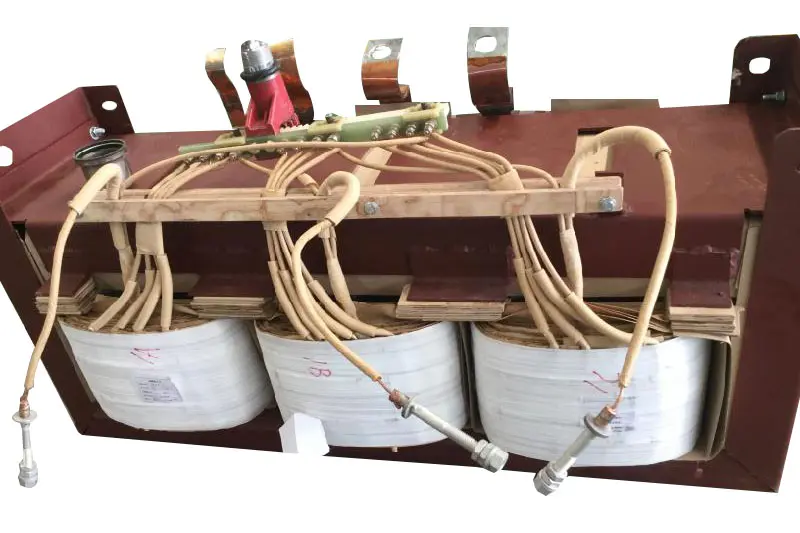
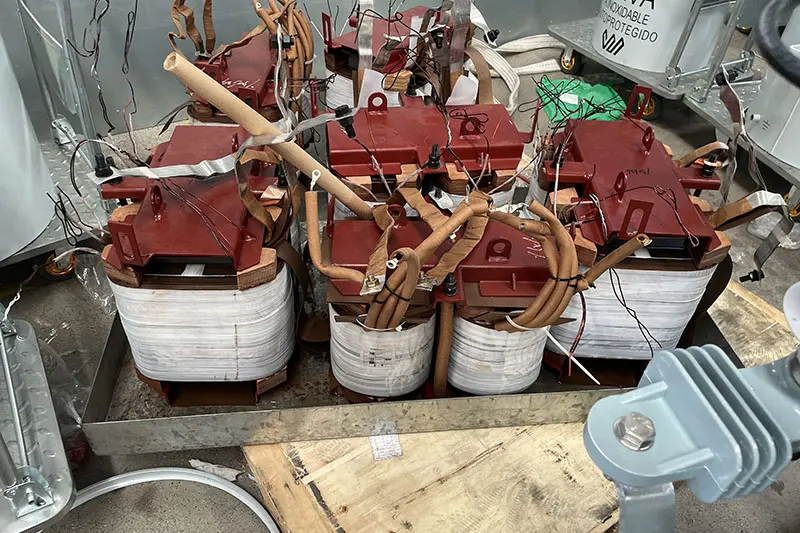
| Core Structure | Three-phase five-limb amorphous core (zero air gap, low magnetic hysteresis) |
| Ambient Temperature | -25℃~40℃ (optional -40℃ with anti-freeze additive) |
| Altitude | ≤1000m (5% derating at 1500m, 10% at 3000m) |
| Humidity | ≤90% @25℃ (no condensation); Protection Class: IP23 (outdoor)/IP20 (indoor) |
| Service Life | 25 years (extended by low core loss and sealed tank) |
| Parameter | Value | Test Condition |
| No-Load Loss (Po) | ≤80W (30% lower than S13) | Rated voltage/frequency |
| Load Loss (Pk) | ≤1120W | Rated current, 75℃ |
| Short-Circuit Impedance (Uk%) | 4%~5% | 75℃, ±10% tolerance |
| No-Load Current (Io%) | ≤0.5% | Rated voltage |
As its most core advantage, the amorphous alloy material has an irregular atomic structure, resulting in much lower hysteresis loss than traditional silicon steel sheet cores. Its no-load loss is 30%–70% lower than that of conventional silicon steel transformers.
Due to the small magnetostriction coefficient of the amorphous alloy core, the transformer operates at a lower noise level (usually 5–10dB lower than traditional products). No additional noise reduction measures are needed.
Amorphous alloy exhibits excellent magnetic permeability, achieving high magnetic flux even under low magnetic field strength. This optimizes the transformer's load loss and improves energy conversion efficiency.
The core material has better heat resistance and mechanical strength, enabling it to withstand current surges exceeding the rated load for a short time. This prevents component aging or failures caused by overload.
Design life of over 20 years. Low-loss operation directly reduces carbon emissions; additionally, the amorphous alloy material is recyclable, complying with "green power grid" requirements.
Preferred equipment for distribution networks, especially for: