
Wholesale Lightweight Heat Sink for Small-Size Electronics - High-Efficiency China Suppliers & Factory Solutions Factories, Products

Introducing our high-efficiency heat sink, expertly crafted from premium aluminum-copper composite to deliver exceptional thermal conductivity. This innovative design rapidly dissipates heat, making it ideal for a variety of electronics applications, including desktop PC CPUs/GPUs, industrial inverters, and LED lighting fixtures. Our heat sink is available in both passive (fan-free) and active (equipped with a 120mm quiet fan) options, catering to different cooling requirements, Designed for compactness and lightweight performance, this heat sink optimizes space, while its robust high-temperature resistance ensures long-lasting durability. As a leading supplier and factory in China, we are dedicated to providing PC builders, industrial equipment manufacturers, and LED suppliers with a cooling solution that perfectly balances strong performance, low noise operation, and reliability. Trust our products to meet your diverse cooling needs today

Product Description

Product Advantages
🌡️ Efficient Heat Dissipation

Made of high thermal-conductivity materials (aluminum: ≥200 W/m·K; copper: ≥400 W/m·K), they quickly transfer heat from components (e.g., CPUs, IGBTs). Optimized structures (fins, microchannels) boost heat exchange, while passive models handle 30–65W loads and active (fan-equipped) ones support ≥100W with low thermal resistance (down to 0.3 K/W).

🛡️ High Reliability & Long Life

Passive heat sinks have no moving parts, avoiding wear and needing little maintenance (service life ≥10 years). Active models use durable PWM fans (MTBF ≥50,000 hours) and tolerate extreme conditions (-40°C to +125°C, vibration, dust) without performance drops.

🔇 Low Noise

Passive designs produce 0 dB noise, ideal for quiet spaces (e.g., bedrooms). Active ones adjust fan speed via PWM: 30–40 dBA at low loads (web browsing) and only ramp up when needed.

💰 Cost-Effectiveness

Aluminum heat sinks use low-cost extrusion; copper-aluminum composites cut material costs. No coolant refills or frequent part replacements reduce long-term TCO (30–50% lower than liquid cooling over 5 years).

🔧 Flexible Installation

Available in sizes from 50×50×15mm (IoT modules) to 300×200×80mm (industrial units). Compatible with screws, adhesive, or standard sockets (e.g., Intel LGA1700), fitting diverse device designs.

♻️ Eco-Friendliness

Aluminum (95% recyclable) and copper (100% recyclable) reduce waste; many use 5–10% post-consumer recycled material. Meets RoHS/REACH standards, with low CO₂ emissions during production.
Product Display
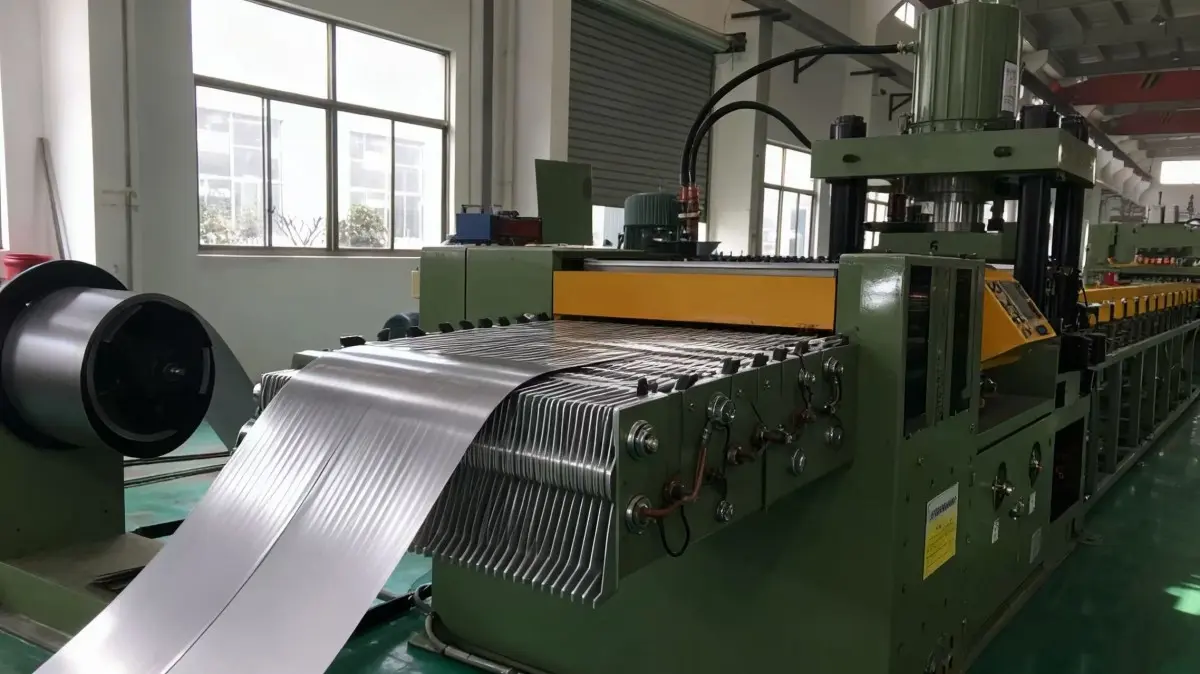
Heat Sink Detail 1
Heat Sink Detail 2
Heat Sink Detail 3
Industrial Applications
Heat sinks are widely used in consumer electronics, industrial control, automotive, new energy, telecoms, and medical fields to cool heat-generating components and equipment — preventing overheating-related performance issues or damage.
01 Consumer Electronics
📌 Needs: Small size, low noise, and fit for compact spaces (handles 30–150W heat loads).

PCs & Laptops: Passive aluminum heat sinks cool low-power CPUs (35–65W, e.g., Intel Core, AMD Ryzen). Active heat sinks (with PWM fans) work for high-performance GPUs (100–150W, e.g., NVIDIA GeForce) to keep gaming stable. Laptops use ultra-slim heat sinks (≤15mm thick) with micro-fins/heat pipes to avoid bulk.

Gaming Consoles & Smart Devices: Consoles (e.g., PS5, Xbox Series X) use large aluminum heat sinks + centrifugal fans for 150–200W APUs. Phones/tablets use tiny copper heat sinks or graphite sheets to cool high-power SoCs (e.g., Snapdragon 8 Gen 4) during 5G use or gaming.

02 Industrial Control
📌 Needs: Tolerate harsh conditions (wide temps: -40°C to +85°C, vibration, dust) and long reliability.

Industrial Controllers (PLCs/DCS): Passive aluminum-copper heat sinks cool power modules (e.g., IGBTs) and microchips — no moving parts reduce maintenance, and corrosion-resistant coatings handle dusty environments.
Frequently Asked Questions
Q1: What is the difference between a passive and an active heat sink?
A passive heat sink relies solely on natural convection and conduction to dissipate heat — it has no moving parts, produces zero noise, and requires virtually no maintenance. An active heat sink incorporates a fan or blower to force airflow over the fins, enabling it to handle significantly higher thermal loads (≥100W).
Q2: Which material is better for a heat sink — aluminum or copper?
Copper offers superior thermal conductivity (≥400 W/m·K) making it more efficient at transferring heat. However, aluminum is significantly lighter and more cost-effective, making it the preferred choice for most consumer applications. Composite designs are often used to balance performance and cost.
Q3: How do I choose the right heat sink size for my application?
Choosing the correct heat sink depends on the thermal design power (TDP) of your component, available space, and ambient operating temperature. You must match the heat sink's rated thermal resistance (K/W) to your component's maximum allowable junction temperature.
Q4: Are heat sinks compatible with standard CPU sockets?
Yes. Most heat sinks are designed to be compatible with widely used processor sockets such as Intel LGA1700 and AMD AM5. They can also be attached using thermal adhesive tape or screws for custom or non-standard applications.
Q5: How long do heat sinks typically last, and do they require maintenance?
Passive heat sinks can last well over 10 years with minimal maintenance. Active heat sinks with PWM fans are rated for an MTBF of ≥50,000 hours. Periodic cleaning to remove dust buildup from fins is recommended to maintain optimal thermal performance.
Q6: Are heat sinks environmentally friendly?
Yes. Aluminum and copper are highly recyclable (95-100%), significantly reducing environmental waste. Most products comply with RoHS and REACH standards and have lower carbon footprints compared to complex liquid cooling systems.

Related Products