
High-precision equipment engineered for global industrial standards.
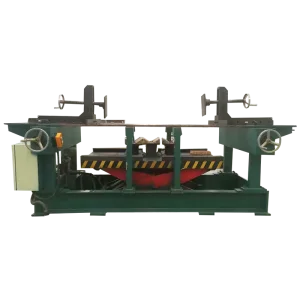
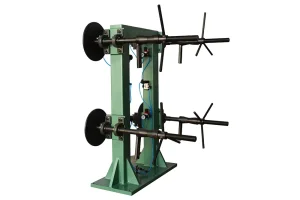
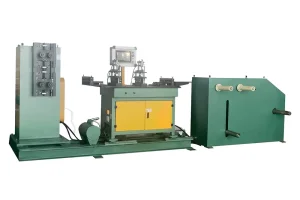
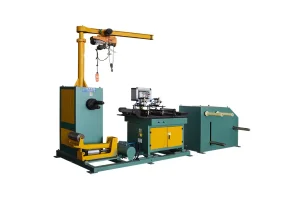
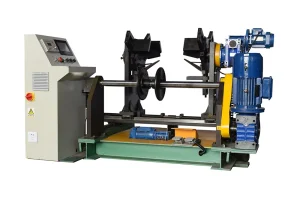
In the high-stakes world of electromagnetic component manufacturing, the winding tensioner is not merely a peripheral accessory—it is the heartbeat of quality control. As global industries pivot towards electrification, the demand for high-efficiency transformers, electric vehicle (EV) motors, and precision sensors has skyrocketed. This surge has placed a magnifying glass on the technical capabilities of winding tensioners, particularly those originating from leading Chinese manufacturing hubs.
A winding tensioner's primary role is to maintain constant, stable wire tension during the high-speed winding process. Any fluctuation in tension can lead to variations in coil resistance, insulation damage, or structural failure of the electromagnetic core. In the context of Amorphous Alloy Cores and 3D Wound Cores, precision tensioning is the difference between a high-efficiency power solution and a defective unit that leaks energy.
The global winding tensioner market is currently undergoing a transition from mechanical/magnetic tensioning to active electronic servo control. This shift is driven by the need for real-time data feedback and the ability to handle ultra-fine or fragile wires used in medical and aerospace electronics.
Electric vehicle propulsion systems require high-density windings. Modern tensioners must now handle square wire and flat copper ribbon with zero tolerance for surface scratching, a requirement that has redefined "industrial-grade" standards for manufacturers.
Winding tensioners are no longer isolated units. Through IoT protocols, they now communicate directly with PLC systems to provide tension curves, enabling predictive maintenance and 100% traceability in smart factories.
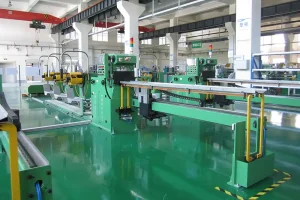
China has evolved from a volume-based manufacturer to a global leader in high-precision winding technology. Factories like Wuxi Shuhong Machinery Technology Co., Ltd. represent this shift, offering integrated solutions that span the entire industrial chain—from silicon steel slitting to final transformer assembly.
Reduction in Wire Waste via Active Tensioning
Tension Accuracy in High-End Electronic Models
Automated Operation Capabilities
Faster Setup Time for Multi-Spindle Winding
How winding tensioners solve real-world engineering challenges across sectors.
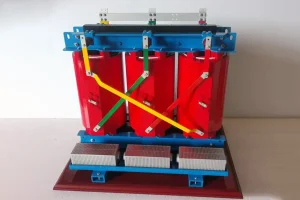
In the manufacture of Dry-Type Transformers and Oil-Immersed Transformers, high-voltage tension pay-off stands ensure that the insulation paper and copper foil are layered with absolute uniformity. This prevents internal partial discharge and extends the lifespan of the grid infrastructure.
For R-Type planar wound cores used in high-frequency audio or medical equipment, tensioners must handle wire diameters as thin as 0.02mm. Chinese manufacturers have developed magnetic damping systems that eliminate wire oscillation, ensuring a perfect "layer-wind" every time.
Wind and solar inverters rely on specialized inductors. The transition to 3D triangular rolled cores requires tensioners that can adapt to non-linear winding paths, a feat achieved by modern servo-driven tensioning systems integrated into 3D winding machines.
The next generation of winding tensioners will utilize AI-driven tension compensation. By using ultrasonic sensors to measure wire vibration and AI algorithms to predict tension spikes before they happen, machines can adjust braking force in microseconds.
Energy-efficient production is no longer optional. Modern tensioners are being designed with regenerative braking, where the energy generated during wire deceleration is fed back into the machine's power system, reducing the overall carbon footprint of the factory.
Manufacturers are now providing digital twin models of their tensioners. This allows global engineers to simulate the entire winding process in a virtual environment before a single meter of wire is used, significantly reducing material waste during the commissioning phase.
Expert insights into winding tensioner procurement and operation.
Magnetic tensioners use magnetic force (permanent or electromagnetic) to create friction, which is cost-effective for medium tension needs. Servo tensioners use a motor to actively feed and control wire tension, offering much higher precision, data feedback, and the ability to wind at variable speeds without tension fluctuation.
In terms of core technology, top-tier Chinese tensioners now match European standards for accuracy and reliability. The primary advantage of Chinese units is the integration with local software ecosystems and the significantly lower lead times for custom-engineered parts.
Yes. Specialized tensioners for foil and wire all-in-one machines are designed specifically for the higher torque and surface protection required by flat and square conductors used in high-power transformers.
Key maintenance includes regular cleaning of the ceramic eyelets and tension pulleys to prevent dust buildup, checking the tension spring calibration, and updating the control software to ensure optimal communication with the main winding machine.
From core production to final transformer testing, we provide the full chain.
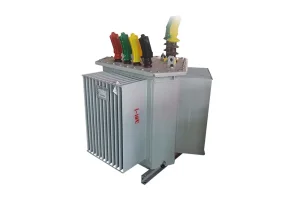
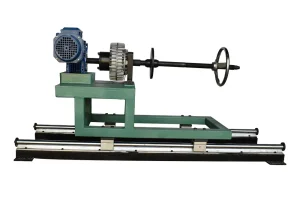
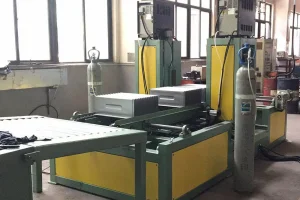
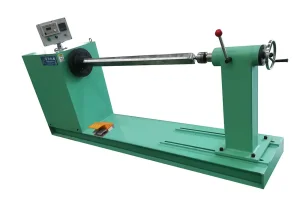
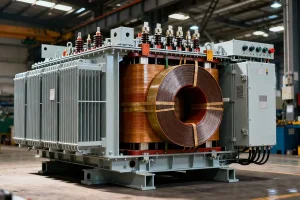
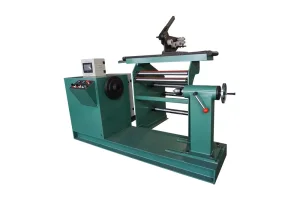
Wuxi Shuhong Machinery Technology Co., Ltd. is a manufacturer for electrical machinery and aluminium-plastic panel manufacturing machinery. Main products for the electrical machinery are: silicon steel, iron core production line, amorphous iron core production lines, dry-type oil-immersed coil equipment, transformer oil tank production lines, tooling equipment and molds.
Aluminium-plastic panel manufacturing machinery: aluminum-plastic composite plate production lines, color coating steel plate and color coating aluminum plate production lines.