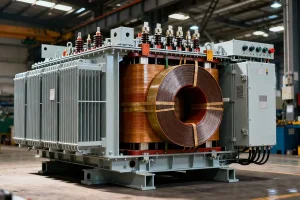
High Voltage (HV) to Low Voltage (LV) transformers serve as the foundational cornerstone of modern power distribution grids, industrial automation infrastructure, and commercial electrical facilities. In modern electrical grids, electrical energy is transmitted at exceptionally high voltages (typically from 10kV up to 35kV or higher for distribution grids) to minimize I²R copper losses over long distances. However, standard end-user machines, manufacturing complexes, and local commercial zones require secure, stabilized low voltage levels—typically ranging from 120V to 690V. The conversion mechanism is a complex step-down electromagnetic induction process that requires supreme dimensional stability, thermal endurance, and galvanic isolation.
By utilizing high-grade electromagnetic steel cores and highly precise windings, customized step-down systems provide seamless power transition. Achieving zero leakage and optimal power efficiency requires rigorous engineering design. From calculating vector groups (such as Dyn11 or Yyn0) to determining short-circuit impedance matching and designing proper thermal dissipation channels, every element is key to ensuring grid stability and protecting downstream equipment from electrical hazards.


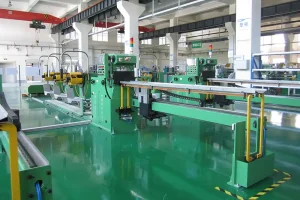
The overall performance and efficiency profile of an HV to LV transformer are largely dictated by its magnetic core structure. Modern engineering uses two primary core materials: high-permeability cold-rolled grain-oriented (CRGO) silicon steel sheets and amorphous alloy foils. Silicon steel structures, especially when sliced by high-precision CNC cross-cutting and longitudinal slitting lines, achieve a neat grain orientation that minimizes hysteresis losses.
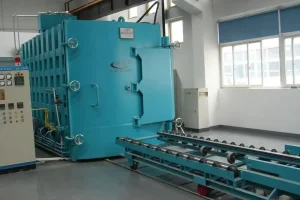
Amorphous alloy materials offer an ultra-low no-load loss profile, reducing energy dissipation by up to 70% to 80% compared to traditional silicon steel. Using advanced vacuum annealing furnaces for metal and silicon steel relieves internal mechanical stress, allowing the core to reach its peak magnetic permeability. Additionally, the integration of 3D triangular rolled cores eliminates structural gaps at corner joints, reducing both magnetic noise and stray flux leakages.
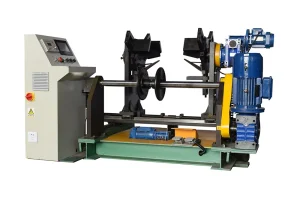
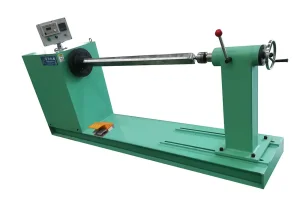
Coil windings are the thermal and electrical heart of any step-down transformer. Given the high magnetic forces generated during transient grid short-circuits, winding structures must maintain high mechanical stability. Custom manufacturers use specialized vertical winding machines for heavy-duty distribution transformers, ensuring uniform tension and tight dimensional tolerances throughout the winding process.
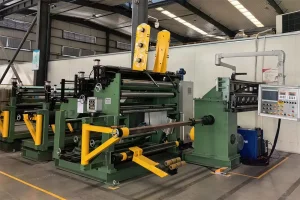
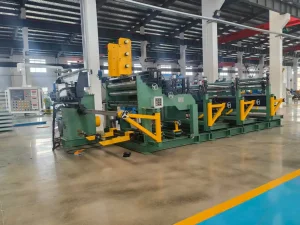
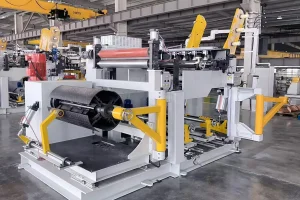
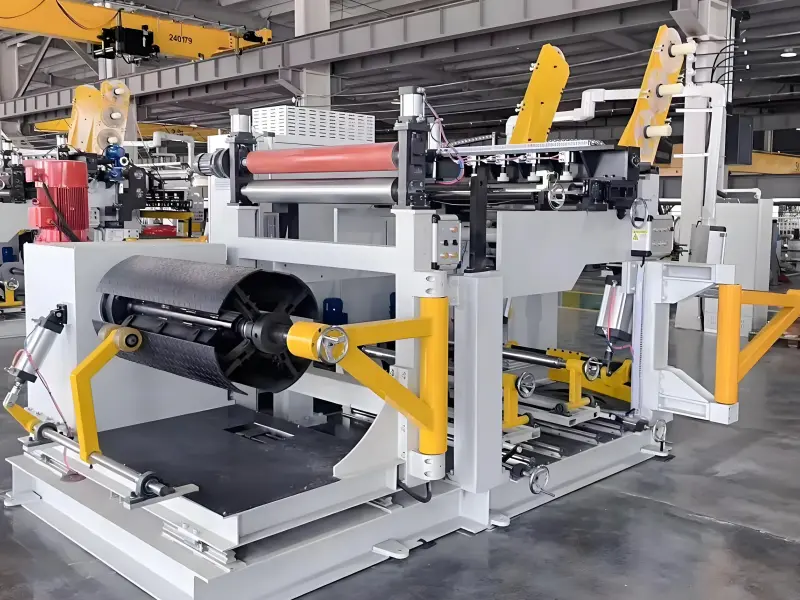
For low-voltage, high-current secondary coils, double-layer and three-layer foil winding machines replace traditional wire winding. Foil winding optimizes the current distribution across the coil cross-section, reducing eddy current losses and keeping the hot-spot temperature low. By wrapping insulation film concurrently with the metal conductor foil, these machines eliminate localized voltage stress spikes, making dry-type and oil-immersed transformers exceptionally robust against insulation breakdowns.


Sourcing high-voltage to low-voltage equipment from specialized Chinese hubs like Wuxi provides key supply chain advantages. The Wuxi cluster benefits from direct access to premium raw materials (such as raw electrical steel and high-purity electrolytic copper) alongside specialized, automated machinery. This vertical integration covers every stage of production—from silicon steel cutting and core annealing to automated coil winding, corrugated tank laser welding, and high-voltage impulse testing.
With full control over both raw materials and production machinery, Chinese manufacturers like Wuxi Shuhong Machinery can offer high engineering quality and precise customization at competitive prices. Every component, including the cooling radiator panels and corrugated tanks, is fabricated and tested on-site to minimize lead times and avoid secondary integration issues.

Essential workbench for stacking, rotating, and erecting large transformer silicon steel cores safely without mechanical stress warping.

Custom-engineered assembly fixtures designed to support fragile amorphous alloy core sheets during active part insertion.

High-speed, micron-precision shearing of silicon steel laminate steps to ensure minimum air gap reluctance.
Automated winding system to wrap continuous core loops, forming three-dimensional triangular structures.

Specifically optimized for R-type and planar transformers requiring compact, ultra-precise winding tension control.

Protective atmosphere heating and cooling cycles to restore electromagnetic alignment of cold-rolled alloy materials.

Ultra-fine shearing line configured specifically to handle brittle, micro-thin amorphous metal ribbon feedstocks.

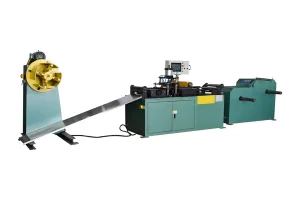
Heavy-duty longitudinal slitting lines for converting master raw silicon steel rolls into custom strip widths.

Simultaneously feeds three conductor sheets plus interleaving insulation layer for large high-power copper and aluminum coils.

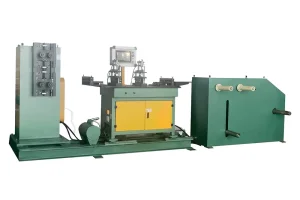
Advanced double foil reel system, designed for low-voltage secondary coils with integrated edge-trimming.

Configured with high-sensitivity tensioners and precise pneumatic alignment control for smaller industrial distribution coils.
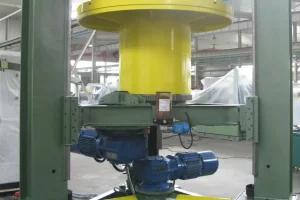
Allows operators to assemble heavy coils on a vertical plane to prevent core collapsing under gravity weight.

Hybrid winding system capable of running continuous wire layers and foil layers on the same core mandrel.

Assures continuous back-tension on structural wire spools, avoiding dangerous wire loops and winding slippage.

Delivers constant feed control for thick, high-current secondary winding wires.

Automated traverse guide mechanism for layering round and rectangular copper wires with high precision.

Specialized tooling to assemble thermal transfer fins and micro-cooling assemblies for accessory control cabinets.
Cold-forming hydraulic press that folds steel strips into high-strength corrugated tank walls for oil-immersed units.

Automated dual-torch welding system to seal corrugated cooling fins into rigid, leak-proof fuel tanks.

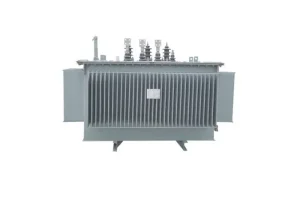
Designed to operate in harsh environment scenarios. Uses high-grade dielectric oil for insulation and thermal convection.

Ultra-low core loss step-down system. Reduces constant grid idle losses in public utilities and solar systems.
Compact configuration featuring flat planar windings, minimizing total height for localized installations.

Heavy industrial standard step-down transformer utilizing 45-degree miter joints for reduced noise.

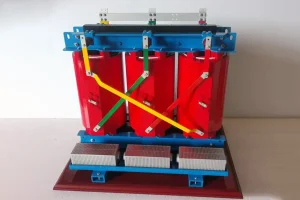
Safe, self-extinguishing epoxy cast-resin step-down unit designed for indoor environments and commercial facilities.

Highly balanced 3-phase magnetic paths. Features a reduced footprint, low noise, and high harmonic stability.
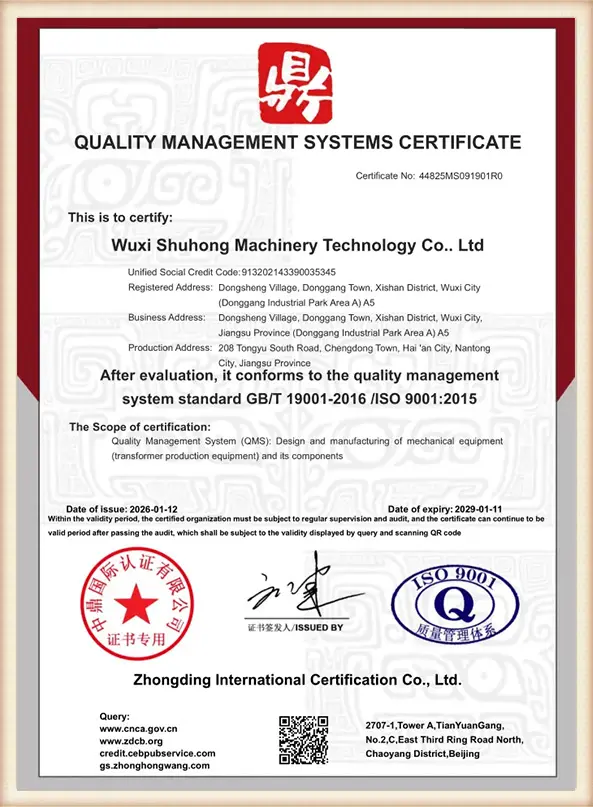
Wuxi Shuhong Machinery Technology Co., Ltd. is a leading manufacturer specializing in industrial electrical machinery and aluminum-plastic panel production lines. Wuxi Shuhong is dedicated to vertical integration, engineering complete machinery lines for transformer core processing, foil winding, and vacuum heat treatment, alongside building distribution transformers.
Our specialized product portfolio for electrical machinery includes high-efficiency silicon steel sheet cutting lines, amorphous core production lines, dry-type and oil-immersed coil winding systems, corrugated oil tank forming and welding stations, and precision tooling equipment. Additionally, Wuxi Shuhong designs production lines for aluminum-composite panels and color-coated steel/aluminum coils. Supported by direct factory engineering and a dedicated support team, Wuxi Shuhong delivers reliable and optimized solutions for global power developers and industrial manufacturers.
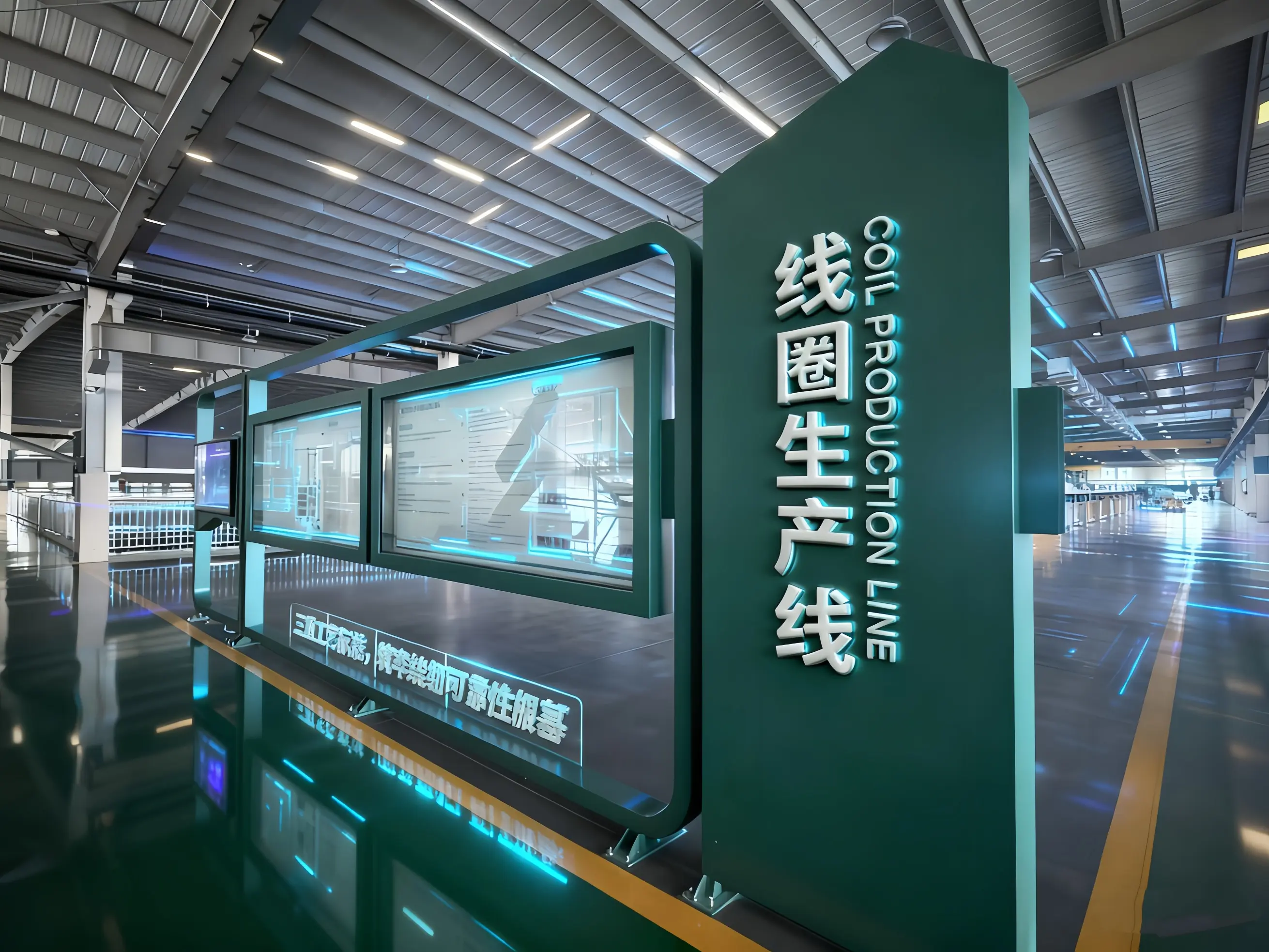

Direct-to-client manufacturing guarantees transparent pricing, clear and detailed quotations, and zero hidden markup costs.
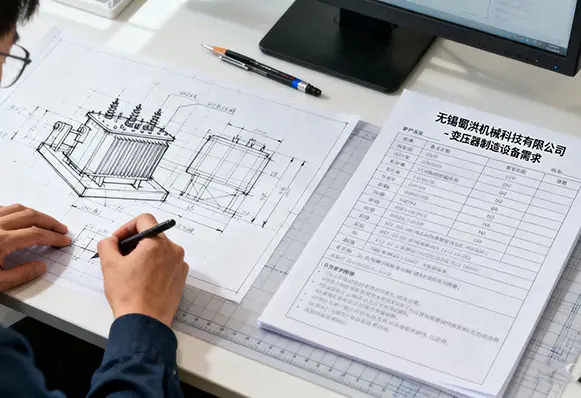
Tailored core design parameters, specific winding materials, and enclosure options match your exact local electrical parameters.
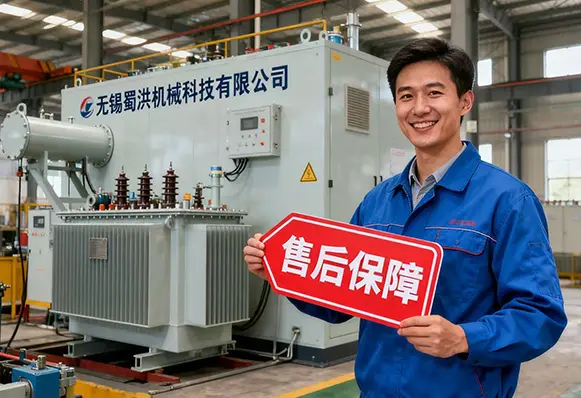
From machinery installation and training to component replacements and site commissioning, we offer complete support.

Technical support engineers are available online to answer requests, resolve electrical challenges, and minimize downtime.
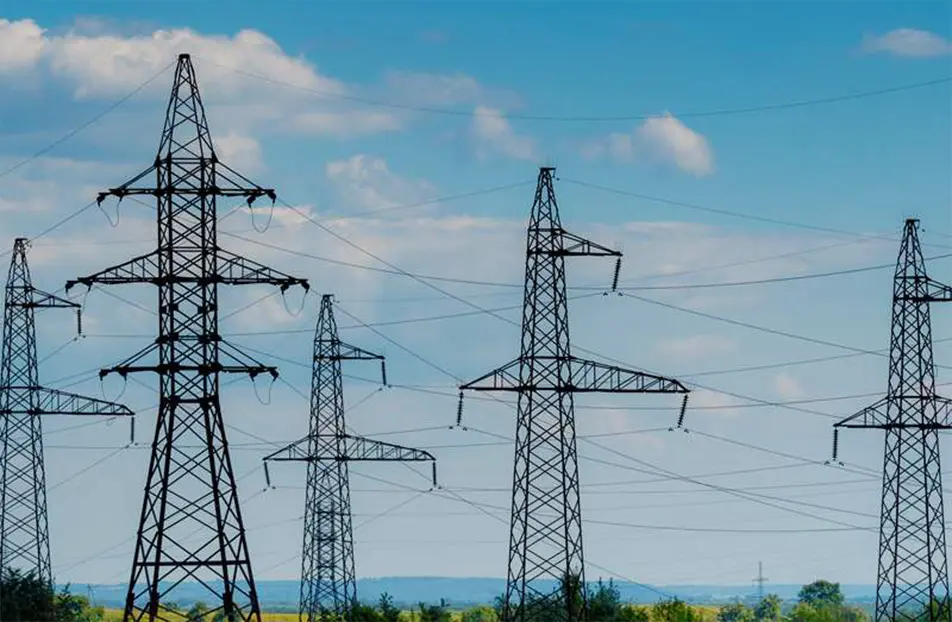
Delivering safe, step-down voltage conversions for public grid distribution systems, wind turbine connections, and local substations.
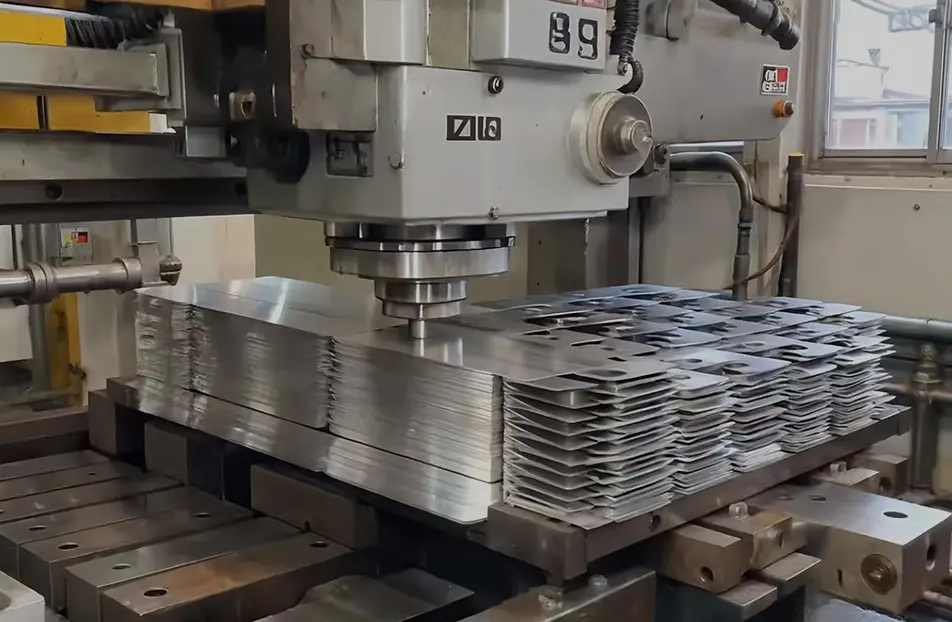
Automated, high-precision slitting and shearing of magnetic alloys to ensure low no-load loss across transformer cores.
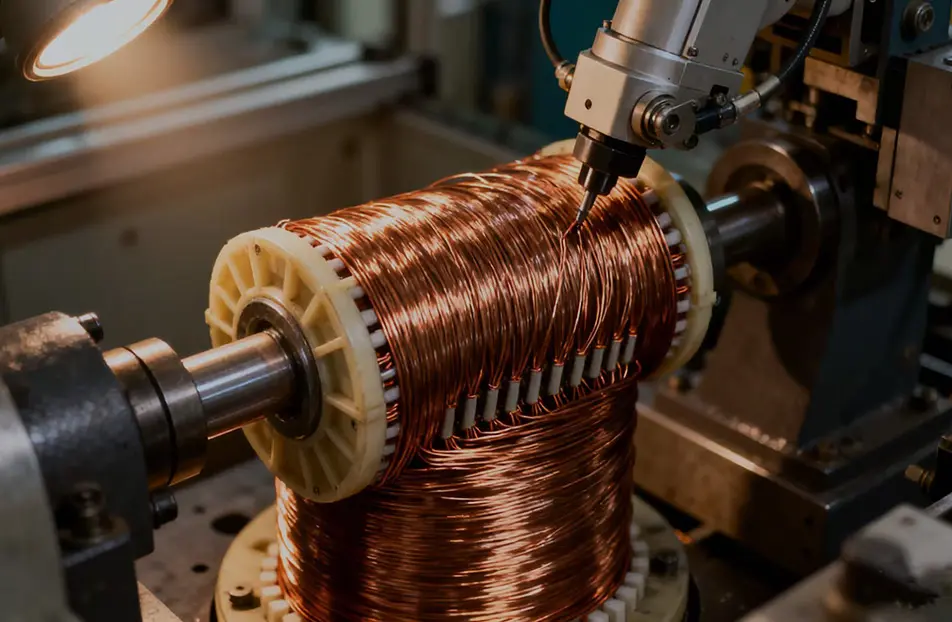
Leveraging digital tension controls and foil layering to wind high-performance electrical coils with minimal stress points.
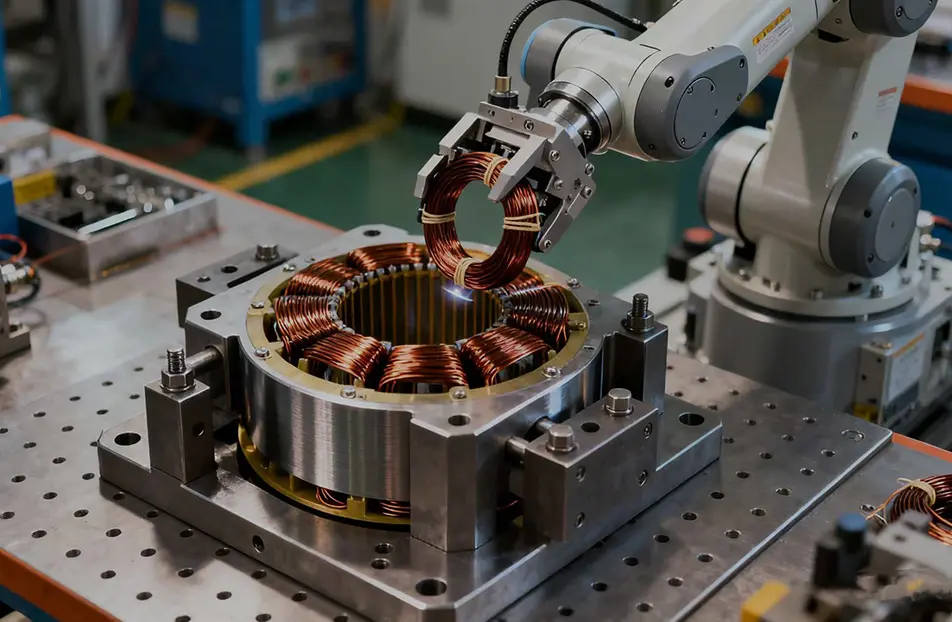
Using heavy-duty assembly tables to align core legs, yokes, and active coil windings without introducing mechanical stress.
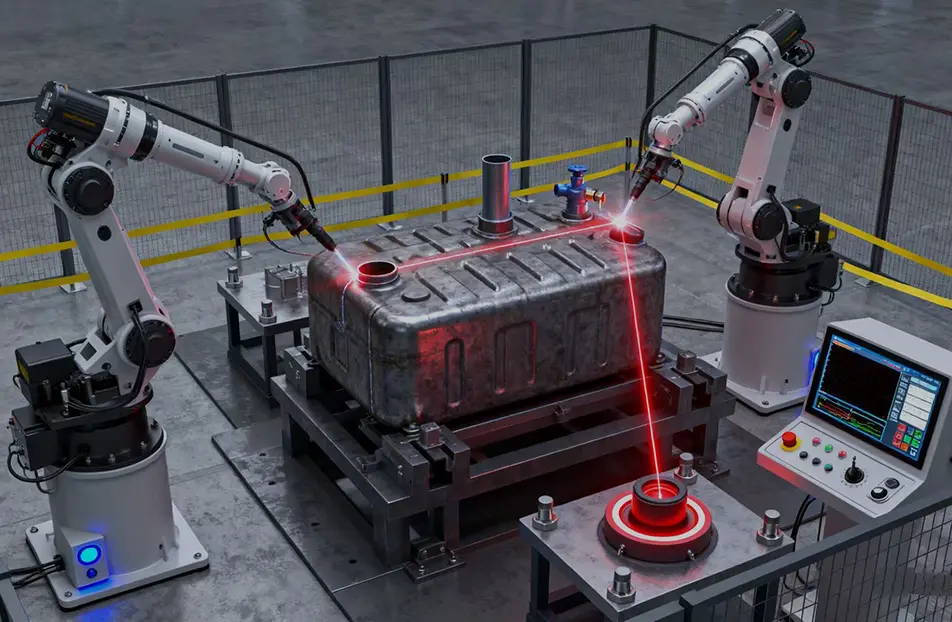
Laser-sealing corrugated heat dissipating fins to form leak-proof, pressure-tight oil cooling enclosures.
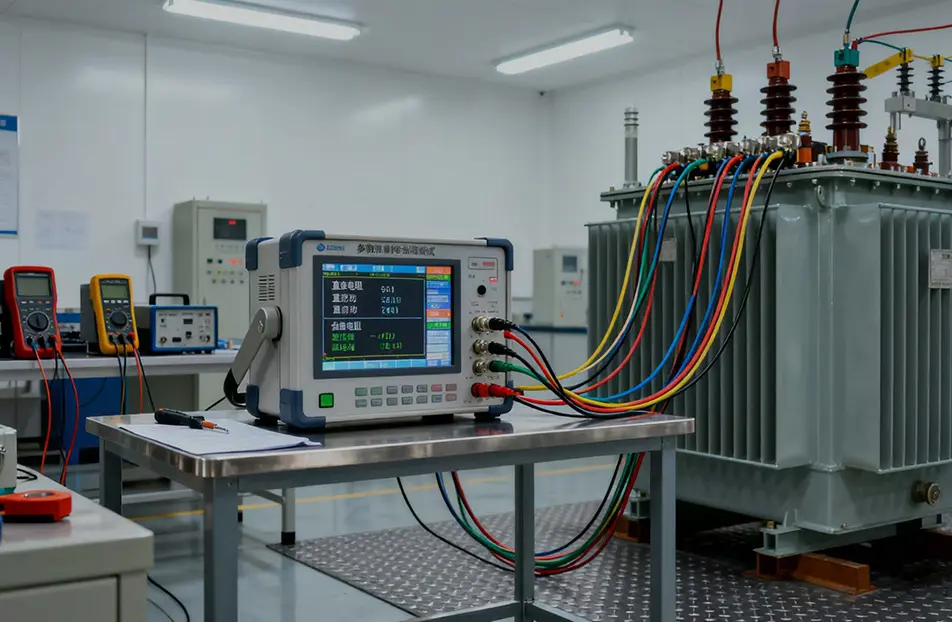
Subjecting final step-down units to impulse testing, insulation resistance, and heating run evaluations prior to shipment.
Evaluating dynamic closed-loop feedback systems that adjust payload drag in real-time, preventing stretching and insulation micro-fractures in copper windings.
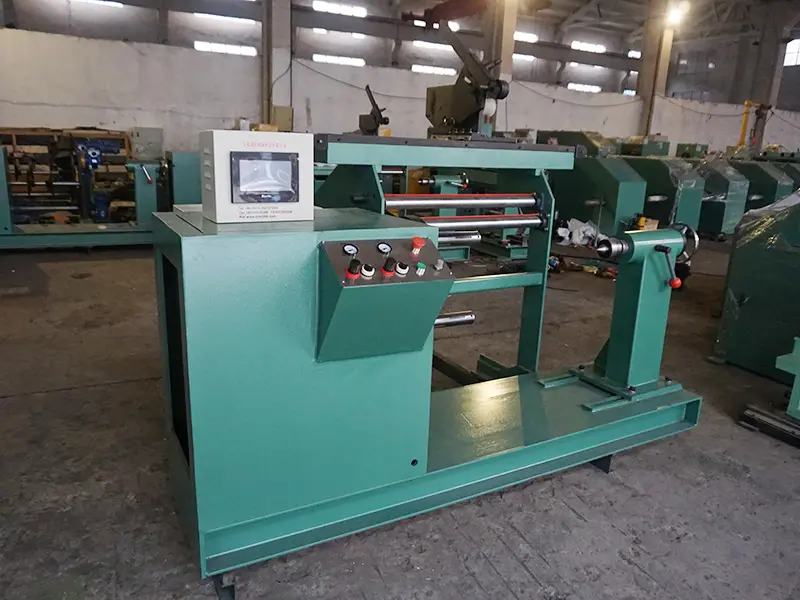
From long-term communication and cooperation with global coil manufacturers, we examine methods to prevent jumping, crossover defects, and loose layer wrapping.
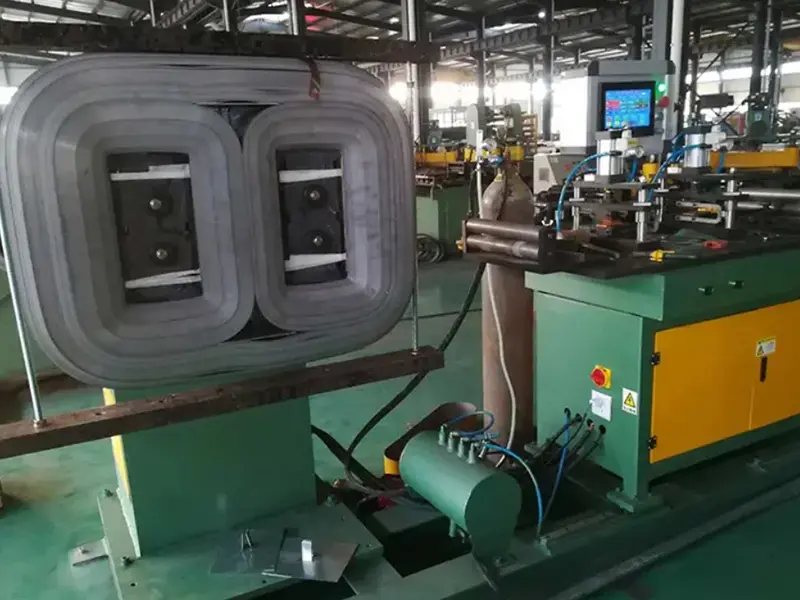
More and more motor and transformer manufacturers are upgrading to smart factories. Explore how data networks link winding stats directly to scheduling software.
We discuss coil geometries (oval, rectangular, cylindrical) with transformer manufacturers every month. Learn how modular mandrel configurations support varied profiles on a single winding machine.
Whether you are planning a utility substation upgrade, specifying a custom dry-type transformer, or setting up an in-house core and coil winding line, our engineers can assist with your technical requirements.
Inquiry Now