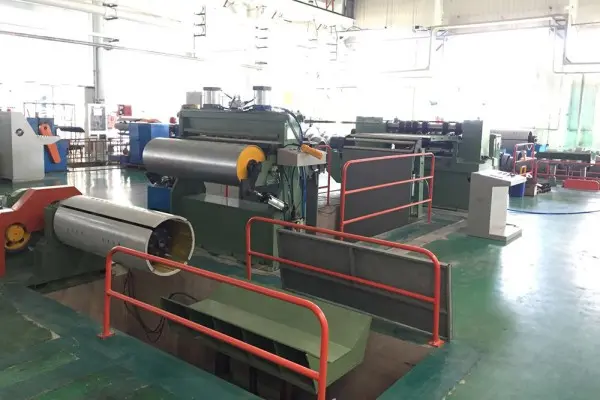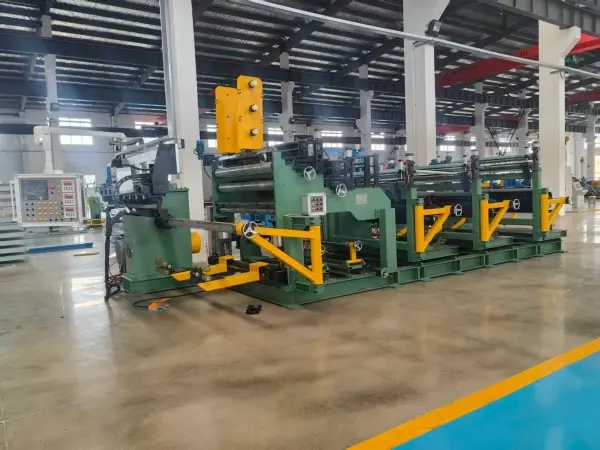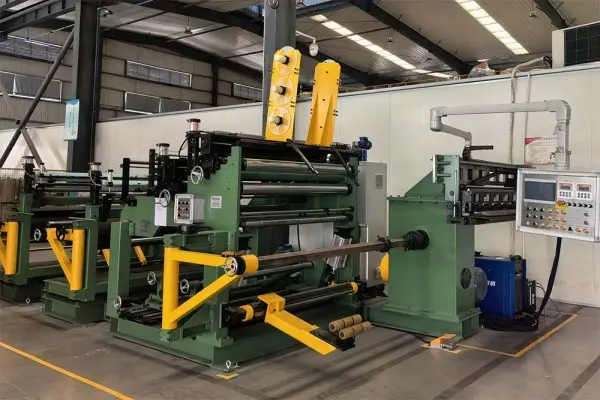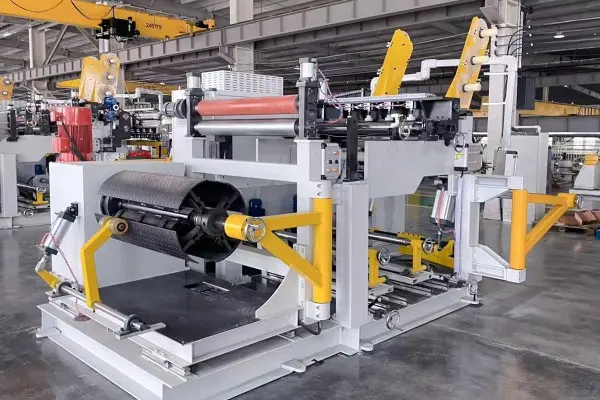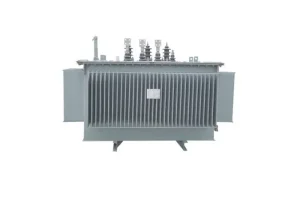
Discount Losses In Transformers Factory & Product

Pioneering High-Efficiency Energy Transfer & Precision Manufacturing Technologies for the Global Smart Grid Evolution

Premium HardwareFeatured Core Machinery & Winding Systems

Direct-from-factory solutions engineered to minimize iron core and copper losses during transformer fabrication.
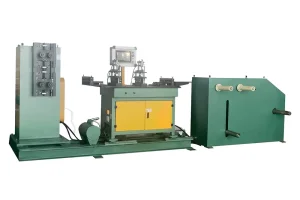
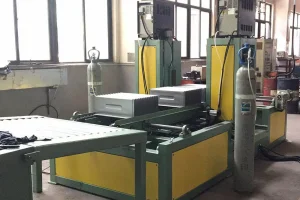
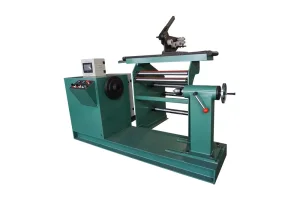
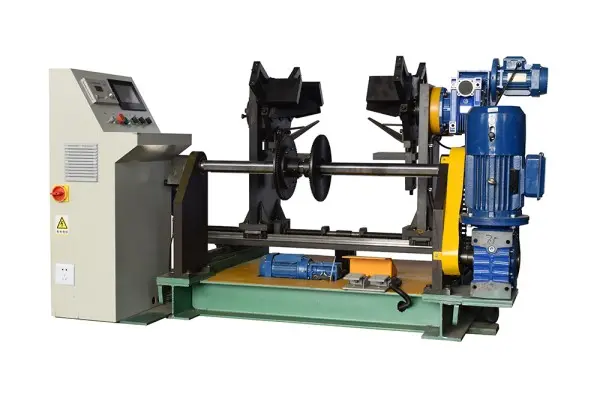
Automatic Winding Machine for R-Type Cores

Discount Automatic Winding Machine for R-Type Planar Wound Cores

View Technical Details
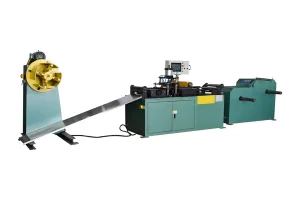
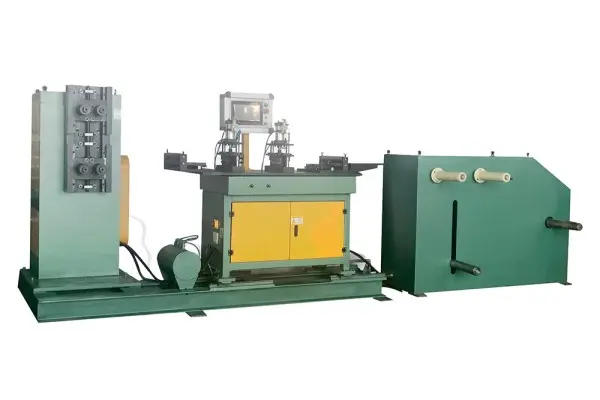
High Precision Automatic Corrugated Sheet Welding Machine

High Precision Automatic Corrugated Sheet Welding Machine

View Technical Details
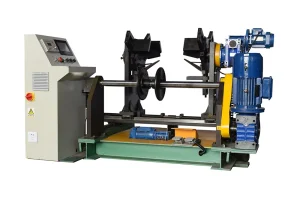
Wholesale High-Voltage Auto Wire Arranger-Winder

Wholesale High-Voltage Auto Wire Arranger-Winder (Precision Servo)

View Technical Details
3D Wound Core Winding Machine

China 3D Wound Core Winding Machine for Transformer Manufacturing

View Technical Details
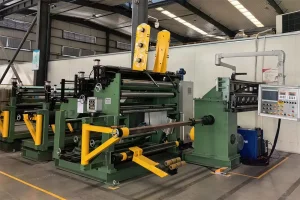
High-Efficiency Foil and Wire All-in-One Machine

Custom High-Efficiency Foil and Wire All-in-One Machine

View Technical Details
3D Wound Core Curve Cutting Machine

China 3D Wound Core Curve Cutting Machine for Transformer

View Technical Details
Double-layer Foil Winding Machine

China Efficient Double-layer Foil Winding Machine Manufacturers

View Technical Details
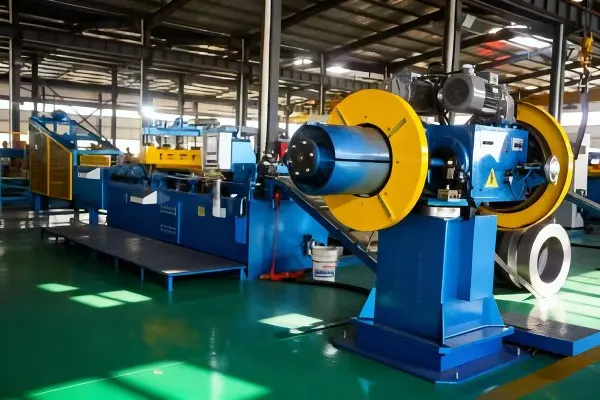
High Voltage Tension Pay-off Stand

Wholesale High Voltage Tension Pay-off Stand for Power Cables

View Technical Details

The Physics and Engineering of Transformer Losses: An In-Depth Look

In power distribution and transmission networks, minimizing electrical losses is one of the key drivers of system efficiency and long-term sustainability. Transformer losses generally fall into two primary categories: no-load losses (core losses) and load losses (copper or winding losses). No-load losses are constant, occurring 24/7 as long as the transformer is energized, regardless of the demand load. These are caused by hysteresis and eddy currents in the magnetic core material. On the other hand, load losses vary quadratically with the load current ($I^2R$) and are mainly caused by the resistance of the copper or aluminum windings.

“Reducing transformer losses by even 0.1% can translate to megawatt-hours of saved energy over a grid asset's typical 30-year lifecycle, saving thousands of dollars in total cost of ownership (TOC) and significantly cutting carbon emissions.”

Reducing No-Load Loss: Silicon Steel vs. Amorphous Alloys

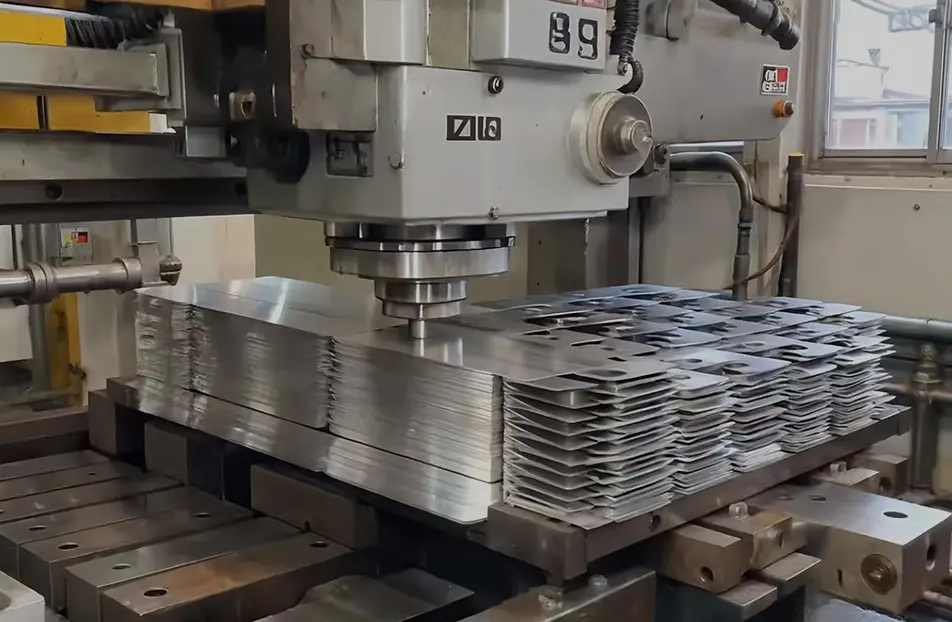
The core material is critical in determining the baseline energy dissipation of a transformer. High-grade Cold-Rolled Grain-Oriented (CRGO) silicon steel has long been the standard. However, the introduction of amorphous alloy ribbon—a glass-like metal with no crystalline structure—has revolutionized efficiency standards. Amorphous cores exhibit extremely low coercivity and high electrical resistivity, which curtails eddy current pathways and drops hysteresis loss by up to 70% to 80% compared to traditional silicon steel. Fabricating these materials requires specialized, ultra-precise shearing machines like the Amorphous Alloy Core CNC Shearing Machine to prevent micro-fractures along the core boundaries, which can introduce magnetic domain misalignment and increase mechanical friction losses.

Minimizing Load Loss: Precision Winding & Tension Control

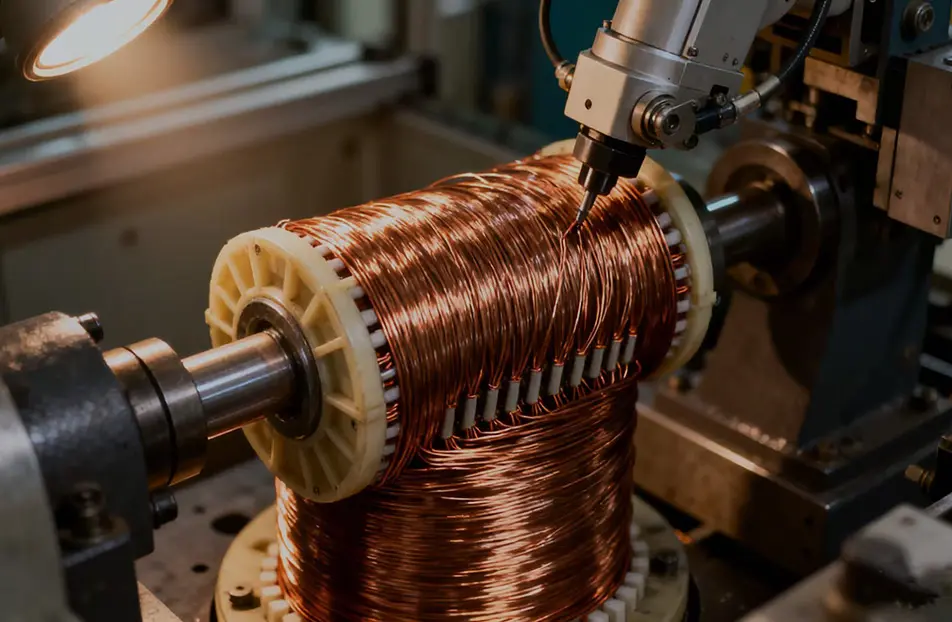
Windings dictate the resistive load loss of the system. Achieving tight, uniform, and high-density copper or aluminum packs minimizes the mean turn length and eliminates air pockets that cause localized heating. The implementation of servo-driven double-layer foil winding machines and precision high-voltage wire winders ensures that layer insulation and conductor dimensions remain perfectly consistent under active closed-loop tension. Variable tension control prevents both stretching (which reduces conductor cross-section and increases resistance) and loose winding (which degrades structural integrity and increases leakage inductance).

Loss Component Underlying Physical Cause Primary Mitigation Technology Expected Efficiency Gain
Hysteresis Loss Domain switching resistance in magnetic material High-permeability CRGO steel, Laser scribing, Amorphous Alloys Up to 80% core loss reduction
Eddy Current Loss (Core) Induced circulating currents in core laminations Thin laminations (0.18-0.23mm), CNC cross-cutting lines 15% - 25% core loss reduction
$I^2R$ Copper Loss Electrical resistance of copper/aluminum conductors High-density foil winding, servo tension control systems 10% - 20% load loss reduction
Stray & Eddy Loss (Winding) Skin effect, proximity effect, stray flux in tank walls Transposed conductors, magnetic shielding, corrugated tanks 5% - 15% overall reduction

Corporate ProfilePursue Innovation: Wuxi Shuhong Machinery

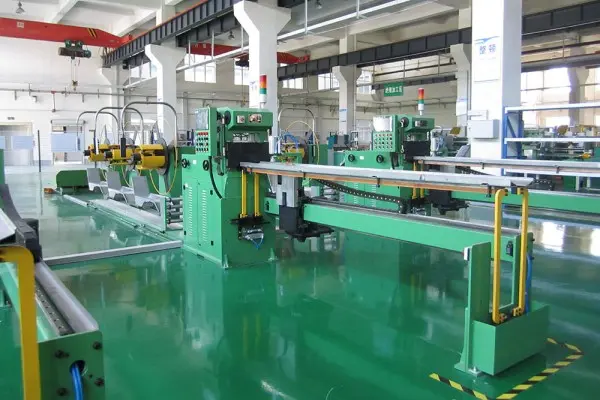
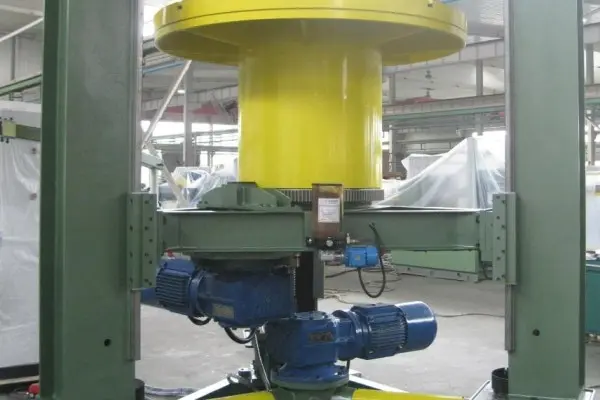
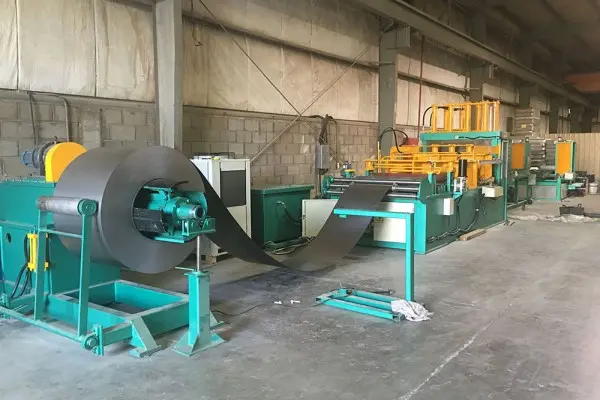
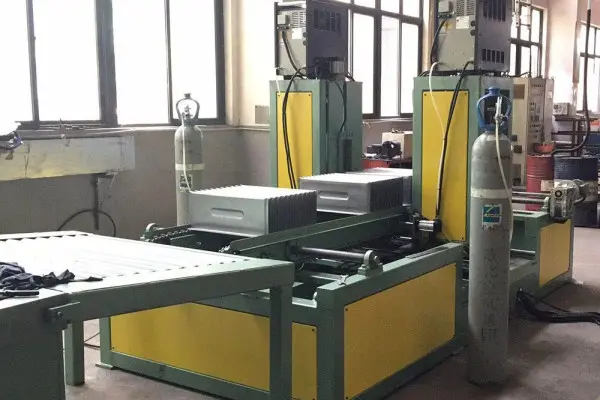
Wuxi Shuhong Machinery Factory Overview

Wuxi Shuhong Machinery Technology Co., Ltd.

Wuxi Shuhong Machinery Technology Co., Ltd. is a leading manufacturer specializing in electrical machinery and aluminum-plastic panel manufacturing machinery. Our core focus lies in engineering the equipment that builds modern, low-loss electrical infrastructure. Our comprehensive product lineup includes:

  • High-precision silicon steel and iron core production lines
  • Advanced amorphous alloy iron core processing machinery
  • Dry-type and oil-immersed coil winding equipment
  • Transformer corrugated oil tank production lines
  • Precision tooling systems and industrial molds
  • Aluminum-plastic composite plate and color coating lines

By controlling the design, fabrication, and software integration of our machinery, we empower transformer factories worldwide to streamline operations, lower production costs, and manufacture products that exceed global energy efficiency requirements.
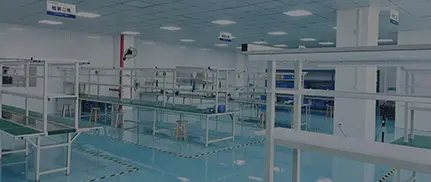
Watch Our Factory in Action Discover our state-of-the-art CNC processing and assembly floor.

Our Product EcosystemStrength Built: Full Industrial Chain Layout

Explore our core technological advantages across four primary categories of transformer manufacturing equipment.
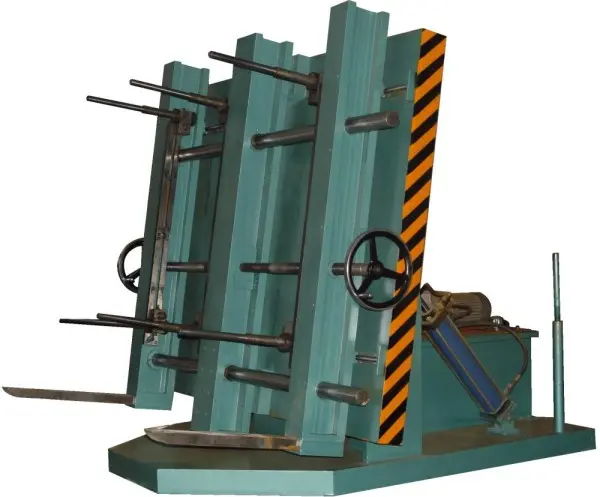
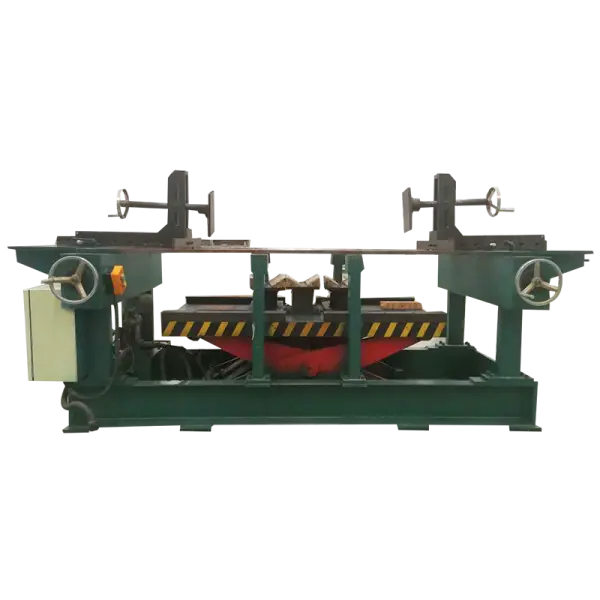
Core Machinery
Silicon Steel Core Turning Table

Silicon Steel Core Turning Table for Transformer Cores

Core Processing
Amorphous Core Body Assembly Table

Amorphous Core Body Assembly Table for Transformers

Core Processing
Specialized CNC Cross-Cutting Line

Specialized CNC Cross-Cutting Line for Silicon Steel Sheets

Core Processing
3D Wound Core Winding Machine

3D Wound Core Winding Machine for Transformer Manufacturing

Core Processing
Automatic Winding Machine for R-Type

Automatic Winding Machine for R-Type Planar Wound Cores (Transformer-Specific)

Core Processing
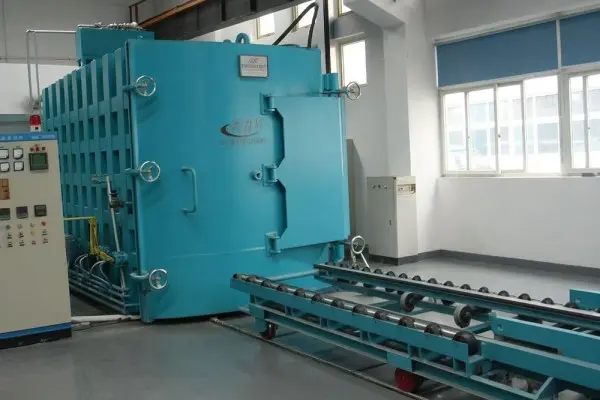
Vacuum Annealing Furnace

Vacuum Annealing Furnace for Metals/Silicon Steel

Core Processing
High-Precision Amorphous Shearing Machine

High-Precision Amorphous Alloy Core CNC Shearing Machine

Core Processing
Silicon Steel Coil CNC Slitting Equipment

Silicon Steel Coil CNC Slitting Equipment (Longitudinal Type)

Core Processing
Winding & Tank Equipment
Three-layer Foil Winding Machine

Three-layer Foil Winding Machine for High-Power Equipment

Winding Machine
Efficient Double-layer Foil Winding Machine

Efficient Double-layer Foil Winding Machine

Winding Machine
Automatic Single-layer Foil Winding Machine

Automatic Single-layer Foil Winding Machine

Winding Machine
Vertical Winding Machine

Vertical Winding Machine for Transformer Coil Manufacturing

Winding Machine
Corrugated Sheet Forming Machine

Industrial Corrugated Sheet Forming Machine - High Precision & Fast Shaping

Fuel Tank Equipment
Automatic Corrugated Sheet Welding Machine

Automatic Corrugated Sheet Welding Machine - High Precision & Efficient Operation

Fuel Tank Equipment

Local Application Scenarios & The Commercial Reality of Loss Optimization

Modern electrical distribution is becoming highly localized and decentralized, driven by the expansion of rooftop solar installations, battery storage microgrids, and electric vehicle (EV) fleet charging terminals. Each of these applications introduces distinct demands on the transformer network. For instance, EV charging hubs subject distribution transformers to frequent harmonic distortions and peak loading. In these setups, high-precision windings are vital to prevent winding displacement caused by short-circuit electrodynamic forces, and low no-load losses prevent grid drain during overnight low-use cycles.

Key Application Scenarios

  • Renewable Integration: Solar power stations experience extreme power fluctuations. Efficient transformers with amorphous alloy cores minimize no-load losses during cloudy periods or overnight standbys.
  • Industrial & Manufacturing Plants: Continuous manufacturing facilities utilize heavy electric motors, which generate high harmonic contents. Here, low-loss transformers with robust shielding and double or triple layer foil configurations reduce magnetic losses.
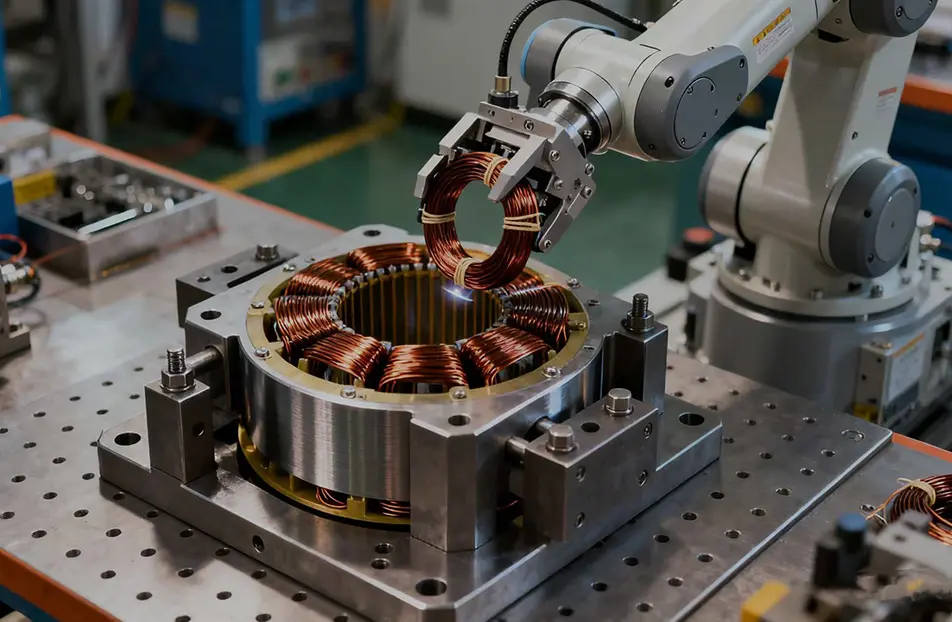
  • Metropolitan & Commercial High-Rises: Dry-type transformers are ideal here due to fire safety. Wuxi Shuhong's dry-type winding and core positioning machinery ensures compact layout and low sound profiles, critical for indoor installations.

China's Supply Chain Resiliency & Engineering Edge

The global energy infrastructure transition is happening fast, and reliable equipment supply chains are essential. Chinese manufacturing has evolved from basic assembly to high-precision engineering. The Yangtze River Delta, where Wuxi Shuhong is situated, is a major industrial hub for advanced metallurgy and precision machinery. This close proximity to high-grade silicon steel mills (like Baosteel) and advanced amorphous ribbon facilities guarantees stable material sourcing. The combination of local component integration, high-level automation, and direct-factory models allows us to offer robust equipment without intermediate markups.

Why Choose UsService Support & Value Delivery

A comprehensive framework to support your capital investment from technical design through global installation.

Direct Factory Sales

Direct Factory Sales

Transparent pricing model with no hidden charges, detailed quotations, and optimal ROI for manufacturing lines.

Customized Solutions

Exclusive Customization

We tailor core cutting speeds, winding dimensions, and automatic welding parameters to match your specific production standards.

After-Sales Support

Full After-Sales Support

On-site installation support, remote software calibration, training packages, and continuous technical assistance.

Fast Response

Ultra-Fast Response

Our dedicated engineering and logistics teams provide rapid assistance to keep your manufacturing lines running smoothly.

Global Industrial Landscape, Compliance, & the Tech Roadmap

Countries worldwide are introducing stricter standards for transformer efficiency. The European Union's Eco-design Directive (Tier 2 rules) and the United States DOE 2016 energy standards mandate significant reductions in both core and winding losses. In this regulatory environment, older transformer designs are no longer viable. Manufacturers must adapt to modern technologies, such as amorphous metals and 3D wound core layouts.

Wuxi Shuhong Technology Roadmap: The Smart Factory Future

Modern transformer production lines are increasingly integrated with Manufacturing Execution Systems (MES). Our development roadmap focuses on bringing smart technologies to core and coil fabrication:
  1. Digital Twin Core Cutting: Software programs simulate grain stress behavior during the CNC shearing process. The system automatically adjusts blade pressure to reduce mechanical stress and keep no-load losses at minimum levels.
  2. Smart Winding Control: Winding tension is continuously monitored and logged. If the wire thickness changes, the tension control system automatically recalibrates to prevent stress damage.
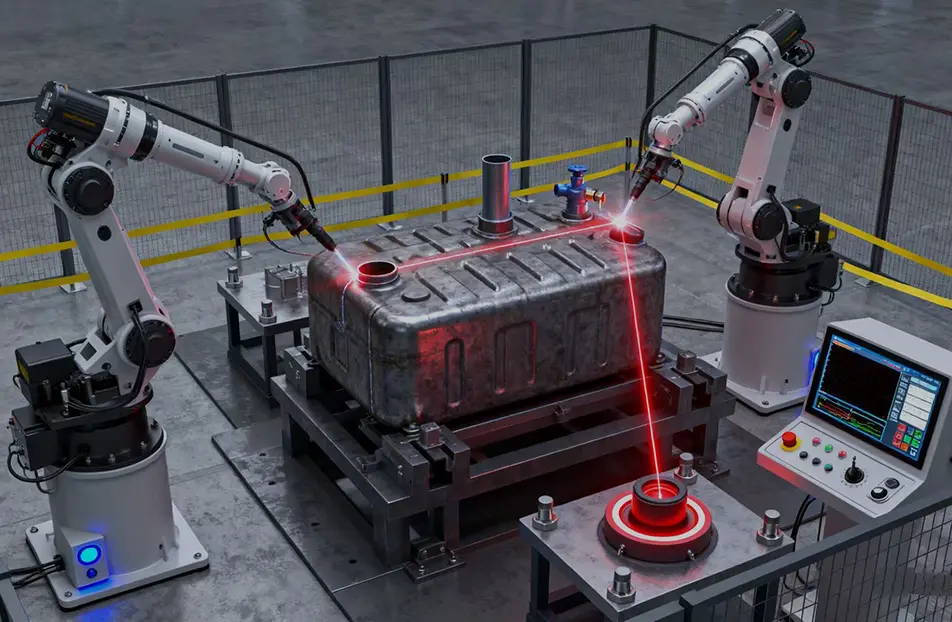
  3. Laser-Guided Tank Welding: Automatic corrugated fin welding uses laser tracking to ensure consistent, leak-free welds, improving the tank's thermal dissipation efficiency.

Quality AssuranceCertificate & Standard Display

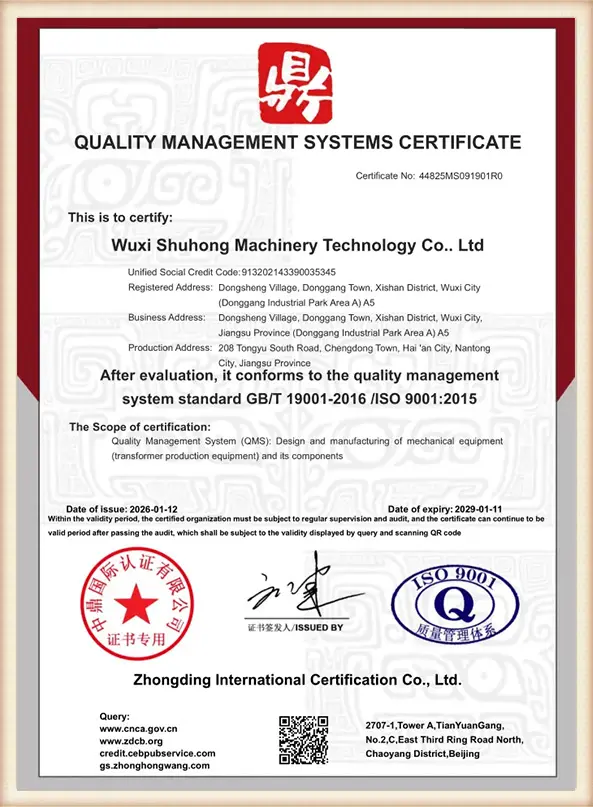
ISO Certification Quality Management
CE Standard Compliance Certificate
Export Compliance License
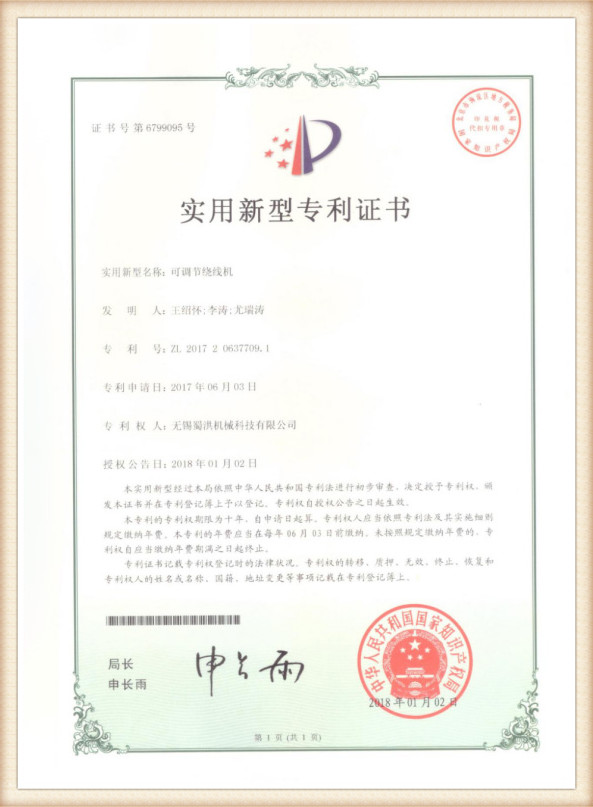
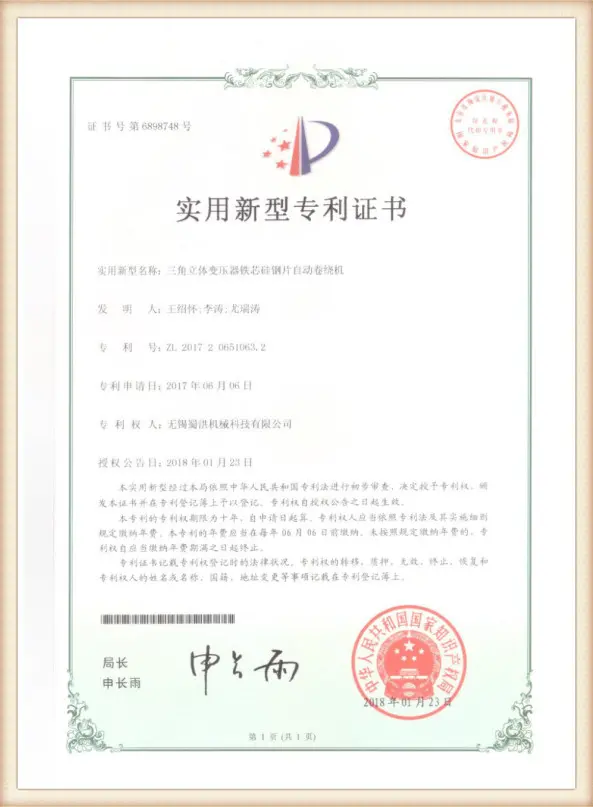
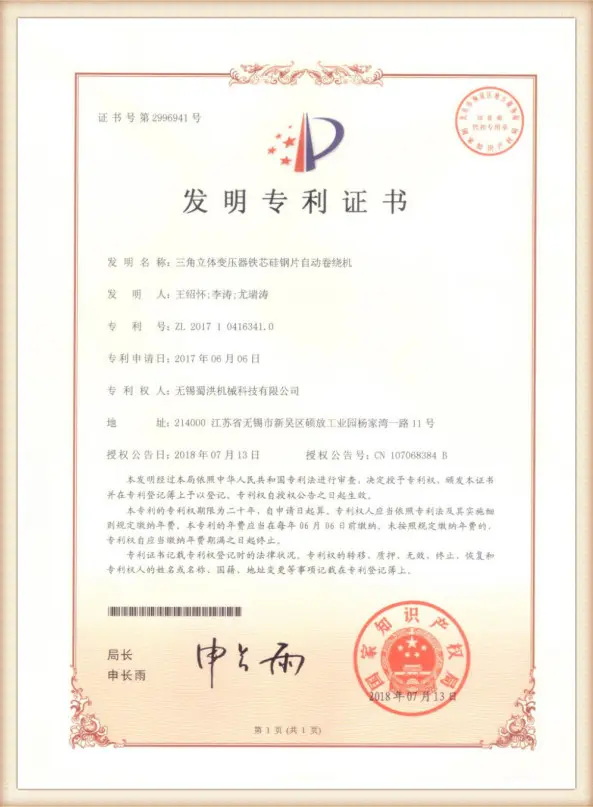
Patented Core Processing System

Applied IndustriesEnd-to-End Grid & Industrial Applications

Our machinery supports a wide range of industrial and energy sector requirements.
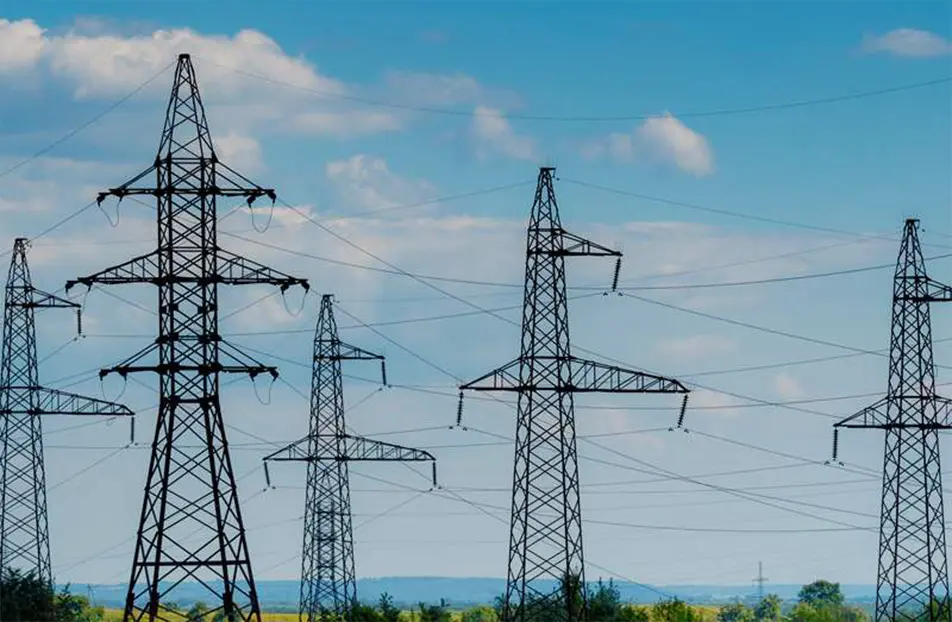
Power Equipment Manufacturing
Power icon

Power Equipment Manufacturing

Core Precision Cutting
Cutting icon

Core Precision Cutting

Intelligent Coil Winding
Winding icon

Intelligent Coil Winding

Precisely Assembled Body
Assembly icon

Precisely Assembled Body

Fuel Tank Laser Welding
Welding icon

Fuel Tank Laser Welding

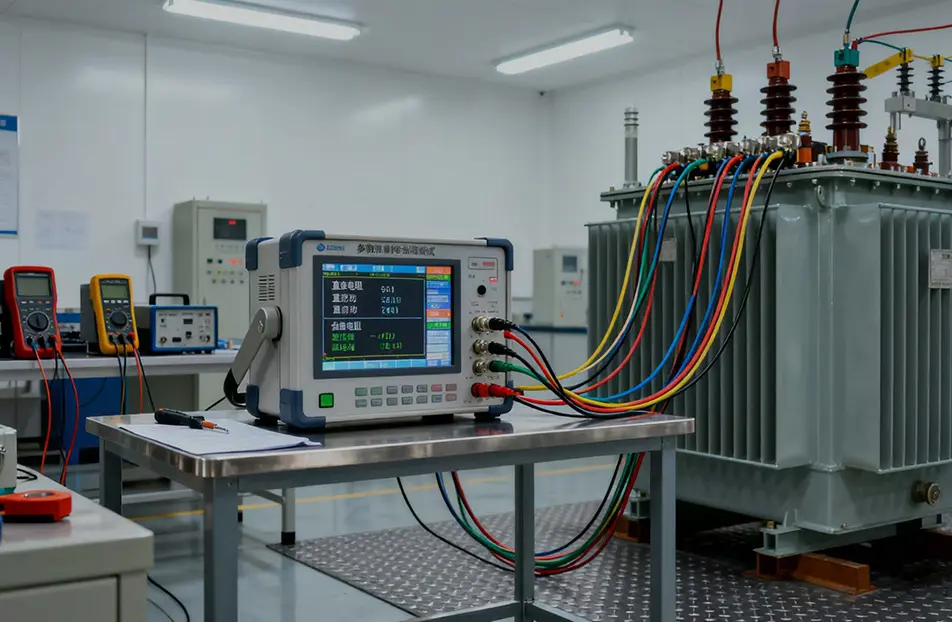
Machine Performance Testing
Testing icon

Machine Performance Testing

Technical NewsNews and Information

Follow our technical breakdowns on core processing, winding dynamics, and smart factory integration.
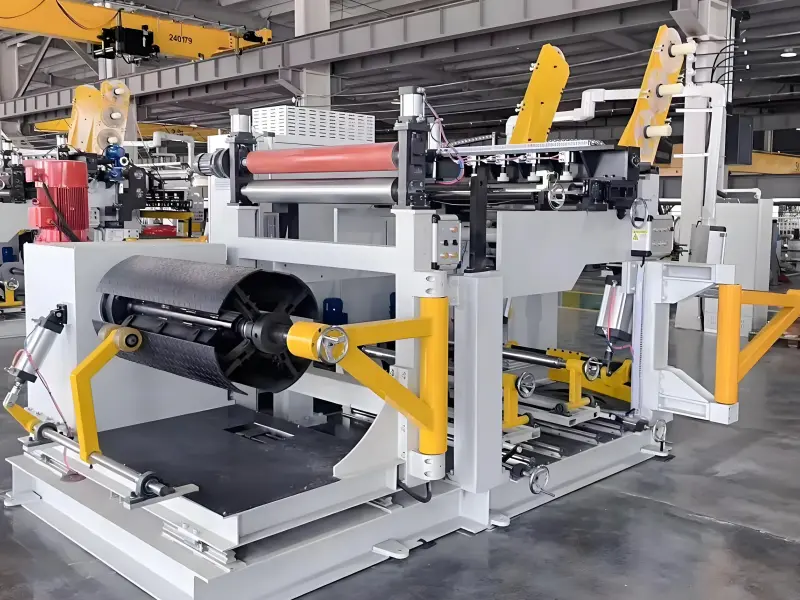
Winding Machine Stable Tension
Jul/05 2026

Can the Winding Machine Realize Stable Tension?

Achieving stable tension controls during high-speed wire winding is key to preventing conductor deformation and reducing electrical load losses...

Winding Machine wire jumping
Jun/30 2026

How does Winding Machine avoid wire jumping during winding?

From long-term communication and cooperation with global coil manufacturers, we know that wire jumping is a common issue that causes winding inconsistencies...

Coil Winding Equipment factory systems
Jun/26 2026

Can Coil Winding Equipment connect with factory systems?

More coil, motor, and transformer manufacturers are upgrading to smart factories and full automation, requiring machines to link with MES/ERP platforms...

Transform Your Production Quality Today

Consult with our engineers to configure your low-loss core processing and automatic winding machines.

Inquiry Now

Technical Q&AFrequently Asked Questions

Detailed engineering perspectives on transformer manufacturing, loss reduction, and machinery operation.

What are the primary factors behind transformer core losses, and how are they minimized?
Core losses (no-load losses) consist of hysteresis and eddy current losses. Hysteresis loss is caused by the magnetic domain alignment changing within the core material during alternating cycles. Using high-permeability silicon steel or amorphous ribbon reduces this resistance. Eddy current loss is caused by circulating currents within the core. Lamination thickness is reduced (often down to 0.18-0.23mm) and insulated coatings are applied to prevent these currents from circulating across layers.
How does a 3D wound core design compare to traditional stacked core configurations?
A 3D wound core uses a continuously wound ribbon instead of flat, stacked sheets. This eliminates air gaps at core joints, reducing magnetic flux resistance (reluctance). The triangular layout provides a balanced three-phase magnetic path of equal length, which reduces core losses, lowers no-load currents, and decreases acoustic noise levels.
Why is active tension control critical in foil and wire winding machines?
Consistent winding tension ensures tight and uniform coil wraps. If tension is too loose, the winding density drops, which increases leakage inductance and can cause mechanical displacement under short-circuit stresses. If tension is too high, the copper or aluminum conductor can stretch, reducing its cross-sectional area. This raises conductor resistance and increases load losses. Wuxi Shuhong uses servo-driven closed-loop tension systems to maintain precise tension tolerances.
What are the benefits of amorphous alloy cores over standard silicon steel?
Amorphous alloy core materials lack a crystalline atomic structure, which makes it much easier to change their magnetic polarization. They have very low magnetic friction and high electrical resistance. These properties cut no-load losses by up to 80% compared to grain-oriented silicon steel. While the material is brittle and requires careful handling during fabrication, the energy savings over the transformer's lifespan are substantial.
How do specialized CNC cross-cutting lines reduce edge damage in core laminations?
Cutting silicon steel sheets can introduce mechanical burrs and structural stress along the cut edges. These imperfections degrade the magnetic properties of the grain-oriented steel. Our specialized CNC cutting lines use high-precision carbide blades and optimized feeding systems to minimize mechanical stress and burr heights, ensuring the laminations retain their low-loss characteristics.
Can your coil winding machines support custom wind patterns and different wire shapes?
Yes. Our PLC-controlled automatic winding systems support a variety of configurations, including flat foil, round copper, rectangular wires, and combination foil-and-wire profiles. Operators can program winding pitches, insulation interlayer insertion points, and acceleration rates directly into the controller interface.

Production OptimizationCoil Production & Amorphous Core Shearing Equipment

Complete your transformer manufacturing setup with high-precision components and specialized tooling lines.
Three-layer Foil Winding Machine

Cheap Three-layer Foil Winding Machine for High-Power Equipment

View Technical Details
Single-layer Foil Winding Machine

China Single-layer Foil Winding Machine Suppliers | High-Quality Coil Production

View Technical Details
CNC Cross-Cutting Line

China Suppliers: Specialized CNC Cross-Cutting Line for Silicon Steel

View Technical Details
3D Wound Core Cutting Machine

Wholesale 3D Wound Core Curve Cutting Machine for Transformer Cores

View Technical Details
Amorphous Alloy CNC Shearing Machine

Best High-Precision Amorphous Alloy Core CNC Shearing Machine Manufacturer

View Technical Details
High-Voltage Wire Winder

China High-Voltage Wire Winder with Precision Servo Control

View Technical Details
High-Voltage Auto Wire Arranger-Winder Machine

Best High-Voltage Auto Wire Arranger-Winder Machine

View Technical Details
Amorphous Alloy Iron Core Transformer

Cheap High-Efficiency Amorphous Alloy Iron Core Transformer from China

View Technical Details