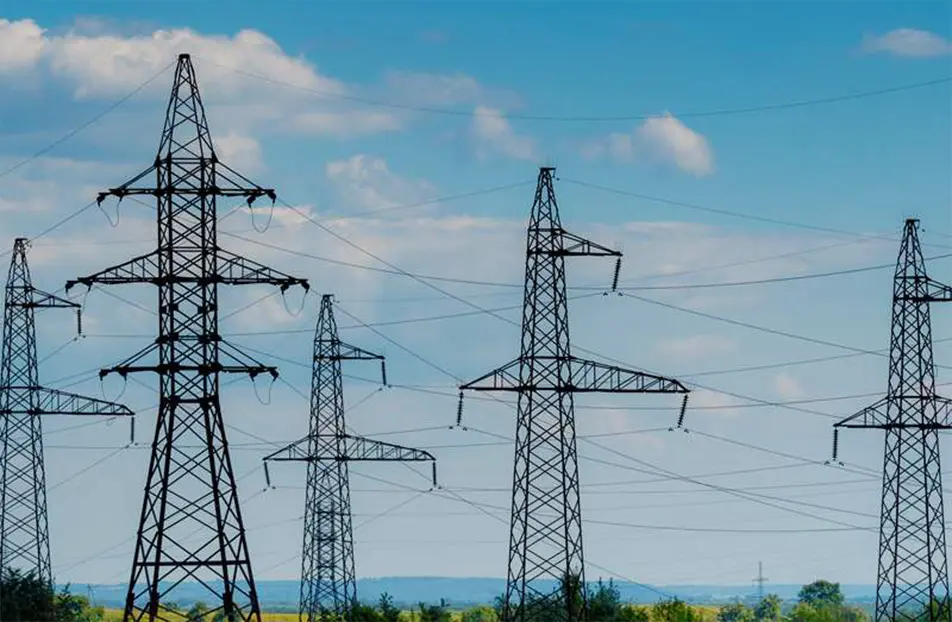
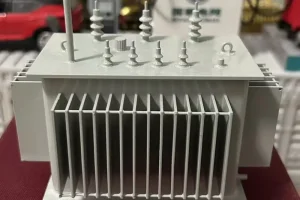
Eritrea, situated in the Horn of Africa, is currently executing a multi-phase infrastructural transformation. Driven by heavy mining operations, municipal modernization in the capital city Asmara, and the expansion of maritime trading hubs in Massawa and Assab, the nation is actively resolving distribution instabilities. At the center of this transition lies the critical demand for highly efficient, ruggedized power transformers capable of operating under severe environmental stresses. For grid engineers and industrial procurers, choosing a transformer is no longer just a purchasing transaction—it is an investment in grid stability, system reliability, and long-term operating cost reduction.
Eritrea's power system operates under the stewardship of the Eritrean Electric Corporation (EEC). The country's primary challenge remains the technical and non-technical distribution losses within its medium-voltage lines, combined with the harsh geographic variations between the high-altitude central plateau of Asmara (at approximately 2,325 meters above sea level) and the scorching, high-saline coastal plains.
In industrial sectors, particularly mining sites like the Bisha gold-copper-zinc mine and the developing Colluli Potash project, uninterrupted power supply is essential. Industrial loads require heavy-duty transformers configured to absorb thermal cycling and transient overvoltages. Simultaneously, rural electrification initiatives are moving toward hybrid microgrids, combining solar photovoltaics with diesel back-ups. These microgrids require distribution systems that minimize "no-load losses" during periods of low energy demand, making advanced core technologies such as 3D triangular wound cores and amorphous alloys highly attractive to utility planners.
Designing a transformer for the Eritrean market requires careful consideration of local environmental factors. In coastal Massawa, ambient temperatures routinely exceed 45°C, and the atmosphere contains high levels of marine salt and dust. Under these conditions, standard transformers can experience rapid thermal degradation and accelerated aging of insulation paper, which leads to early breakdown.
Our localized solution includes:
Modern electrical grids demand low energy waste. Traditional transformers utilize stacked silicon steel cores. While reliable, these structures exhibit high magnetic reluctance at the joints, resulting in significant no-load losses (core loss) and increased audible noise. In Eritrea, where diesel fuel for remote power generation is costly, saving every watt of energy is vital.
To address this, our factory focuses on two key core technologies:
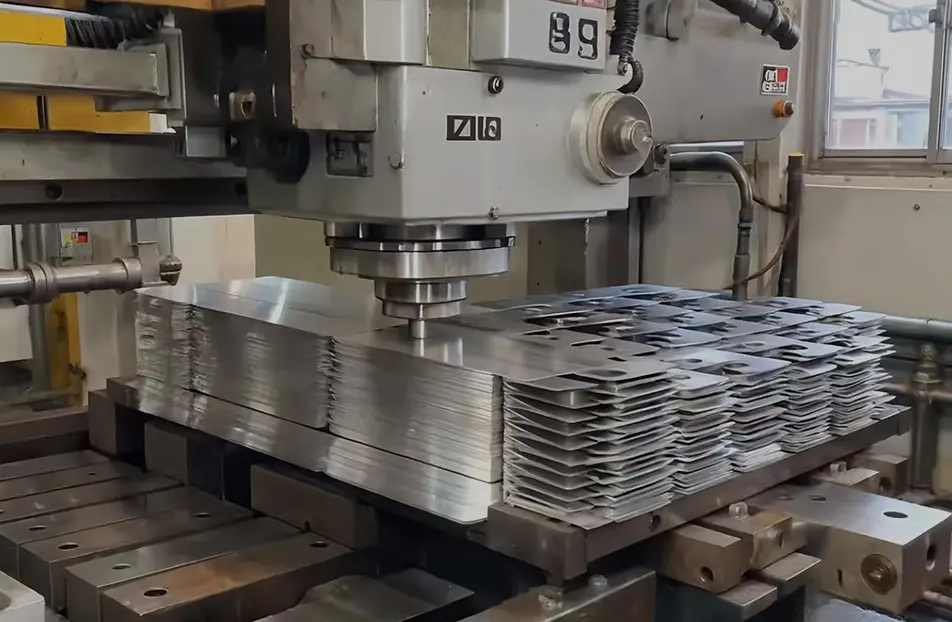
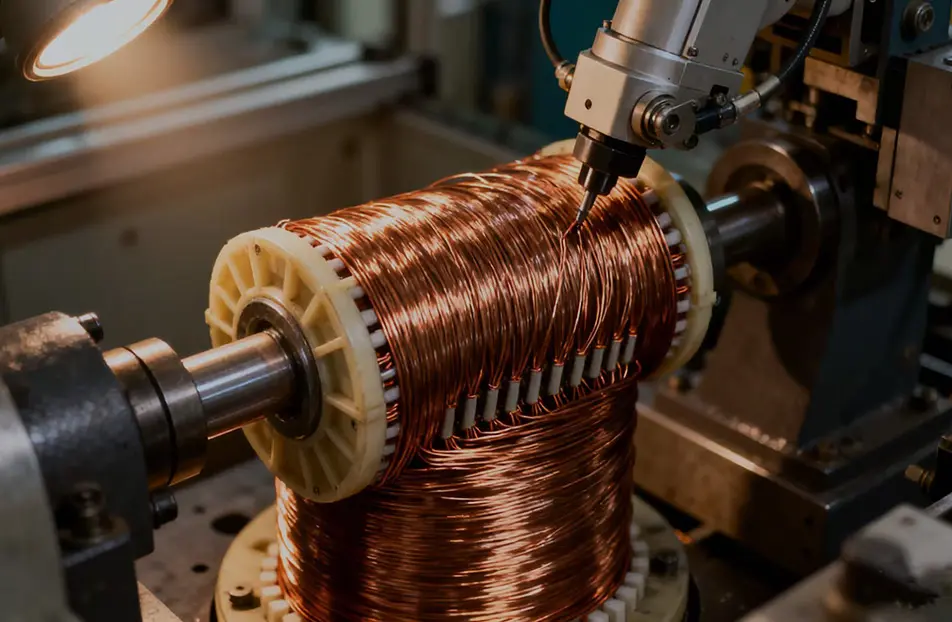
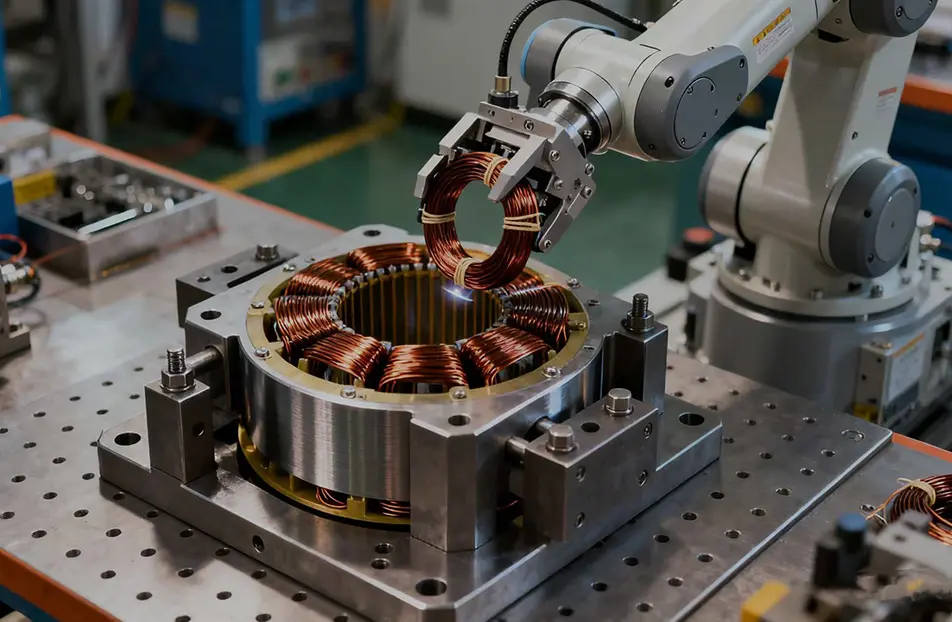
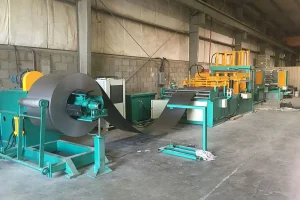
The global logistics market has faced challenges, but our factory in Wuxi, Jiangsu, China, has established an integrated supply chain model. Unlike typical assembly plants, we control the entire manufacturing process:
By keeping these core technologies under one roof, we guarantee quality and maintain reliable lead times for shipments from East China ports directly to Massawa, Eritrea, minimizing project delays.
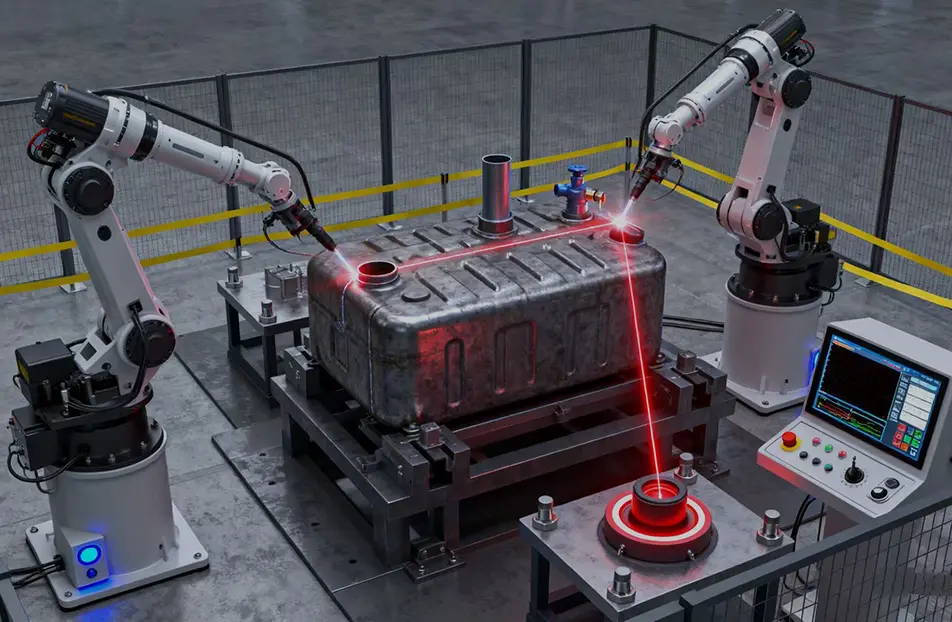
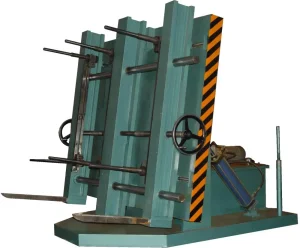
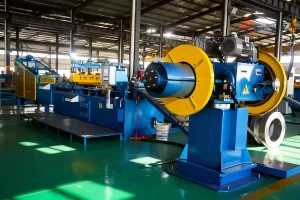
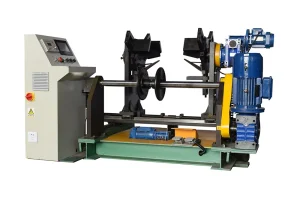
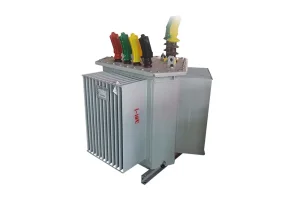
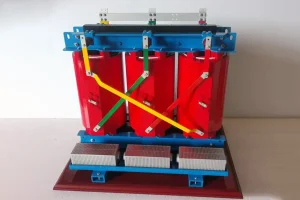
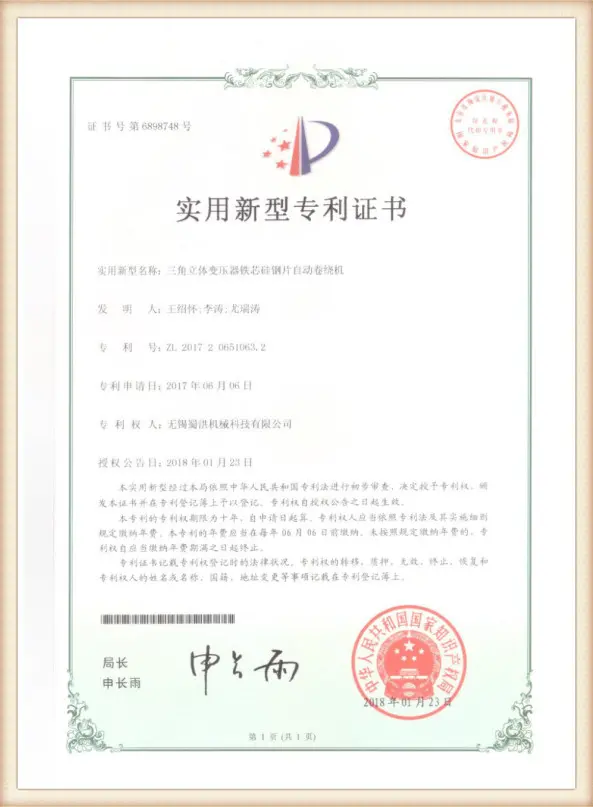
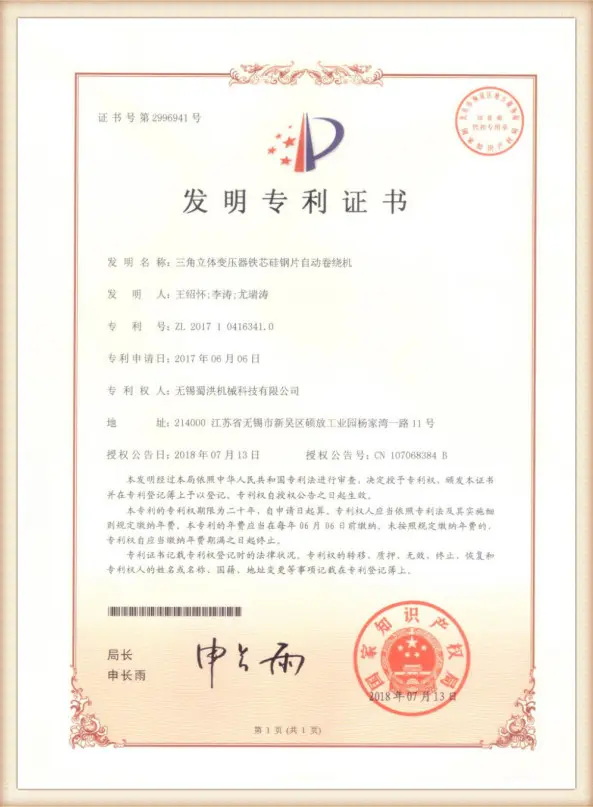
Wuxi Shuhong Machinery Technology Co., Ltd. is a leading manufacturer of electrical machinery and aluminum-plastic panel manufacturing machinery. Our dedicated electrical division specializes in state-of-the-art manufacturing lines for silicon steel cutting, iron core processing, amorphous alloy assembly, dry-type and oil-immersed winding, transformer oil tank forming, and specialized tooling equipment and molds.
By supplying both high-performance transformers and the advanced machinery used to build them, we possess deep technical insight into magnetic cores and coil characteristics. Our complete industrial chain design ensures that our equipment complies with rigorous international quality standards, delivering reliable power engineering equipment directly to our global partners.
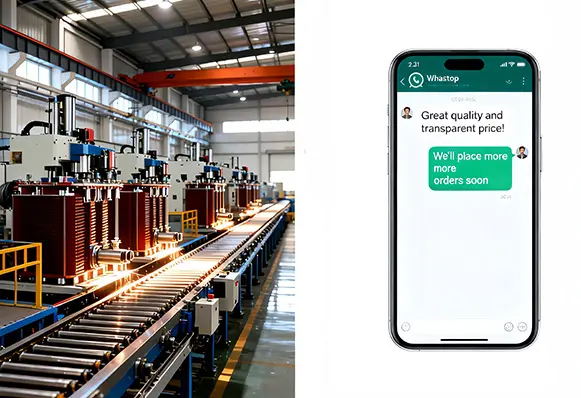
Transparent pricing structures without distributor markups. We provide clear, itemized bills of materials and fixed quotations, ensuring you get maximum value for your infrastructure investment.
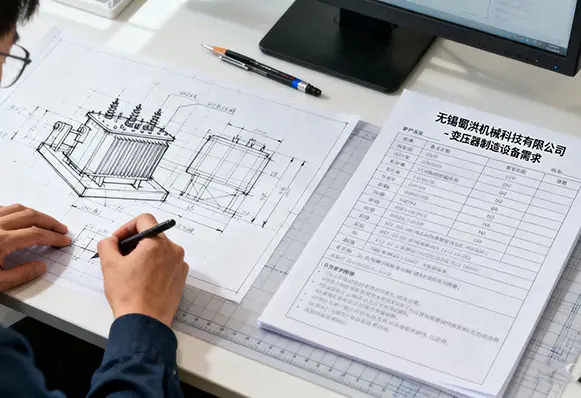
Every transformer is engineered for its specific installation site. We customize vector groups, BIL ratings, insulation levels, and thermal clearances for the unique requirements of the Eritrean grid.
We stand by our equipment throughout its lifecycle. From guiding installation and commissioning at the job site to providing remote diagnostic support, our field service team ensures minimal downtime.
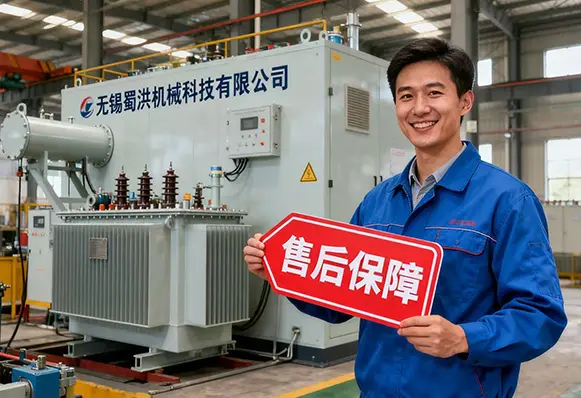
Our rapid technical response team answers urgent queries within hours. We assist with custom modeling, mechanical drawing approvals, and shipping routing updates for time-sensitive projects.

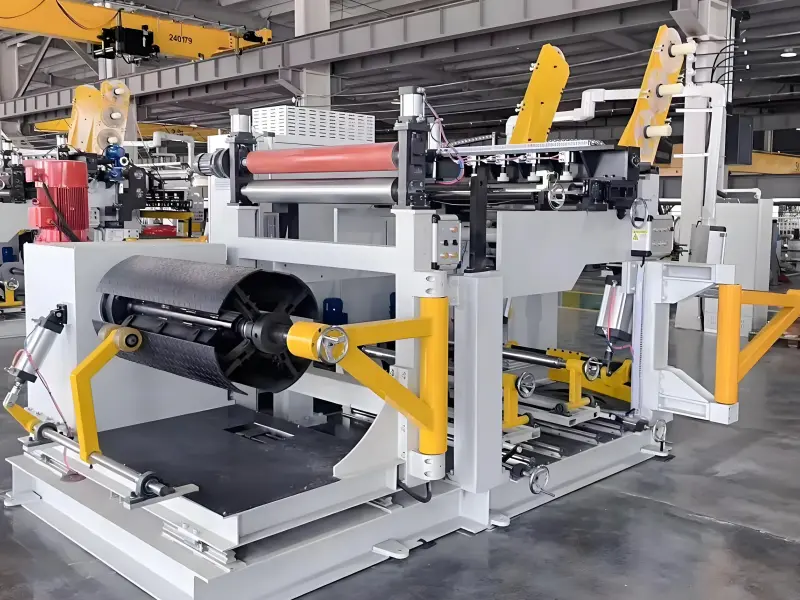
Discover the electro-pneumatic tension feedback systems that maintain constant wire stretch throughout complex multi-layer winding profiles.
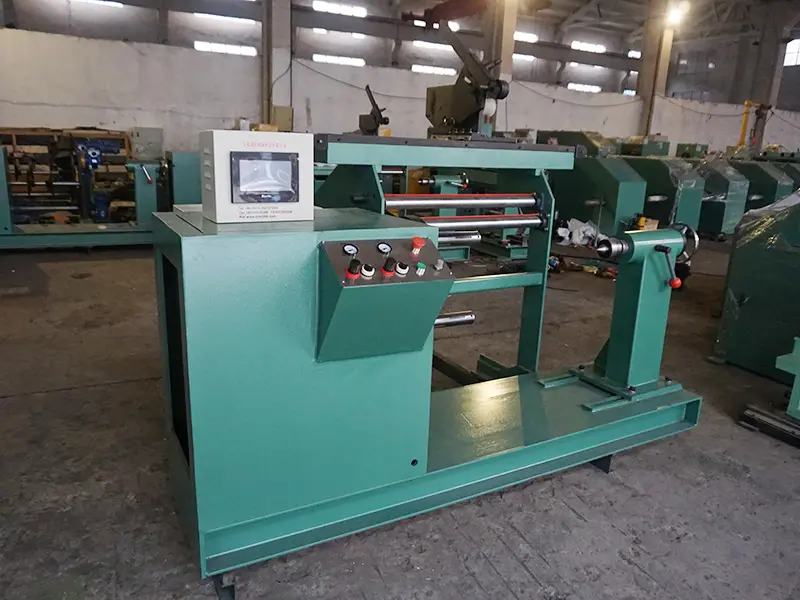
An in-depth analysis of precision guide positioning and servo-driven traverse controls that eliminate wire crossover faults.
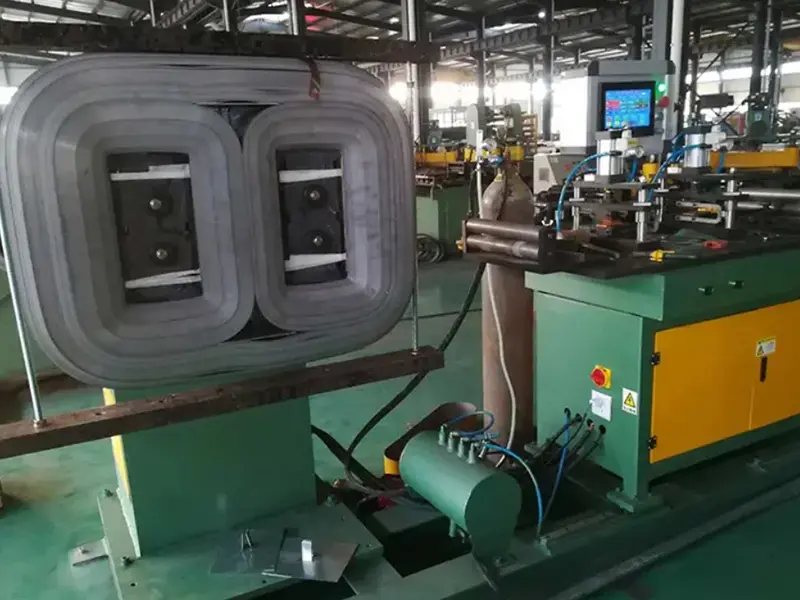
Exploring IoT integrations, MODBUS/TCP architectures, and OPC-UA profiles for smart electrical manufacturing factories.
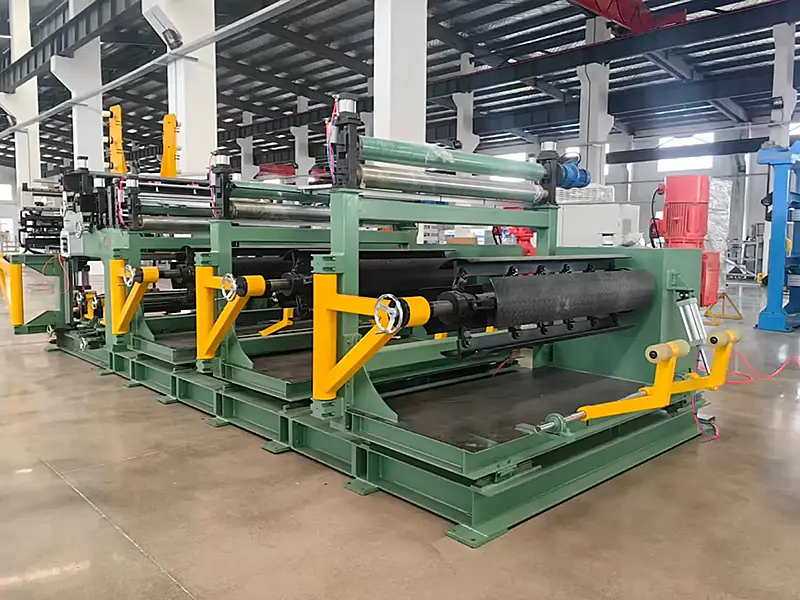
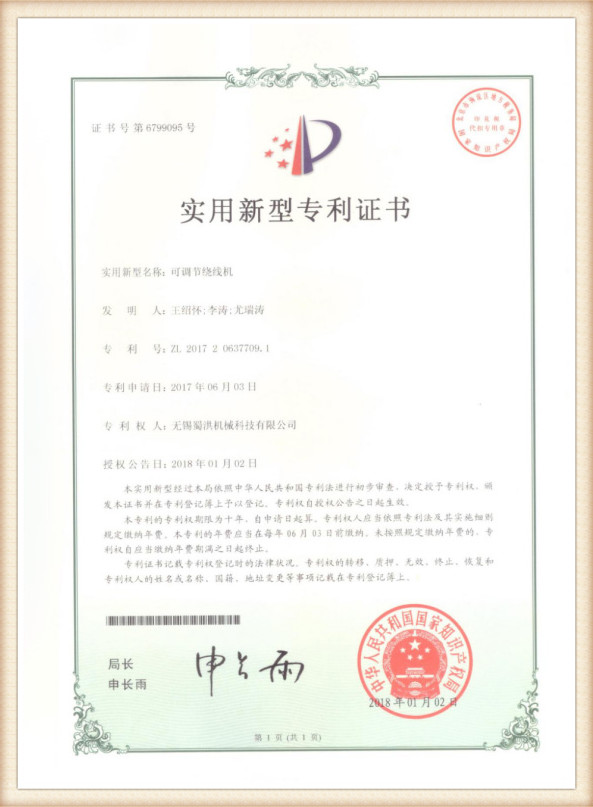
How programmable logic controllers allow fast adjustment between round, oval, and rectangular winding geometries.
Asmara sits at approximately 2,325m above sea level. Because air density decreases at high altitudes, both the dielectric strength and cooling efficiency of ambient air are reduced. To compensate, we apply specific altitude correction factors according to IEC 60076 standards. This includes increasing external creepage clearances on bushings and design clearances inside the tank, as well as enlarging the radiator surface area to maintain temperature rise limits within target values (typically 60K for oil and 65K for winding).
For highly saline coastal areas like Massawa, we provide C5-M high-durability epoxy-polyester anti-corrosive coating systems. The paint layer thickness exceeds 240 microns to prevent salt spray ingress. Additionally, all external hardware and fasteners are made of marine-grade 316 stainless steel, and we use high-grade synthetic ester insulation fluid upon request to improve thermal resilience and minimize fire risk.
Rural grids often experience long periods of low-load operation. In these scenarios, no-load losses (which occur continuously regardless of load) represent a significant cost. The 3D triangular wound core design features a continuous, gapless steel ribbon assembly that eliminates the high-reluctance joint gaps found in traditional stacked cores. This reduces no-load losses by 25% to 35%, lowers excitation current by up to 80%, and reduces noise levels.
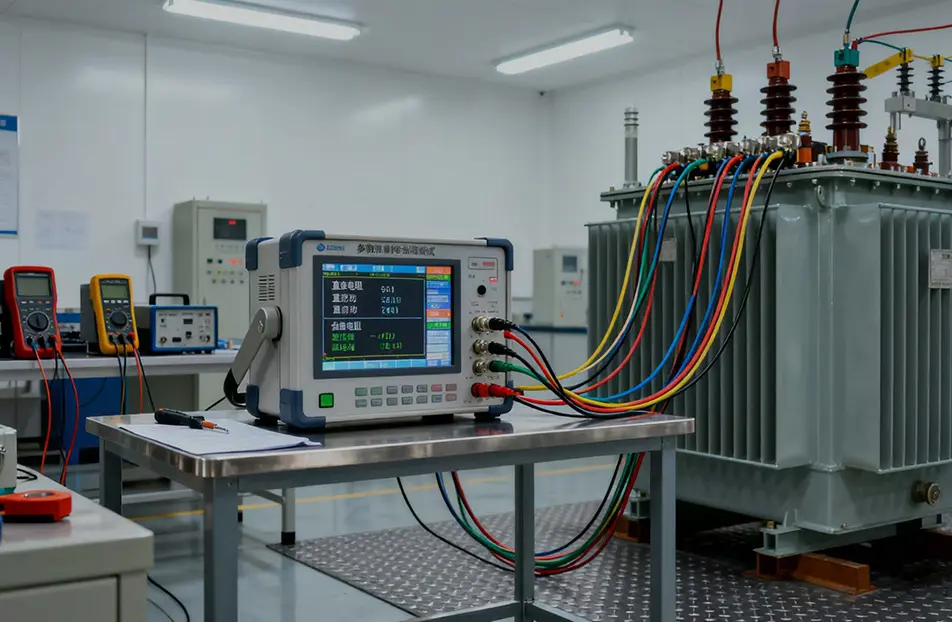
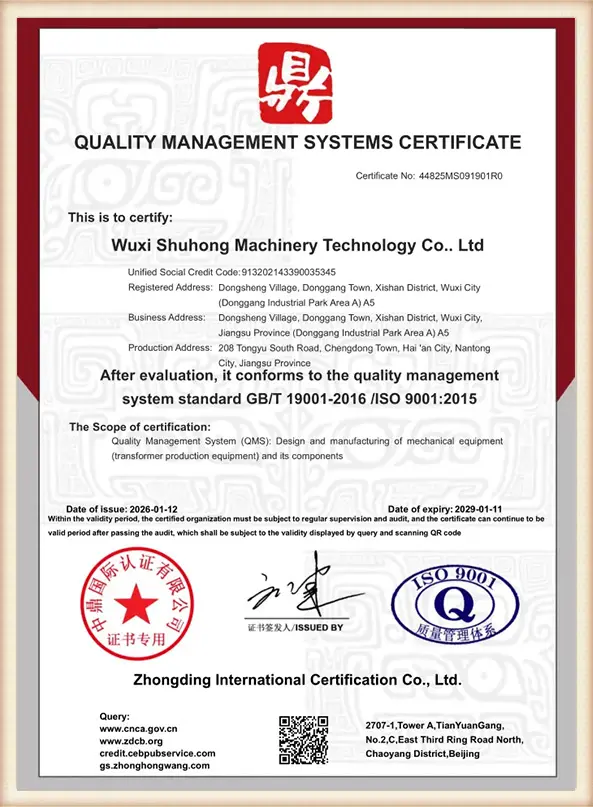
We provide full technical documentation with every delivery, including routine test reports (winding resistance, voltage ratio, phase displacement, no-load loss, impedance voltage, and insulation resistance tests), type test certificates (when requested, such as temperature rise tests), and compliance certificates for IEC 60076 and ISO 9001 quality management systems.
Standard manufacturing and routine testing typically require 30 to 45 days, depending on unit size and customization level. Sea transit from Shanghai Port to Massawa Port takes approximately 30 to 40 days. We manage the export clearance process in China and supply all necessary shipping documents (bill of lading, packing list, certificate of origin) to assist with local import processes in Eritrea.