Engineered to minimize no-load losses and optimize integration with renewable generation networks across the Netherlands.
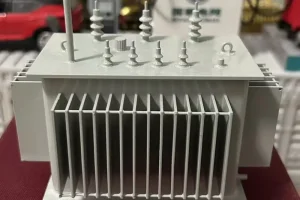
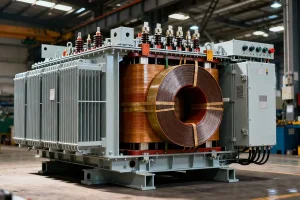
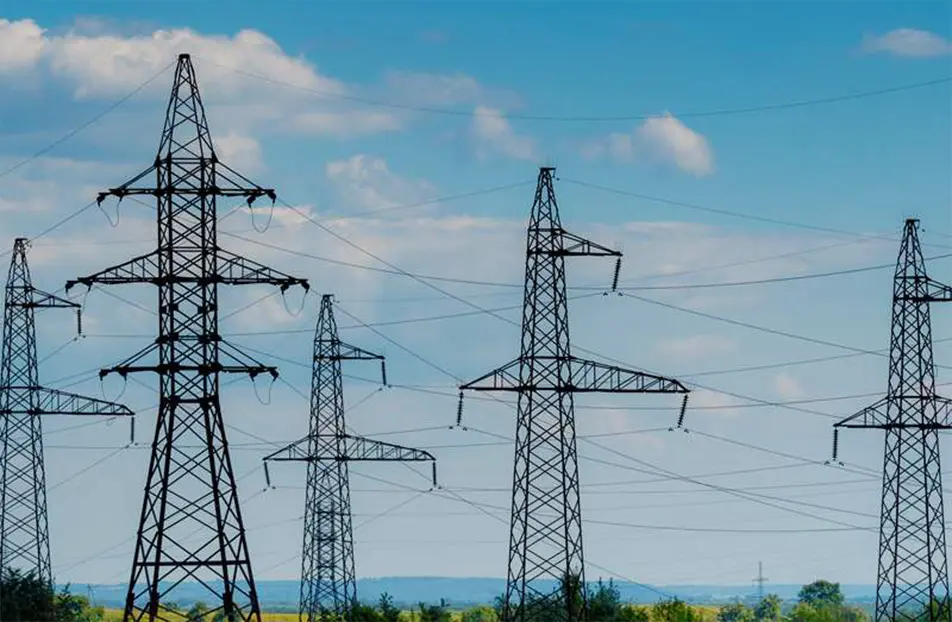
The Netherlands is undergoing one of the most intense energy transitions in Europe. Under the National Climate Agreement (Klimaatakkoord), the country targets a 55% reduction in greenhouse gas emissions by 2030, striving for 100% clean electricity. Driven by offshore wind expansion (Wind op Zee), utility-scale solar parks, and rapid industrial electrification in hubs like the Port of Rotterdam, Amsterdam, and Zeeland, the national grid managed by TenneT and regional DSOs (such as Liander, Enexis, and Stedin) is experiencing unprecedented congestion.
This high penetration of intermittent renewable resources has placed massive stress on traditional distribution infrastructure. Grid capacity limitations require industrial power systems and solar installations to operate with extreme reliability. Transformers must not only be efficient but must also possess advanced voltage regulation capabilities to offset power fluctuations. Low-loss technologies, such as amorphous alloy cores and 3D triangular wound cores, are critical weapons in reducing grid losses during idle periods (such as solar fields at night).
For Dutch power developers, selecting a transformer supplier is no longer a matter of checking capital costs. With the Dutch *Stikstof* (nitrogen) emission rules and strict environmental permits (Omgevingsvergunning), projects must minimize their physical and electromagnetic footprint. Harmonic distortion generated by massive solar inverter configurations requires transformers to feature specialized secondary designs, such as electrostatic shielding and customized winding geometry, to prevent thermal breakdown. Modern 3D triangular rolled core designs eliminate the standard joints present in traditional stacked cores, reducing no-load losses by up to 30% and dramatically dampening audible noise levels—a major factor in dense Dutch urban and agricultural areas.
Deploying electrical assets in the Netherlands requires strict adherence to European Commission Regulation (EU) No 548/2014 and its subsequent 2019/1783 amendment, establishing strict "Tier 2" requirements for peak-efficiency performance. This regulation sets maximum allowable load and no-load losses for small, medium, and large power transformers. Any equipment brought into the European Economic Area (EEA) must be CE-marked and undergo verification of compliance.
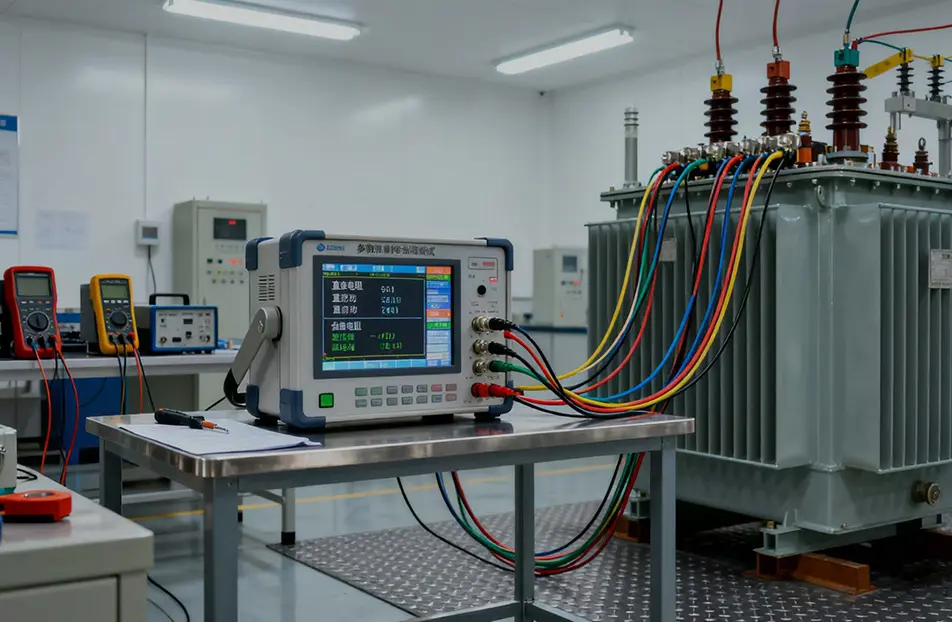
To meet these Tier 2 targets and prepare for future Tier 3 standards, our engineering team utilizes high-permeability, domain-refined grain-oriented (CRGO) silicon steel and advanced Fe-Si-B amorphous alloy ribbons. By deploying these materials in specific structures, we reduce eddy current losses. Let us analyze the structural pathways:
| Transformer Type | Core Technology | No-Load Loss Reduction | Target Application |
|---|---|---|---|
| 3D Triangular Rolled Core | Continuously wound CRGO steel strips | -25% to -35% | Solar plants, commercial zones |
| Amorphous Iron Core | Fe-Si-B metallic alloy glass structures | -70% to -80% | High fluctuating loads, datacenters |
| High-Grade Stacked Core | Step-lap joints with high-grade steel sheets | -15% to -20% | Heavy industrial substations |
All transformers intended for Dutch clients are engineered to meet the requirements of the KEMA/DNV-GL testing frameworks. We ensure compatibility with IEC 60076 specifications, ensuring they can operate within local distribution systems. Additionally, we offer ester fluid (FR3 or synthetic) cooling options. This meets the environmental regulations of the Dutch Water Authorities (Waterschappen) for ground protection, removing the risk of mineral oil leakage in high-water-table areas.
Bespoke system designs addressing specialized application challenges within the Dutch energy sector.
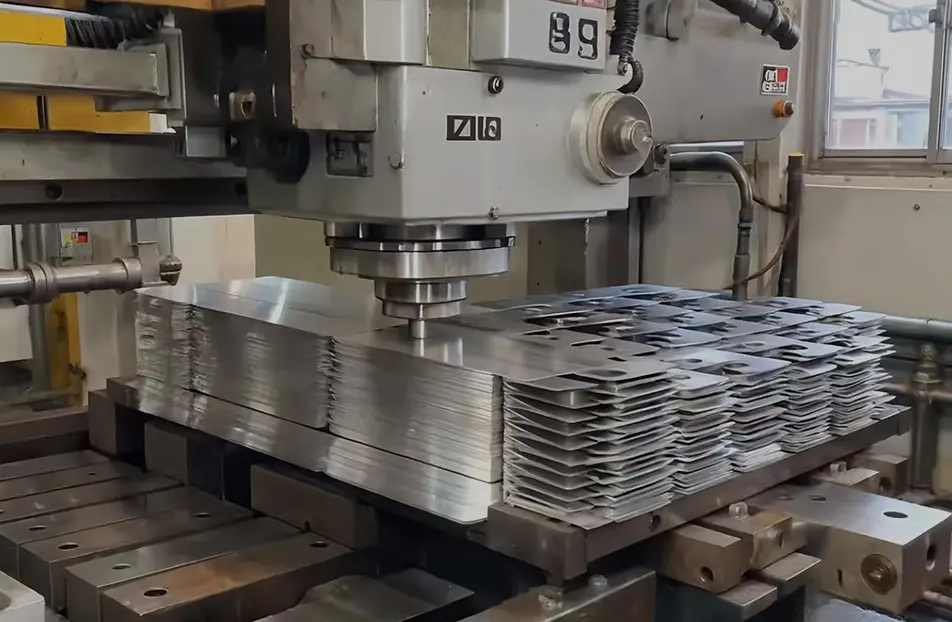
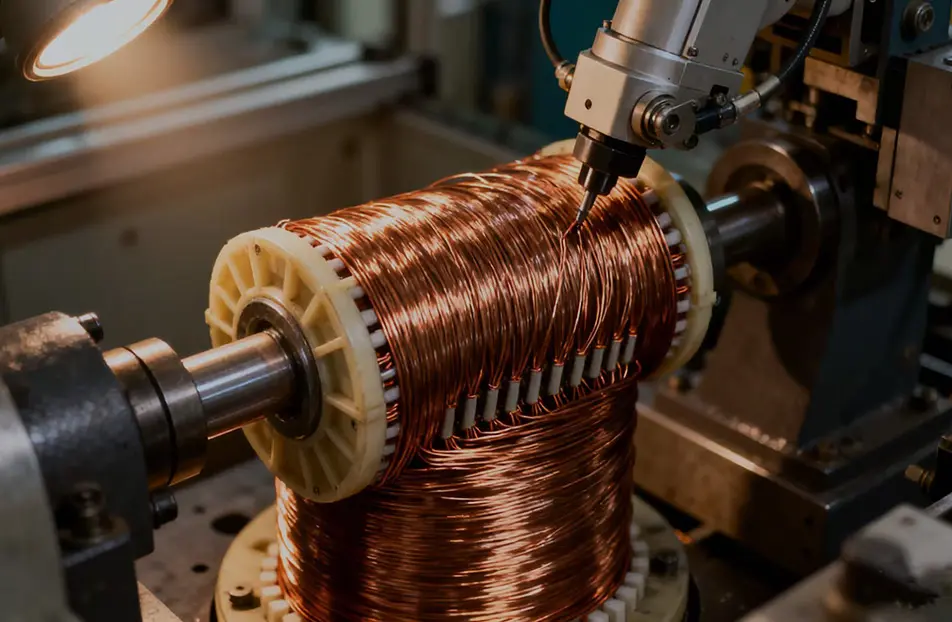
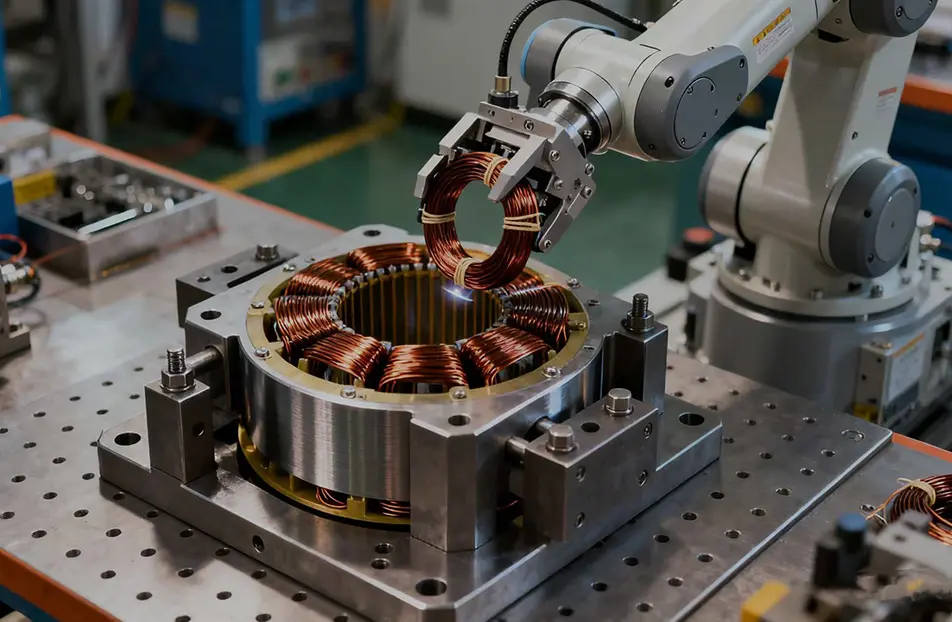
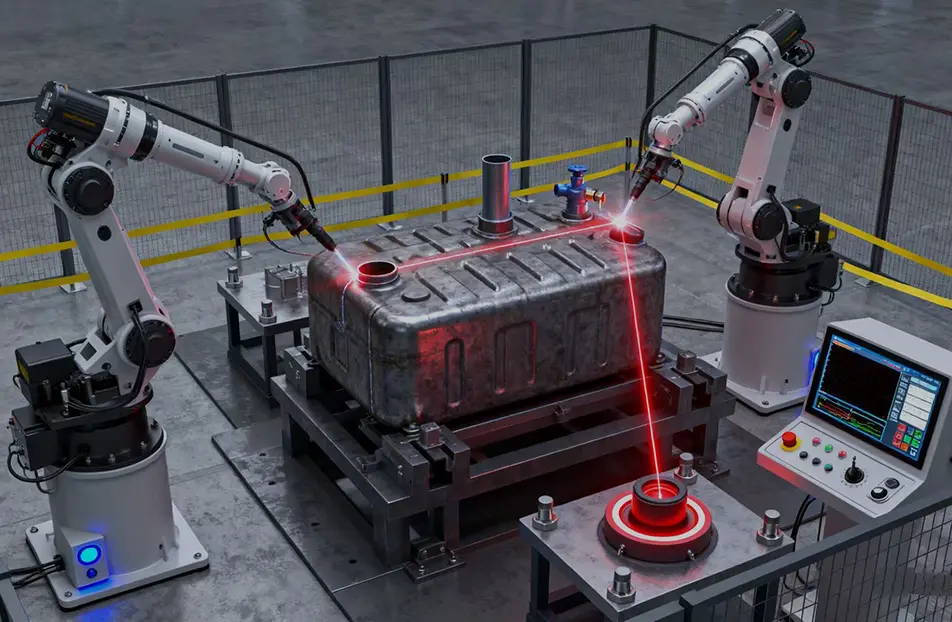
At our manufacturing facilities in China, we leverage Industry 4.0 paradigms to deliver high-quality, reliable, and cost-effective electrical equipment. By vertically integrating core machinery manufacturing—such as our high-precision silicon steel shearing systems, automated foil winding equipment, and hermetically sealed tank welding production lines—we control every phase of the manufacturing process. This prevents raw material delays and assembly defects, allowing us to maintain lead times that support our international clients' schedules.
A high-performance transformer is only as good as the machinery that forms its core and winding components. We design and manufacture our own precision equipment, which we also supply to other global factories. This machinery includes:


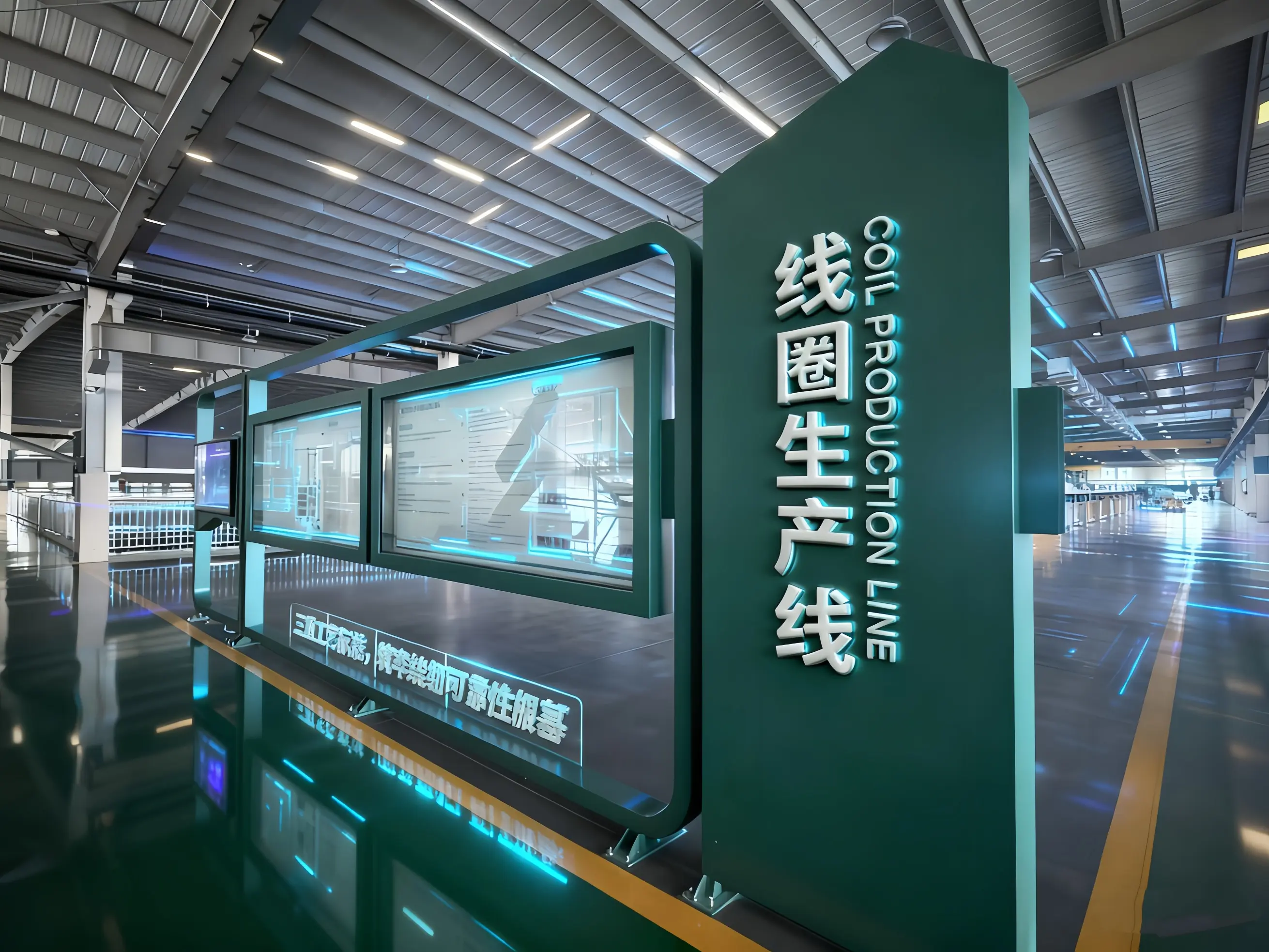
Wuxi Shuhong Machinery Technology Co., Ltd. is a manufacturer for electrical machinery and aluminum-plastic panel manufacturing machinery. Our primary products for electrical machinery include: silicon steel slitting and cutting systems, iron core production lines, amorphous iron core assembly systems, dry-type and oil-immersed coil winding machines, corrugated transformer oil tank production lines, and precision assembly tooling.
Through decades of focus on manufacturing technology, Wuxi Shuhong supports transformer factories globally, delivering machinery that improves accuracy, reduces energy waste, and satisfies international regulatory compliance standards.
View Corporate VideoWe combine high manufacturing capacity with local engineering expertise to assist procurement processes.

Clear, direct quotations without hidden processing fees. Highly competitive FOB or CIF Rotterdam pricing models.

Direct access to our engineering team to customize voltage ratings, impedance curves, core configurations, and enclosure footprints.

Commissioning supervision, remote monitoring integration, field testing assistance, and access to replacement components.

24/7 technical consultation. Rapid response for engineering drawings, pricing estimates, and shipping coordination.
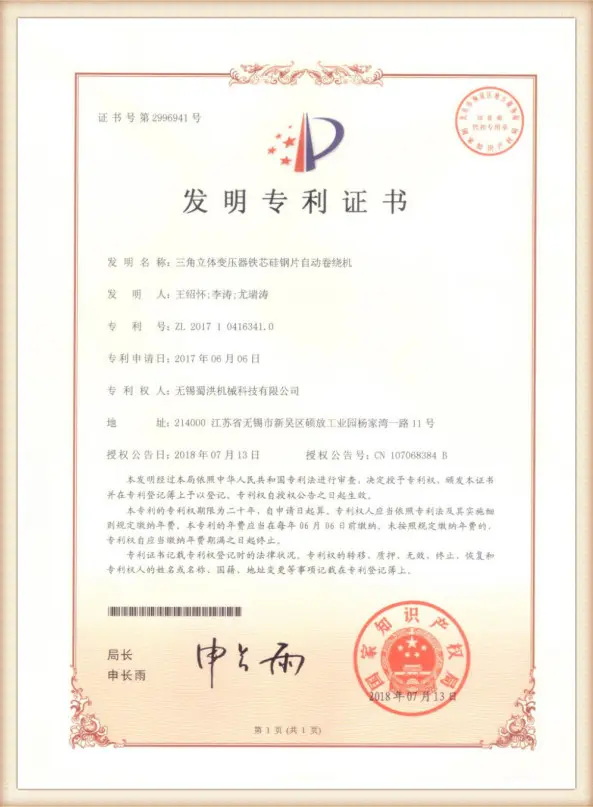
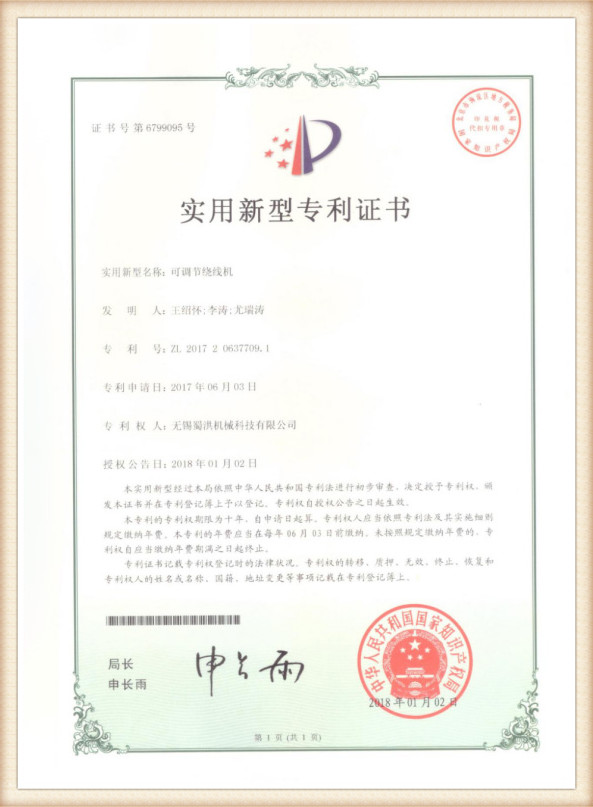
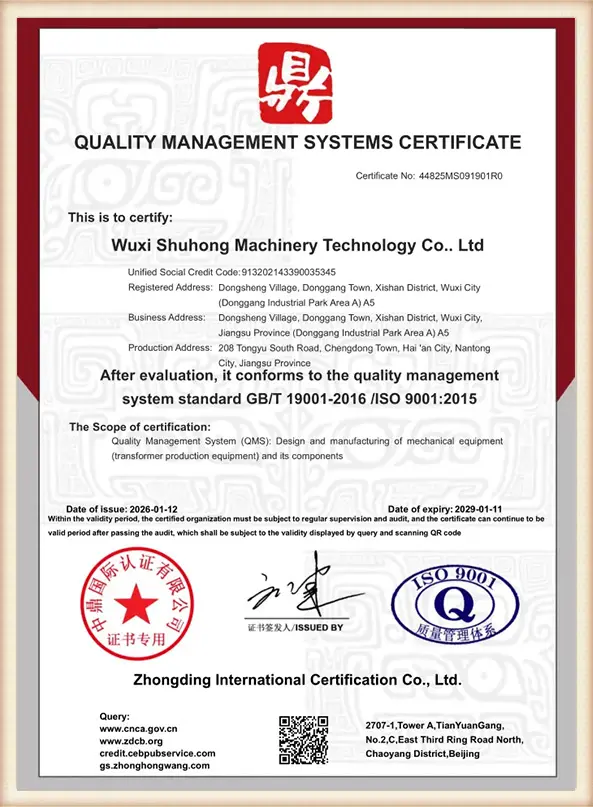
Our manufacturing and quality systems comply with standards to ensure long-term equipment reliability.
Select from our range of Eco-Design compliant transformers and high-precision core winding systems.
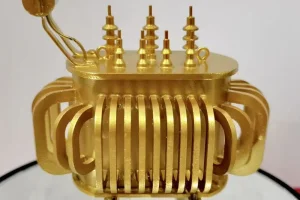
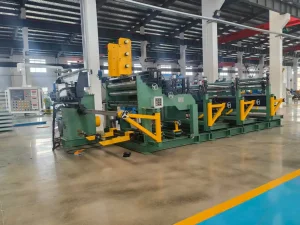
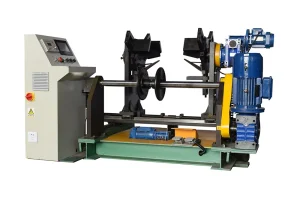
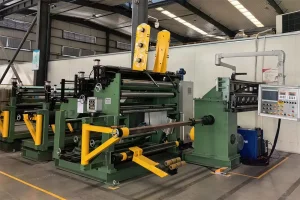
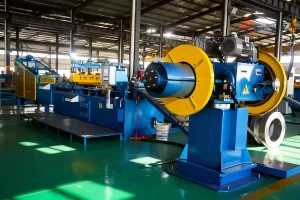
Technical updates and production engineering best practices from our design office.
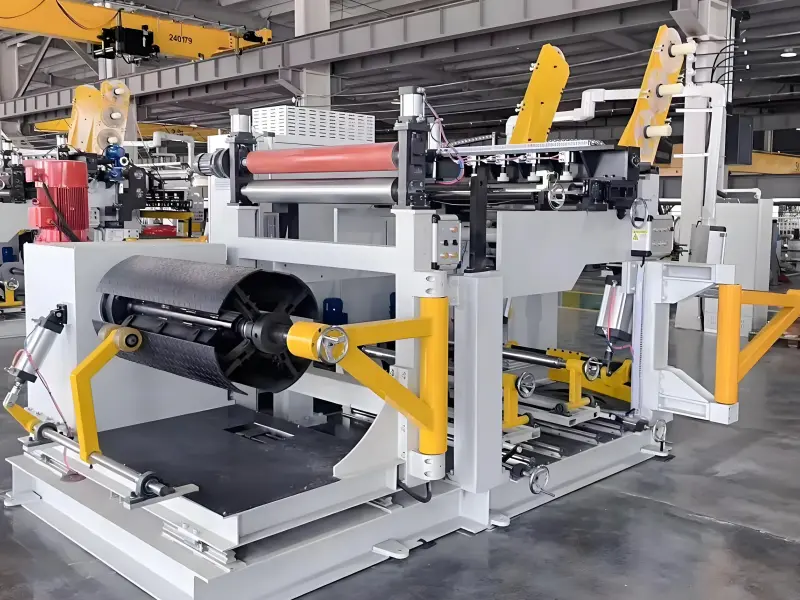
Stable tension control is critical during high-voltage winding. Rapid acceleration and deceleration parameters must be balanced with servo tension systems...
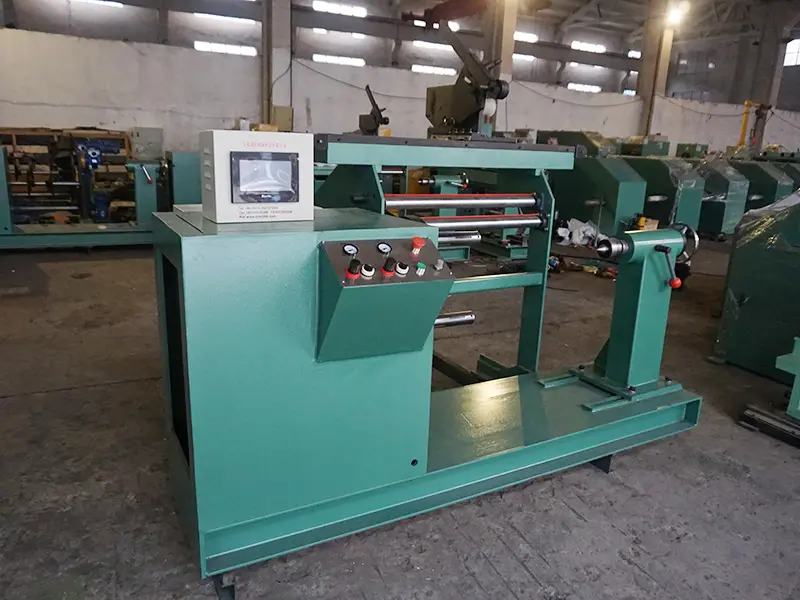
Wire jumping compromises dielectric strength. Through our feedback with international transformer plants, we developed dynamic pneumatic guides...
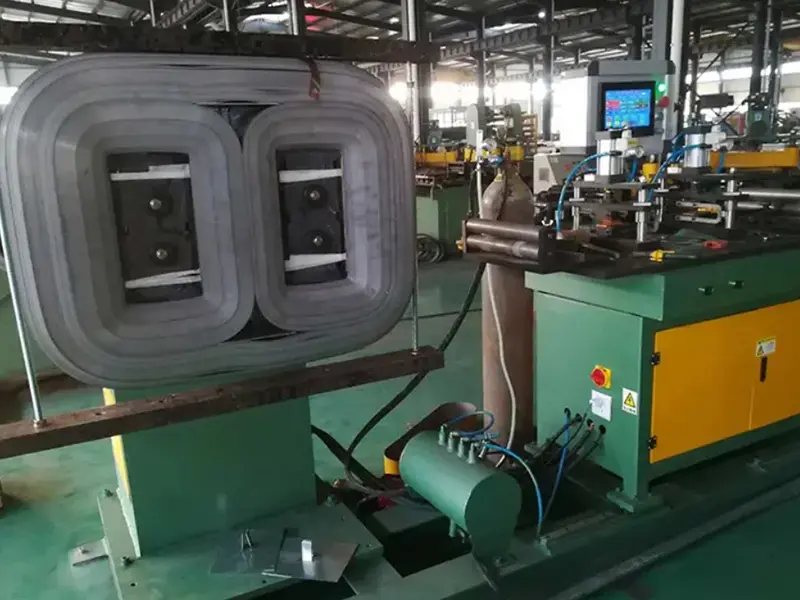
Modern smart factories demand data transparency. Our coil winding controllers integrate OPC-UA protocols, allowing real-time transmission of torque...
Important compliance, logistics, and technical information for importing transformers into the Netherlands.
Every transformer model designed for the EU region undergoes factory routine and type testing. We verify load and no-load losses according to EN 50588-1 and IEC 60076-20. The official CE Declaration of Conformity accompanies each unit, documenting maximum no-load (Po) and load (Pk) losses. Third-party testing certification is available upon project request.
Compared to standard planar stacked cores, 3D triangular cores feature a symmetrical three-phase magnetic circuit and no air-gaps at the joints. This yields up to a 35% reduction in no-load losses, reduces magnetostriction-induced noise (typical operating noise is below 40-45 dB, and even lower for liquid-immersed units), and cuts harmonic distortion. This is useful for grid compliance in residential zones and commercial developments.
Yes. To satisfy local water protection codes and mitigate environmental risks, we design and produce fluid-filled transformers using natural and synthetic esters (such as MIDEL 7131 or Cargill FR3). These fluids feature a high fire point (>300°C), are biodegradable, and do not pose a pollution threat to ground or surface waters.
We handle international logistics via direct sea freight shipping from China ports (such as Shanghai or Ningbo) to the Port of Rotterdam. The typical ocean transit time is 28 to 35 days. We provide comprehensive import-clearing documentation, packing lists, Bill of Lading, and structural test reports to ensure smooth customs clearance.
Connect with our technical design team to review configuration requirements, efficiency ratings, compliance certificates, and request formal project estimates.
Send Inquiry Now