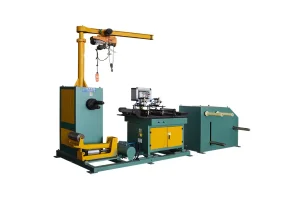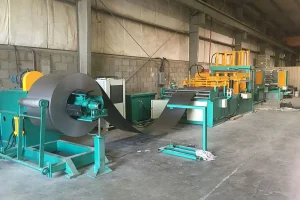
In the pursuit of net-zero emissions and power transmission optimization, modern grid infrastructures are shifting from traditional silicon steel laminations to advanced amorphous alloy systems. Amorphous metal cores, processed by rapid solidification techniques at cooling rates exceeding a million degrees Celsius per second, possess a non-crystalline atomic structure. This unique molecular architecture lacks grain boundaries, resulting in exceptional magnetic properties such as minimal coercivity, high electrical resistivity, and extremely low hysteresis loss.
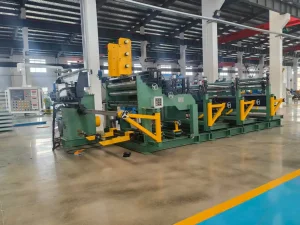
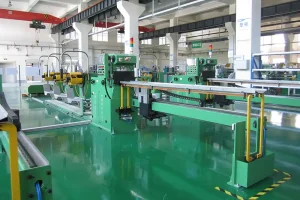
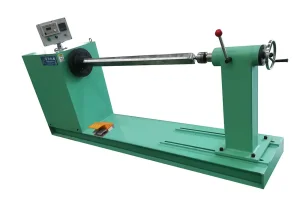
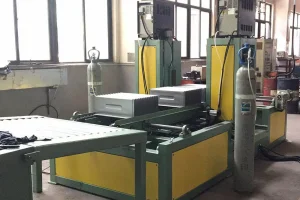
For industrial engineering and electrical infrastructure procurement, finding "cheap amorphous core factories" is not merely about finding a low unit cost; it is about establishing a production paradigm where advanced CNC cutting lines, vacuum annealing furnaces, and precise foil winding machinery are integrated to minimize total cost of ownership (TCO). By optimizing manufacturing tolerances and processing steps, modern factories lower upfront investment while preserving the long-term energy savings of amorphous transformers.
Explore our core engineering catalog, containing high-performance winding machines, CNC shearing systems, and eco-friendly transformers.
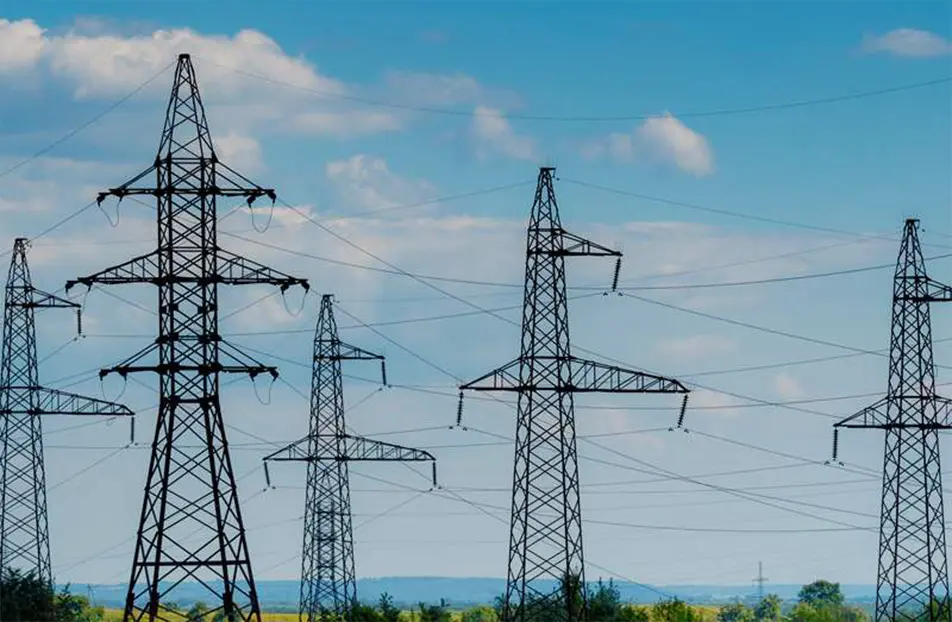
Global carbon neutrality demands strict efficiency standards on transformer fleets. Under the European Ecodesign Directive, the US Department of Energy (DOE) regulations, and China's GB20052 standards, utilities are incentivized to optimize grid assets. In modern distribution grids, transformers remain energized 24 hours a day, meaning that no-load losses (which occur constantly in the magnetic core regardless of load profile) account for a significant portion of utility waste.
Amorphous metal materials, predominantly composed of iron, boron, and silicon (Fe-B-Si), exhibit thin ribbon formats (typically 25 to 28 microns) and a random atomic layout. This structure eliminates grain boundary friction during magnetic alternation, reducing core loss by up to 70%-80% compared with conventional cold-rolled grain-oriented (CRGO) steel.
Integrating eco-friendly amorphous transformers directly contributes to carbon offset goals, supporting Tier-1 supplier qualifications for green energy grids.
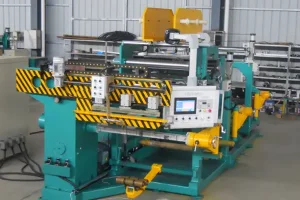
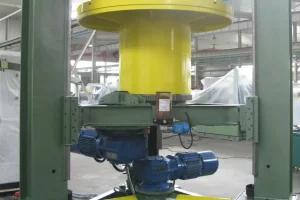
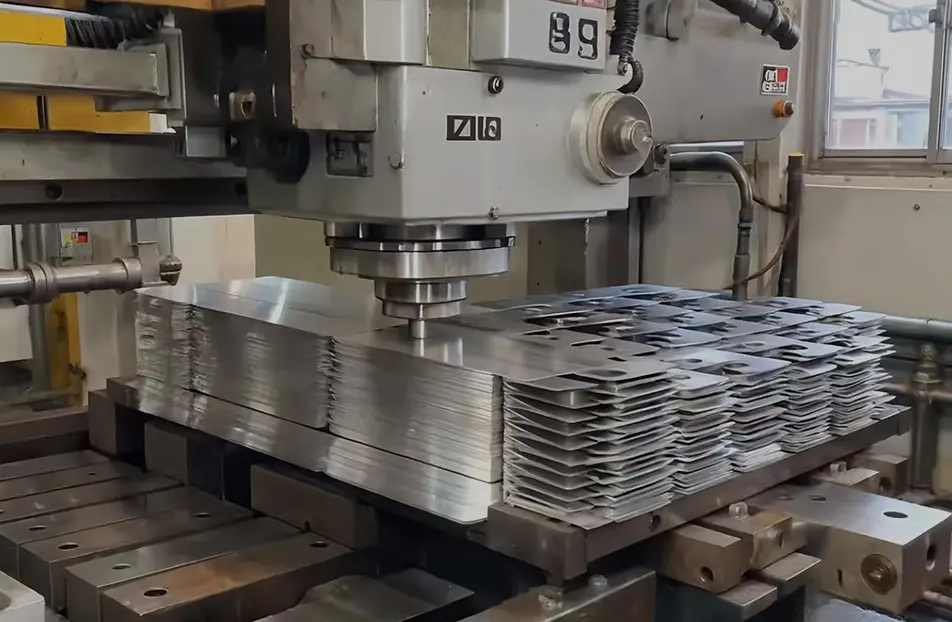
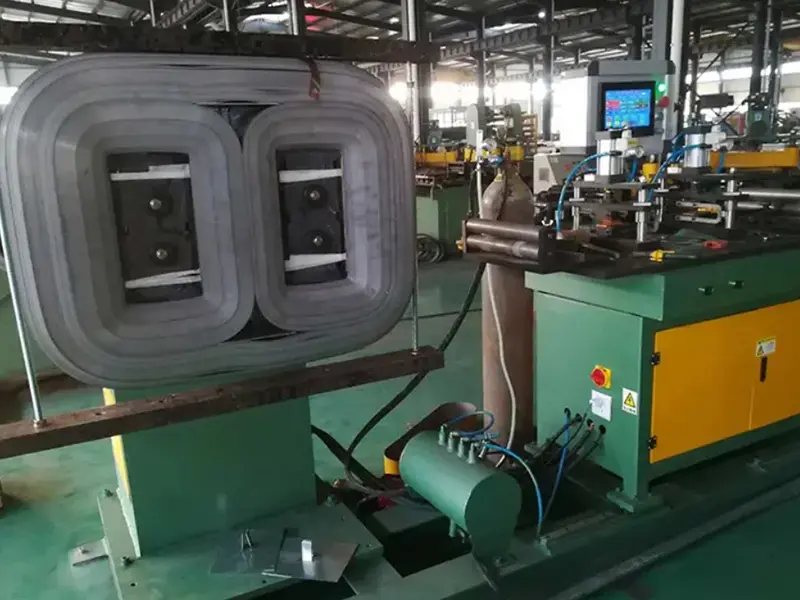
Our processing machines, including high-precision CNC shearing units, ensure neat stack profiles and minimal mechanical stress during core build-up.
Lower operating costs from reduced core losses outweigh the initial material investment, achieving amortization within a shorter operational window.
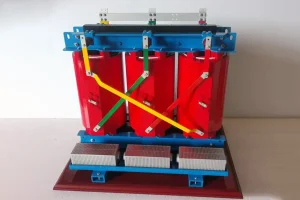
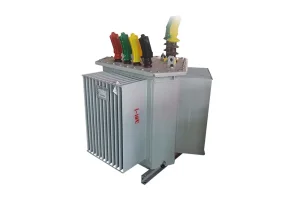
Comprehensive solutions across Core Machinery, Winding Technology, Tank Equipment, and Finished Transformers.
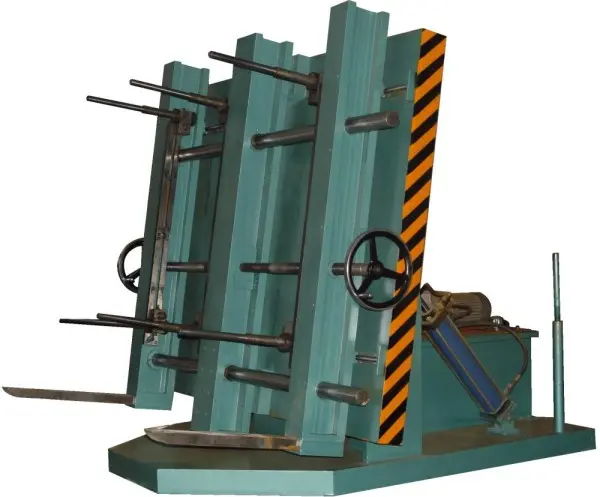
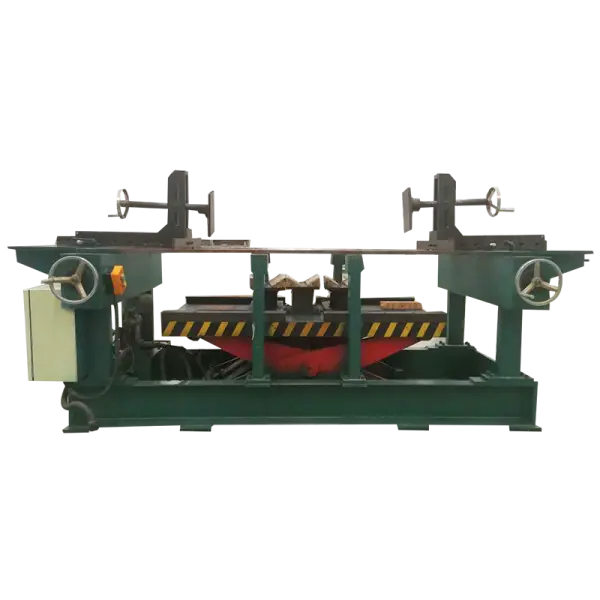
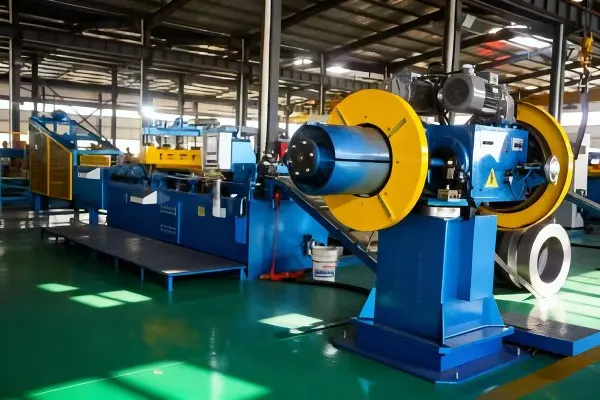
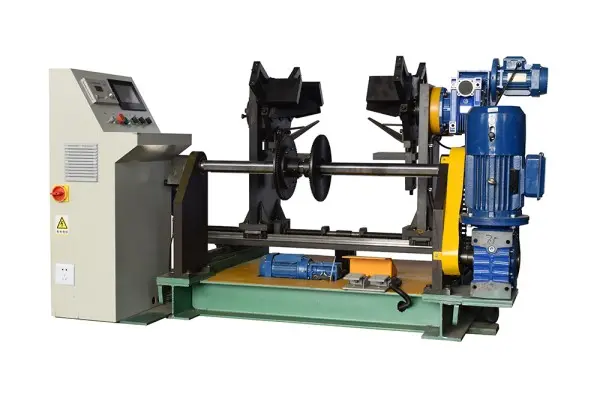
Wuxi Shuhong Machinery Technology Co., Ltd. is a leading manufacturer of electrical machinery and composite materials machinery. Our comprehensive product range includes silicon steel processing lines, amorphous iron core production setups, dry-type and oil-immersed coil winding systems, transformer oil tank lines, and dedicated tooling molds.
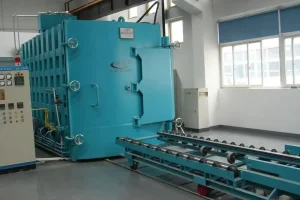
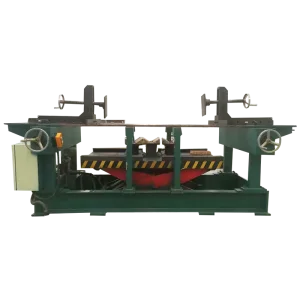
We manage the entire industrial chain, delivering machines that meet the strict requirements of international transformer manufacturers. From high-capacity turning tables to specialized vacuum annealing furnaces, we ensure consistent quality, reliable delivery, and long-term performance support.
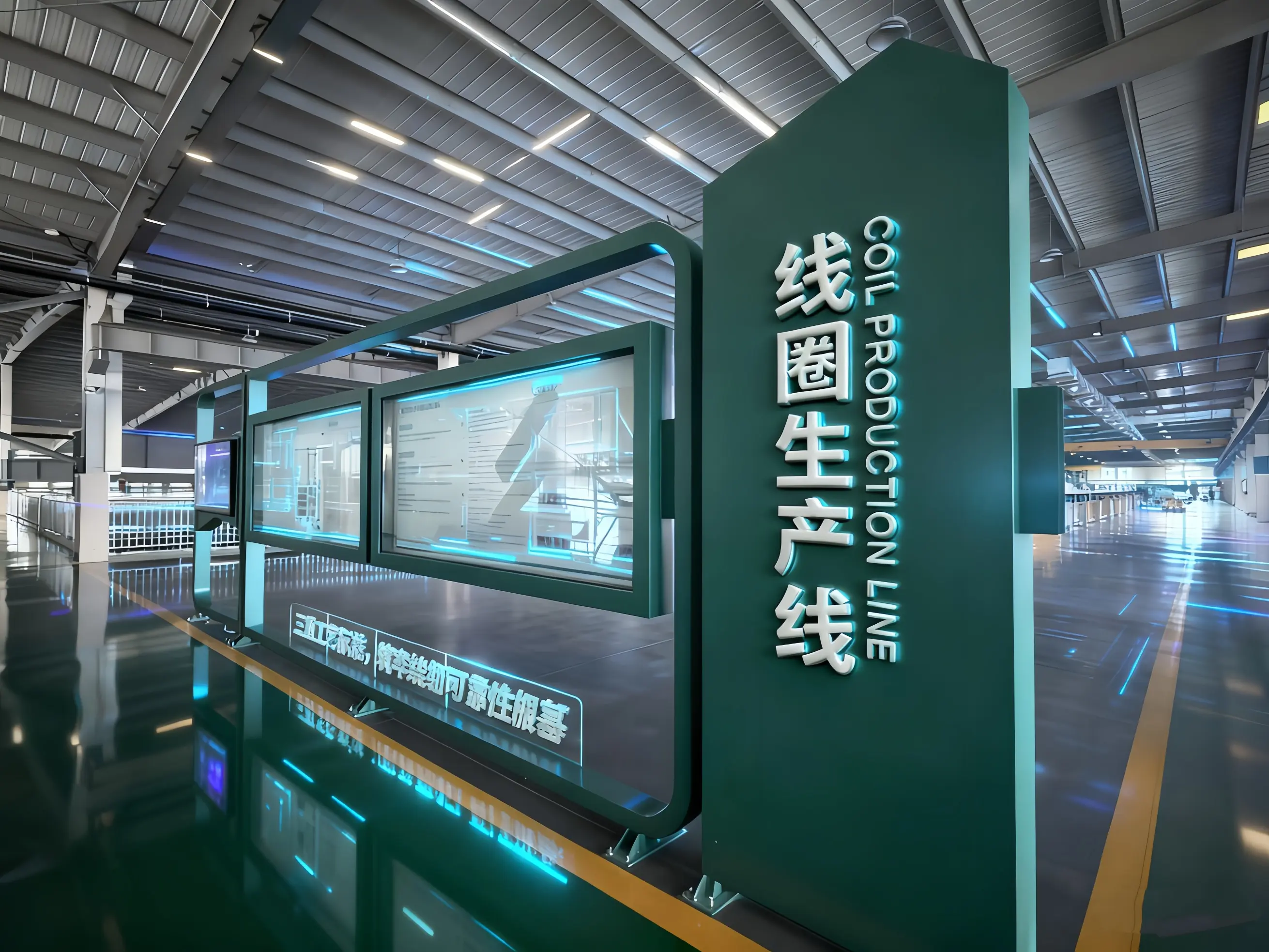
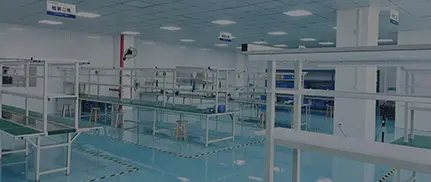
Discover Our FacilityWhy Tier-1 Grid Developers Settle on Our Production Integration and Quality Frameworks.

Direct production logistics eliminate intermediary markups, providing transparent and competitive quotations.

Tailored manufacturing parameters to meet regional grid codes, size constraints, and capacity demands.

On-site installation support, custom tooling calibration, and operational training for your factory floor.

Streamlined logistics and standard components inventory ensure fast responses to system upgrades.
The production of high-performance amorphous cores requires careful management of mechanical stress. Due to their thin structure, amorphous ribbons are highly sensitive to physical force. Mechanical stress introduced during slitting, cutting, or core configuration can alter the material's magnetic domains, significantly increasing core loss.
To restore optimal magnetic performance, assembled cores undergo a critical vacuum annealing process. The core is heated in a protective atmosphere, such as vacuum or nitrogen, to approximately 350°C to 400°C, and then slowly cooled. Applying a DC magnetic field during this thermal cycle aligns the magnetic domains along the flux path, reducing no-load current. This process also mitigates magnetostriction, which helps reduce acoustic noise in the final transformer installation.
When choosing an amorphous core partner, procurement teams evaluate the Total Cost of Ownership (TCO). While amorphous core transformers have a higher initial material cost compared to silicon steel variants, their reduced energy waste provides continuous savings over their 25-to-30-year operational life.
Working directly with vertically integrated Chinese manufacturers like Wuxi Shuhong allows developers to obtain quality materials and assembly machines without high agent markup. This enables global grid projects to meet strict efficiency regulations while managing capital budgets.
Explore where our amorphous core processing and transformer technologies are deployed globally.
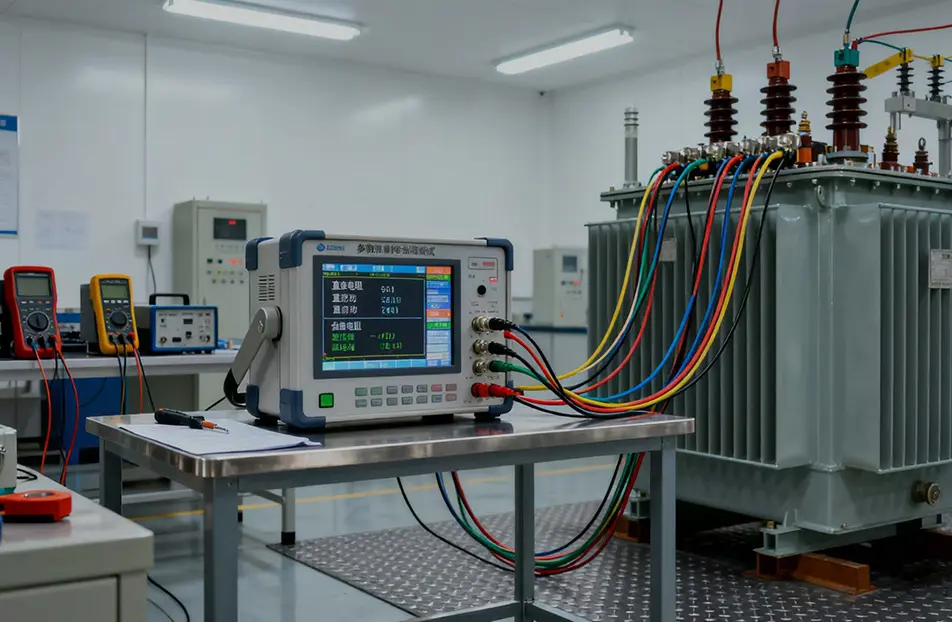
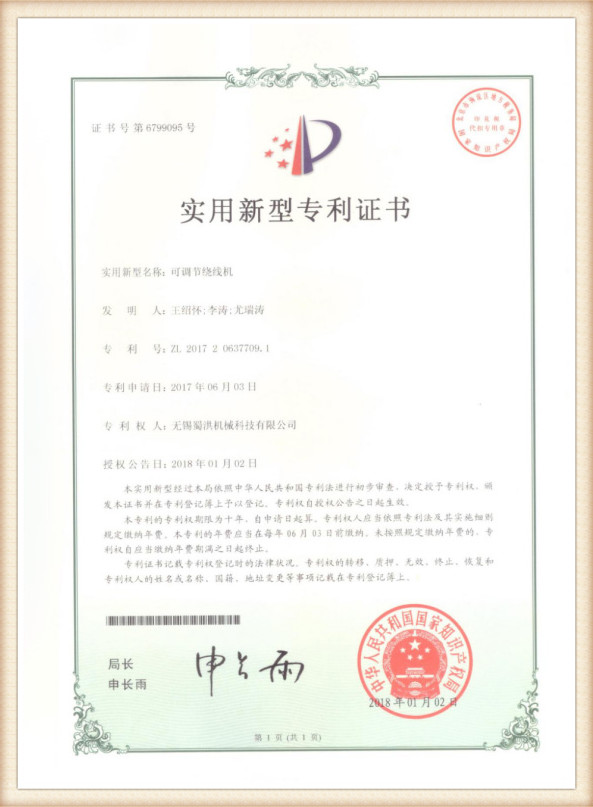
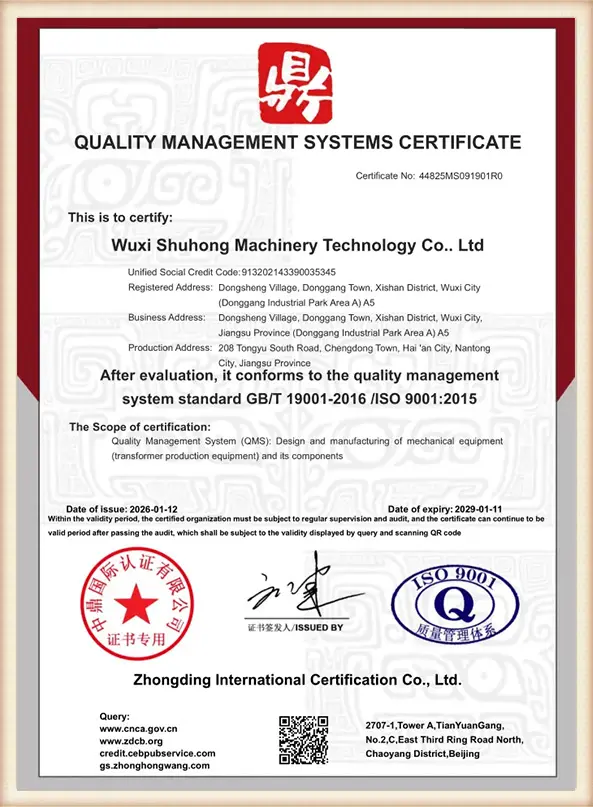
Compliance and standardized testing ensure reliable operation across global grid frameworks.
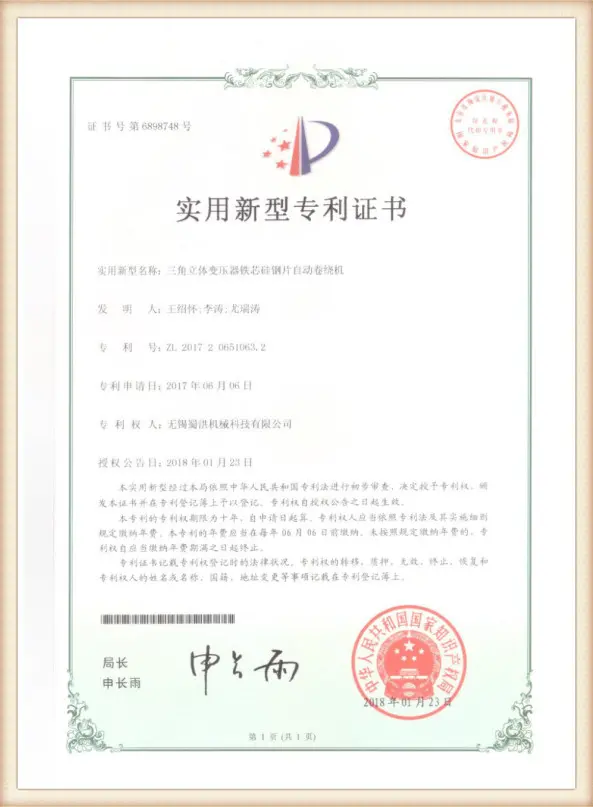
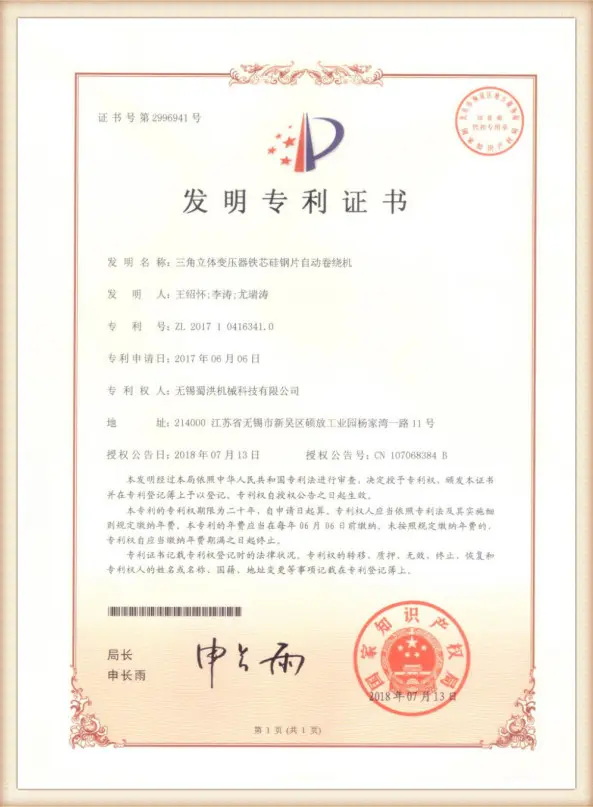
Read about recent engineering updates, factory upgrades, and process optimizations in coil winding and core cutting.
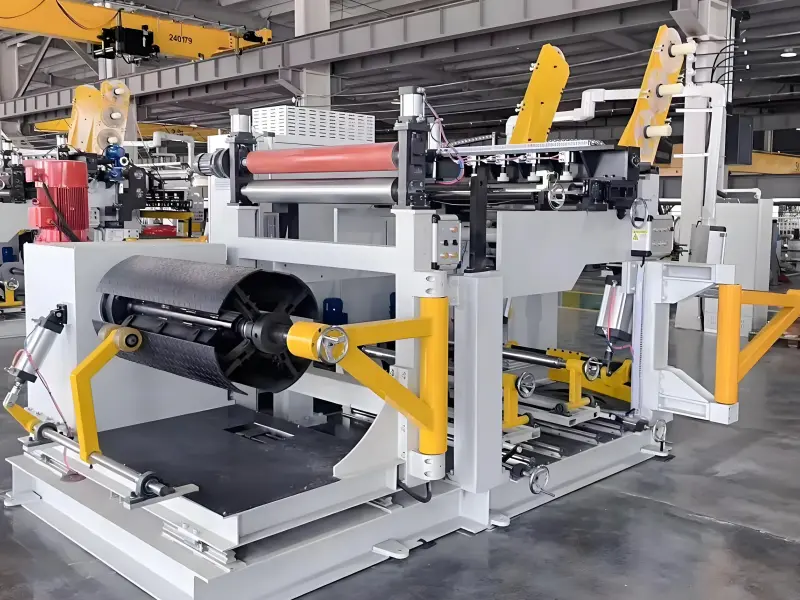
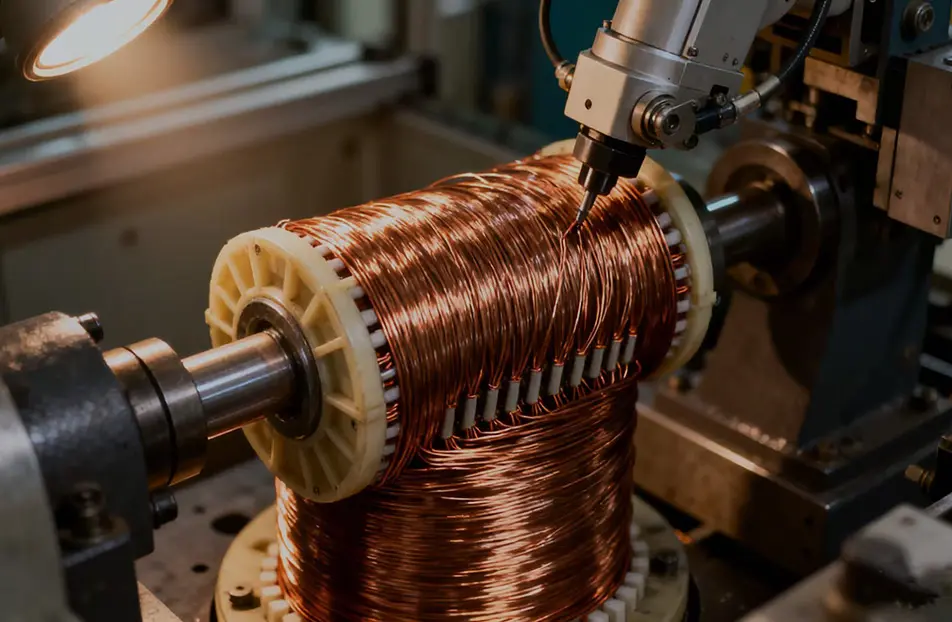
Maintaining uniform tension in high-power foil winding avoids mechanical stress anomalies, protecting the thin amorphous layers from damage.
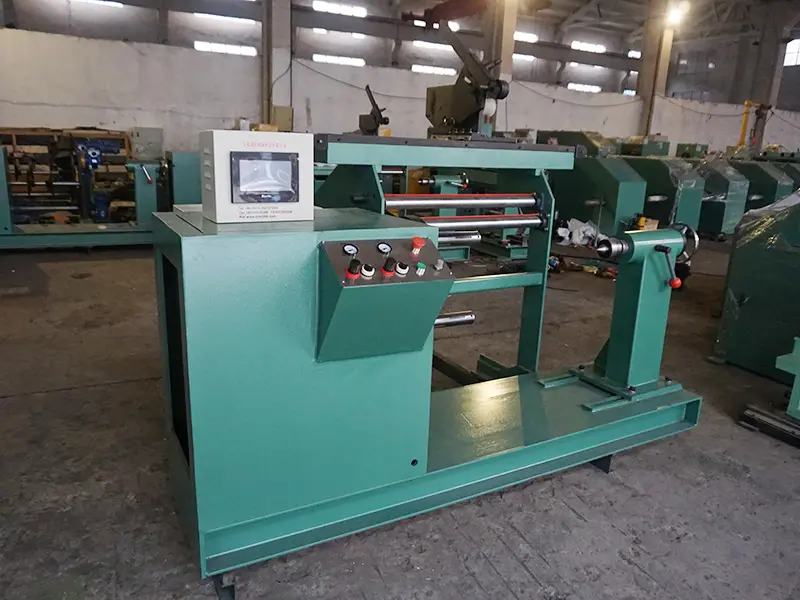
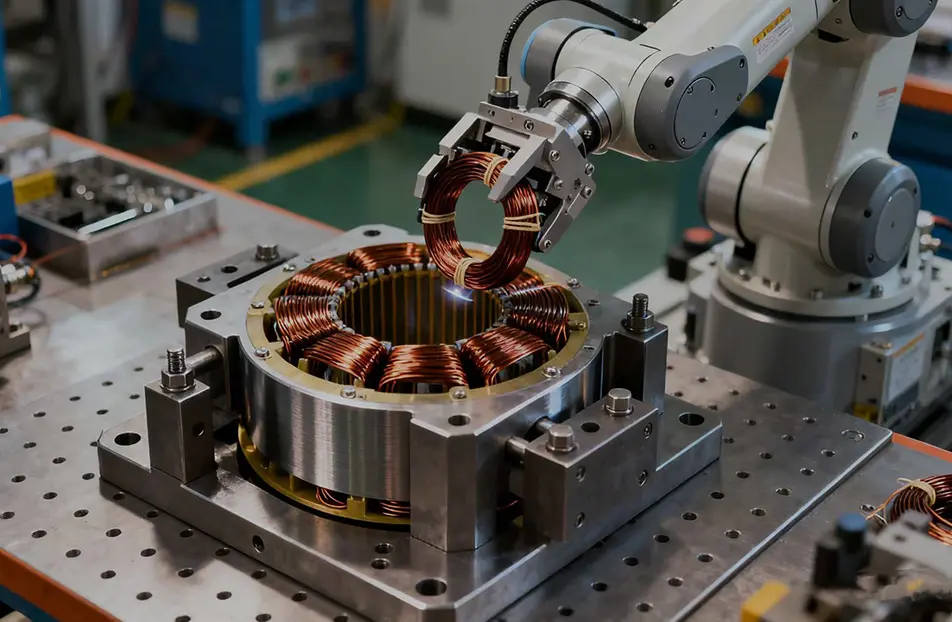
How specialized precision layout systems prevent wire crossover and insulation breakdown in high-voltage transformer coils.
Linking coil winding and cutting systems to central MES platforms allows real-time quality tracking and reduces production errors.
A common challenge in using Fe-B-Si amorphous ribbon is its brittleness after annealing. The thin ribbons are prone to micro-cracking and flaking under mechanical stress, which can lead to localized short circuits and hot spots.
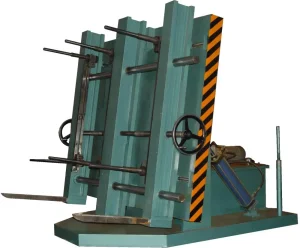
To address this, leading factories use advanced resin coating techniques to encapsulate the core surfaces and edges. This protective barrier stabilizes the laminations, reduces noise transmission, and catches stray particles. Specialized core assembly tables and low-voltage winding units help operators handle core sections with minimal impact, maintaining core integrity and efficiency.
Deploying amorphous core transformers across different regions requires strict compliance with local standards. In North America, equipment must align with ANSI/IEEE C57 requirements for distribution transformers, including specific short-circuit withstand capabilities and basic impulse insulation levels (BIL). In Europe and international markets under IEC 60076, eco-design regulations dictate maximum allowable load and no-load losses.
By working with factories that offer custom design solutions, engineering teams can configure core geometries and winding configurations to meet regional specifications. This ensures that the final products integrate smoothly into municipal distribution networks, private industrial substations, or large renewable energy projects.
Common technical and commercial questions about amorphous metals and core processing equipment.
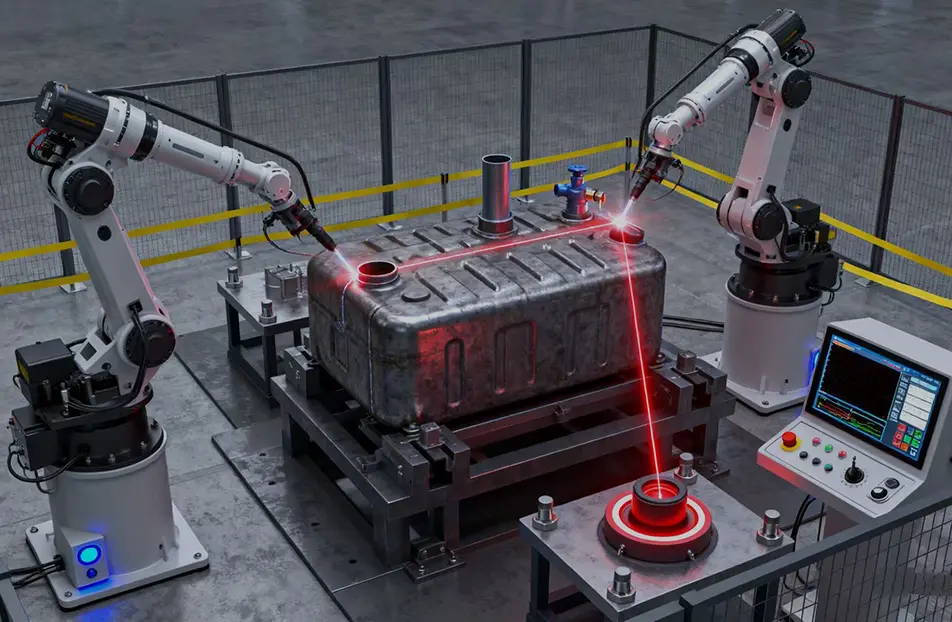
Review our specialized systems, from high-precision winding equipment to vacuum annealing systems and corrugated steel welding machines.
Contact Wuxi Shuhong Machinery Technology today to discuss custom system configurations, factory design solutions, and factory-direct pricing structures.
Submit Technical Inquiry