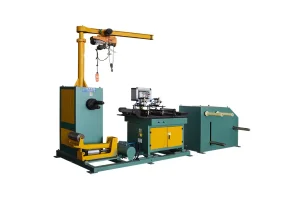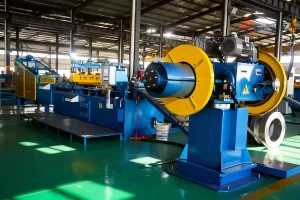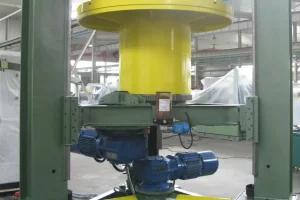
The global power distribution landscape is undergoing a radical shift. As nations strive for "Net Zero" targets, the demand for efficient Low Voltage (LV) and Medium Voltage (MV) equipment has skyrocketed. "Cheap" in the modern industrial context no longer refers to inferior quality; rather, it signifies Total Cost of Ownership (TCO) optimization through advanced manufacturing efficiency. High-precision machinery, such as CNC silicon steel slitting lines and amorphous core assembly tables, allows manufacturers to reduce material waste and energy loss, translating to cost-effective service for utility providers and industrial complexes.
Our macro solutions focus on the integration of smart grid technologies. By utilizing 3D wound cores and high-efficiency planar transformers, we address the critical need for voltage stability in renewable energy grids. These technologies are pivotal for solar farms, wind turbine substations, and EV charging infrastructures where load fluctuations are frequent and demanding.
Currently, the market is bifurcated between high-end automated solutions in Europe and North America, and rapidly scaling cost-efficient manufacturing hubs in Asia, led by China. Wuxi Shuhong Machinery stands at the intersection of these two worlds, providing "Best Industrial-Grade" equipment that meets IEC and IEEE standards while maintaining competitive pricing through full industrial chain layout. The global shift toward decentralized power generation means that MV/LV transformers are no longer just passive components; they are now intelligent nodes capable of remote monitoring and self-diagnosis.
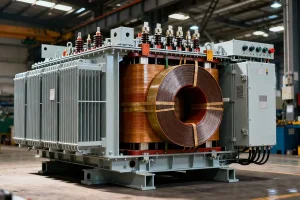
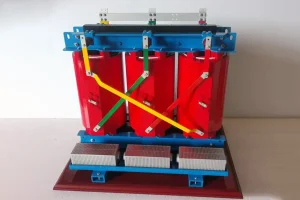
Traditional stacked core transformers are limited by their geometric constraints, leading to significant no-load losses. Our technical roadmap prioritizes 3D Triangular Rolled Core technology. By using CNC 3D wound core cutting machines, we eliminate the air gaps found in traditional miter joints, resulting in a magnetic circuit that is nearly perfectly continuous. This is the cornerstone of our "Green Electrical Projects" initiative, providing leakage-free, environmentally friendly dry-type transformers for urban high-rise buildings and data centers.
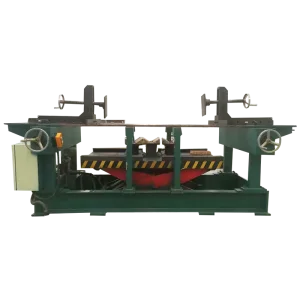
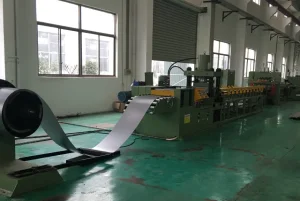
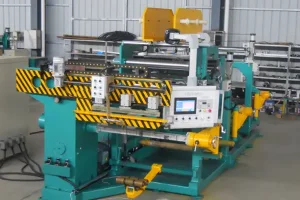
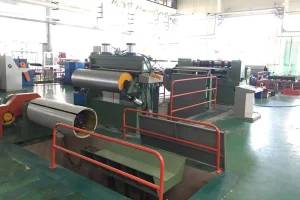
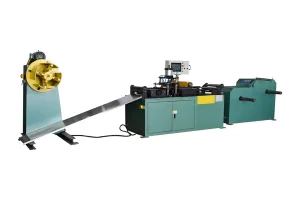
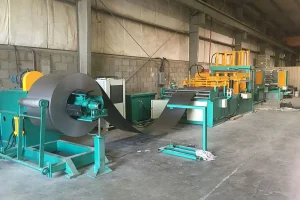
High-precision Amorphous alloy CNC shearing and silicon steel slitting equipment for maximum magnetic permeability.
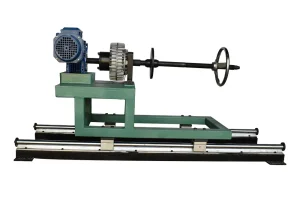
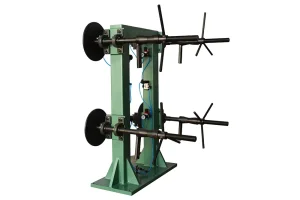
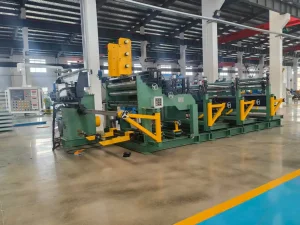
Three-layer foil winding machines designed for high-power industrial equipment, ensuring superior thermal dissipation.
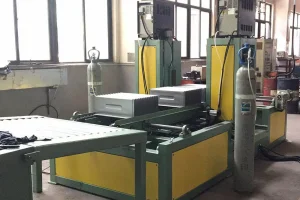
Automatic corrugated sheet welding and forming machines for oil-immersed cooling systems, ensuring leak-proof longevity.
Navigating the regulatory landscape of different regions—from the NEC in the United States to the CE/EN standards in Europe—requires deep domain expertise. We provide comprehensive documentation and certification support (ISO, CE, UL readiness) to ensure that our transformer manufacturing equipment and end-products can be integrated into any local grid seamlessly. Our "Factory Direct Sales" model includes localized installation support and transparent pricing, removing the uncertainty often associated with global sourcing.
Wuxi Shuhong Machinery Technology Co., Ltd. is a leading manufacturer specializing in electrical machinery. Our expertise spans silicon steel production lines, amorphous core processing, and full transformer oil tank production workflows. With a commitment to innovation, we provide the tools that build the world's power grids.
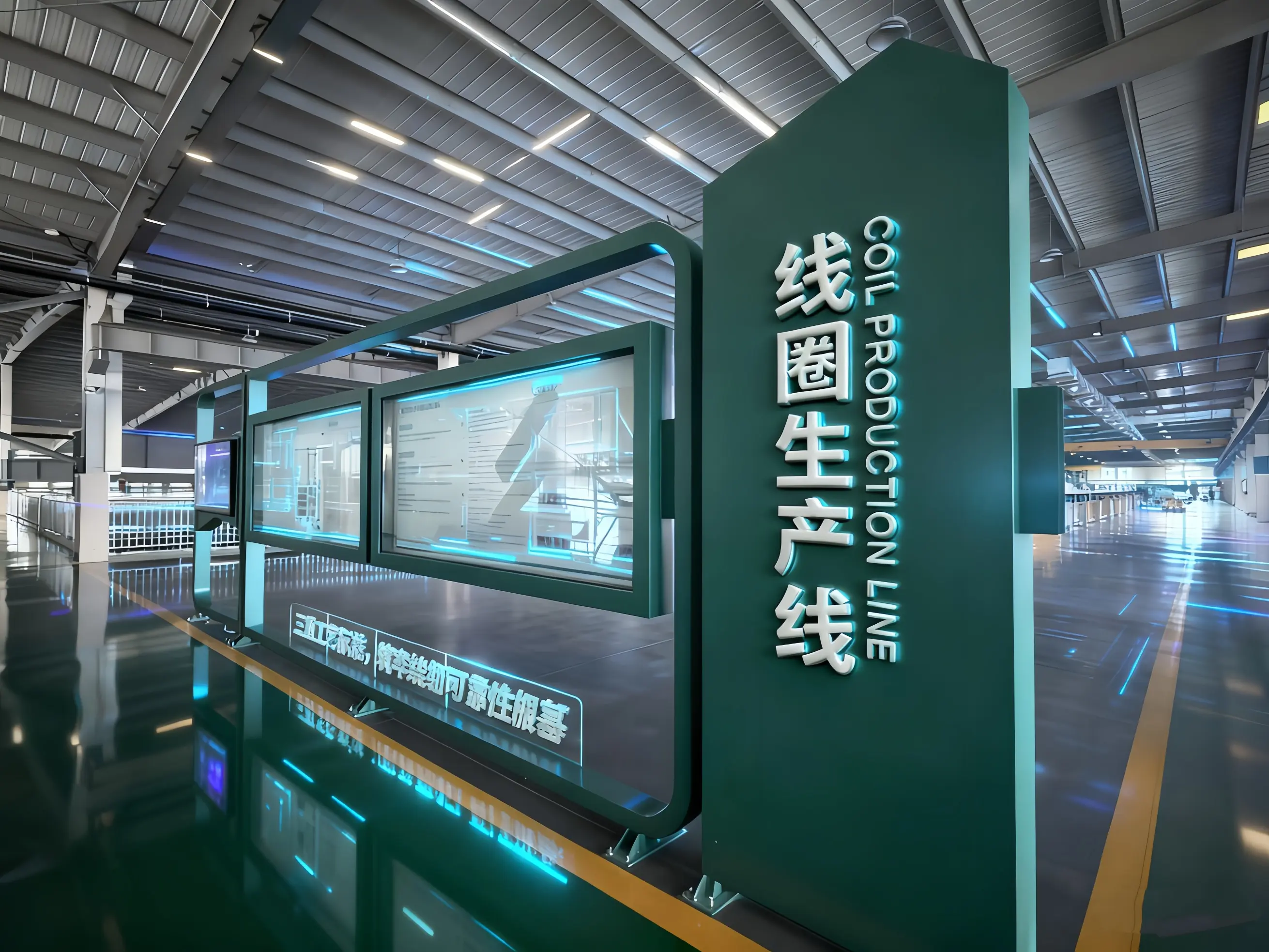

No hidden charges, clear quotations.

Tailored engineering for unique needs.

Comprehensive after-sales service.

Ultra-fast technical feedback.
A: Amorphous alloy cores offer up to 70-80% lower no-load losses compared to traditional silicon steel, making them ideal for utility grids aiming for high energy efficiency and lower long-term operational costs.
A: CNC precision ensures minimal burrs and exact widths for silicon steel strips. This reduces eddy current losses and improves the stacking factor, directly enhancing the transformer's efficiency.
A: Yes, our high-precision horizontal and vertical winding machines are designed with adjustable tension controls to accommodate both conductive materials while maintaining insulation integrity.
A: Thanks to our industrial-grade components and AI-driven monitoring, routine maintenance is typically required every 2000 operational hours, focusing on lubrication and blade calibration.