
Direct-from-factory procurement options with competitive global delivery structures
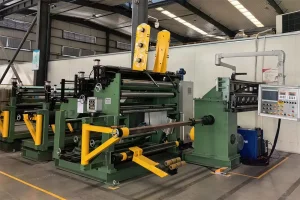
High-precision double-layer copper/aluminum foil winding systems optimized for industrial distribution transformer manufacturing.
Explore Specifications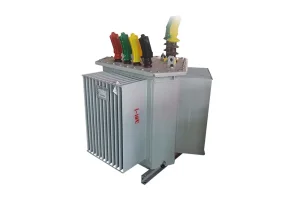
State-of-the-art 3D core geometry minimizing no-load loss, reducing structural weight, and mitigating magnetic noise emissions.
Get Quote & Info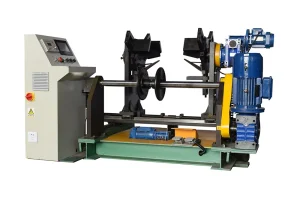
Industrial core-winding apparatus engineered for consistent tensioning and precise geometric execution of 3D cores.
Technical Specs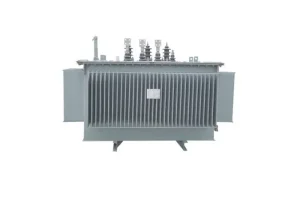
Ultra-low loss alloy metal chemistry core, delivering up to 75% reduction in standby energy consumption for distribution systems.
View Customization
Affordable, high-precision wound core manufacturing line for medium to high-voltage grid application transformers.
Request Pricing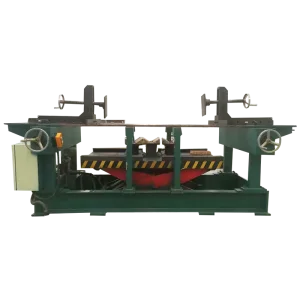
Specialized mechanical assembly tables designed to support fragile amorphous ribbon steel cores during the final assembly phases.
Design Blueprint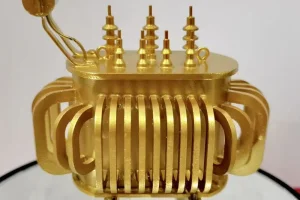
Reliable heavy-duty cooling configuration with mineral oil insulation, suitable for severe industrial plant deployments.
Procurement Details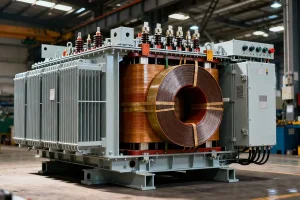
Optimized core profiles reducing copper usage while providing superior electromagnetic field containment and low leakage.
Review PerformanceIn the context of the global transition to renewable energy sources, the modernization of power distribution infrastructure faces structural challenges. Supply chain volatility, soaring raw material costs (specifically grain-oriented silicon steel and high-purity copper conductors), and prolonged lead times at major manufacturing facilities have combined to create severe bottlenecks. Securing a reliable supply of transformers is no longer merely a procurement task; it is a critical strategic component of modern grid deployment.
Industrial procurement professionals, utility operators, and EPC contractors require a balance between fiscal efficiency and technical compliance. The availability of discount transformer delivery networks, supported directly by advanced Chinese manufacturing facilities, presents a viable solution to bridge the gap between restricted budgets and immediate capacity demands.
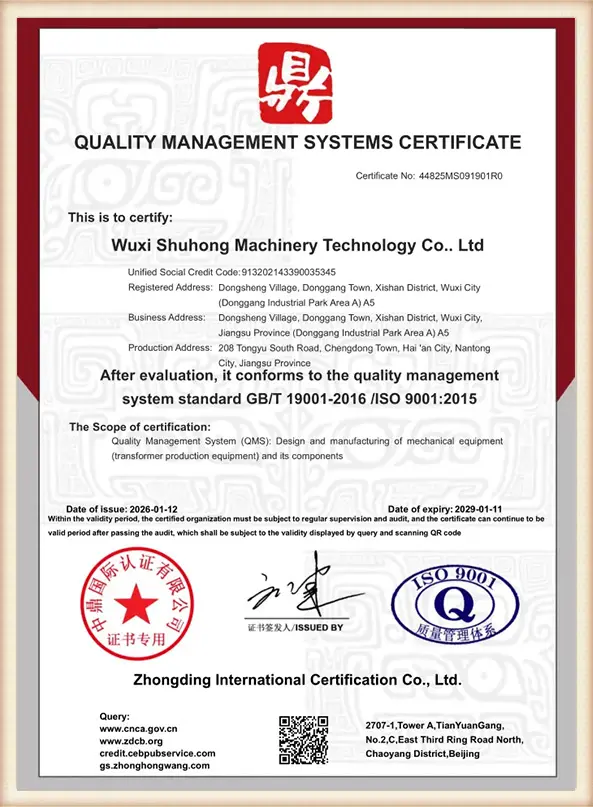
The manufacturing ecosystem in China has shifted from simple assembly operations to fully integrated, automated smart production facilities (Factory 4.0). Wuxi Shuhong Machinery Technology Co., Ltd. represents this development, operating a comprehensive industrial chain layout. By controlling the production tools—such as CNC steel slitting lines, 3D wound core winding systems, and automated foil winders—these facilities maintain high standards of precision and cost control across the entire production cycle.
By producing critical manufacturing machinery in-house, modern factories eliminate third-party supply risks and maintain tight control over quality variables. From the initial slitting of Cold-Rolled Grain-Oriented (CRGO) steel sheets to the final vacuum pressure impregnation (VPI) of dry-type insulation layers, each step is monitored by digital control systems. This integrated approach ensures consistent reliability while lowering overall production costs.
Furthermore, China’s industrial proximity to raw material refining centers—such as high-grade electrical steel mills and copper extrusion operations—helps shield international buyers from sudden material surcharges, ensuring stable pricing and predictable delivery timelines.
Explore the technological evolutions shaping high-efficiency magnetic cores and coil structures
Utilizing rapid solidification technology to lock metal atoms in a disordered, glass-like structure. This removes grain boundaries, lowering hysteresis loss and offering excellent energy-saving performance under light-load or standby conditions.
Replacing traditional flat-stacked mitered joints with a continuously wound, three-dimensional triangular ring design. This arrangement creates a balanced three-phase magnetic circuit, minimizes core weight, and lowers noise emissions.
Using Vacuum Pressure Impregnation (VPI) with high-temperature class-H epoxy resin. This process prevents air pockets in the winding block, offering reliable resistance to environmental moisture, thermal cycles, and mechanical stress.
Explore the specialized production systems that enable high-precision coil winding and core assembly

Ensures safe, damage-free rotation of stacked silicon steel cores from horizontal assembly to vertical standing position.

Precision work platform to align and secure fragile amorphous alloy ribbons without degrading magnetic qualities.

CNC control for precise cutting of transformer step-lap cores, minimizing air gap losses.

Specially designed to wind circular closed-loop cores directly, ensuring tight tension and consistent geometries.

Automates winding for R-Type planar cores, providing high filling factors and excellent magnetic stability.

Restores optimal magnetic properties to sheared/wound steel cores by relieving mechanical stress in a controlled atmosphere.

High-speed shearing machine designed for thin, brittle amorphous alloy ribbons, ensuring clean edges.

High-precision longitudinal slitting of master silicon steel coils into target widths for step-lap cores.
Operating a modern grid system requires alignment between electrical specifications and environmental operating conditions. Industrial operations demand robust setups to withstand voltage surges, short circuits, and environmental contaminants. Whether supplying a grid project in North America or a mining facility in Western Australia, transformers must comply with specific regional standards and operational stresses.
Solar and wind collector networks often face harmonic distortion, frequent switching surges, and variable loads. Transformers designed for solar applications feature multi-winding secondary layouts to integrate separate inverter streams, alongside heavy shielding to protect against high-frequency harmonics.
Industrial processing, chemical plants, and heavy mining setups require durable power solutions. Custom oil-immersed cooling units use non-flammable synthetic esters or premium mineral oils to manage heat, while hermetically sealed corrugated expansion tanks adjust to temperature fluctuations without requiring regular maintenance.
For installations in public buildings, hospitals, and high-density areas, safety is a primary concern. VPI or cast-resin dry-type transformers are often selected here because they remove the risk of oil leaks, feature self-extinguishing safety properties, and operate with low noise levels.
A key challenge in purchasing transformers from global suppliers is ensuring compliance with regional utility standards. Products must align with specific local and international codes to verify safety and performance:
Modern factories verify compliance through comprehensive testing protocols. Before dispatch, units undergo routine testing (winding resistance, voltage ratio, phase displacement, no-load loss, and insulation impedance checks) alongside type-tests (impulse and temperature rise tests) monitored by third-party inspection firms like SGS or Intertek.
End-to-end engineering, transparent factory-direct pricing, and dependable logistics support
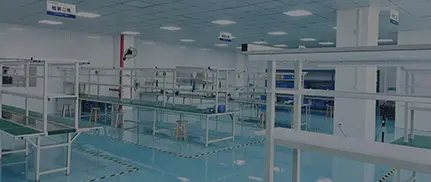

Clear, engineering-focused answers to critical questions about transformer design, sourcing, and logistics
Factory direct procurement of processing machinery and completed dry-type/oil-immersed models
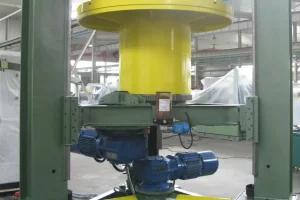
Designed for heavy high-voltage coils, keeping structural shape concentric and minimizing mechanical stress during winding.
Get Pricing Info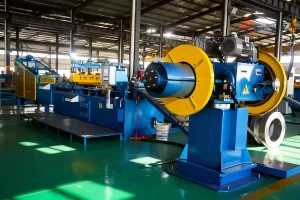
CNC automated cutting system that handles step-lap cutting profiles for core stacking with speed and precision.
Learn More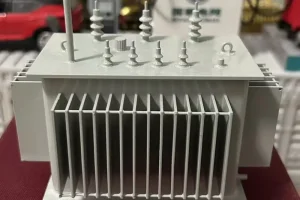
Constructed with high-permeability silicon steel to reduce excitation current requirements in industrial operations.
Request Specs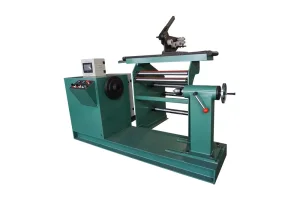
Features high-torque servo-motors and automatic wire guiding for neat, structured coil layouts on high-voltage systems.
Product Profile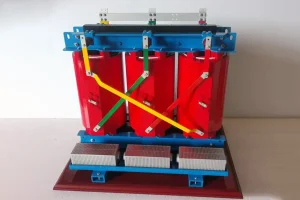
An eco-friendly, leak-free distribution design suitable for commercial buildings, transit networks, and industrial facilities.
Explore Design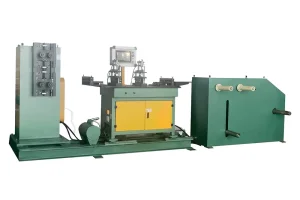
Optimizes copper utilization by aligning conductor turns tightly across the core, reducing overall footprint.
View Demo
Features adjustable mandrel configurations and computerized program controls to wind varying planar core geometries.
Technical Specs
Class H insulation with high mechanical strength. Designed to resist thermal shock and short-circuit forces without oil insulation.
Request PricingOptimize your project budget and lead times. Connect with our engineering and logistics support teams for a complete quote matching your specifications.
Inquiry Now & Request Technical Consultation