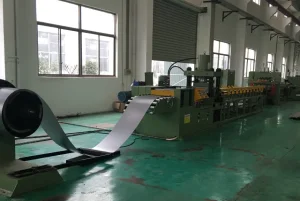
Industry-leading precision for silicon steel and amorphous core processing
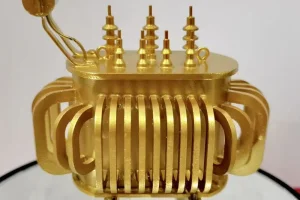
As the world pivots toward renewable energy and smart grid integration, the demand for high-efficiency transformers has reached unprecedented levels. Modern power distribution requires not just standard voltage conversion, but "Intelligent Transformers" capable of handling fluctuating loads from solar and wind farms. The wholesale transformer manufacturing sector is currently undergoing a paradigm shift, moving from traditional stacked silicon steel cores to advanced 3D wound cores and amorphous alloy technologies.
Manufacturers worldwide are facing the challenge of upgrading aging infrastructure. In North America and Europe, the focus is on grid resilience and decentralized energy storage. Meanwhile, in rapidly developing regions of Southeast Asia and Africa, the priority is the rapid deployment of cost-effective, durable distribution units. This divergence in market needs has made specialized manufacturing equipment—such as CNC cross-cutting lines and automatic foil winding machines—essential for staying competitive in the global procurement landscape.
CAGR Global Growth
Energy Loss Reduction
Exporting Countries
Production Uptime
Wuxi Shuhong Machinery utilizes China's unparalleled industrial ecosystem. By locating our production in the heart of the Yangtze River Delta, we gain immediate access to high-grade silicon steel, precision electronic components, and advanced metallurgical services. This allows us to provide factory-direct pricing without compromising on international standards.
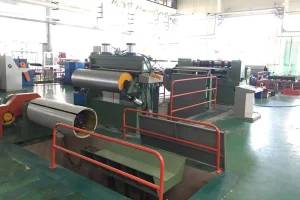
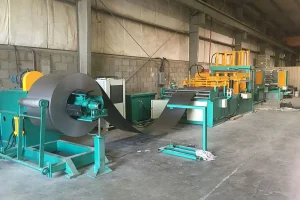
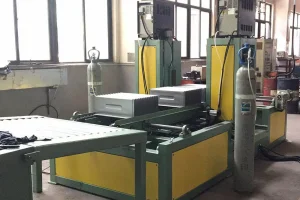
Our CNC Longitudinal Slitting Equipment and Amorphous Alloy Core Shearing Machines represent the pinnacle of automated precision. With tolerance levels measured in microns, our machines ensure that every core laminations fit perfectly, reducing magnetic leakage and vibration noise in the final transformer product.
Unlike standard equipment resellers, we focus on exclusive customized solutions. Whether it's a specialized 3D triangular rolled core transformer or an environmentally friendly dry-type unit for a green electrical project, our engineering team adapts our machinery to meet specific regional voltage and frequency requirements.
Deploying specialized transformer solutions across diverse industrial environments
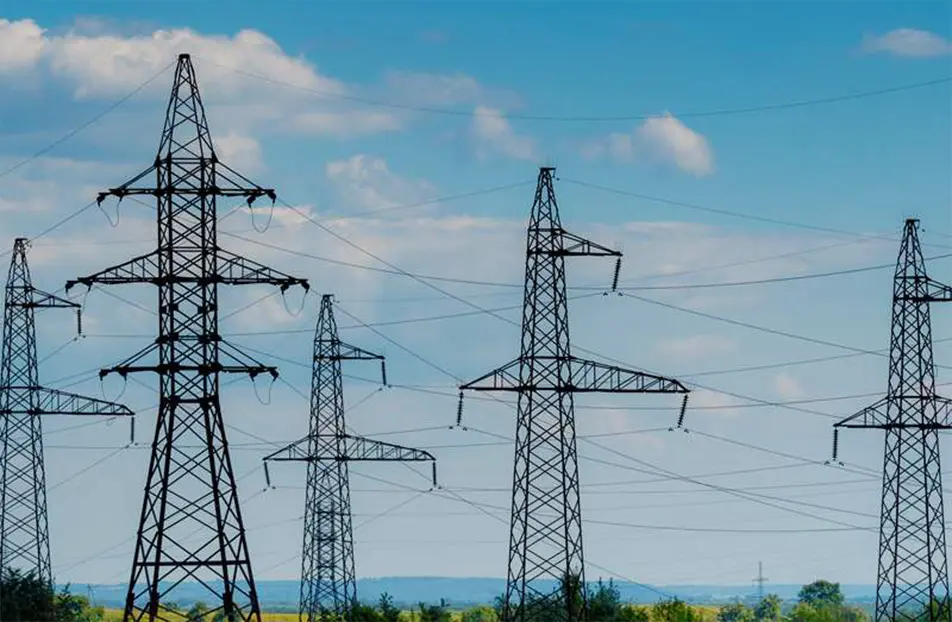
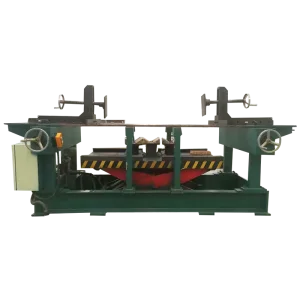
Reliable distribution for urban and rural electrification projects.
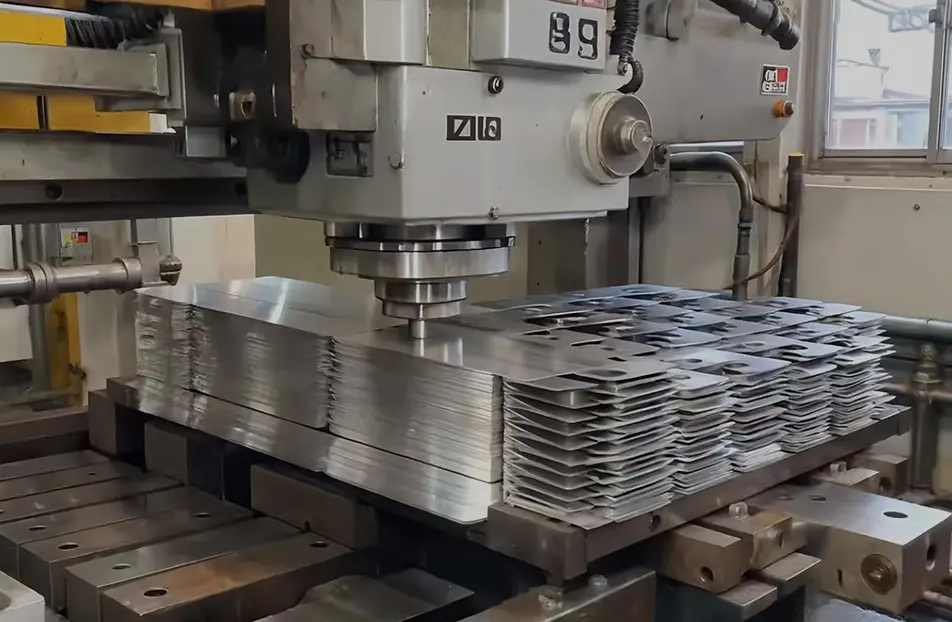
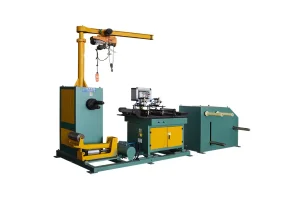
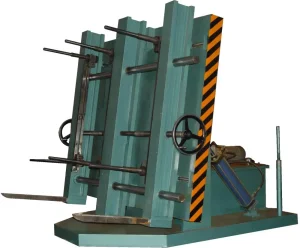
Optimized for high-flux silicon steel and amorphous metals.
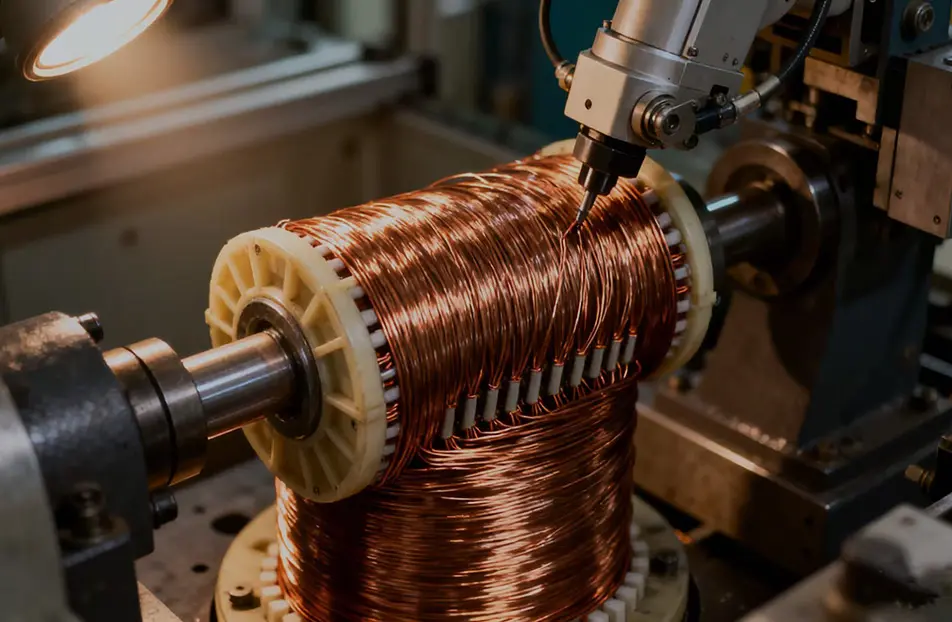
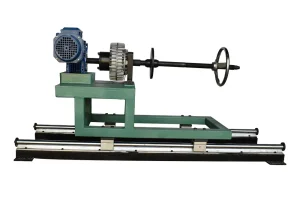
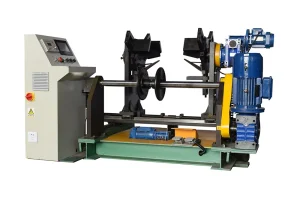
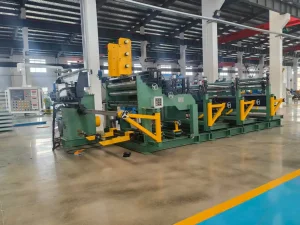
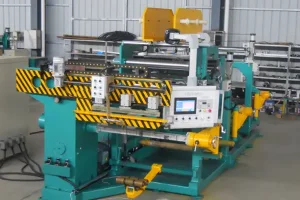
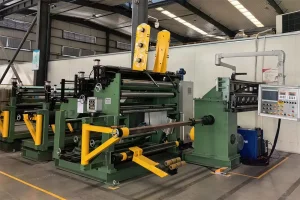
Automated tension control for high-voltage foil and wire.
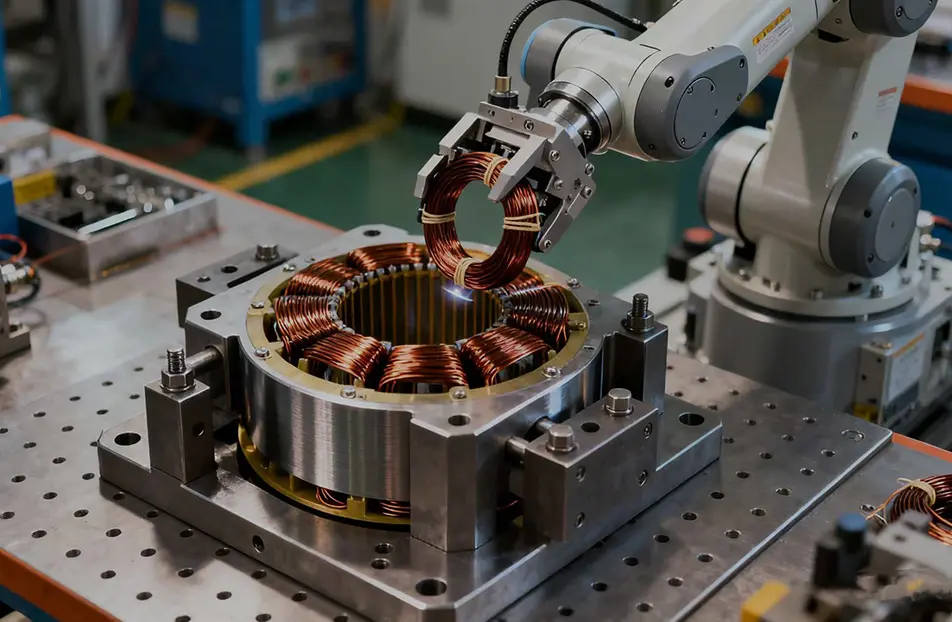
Ensuring structural integrity for long-term transformer durability.
The industry is moving toward Industry 4.0 integration. Future transformer production lines will be fully digitized, where the Winding Machine communicates directly with the factory's ERP system to optimize material usage and predict maintenance needs. Additionally, "Sustainability" is no longer optional. The market is shifting from oil-immersed cooling to Dry-Type Transformers for indoor and high-safety environments (like hospitals and data centers) to eliminate leakage risks.
Global enterprises are now demanding "Modular Manufacturing." By using specialized equipment like the Corrugated Sheet Forming Machine, companies can produce transformer tanks on-site, significantly reducing transportation costs for large-scale international projects.
Critical insights for international B2B buyers and engineers
Finished solutions and secondary processing equipment
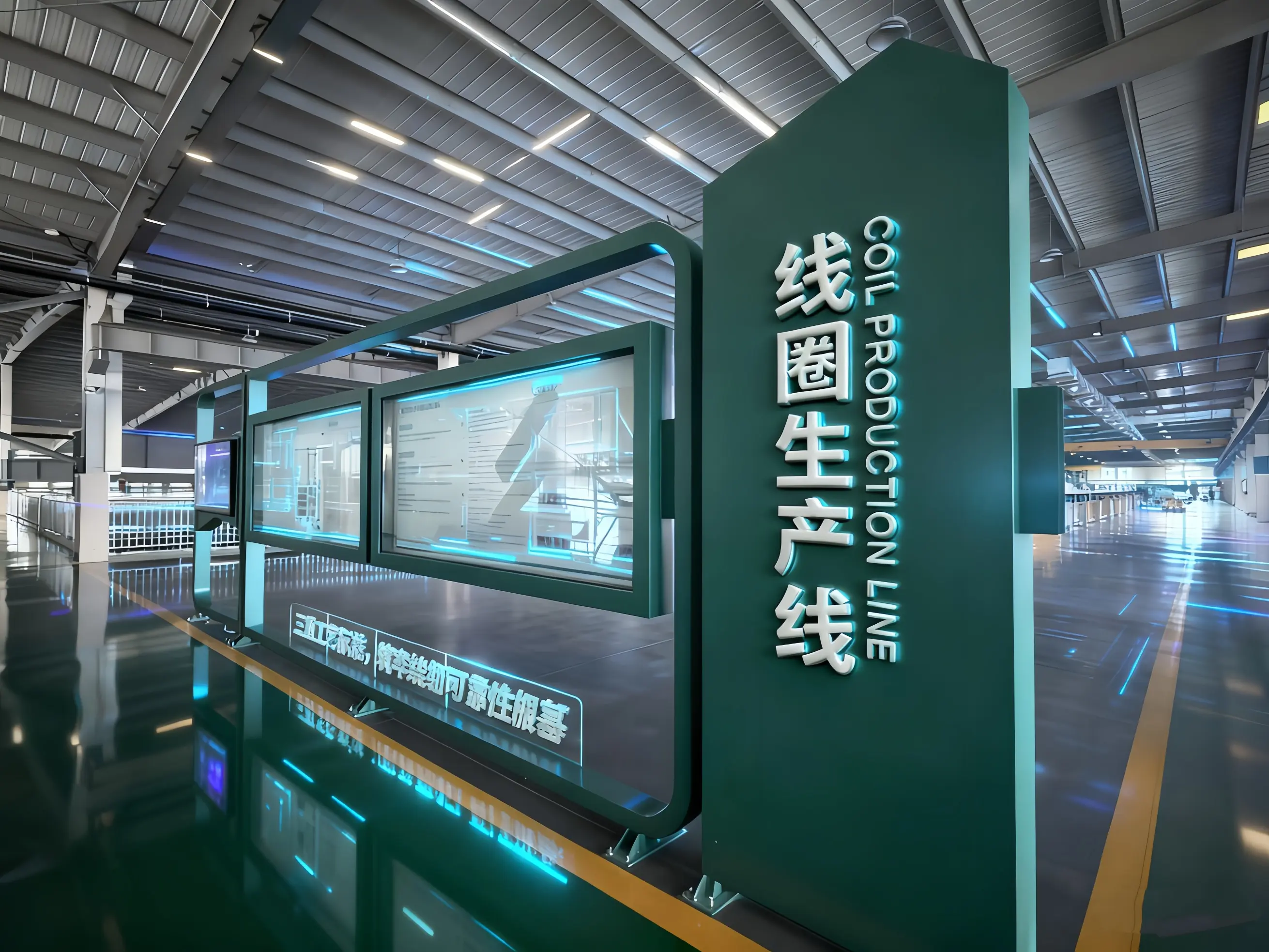
Wuxi Shuhong Machinery Technology Co., Ltd. is a premier manufacturer specializing in electrical machinery and aluminum-plastic panel manufacturing equipment. Our core expertise lies in the full industrial chain of transformer production, ranging from silicon steel processing to the final assembly of oil-immersed and dry-type units.
Our product portfolio includes specialized lines for amorphous iron cores, transformer oil tank production, and advanced molding tools. By integrating core technology advantages with a robust industrial layout, we provide global clients with reliable, high-efficiency equipment that meets the rigorous demands of modern electrical engineering.