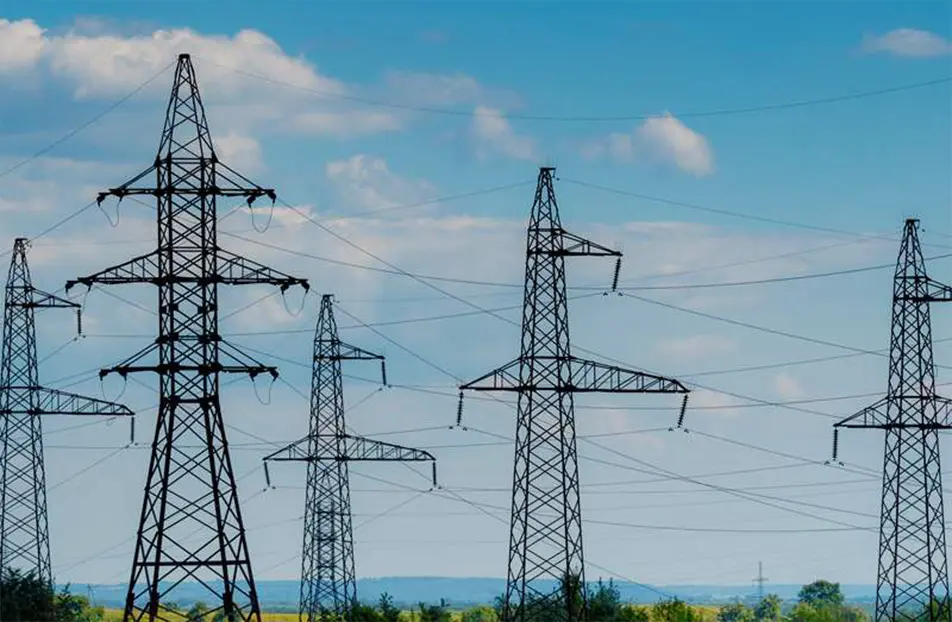
Explore our core engineering hardware and precision cutting systems custom manufactured for elite transmission line projects.
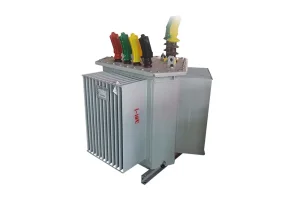
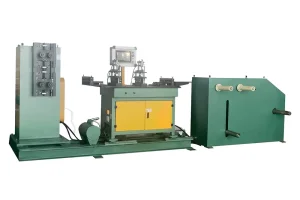
An in-depth analysis of materials science, automated mechanical engineering, and future grid compatibility.
Global electrical networks are undergoing an unprecedented structural transition. The exponential growth of renewable energy integration (such as solar photovoltaic grids, offshore wind installations, and decentralized biomass utilities) has introduced severe voltage instability and harmonic distortion into the distribution grid. Historically, passive voltage control systems relied on mechanical tap changers operating on slow duty cycles. Modern industrial facilities, commercial data farms, and microgrids now require dynamic, real-time voltage correction. This is where Smart Voltage Regulation takes center stage.
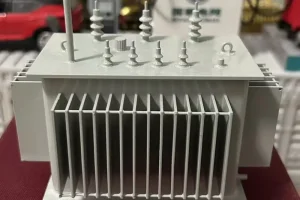
By leveraging micro-processor controlled solid-state switching combined with high-grade electromagnetic components, smart voltage transformers dynamically adjust winding ratios to output clean, stable sinusoidal wave patterns. Central to these smart transformer devices is the efficiency of their magnetic cores. A high-efficiency core translates directly into minimized hysteresis losses, lower ambient heat emission, and an extended operating lifespan. As a customized solution provider, our machinery builds the very tools that construct these high-performance cores, ensuring raw material integrity is preserved from coil slitting to the final oil tank assembly.
Selecting the ideal ferromagnetic substrate is the single most critical decision in custom voltage engineering. Two materials dominate the modern transformer landscape: Cold-Rolled Grain-Oriented (CRGO) Silicon Steel and Amorphous Alloy ribbons.
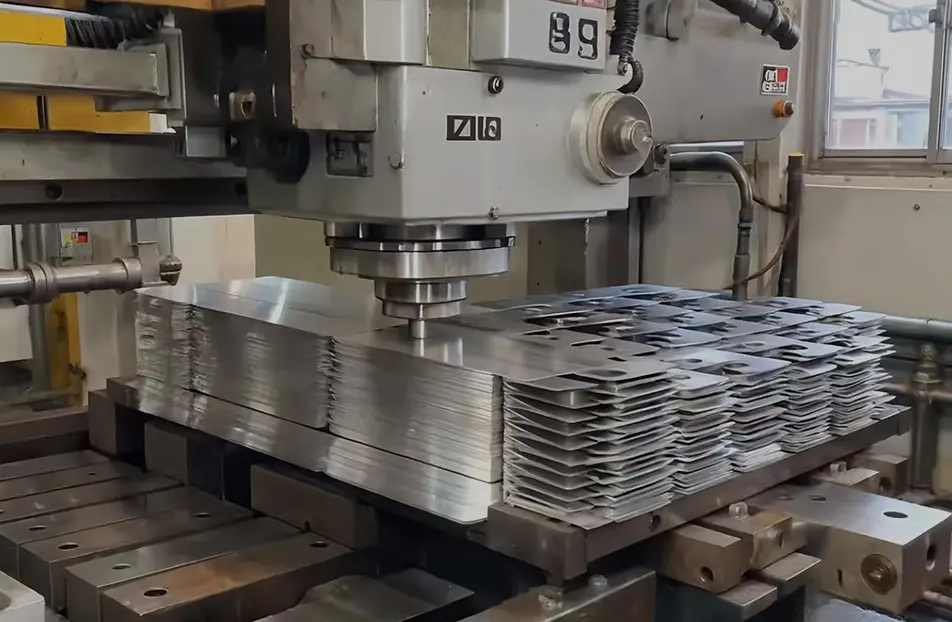
CRGO Silicon Steel: Characterized by a highly oriented crystal structure achieved via meticulous cold-rolling techniques. It displays exceptional magnetic permeability along the rolling direction, high saturation flux density (~2.03 Tesla), and mechanical rigidity. High-precision CNC cutting lines must process these sheets with minimal mechanical shear stress to avoid creating crystal dislocations, which elevate iron losses (core losses).
Amorphous Alloys: Unlike crystalline structures, amorphous alloys feature a disordered atomic arrangement (metallic glass) obtained via rapid solidification cooling at rates approaching one million degrees Kelvin per second. The lack of crystalline structure means zero grain-boundary friction for magnetic domain rotation, which drastically lowers hysteresis losses. Nonetheless, the thickness of amorphous sheets is extremely thin (typically 25–30 micrometers), demanding highly advanced 3D curve-cutting machinery and specialized assembly platforms to protect the fragile core from mechanical fracture.
Large-scale power grid developers and multinational electrical engineering corporations face severe supply chain challenges. Raw material pricing volatility, shipping port bottlenecks, and shifting regional efficiency standards (such as the EU Ecodesign directives and US DOE 2025 mandates) complicate procurement operations. Global purchasing managers are transitioning away from standardized, off-the-shelf transformers toward custom-configured smart voltage products.
Successful execution of smart grid installations requires manufacturing machinery that can quickly scale production lines. By sourcing high-precision slitting, cross-cutting, and foil-winding systems directly from established engineering hubs, manufacturing facilities can control internal tolerances, maintain zero-defect standards, and lower capital expenditure. Direct factory purchasing guarantees that spare parts, custom-profile cutting blades, and software automation upgrades are readily accessible, eliminating expensive downtime.
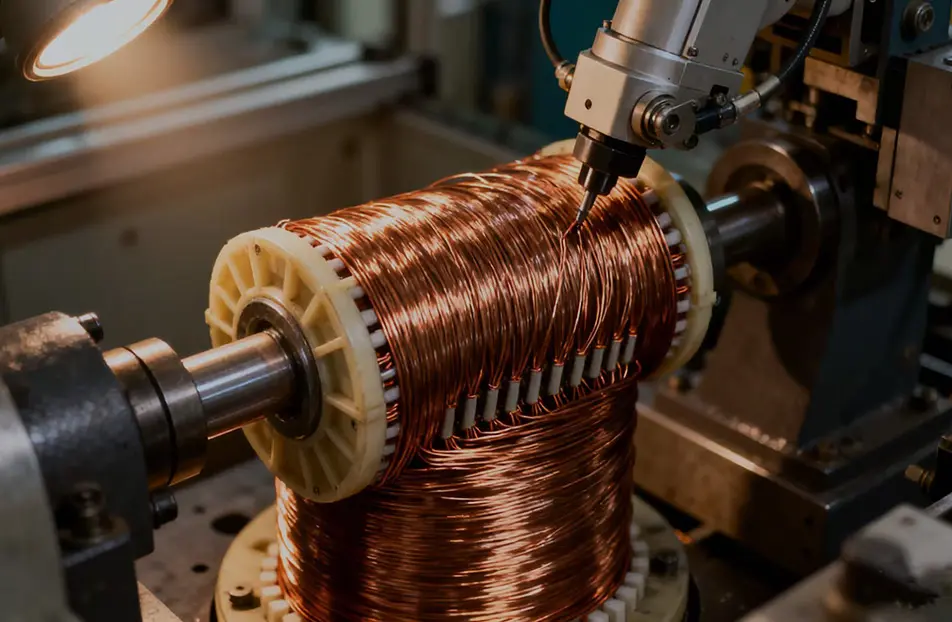
The performance of electromagnetic induction devices is determined by the precision of their coil windings. Loose layering, inconsistent tension, or minor dust contamination can cause localized electrical stress, leading to dielectric breakdown and catastrophic short circuits. Modern manufacturing standards demand highly automated, tension-controlled winding machines.
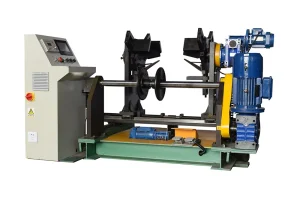
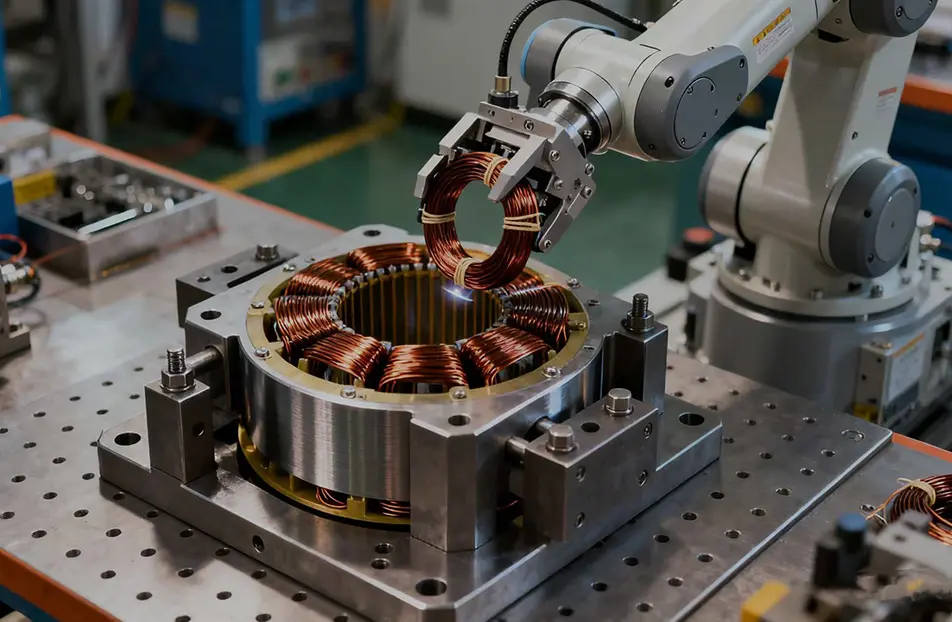
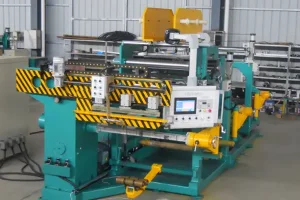
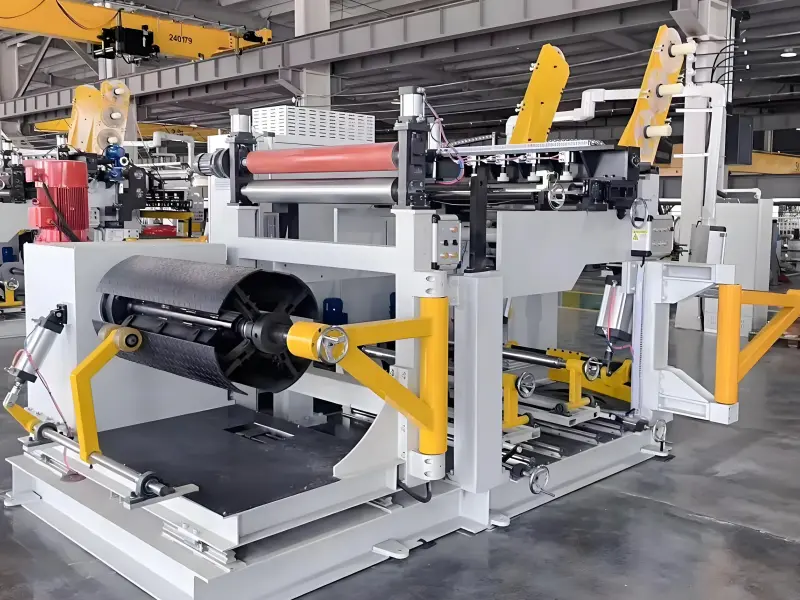
High-Precision Foil Winding: Unlike round wire winding, foil winding systems utilize flat copper or aluminum sheets. Foil winding minimizes inter-turn voltage differences and maximizes heat dissipation, making it standard for high-current dry-type transformers. Tension regulation must be dynamic; variations can distort the foil edges, resulting in uneven electrical fields. Modern machines feature automated closed-loop servo feedback loops, automatic welding configurations (TIG/MIG/Laser), and edge deflection correction devices to maintain layer alignment within a ±0.2mm tolerance.
3D Triangular Wound Cores: A major technological advancement is the 3D triangular rolled core. In contrast to flat stacked cores, 3D cores feature three wound rings joined in an equilateral triangle configuration. The three-phase magnetic path is completely balanced, and there are no air gaps at the joints, resulting in lower noise levels, reduced weight, and minimal leakage flux. Winding coils onto these closed 3D core structures requires specialized orbital winding machines that rotate around the leg of the core, representing a significant shift in production line configuration.
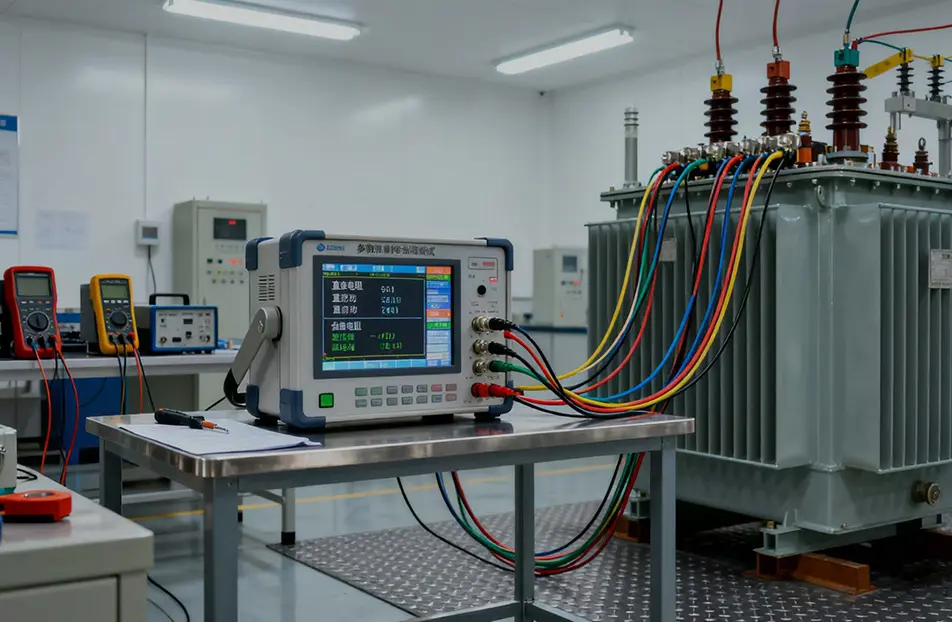
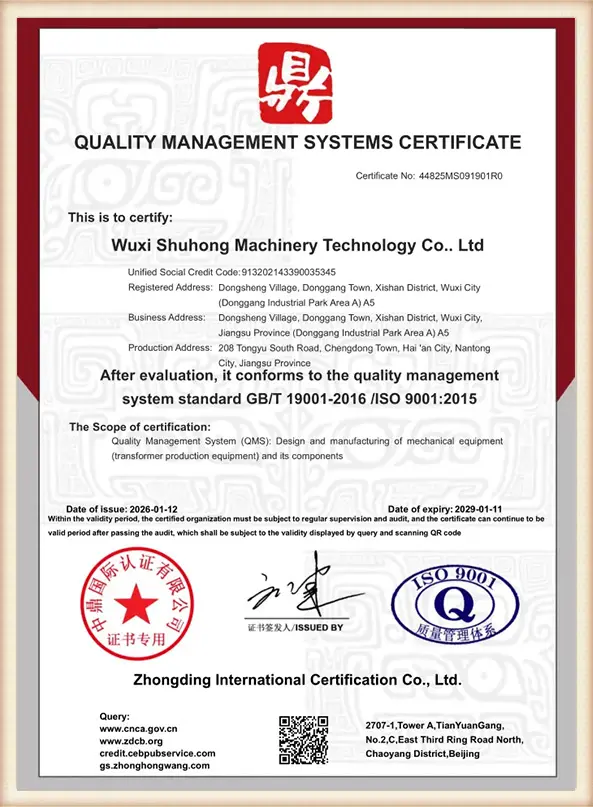
Deploying utility-scale electrical equipment requires strict adherence to international safety and performance protocols. A custom smart voltage supplier must conform to CE, UL, CSA, and IEC requirements (such as IEC 60076 for power transformers). Furthermore, mechanical processing equipment must satisfy strict ISO 9001 quality management guidelines, ensuring high repeatability in industrial fabrication environments.
In addition to meeting these standards, suppliers must offer localized support. From initial facility commissioning and installation training to rapid spare part delivery and remote telemetry diagnosis, professional customer service prevents costly process halts. Investing in equipment backed by technical warranties and direct engineering consultations minimizes operational risk, satisfying the strict requirements of project developers.
Strength Built: Full Industrial Chain Layout and Core Technology Advantages


Leading Electrical Machinery & Core Process Production Lines Manufacturer
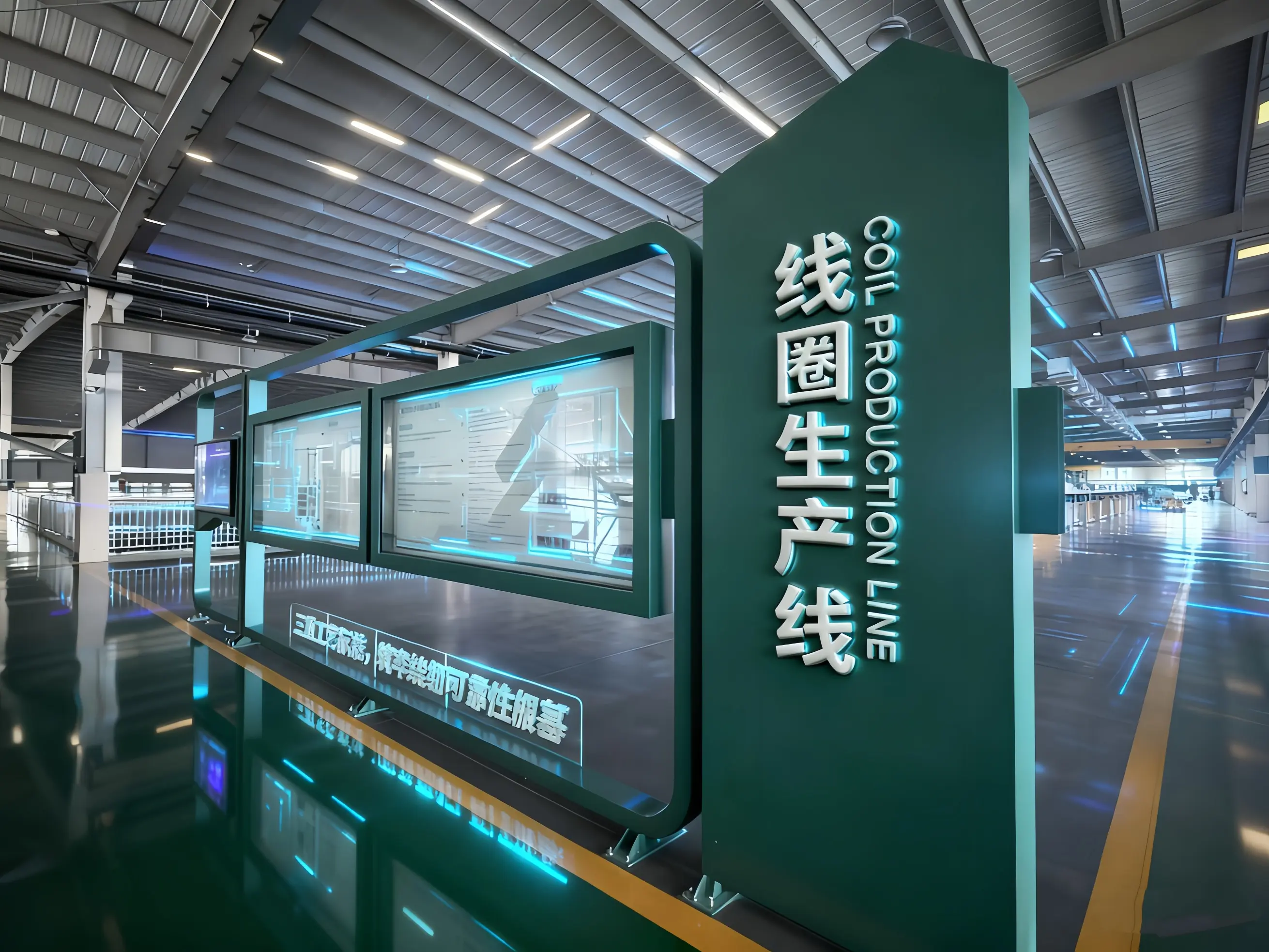
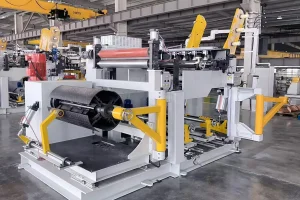
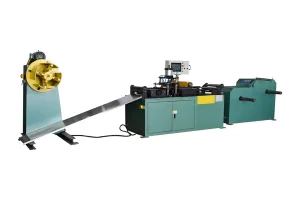
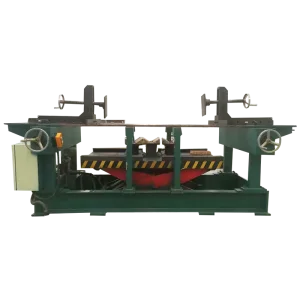
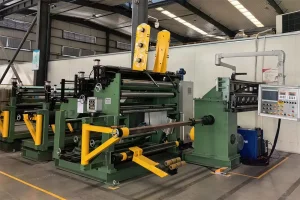
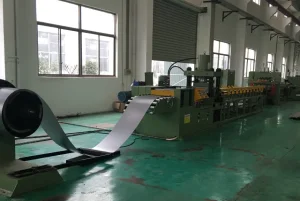
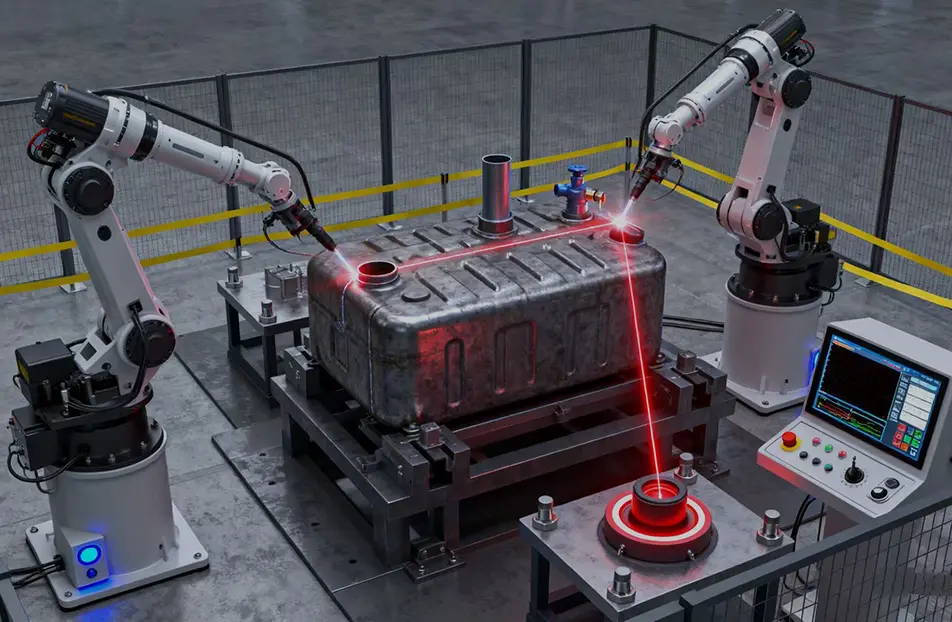
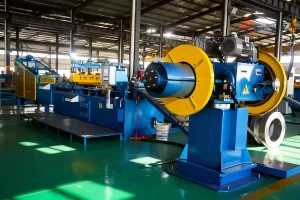
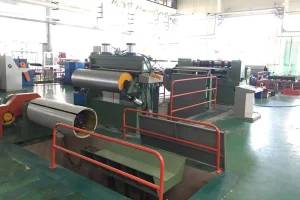
Wuxi Shuhong Machinery Technology Co., Ltd. is a premier global manufacturer specializing in electrical machinery and high-precision core production equipment. We provide comprehensive line systems, including silicon steel slitting machines, amorphous core assembly lines, dry-type oil-immersed winding stations, and transformer corrugated oil tank welding setups.
Our dedication to material-science research enables us to manufacture machines that process delicate alloys without altering their physical properties. We operate on a philosophy of technical integrity, transparent pricing, and robust mechanical engineering.
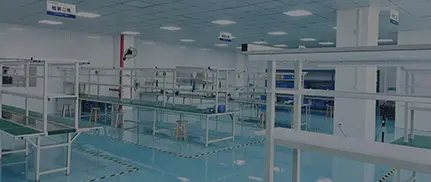

A structured approach to commissioning, custom parameters engineering, and post-installation logistics

Transparent factory quotes. We offer raw pricing with no intermediate commissions or agent fees. Complete cost breakdown from mechanical components to structural frames.
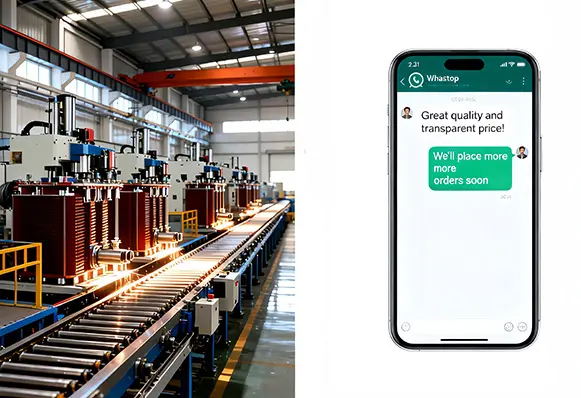

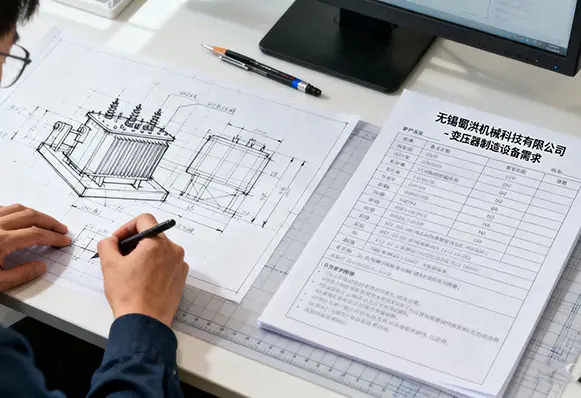
Bespoke slitting and winding layouts tailored to match your specific production capacity, floor space constraints, and regional core layout specifications.

Proactive preventative maintenance programs, spare components inventories, remote engineering diagnostics, and regular software calibrations.
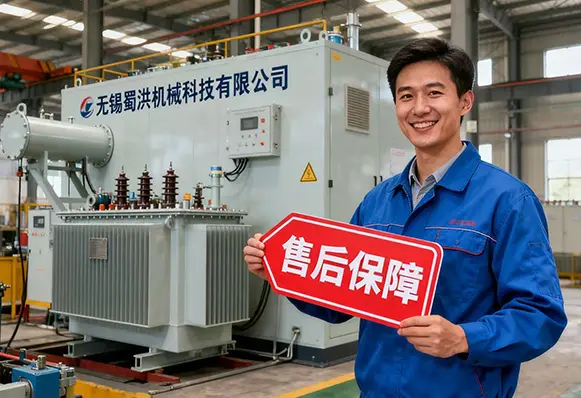

Our dedicated support team resolves inquiries within 24 hours. We offer direct technical assistance via phone or web links, keeping your operations running smoothly.

Our Flange & Electrical Machinery Factory: Unrivaled Quality and Efficiency

Detailed technical answers addressing common manufacturing, materials, and slitting challenges.
A: Modern foil and wire winding systems utilize dynamic tension feedback control. Closed-loop servo configurations monitor winding speeds and calculate the current spool diameter. This data controls pneumatic brakes or electromagnetic powder clutches to dynamically adjust holding tension within ±1%. Deflection correction systems monitor foil edges using infrared or ultrasonic sensors, automatically shifting the pay-off stand sideways to prevent misalignment or wire jumping.
A: High-precision slitting preserves the electrical properties of silicon steel. If a slitting machine has inaccurate tolerances, it creates micro-shears and edge burrs along the grain boundary. When these sheets are stacked, these burrs pierce the core's insulation layer, creating localized short circuits that increase eddy current losses. Our slitting lines keep edge burrs under 0.02mm, maintaining magnetic efficiency and minimizing core loss.
A: Amorphous ribbons are incredibly thin (often 25–30µm) and highly brittle. Traditional impact cutting causes micro-cracking, which damages the material's magnetic orientation. Amorphous core production lines require specialized shearing systems with precision-ground carbide blades and minimal clearance. Additionally, the assembled cores must undergo annealing at controlled temperatures in a vacuum furnace to relieve internal mechanical stress and optimize magnetic properties.
A: Standard core designs rely on overlapping layers of flat sheets, which creates small air gaps at the joints and increases magnetic reluctance. 3D triangular rolled cores are wound continuously from a single strip of steel, eliminating these air gaps. The design matches the natural flow of magnetic flux, reducing excitation current and no-load losses by up to 30% compared to traditional stacked configurations.
A: Yes, our advanced CNC slitting and winding machines can connect with MES and industrial IoT systems. Using PLC interfaces, operators can remotely monitor production speeds, material consumption, blade wear, and tension parameters, facilitating predictive maintenance and smart factory upgrades.
Stay updated with our latest technical breakthroughs, material studies, and manufacturing guides
 Jul/12, 2026
Analyzing how servo-driven tension regulators respond to speed changes during coil winding operations.
 Jun/30, 2026
Investigating the causes of wire jumping and the implementation of automatic guide plates to stabilize layering.
 Jun/26, 2026
A step-by-step guide to connecting winding PLC systems with enterprise resource planning and MES databases.
 Jun/18, 2026
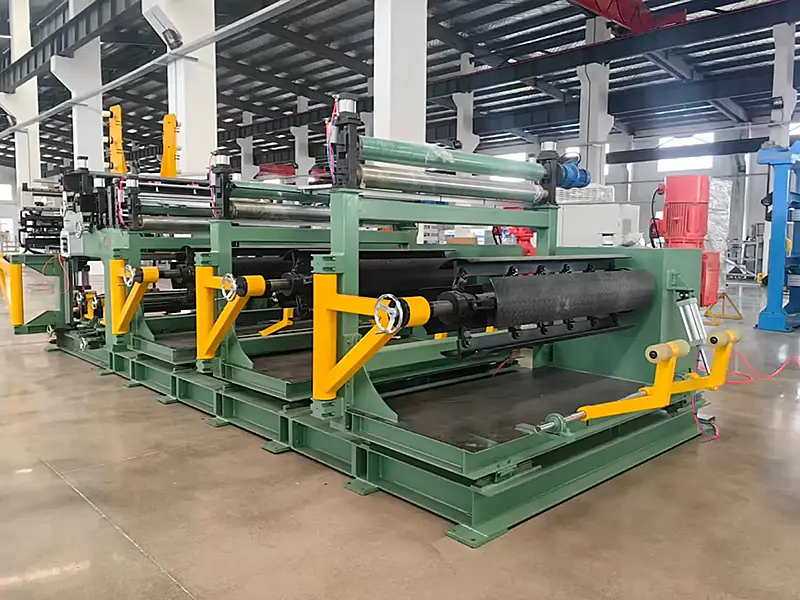
Evaluating the versatility of modular winding machines when processing oval, rectangular, or irregular coils.
Our commitment to internationally recognized manufacturing standards and safety protocols
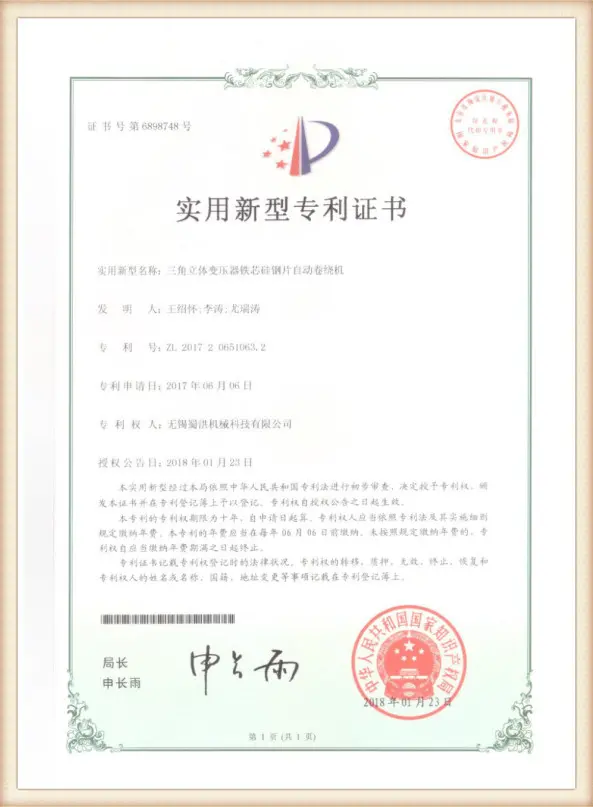
ISO 9001 Certification
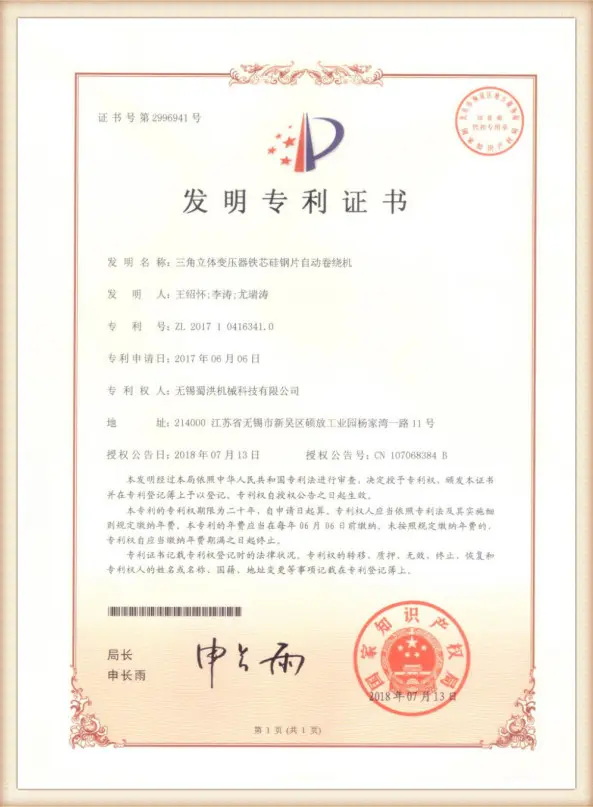
CE Compliance Mark
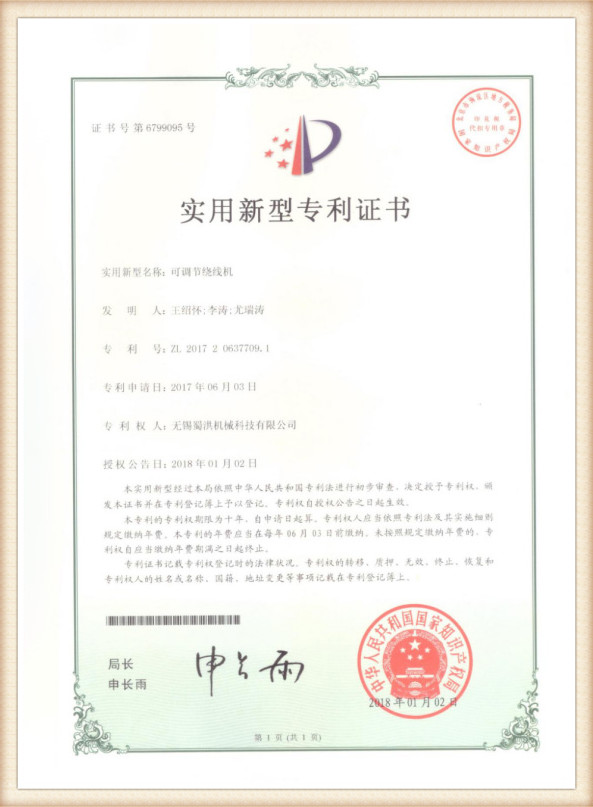
SGS Factory Audit
TUV Quality Approval
Contact our engineering team to request customized schematics, machinery quotations, or process design suggestions.
Inquiry NowComplete your production line with high-performance winding machinery, slitting equipment, and cooling components.