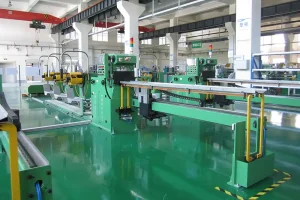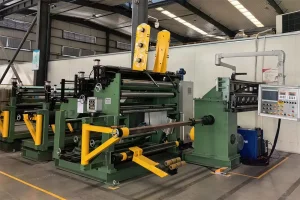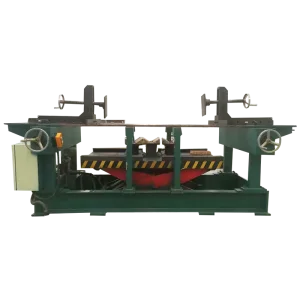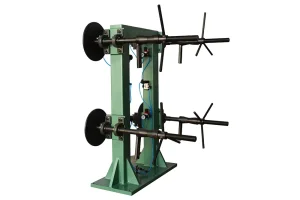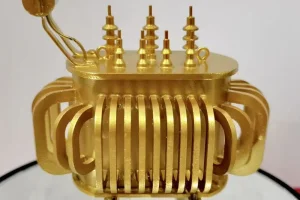
Advanced high-precision manufacturing solutions tailored for heavy machinery, transformer systems, and specialized industrial enclosure fabrication.
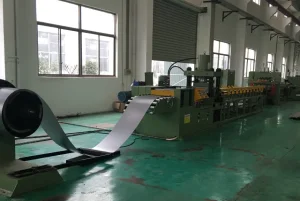
Japan’s industrial sector operates under some of the most rigorous regulatory frameworks in the world. As the island nation transitions toward decentralized energy infrastructure and updates its aging grid systems, the demand for high-resilience fuel tank equipment and transformer enclosures has scaled exponentially. In Japan, transformer oil tanks are not simple sheet-metal boxes; they are critical infrastructure components designed to withstand seismic activity, extreme coastal humidity, typhoons, and decades of thermal stress.
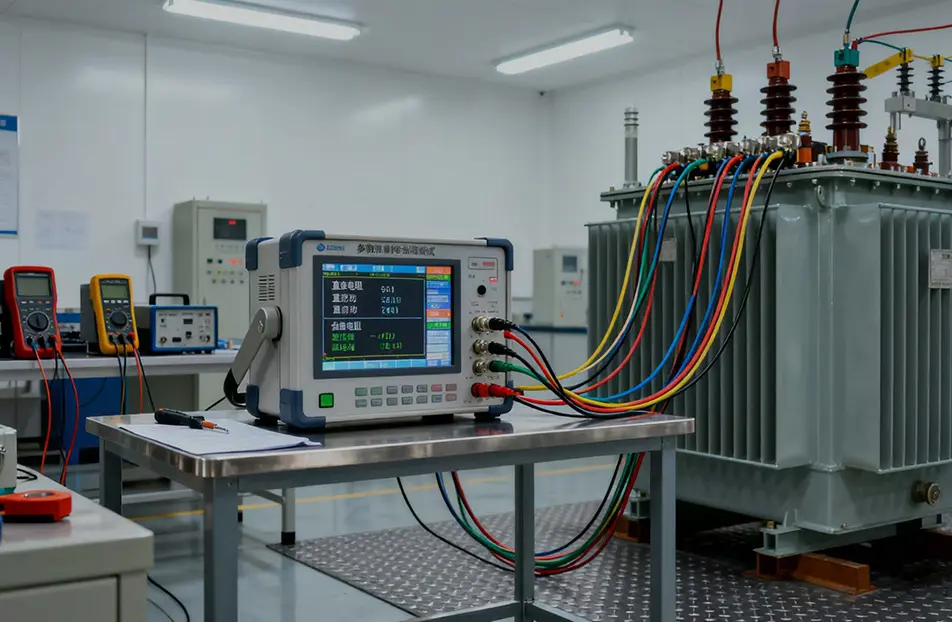
Japanese manufacturing standards—primarily dictated by the Japanese Industrial Standards (JIS)—require exceptionally high tolerances. Corrugated fin walls for oil-immersed transformers must feature flawless welding to prevent any risk of oil leakage, which could lead to environmental contamination or catastrophic electrical fires. To succeed in this demanding market, factories must deploy highly automated forming and welding equipment that removes human error from the production pipeline.
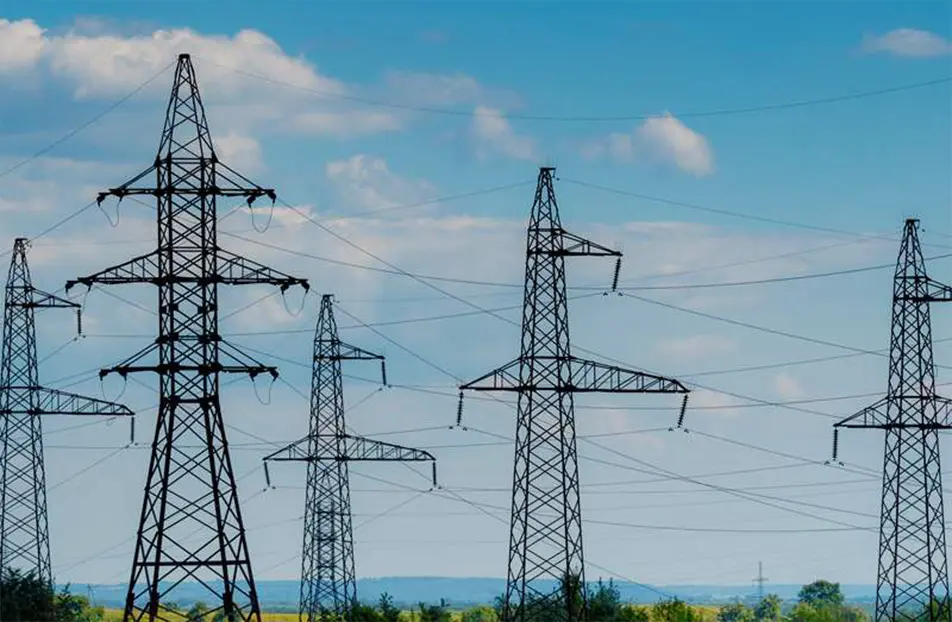
Globally, the expansion of high-voltage transmission networks, wind power integration, and smart grids has fueled a boom in transformer manufacturing. Traditional radiators are rapidly being replaced by corrugated fin walls. Corrugated tanks offer a dual benefit: they provide a significantly larger surface area for heat dissipation relative to their footprint, and their flexible structure accommodates the expansion and contraction of insulating oil during load fluctuations.
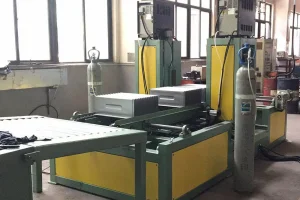
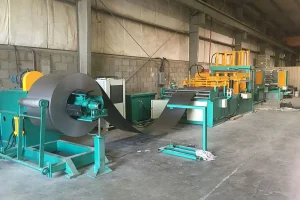
As a leading manufacturer of specialized manufacturing lines, we have observed a distinct shift toward turnkey factory setups. Globally, manufacturers are moving away from manual piecemeal assembly toward integrated lines where steel coils are automatically decoiled, leveled, folded into corrugated fins, and continuously welded. This shift ensures consistent production speed and minimizes material waste.
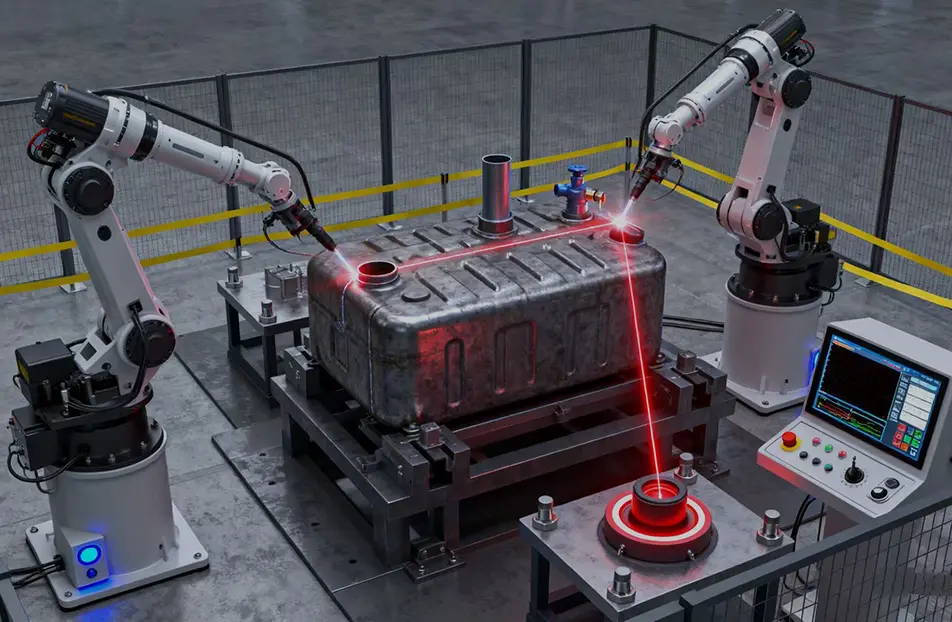
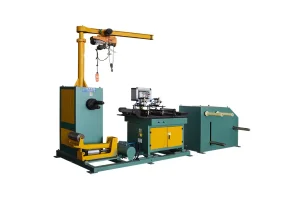
Modern fuel tank production lines rely on two core technologies: CNC Corrugated Sheet Forming and Robotic Welding. In precision forming, state-of-the-art hydraulic folding systems execute highly precise bends that ensure standard spacing and depth across all fins. This dimensional consistency is crucial for automated welding, as even minor variances can cause the welding head to drift, resulting in weak spots.
In the welding stage, the transition to automated laser-guided MIG/TIG welding processes has revolutionized throughput. With real-time seam tracking and adaptive current adjustments, these machines produce deep-penetration, gas-tight welds on steel sheets ranging from 1.0mm to 1.6mm in thickness. This level of automation is essential to meet the zero-defect policies enforced by major Japanese utilities.
Japan’s geographical challenges mandate unique designs for transformer tanks. The coastal location of major metropolitan industrial zones demands anti-corrosive, stainless or heavy-galvanized steel fuel tanks.
The future of industrial fuel tank fabrication lies in digital integration. Industry 4.0 paradigms are linking sheet forming and welding stations into centralized Manufacturing Execution Systems (MES). Real-time monitoring allows the line to adapt dynamically to variations in raw steel coil hardness or thickness, automatically calibrating pressure and feed speeds to maintain absolute design fidelity.
Furthermore, the introduction of eco-friendly green steels and biodegradable synthetic esters as cooling oils demands that tank structures withstand different thermal profiles. Forward-looking factories are updating their automated lines to process high-tensile steels and optimize the fin design for natural ester-fluid cooling systems.
Explore our complete manufacturing line capability, from steel core processing to high-efficiency winding machinery and structural fuel tank equipment.


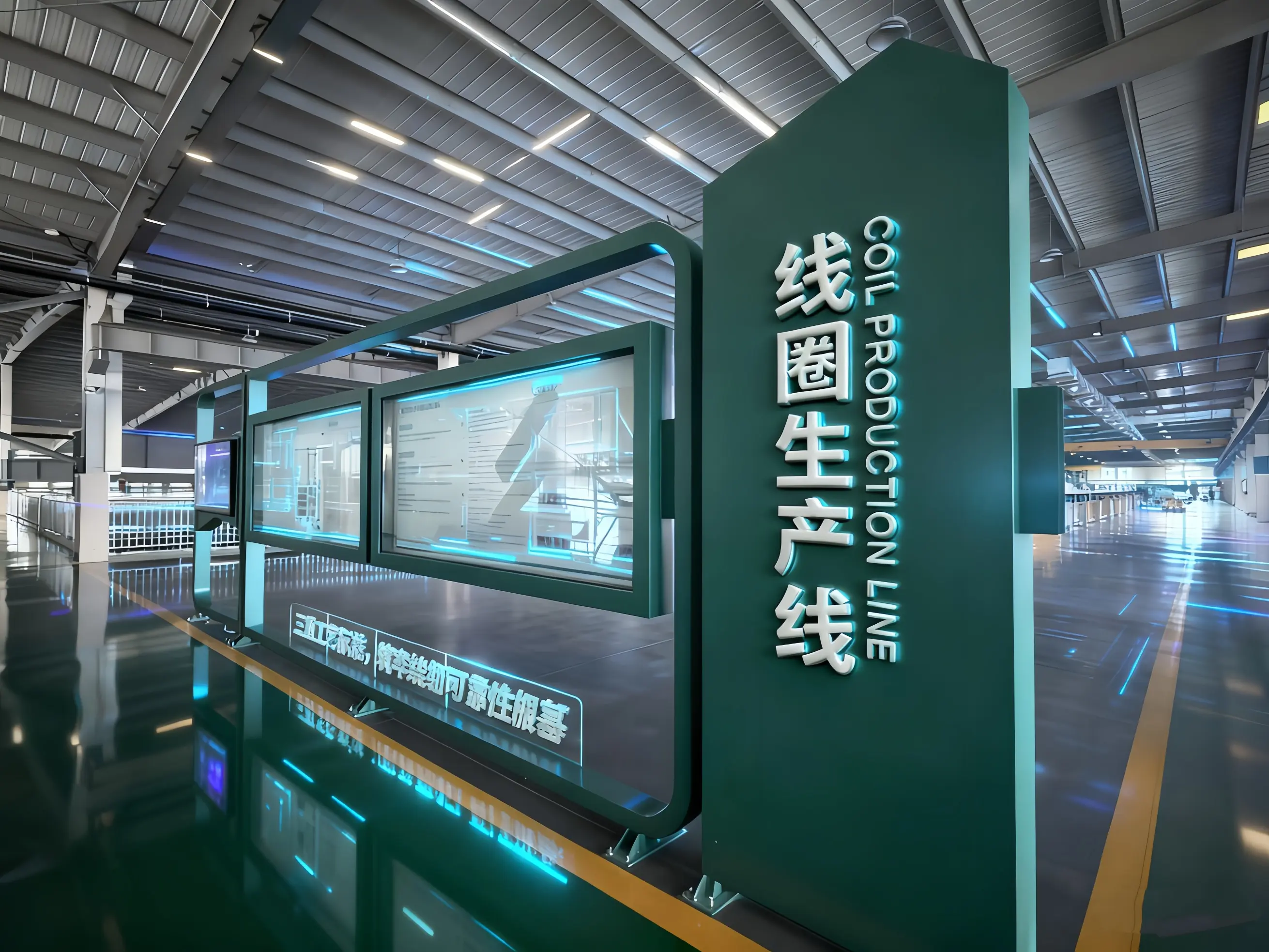
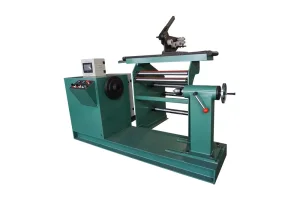
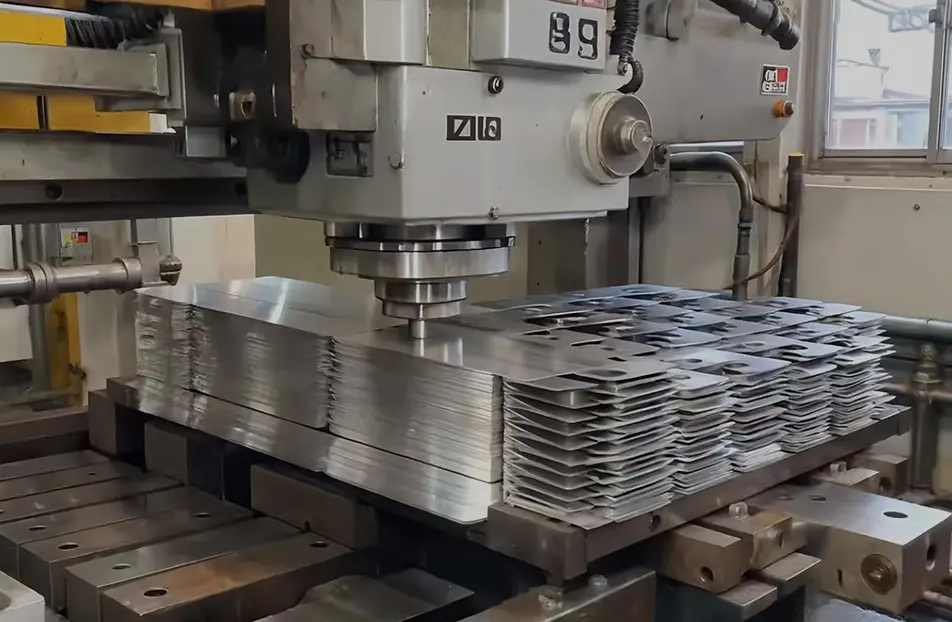
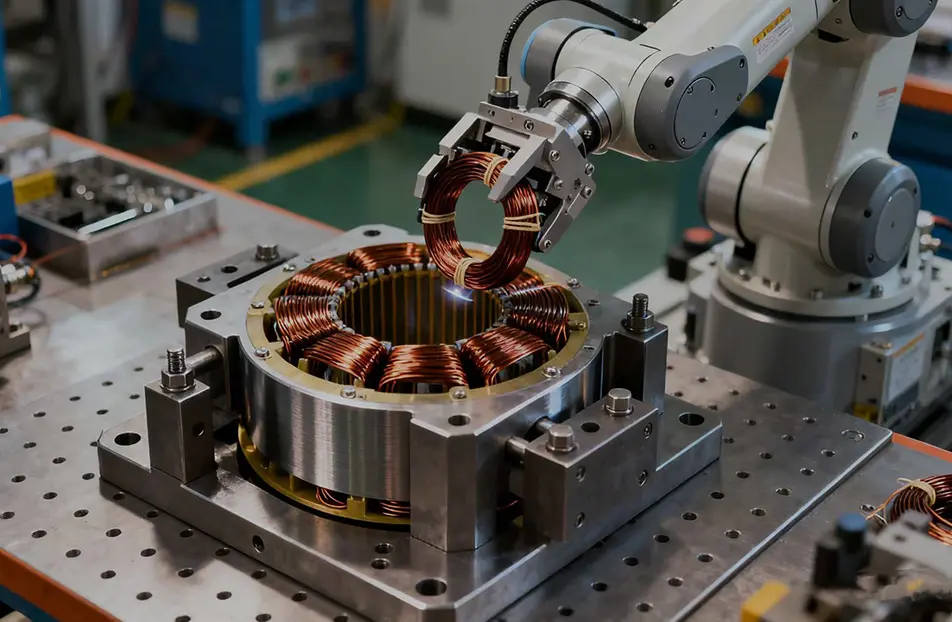
Wuxi Shuhong Machinery Technology Co., Ltd. is an industry-leading manufacturer specializing in high-performance electrical machinery production lines and aluminum-plastic composite panel lines. In the power equipment sector, we design and deliver advanced silicon steel slitting lines, amorphous alloy core assembly tables, foil winding systems, and automated transformer oil tank production machinery.
By integrating advanced CNC components and smart laser-guided positioning, our machines achieve standard compliance with global industrial frameworks, including Japan's strict quality and seismic requirements.
Learn More About UsProviding seamless, end-to-end integration and technical support to keep your manufacturing lines running at maximum capacity.
Transparent direct-from-factory pricing with no hidden middleman fees, ensuring clear and detailed project budget control.
Bespoke line configuration tailored for Japanese steel specifications, local voltage ranges, and automated factory layouts.
Comprehensive remote diagnosis and on-site engineering team deployment to ensure minimal maintenance downtime.
Dedicated customer support channels ensuring replies within 12 hours for custom quotes and machine servicing requests.
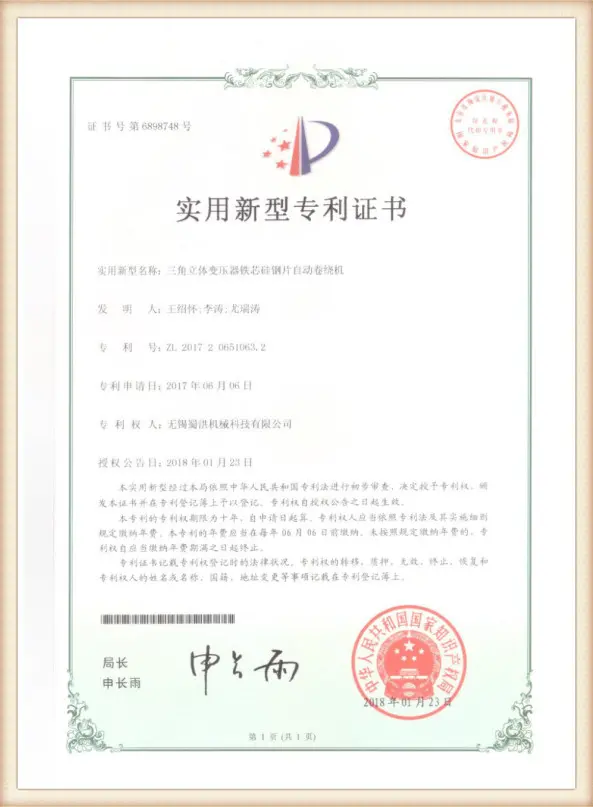
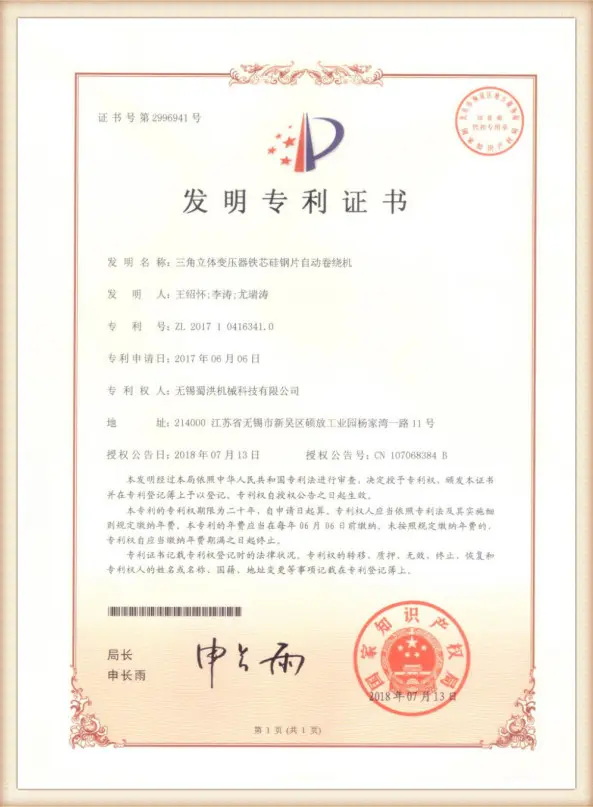
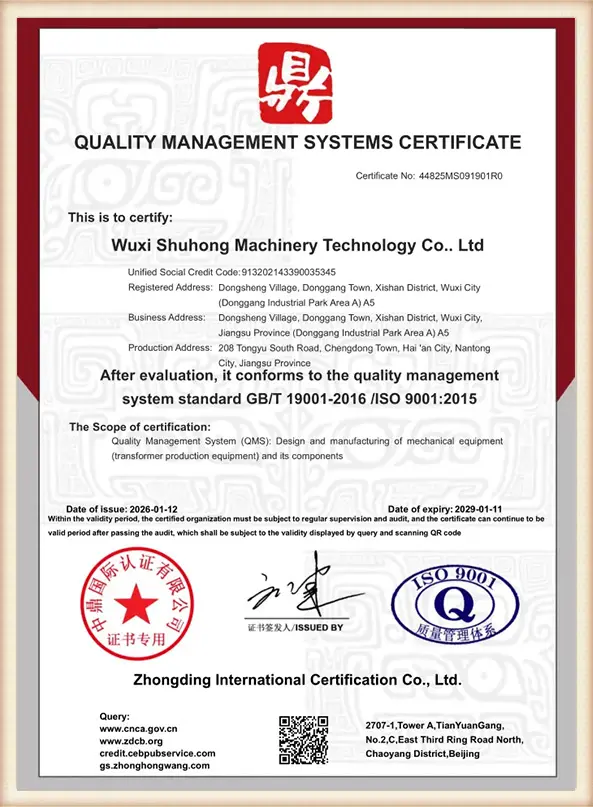
Our production facilities operate under ISO quality certifications, delivering high-precision systems to international export markets.
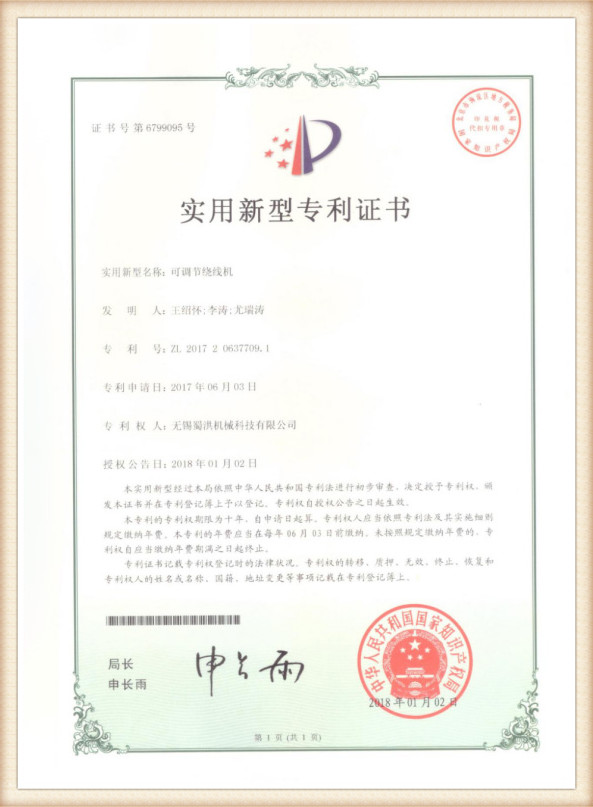
Engineered to withstand heavy duty schedules in grid maintenance, urban sub-stations, and modern wind energy infrastructure.
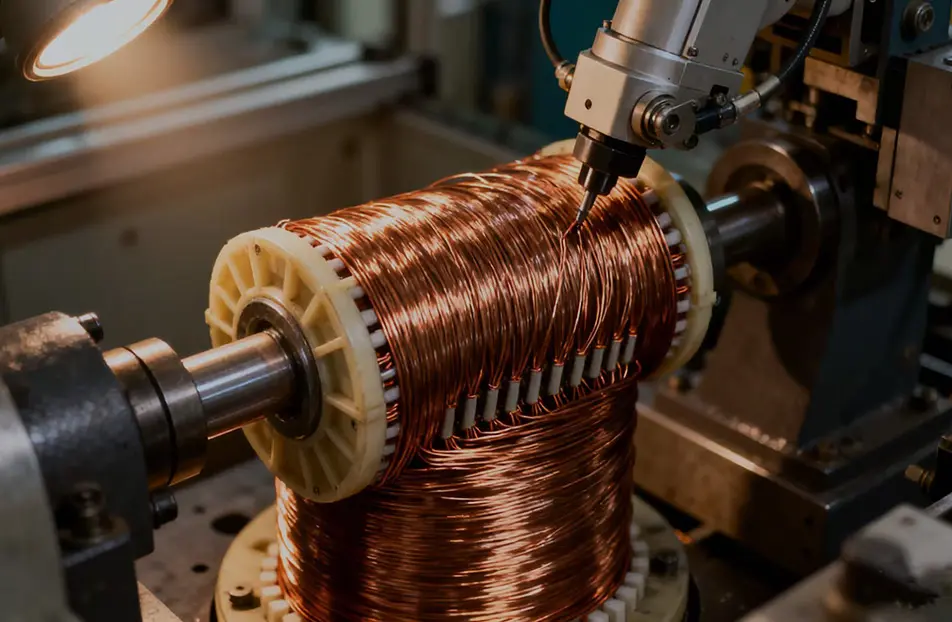
Get professional advice and stay up to date with the latest innovations in smart coil winding and automated industrial sheet welding.
 Jul/12 2026
Explore the servo mechanisms that allow vertical and horizontal winding devices to keep wire tension constant...
Read More Jun/30 2026
In high-tension coil manufacturing, preventing wire displacement is critical for insulation life. Learn how we...
Read More Jun/26 2026
Industry 4.0 integration enables factory lines to monitor output. We provide network interface cards...
Read MoreCritical engineering considerations, material specs, and installation guidelines answered by our senior product specialists.
Our automatic corrugated sheet welding machines utilize high-precision servo controls and optical laser-tracking sensors. These systems scan the joint in real-time, micro-adjusting the welding parameters (speed, current, gas flow) to compensate for any slight variations in the steel thickness or layout. This ensures a consistent, gas-tight weld with maximum weld depth, preventing oil seepage over decades of load cycles.
Yes. The corrugated fin forming and welding systems can be configured to process different material types, including standard low-carbon steel, galvanized steel, and SUS304/SUS316 stainless steel grades. The hydraulic folding press provides adjustable tooling profiles to handle the higher spring-back properties of stainless steel, ensuring correct fin shapes.
Our manufacturing machinery holds complete ISO 9001 quality certificates, CE electrical certification, and can be customized to align with JIS standards for safety, including safety interlocks, light curtains, emergency stop integrations, and localized power specifications (e.g., 200V/400V 50Hz/60Hz configurations used in Japan).
We provide online remote technical diagnostics and deployment of expert engineers for installation, fine-tuning, and operator training in Japan. Furthermore, we maintain complete operational manuals, mechanical drawings, and standardized spare parts supplies to facilitate immediate servicing.
Direct supply lines from our manufacturing facility, providing full integration for automated production facilities.
Consult with our lead hardware engineers for comprehensive factory configuration, customization capabilities, and delivery timelines to Japan.
Send Inquiry Now