Nigeria, as Africa's largest economy, faces a pivotal moment in its industrial evolution. The Nigerian power sector, governed by the Transmission Company of Nigeria (TCN) and various Distribution Companies (DisCos), is undergoing a radical transformation. With an installed capacity of approximately 13,000 MW but a daily operational output often hovering between 4,000 MW and 5,000 MW, the demand-supply gap is astronomical. This discrepancy highlights the critical need for high-quality distribution transformers and robust power equipment that can withstand the unique environmental and electrical challenges of the Nigerian grid.
As the "Siemens Power Deal" and other Presidential Power Initiatives (PPI) gain momentum, the focus is shifting toward "Smart Grids." This creates a massive opening for IoT-enabled transformers that can provide real-time data to DisCos, reducing technical and commercial losses (ATC&C), which currently plague the Nigerian power value chain.
Lower No-Load Loss via Amorphous Alloys
Efficiency in 3D Wound Core Designs
Faster Delivery vs European OEMs
Certified Global Quality Standards
In the global market, the shift from traditional stacked-core transformers to Amorphous Alloy and 3D Wound Core technologies is driven by the urgent need for decarbonization. Chinese factories, like Wuxi Shuhong Machinery, have pioneered the automation of these complex manufacturing processes.
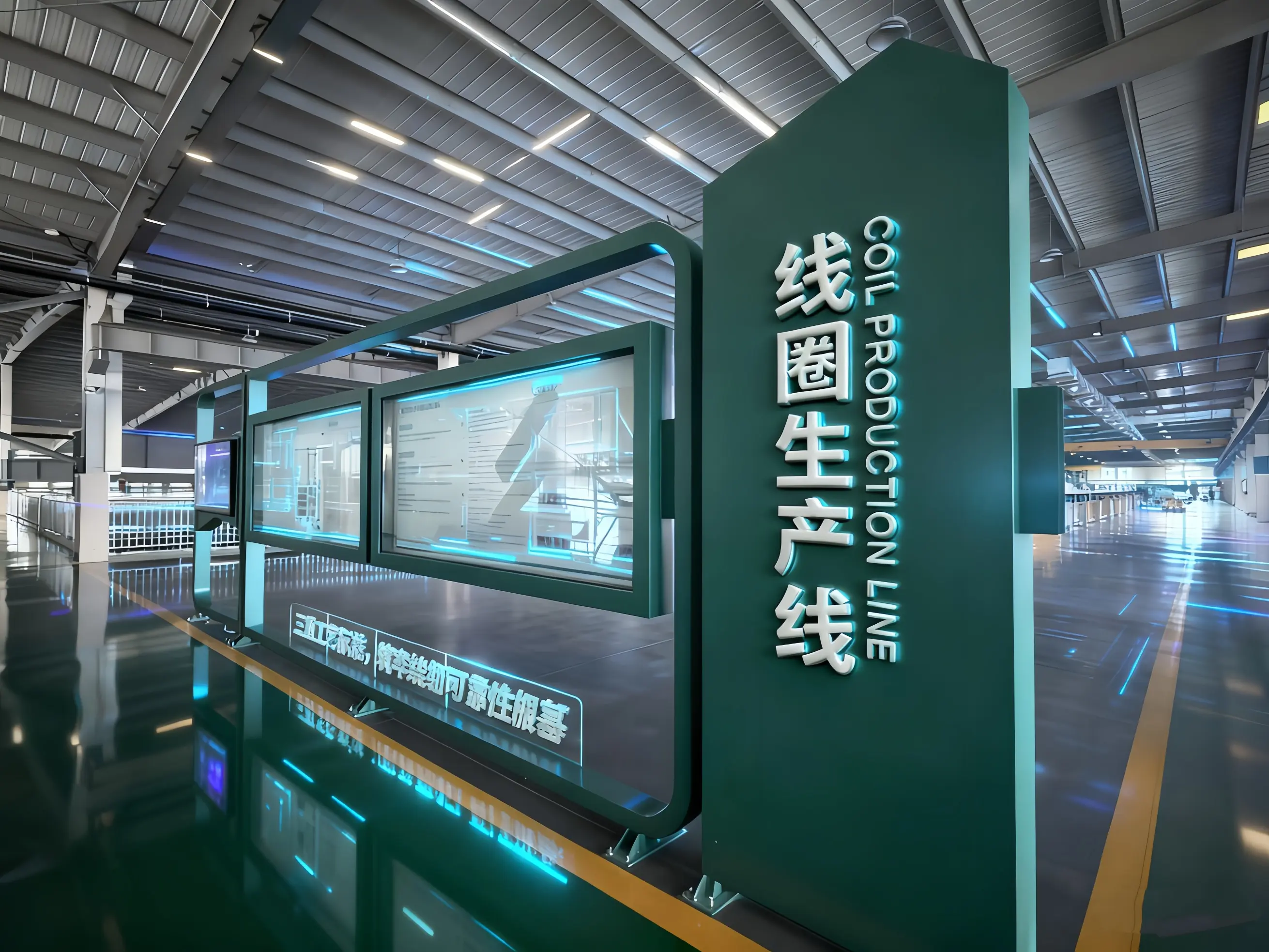
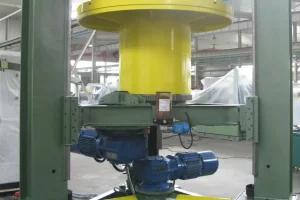
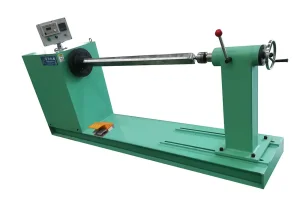
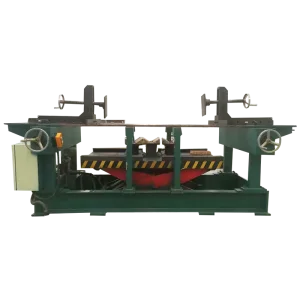
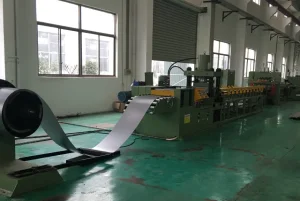
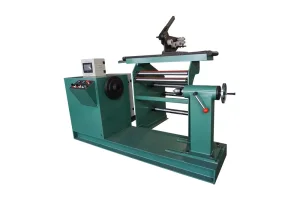
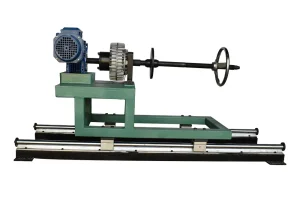
Wuxi Shuhong Machinery Technology Co., Ltd. is a premier manufacturer specializing in electrical machinery. Our core competency lies in the full-spectrum production of Silicon steel iron core production lines, amorphous iron core production lines, and dry-type/oil-immersed transformer equipment.
For the Nigerian market, we provide not just the transformers, but the "Factory-in-a-Box" solution, including transformer oil tank production lines and specialized tooling. This empowers local Nigerian engineering firms to perform high-level maintenance and even local assembly, fostering domestic industrial growth.
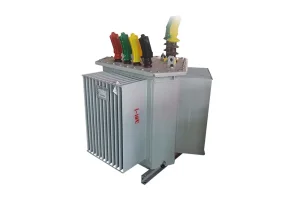
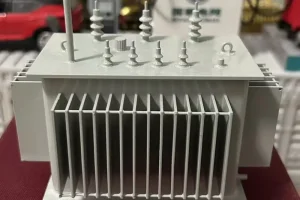
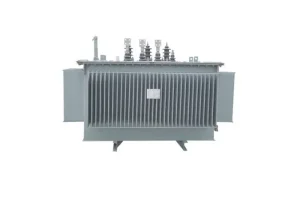
Learn More About Our FactoryIn the Niger Delta and the new Dangote Refinery complex, reliable power is non-negotiable. Our hermetically sealed oil-immersed transformers prevent oil oxidation, crucial for the corrosive environments of petrochemical plants.
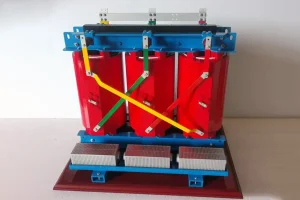
Modern estates in Victoria Island and Ikoyi require silent, safe power solutions. Our Dry-Type Transformers offer F-class insulation and are flame-retardant, making them safe for indoor installation in high-density areas.
From rice mills in Kebbi to cocoa processing in Ondo, rural electrification depends on robust pole-mounted transformers. Our 3D wound core designs minimize energy waste during low-load periods common in seasonal industries.
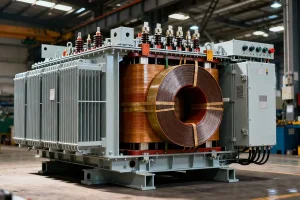
The burgeoning solid mineral sector in Northern Nigeria demands rugged equipment. Our stacked core transformers are built to withstand the high vibration and dust levels found in mining sites.
The global transformer industry is moving toward "Decentralized Energy Resources" (DER). In Nigeria, this translates to the integration of Solar Mini-Grids with traditional distribution networks. The next generation of transformers must be bi-directional and capable of handling the intermittent nature of renewable energy.
Furthermore, "Digital Twins" of transformer units allow for predictive maintenance. By analyzing gas-in-oil (DGA) levels via sensors, Nigerian grid operators can prevent explosions and prolonged outages before they happen. Our commitment to R&D ensures that all equipment exported to Nigeria is "Digital-Ready."
Ready to Power Up Your Nigeria Projects?
Send Inquiry Now & Get Technical Support