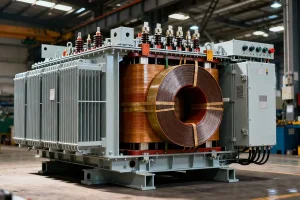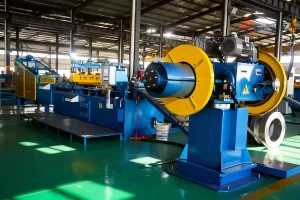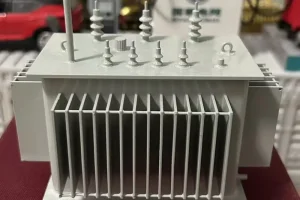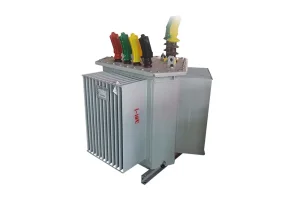
Explore our industrial-grade winding machines, metal annealing systems, and structural assembly lines built to optimize core performance and grid reliability.
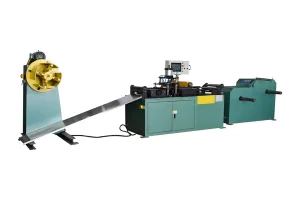
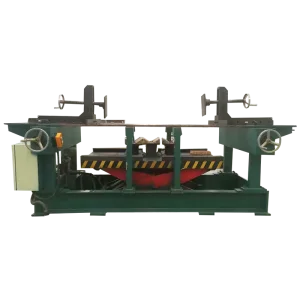
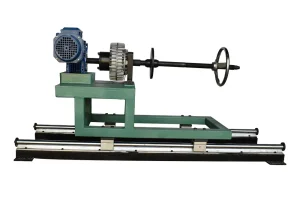
In the global landscape of electrical distribution and smart grid systems, the selection of materials and topologies for **transformer windings** represents the core variable for optimizing transmission efficiency, thermal dissipation, and short-circuit withstand capacity. A professional **transformer winding factory** serves as the foundation for manufacturing high-quality electrical infrastructure. Utilizing premium copper or aluminum foils and wires, precision winding machinery, and high-performance magnetic cores, modern factories achieve the stringent tolerances demanded by IEEE, IEC, and NEMA standards.
SEO Insight & Information Gain: When searching for a reliable transformer winding supplier, users are looking beyond baseline assembly. True economic advantage is derived from the alignment of core geometries (e.g., 3D triangular rolled cores, planar cores) with optimized winding tension controls, ensuring low losses (both load and no-load losses) and a service life exceeding 30 years.
Transformer windings are structured into several main typologies depending on the voltage class, power rating, and environmental factors. Below, we break down the critical configurations that high-end factories run on their manufacturing floors:
| Winding Type | Material Preference | Key Application Class | Primary Technical Advantage |
|---|---|---|---|
| Foil Winding | Copper / Aluminum Foil | LV Dry-Type & Distribution | Excellent short-circuit radial strength, high packing factor |
| Disc Winding | Rectangular Magnet Wire | Power & High-Voltage Grid | Optimal cooling oil circulation, high dielectric performance |
| Planar Winding | Flat Strip / Printed PCB | High-Frequency & Compact Power | Ultra-low leakage inductance, extremely thin profile |
| Helical Winding | Continuously Transposed Cable | LV, High-Current Power Coils | Reduced eddy current losses, simple winding execution |
The global energy transition is forcing a massive shift from traditional grids toward bidirectional smart grids. Consequently, manufacturers must innovate. Winding factories in China are no longer just component assemblers; they have transitioned to integrated solution providers. Wuxi Shuhong Machinery Technology Co., Ltd. leads this shift by providing comprehensive manufacturing lines, covering the entire chain from silicon steel slitting to final coil test sequences.
Currently, regulatory pressures such as the **U.S. Department of Energy (DOE) 2016/2026 conservation standards** and the **European EcoDesign Directives** mandate drastic reductions in transformer core and winding losses. By coupling state-of-the-art CNC core cross-cutting lines with precision tension-controlled foil winding machines, factories can systematically minimize air gaps, control core stress, and achieve optimal copper-to-iron ratios.
Every regional market presents a distinct set of regulatory hurdles. For instance, North American utilities prioritize UL-listed insulation materials and seismic-resistant transformer core designs. In contrast, European clients demand strict adherence to sound power level limits and ecodesign constraints. To resolve these challenges, a qualified manufacturing facility must implement a highly flexible engineering pipeline, featuring custom foil-and-wire all-in-one machines, computerized testing benches, and traceable quality management.
The convergence of artificial intelligence, real-time closed-loop sensor networks, and mechanical precision is shaping the future of transformer manufacturing.
Next-generation wire-arranging and pay-off stands deploy continuous closed-loop load-cell feedback. This system automatically adjusts dynamic braking parameters to eliminate mechanical wire stresses and microscopic stretch flaws during core wrapping.
By using optical sensors and AI vision networks, our automated winding stations spot wire crossovers or layer misalignment instantly. They halt production and auto-correct before defects can compromise insulation integrity.
Modern production facilities run centralized Manufacturing Execution Systems (MES). All data regarding cutting tolerances, winding tension parameters, and annealing cycles are tracked and logged via a unique QR code for every transformer produced.
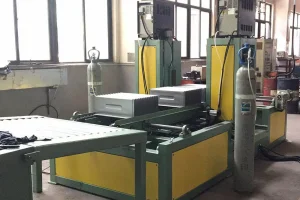
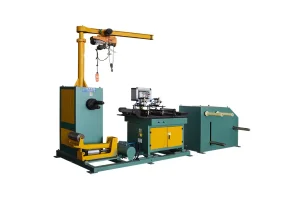
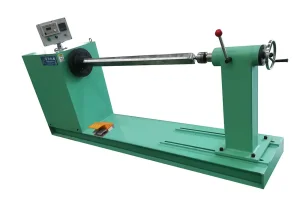
A comprehensive overview of our core cutting, winding, and tank welding apparatus. Every machine is designed for optimized efficiency and high manufacturing consistency.
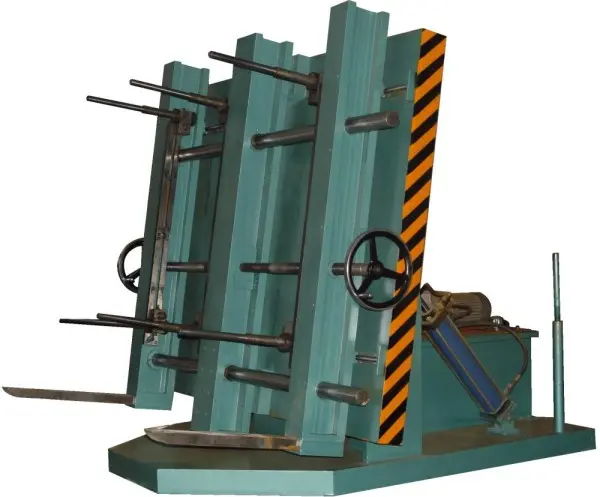
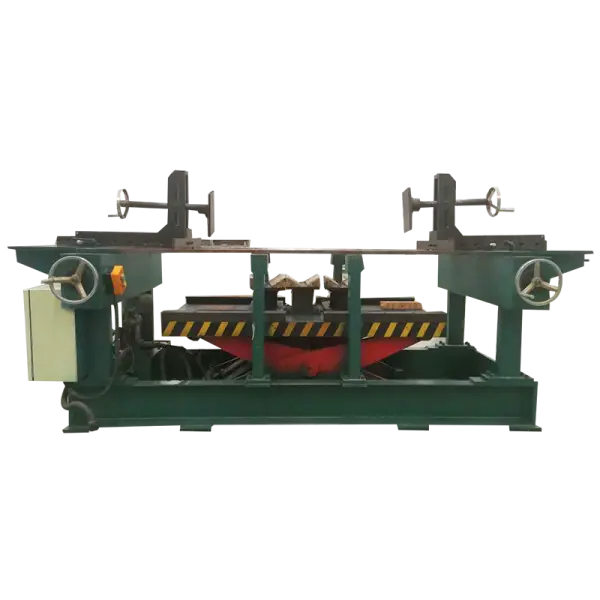
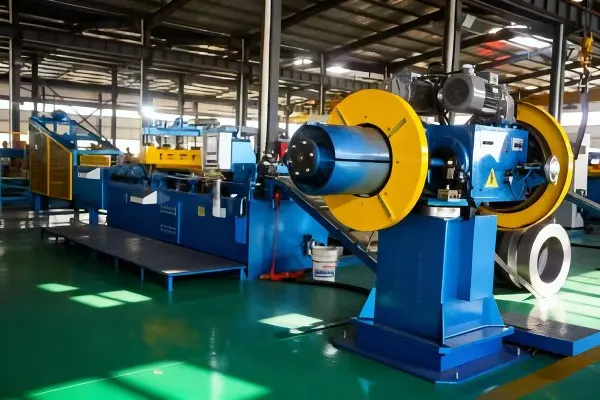
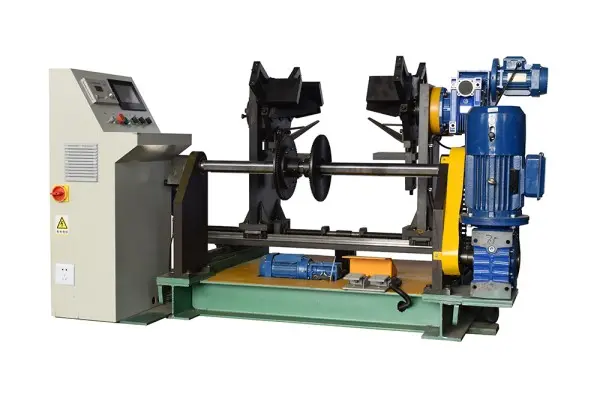
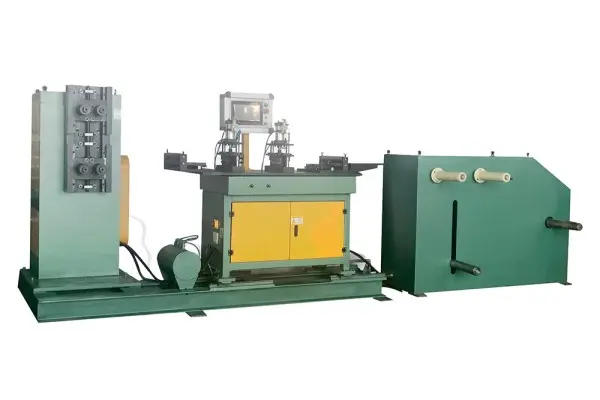
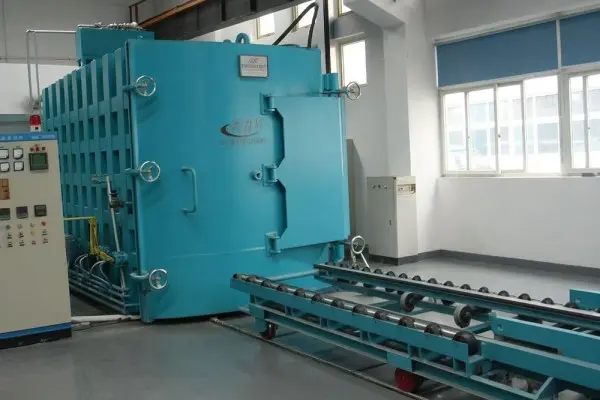
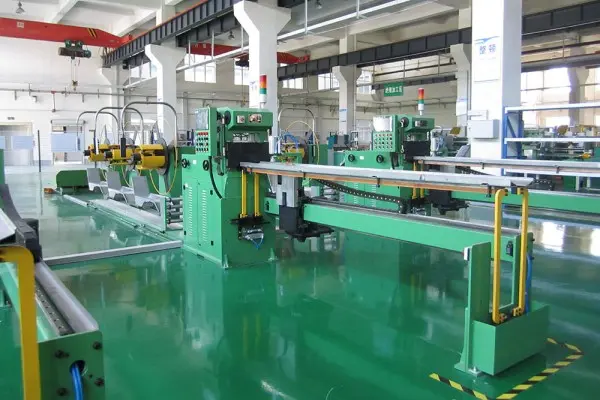
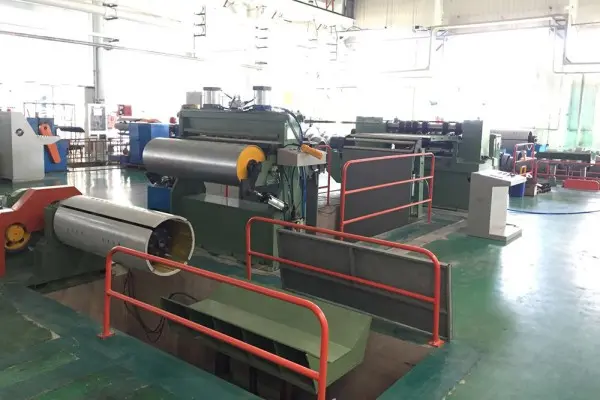
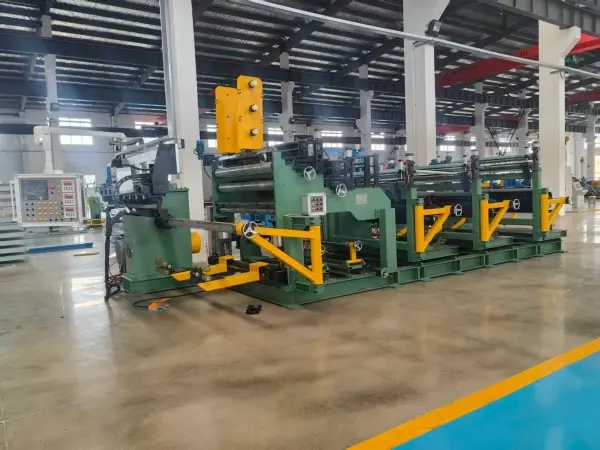
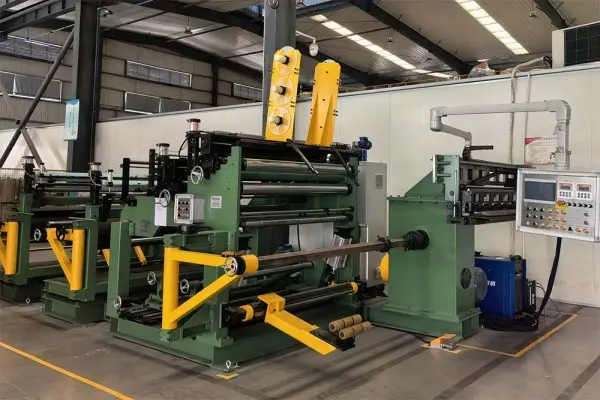
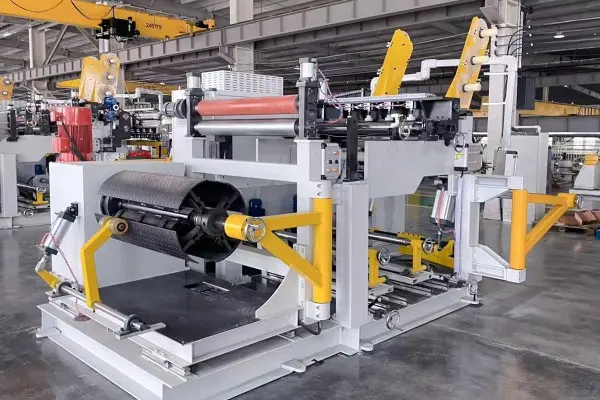
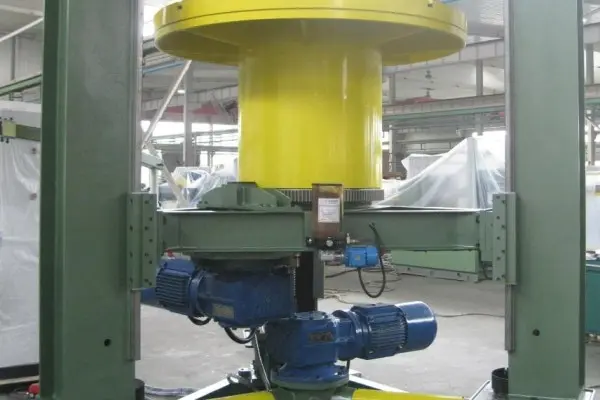
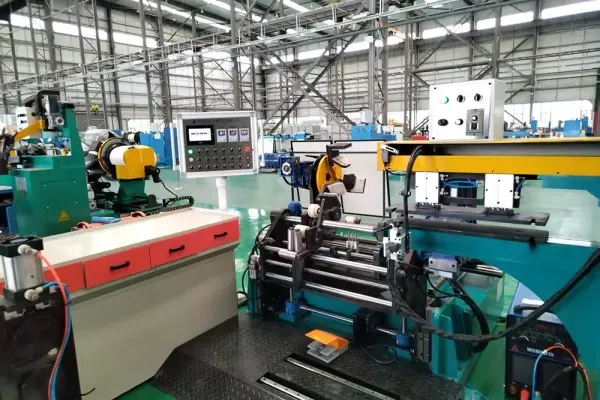
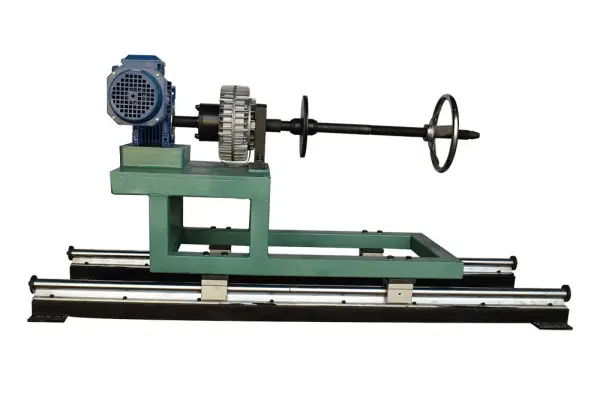
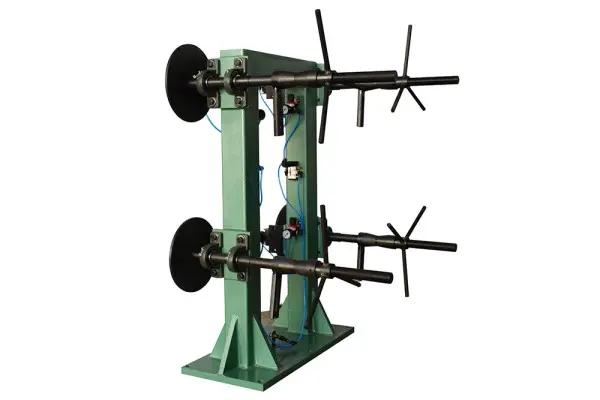
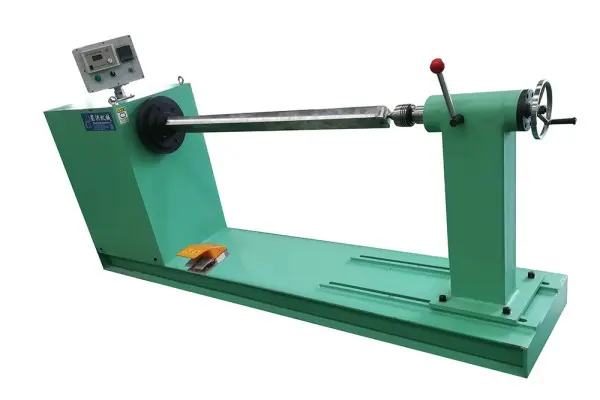
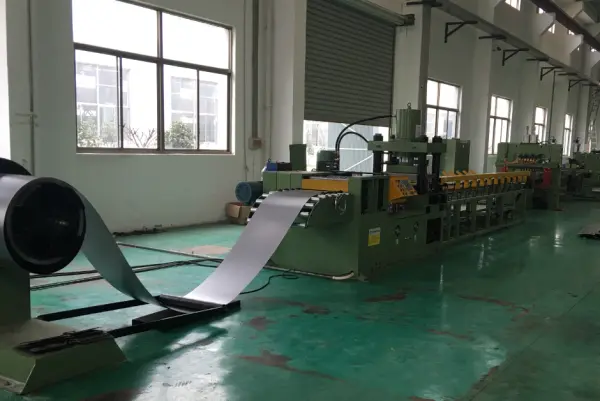
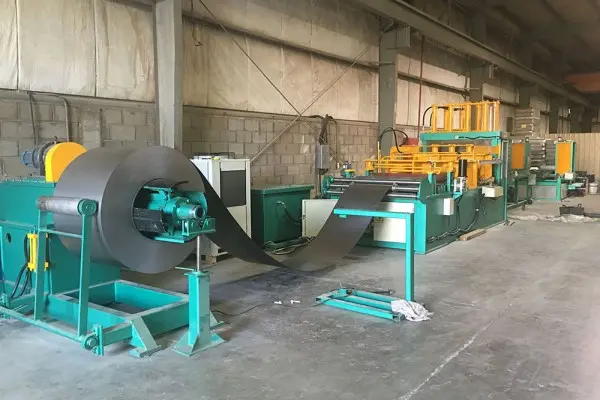
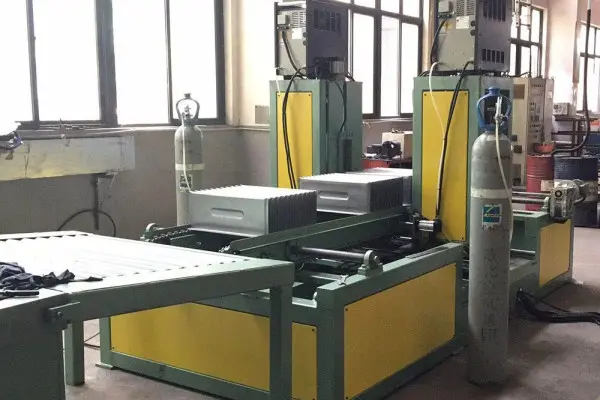
Wuxi Shuhong Machinery Technology Co., Ltd. leads the engineering of advanced machinery solutions for modern transformer core and panel production lines.
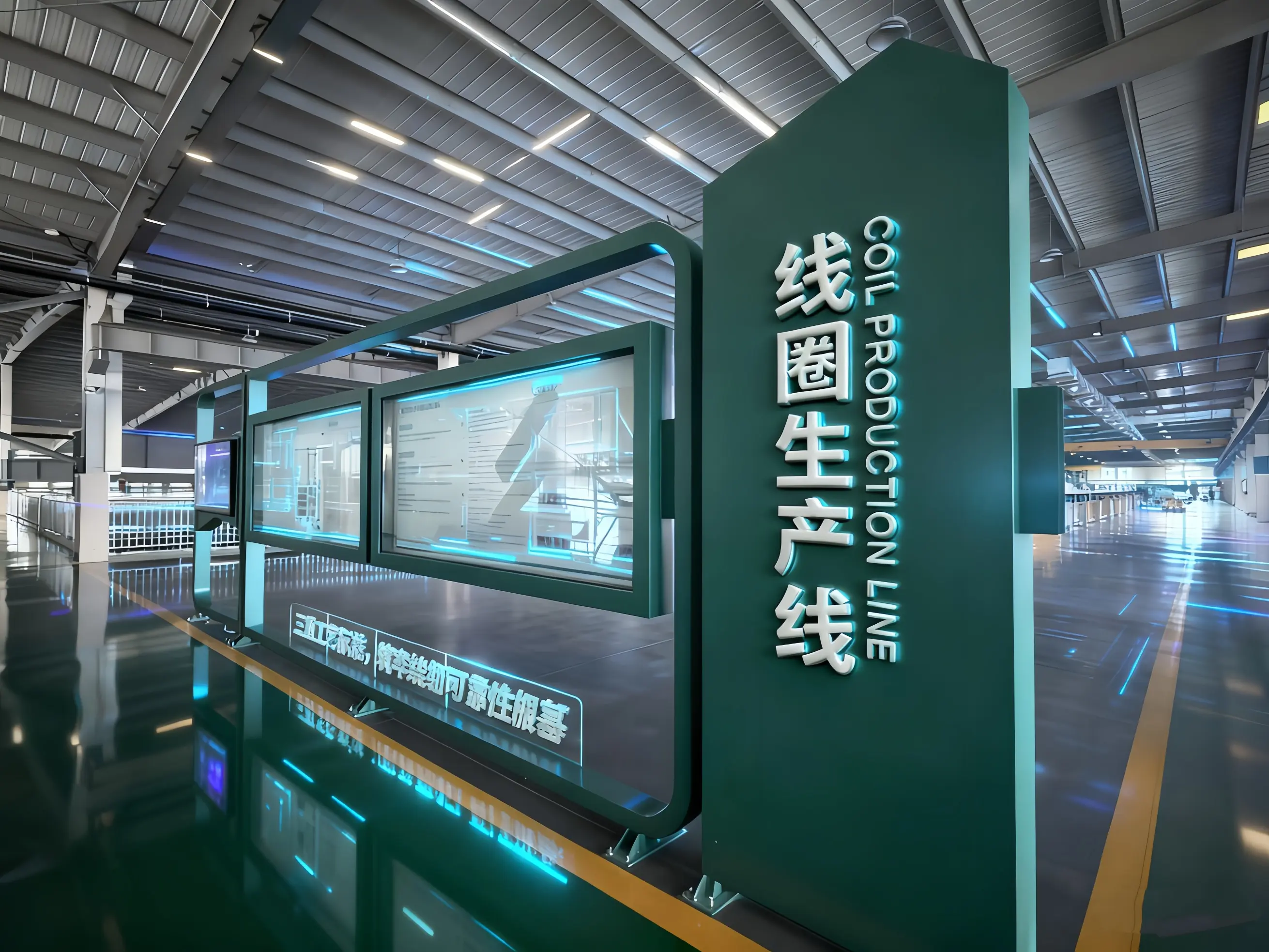
Wuxi Shuhong Machinery Technology Co., Ltd. is an established manufacturer specializing in industrial electrical machinery and aluminum-plastic panel manufacturing machinery. Our core products for the electrical manufacturing sector include: high-grade silicon steel sheet processing machinery, iron core production lines, amorphous iron core production lines, dry-type and oil-immersed coil winding equipment, transformer oil tank production lines, precise tooling equipment, and molds.
Additionally, we supply state-of-the-art aluminum-composite plate production lines, and color coating steel/aluminum plate lines. Through rigorous R&D and consistent focus on quality control, we support industrial plants in optimizing efficiency and delivering defect-free electrical products to their respective national grids.
CORPORATE VIDEO
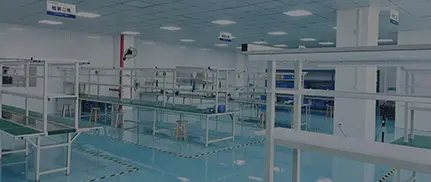

Providing clear and structured commercial support alongside robust technical guarantees to partners worldwide.

Enjoy transparent prices without hidden charges. We provide clear, comprehensive and detailed quotations to ensure predictable purchasing costs.
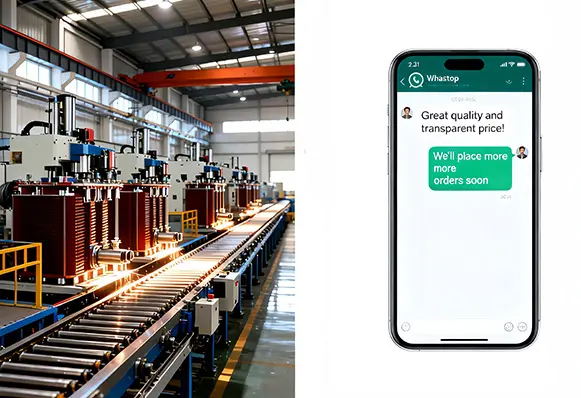

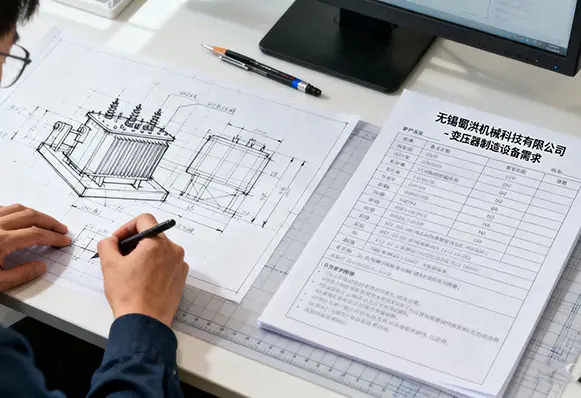
Every winding project has specific constraints. We tailor coil winding patterns, CNC cutting configurations, and automation steps for your production volume.

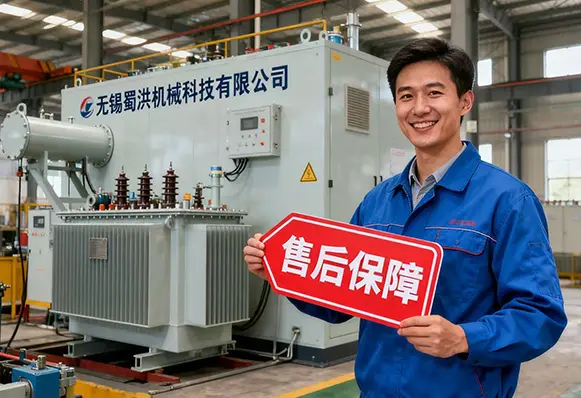
Our commitment doesn't end at delivery. We supply remote setup support, machinery calibration training, and replacement parts to keep downtime close to zero.

Technical questions and machine requests are handled rapidly by our engineering group to ensure continuous operation for our global clients.

Our factory processes conform directly to ISO 9001 quality systems and CE compliance certifications, ensuring international compatibility.
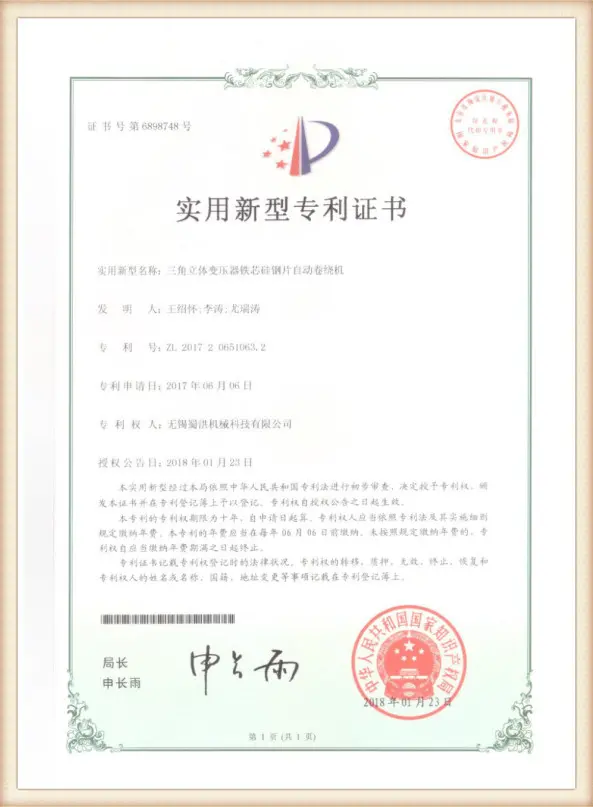
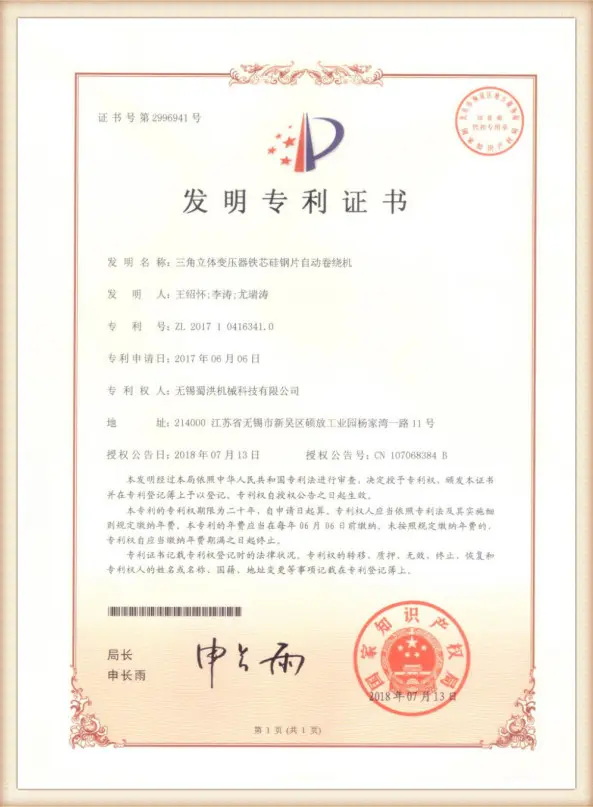
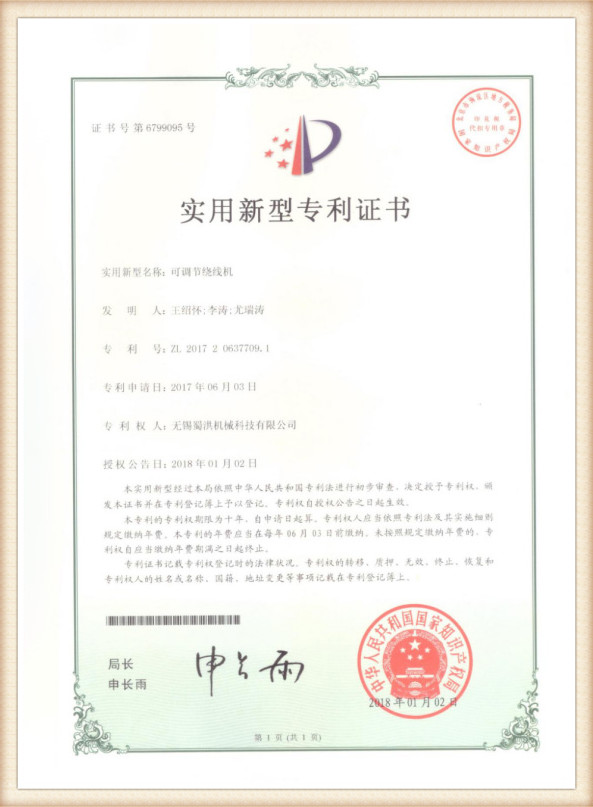
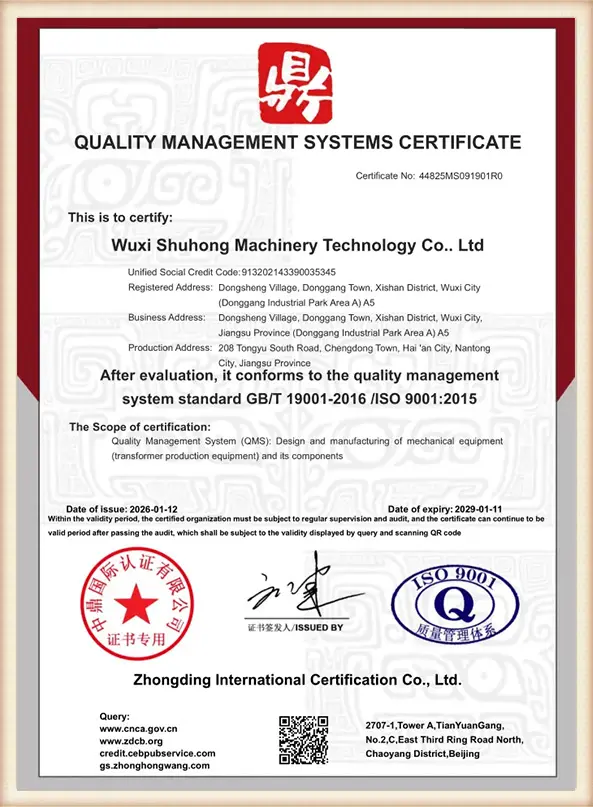
Custom industrial configurations designed for distinct manufacturing requirements, from raw sheet cutting to fully tested grid units.

Delivering high-efficiency oil-immersed and dry-cast power solutions tailored for high-load industrial infrastructure.

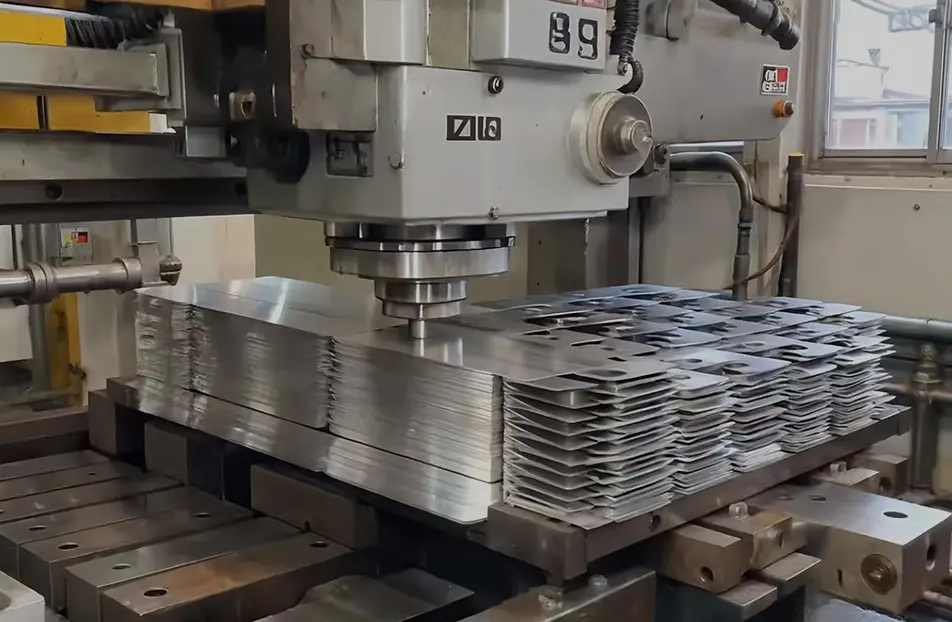
Automated CNC shear lines engineered for low core stress and high stacking density, reducing no-load losses.

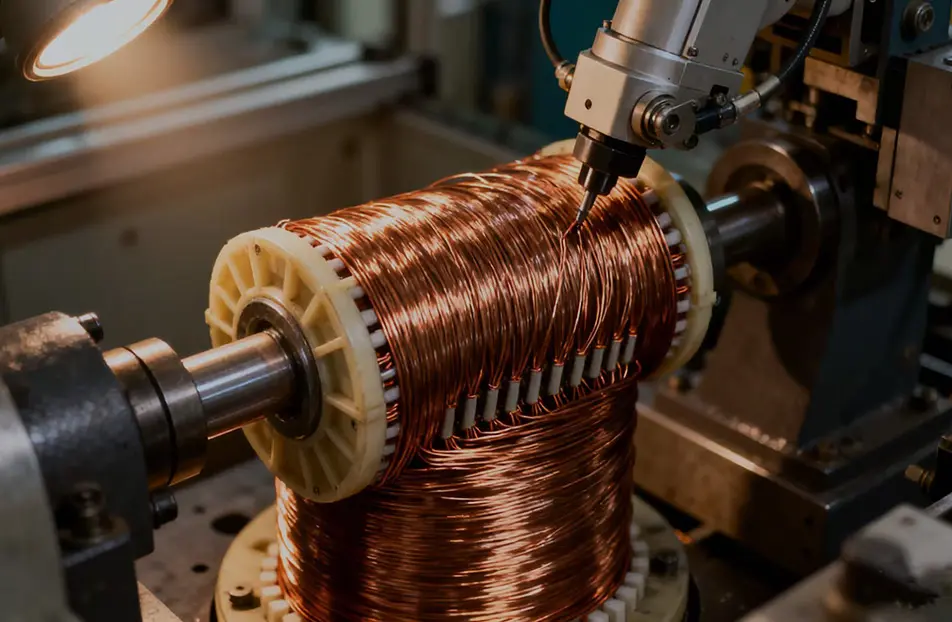
Digital foil and wire coiling benches equipped with real-time tension adjustments to prevent mechanical defects.

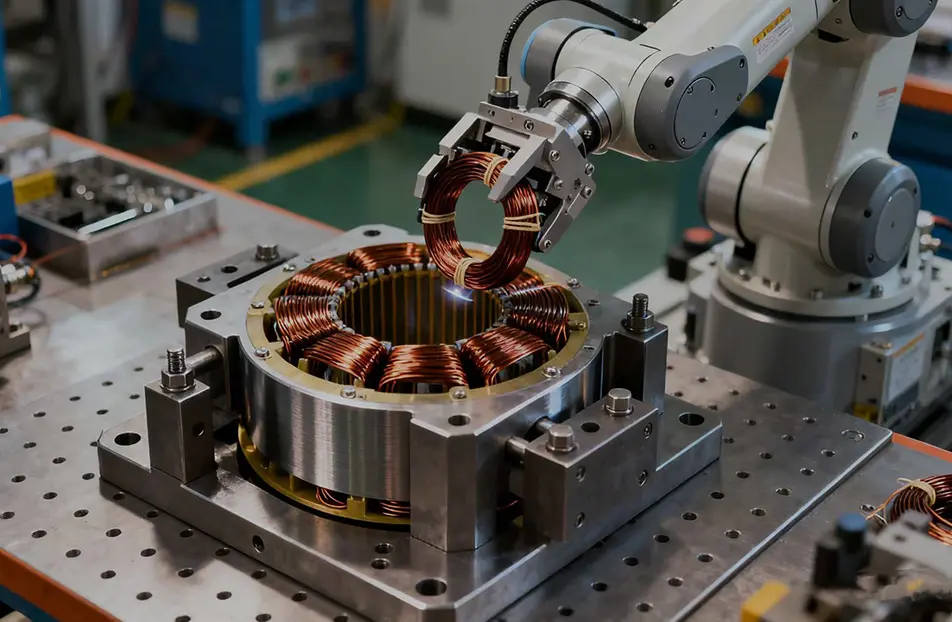
Ergonomic tilting and assembly tables designed to support massive core weights while maintaining perfect geometry.

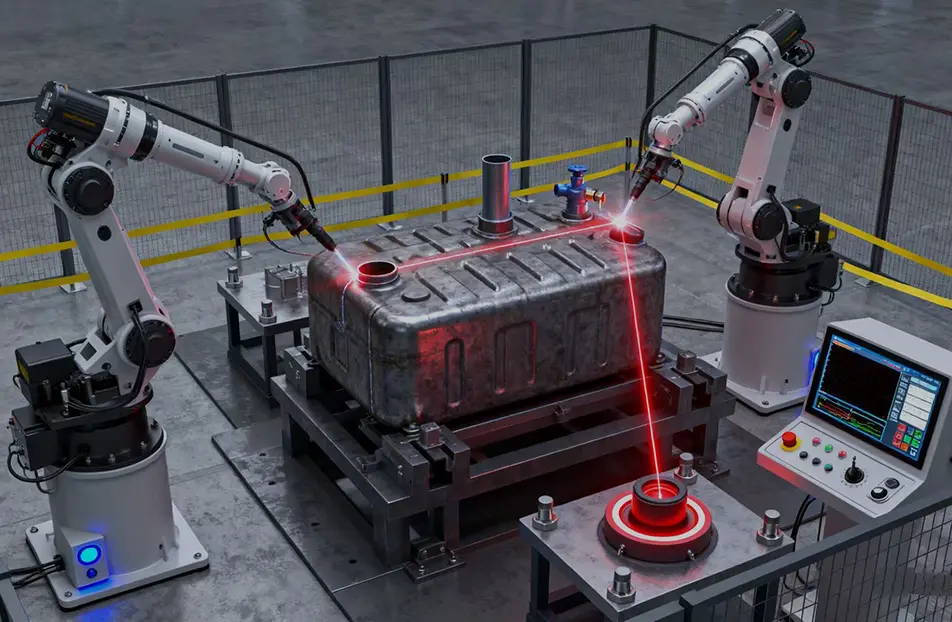
Hermetic welding systems for corrugated oil tanks, eliminating leaks under high operating pressures.

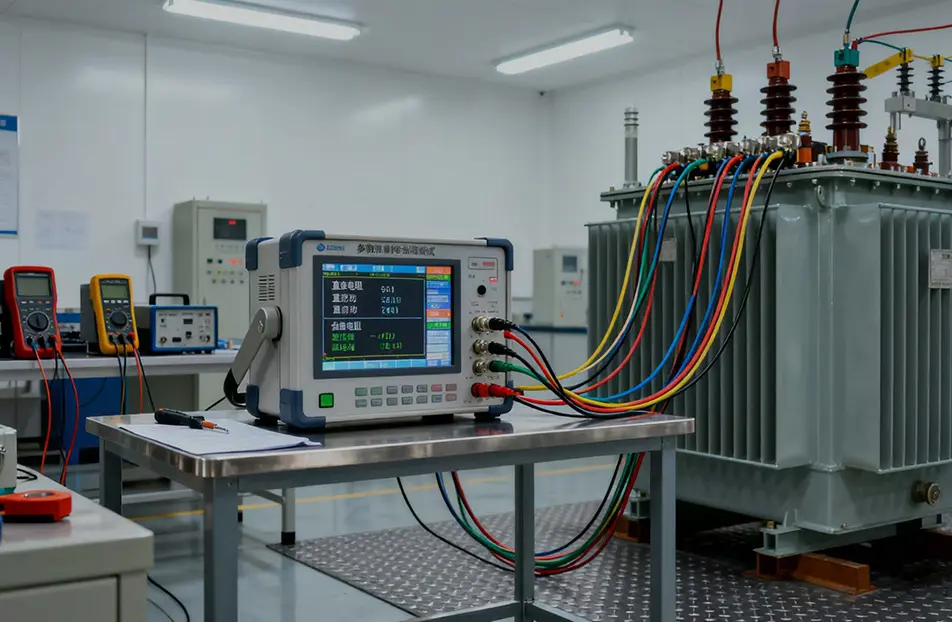
Comprehensive load loss, dielectric strength, and partial discharge testing setups for verified grid readiness.

Explore recent updates and in-depth analyses detailing tension stability, wire-jumping prevention, and smart factory integration.
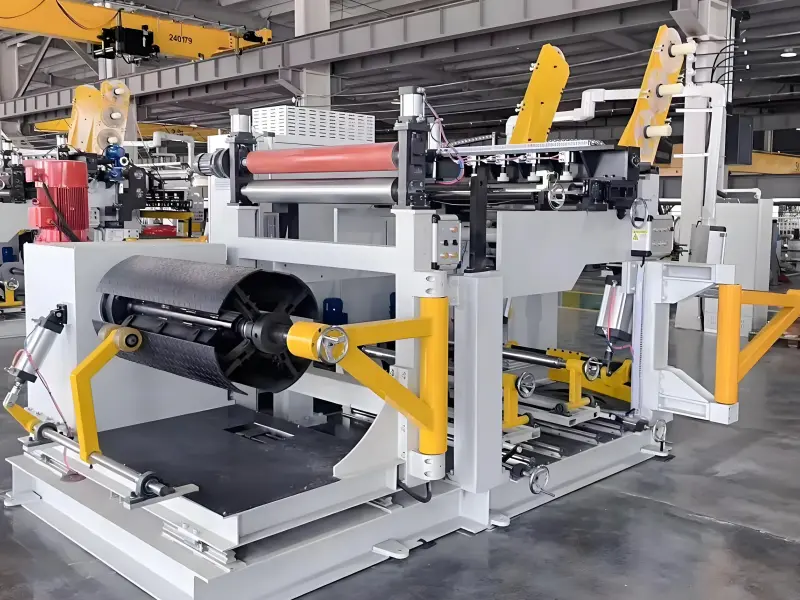
We explore closed-loop tension systems that maintain continuous tension tolerances on rectangular wires and heavy foil reels, minimizing core air gaps...
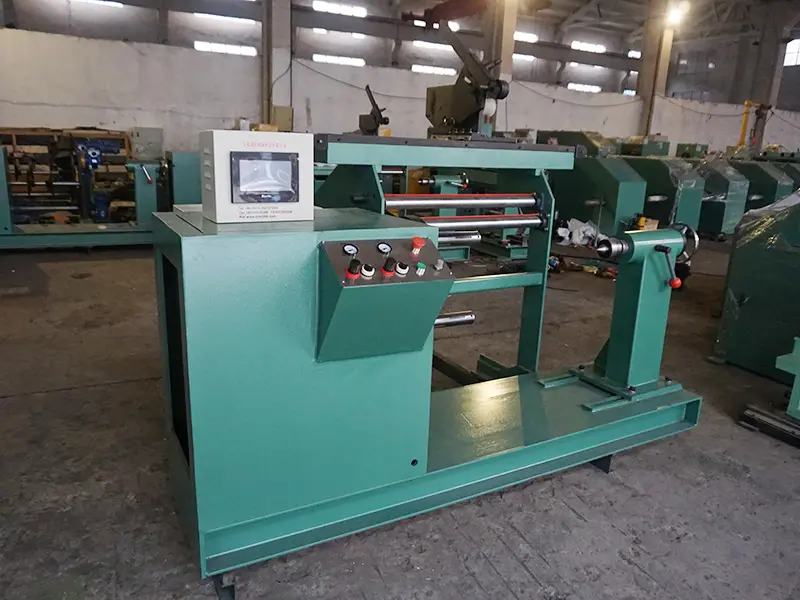
Analyzing key mechanical causes behind wire jumping during high-speed coil production, and presenting the latest design upgrades in wire-guiding assemblies...
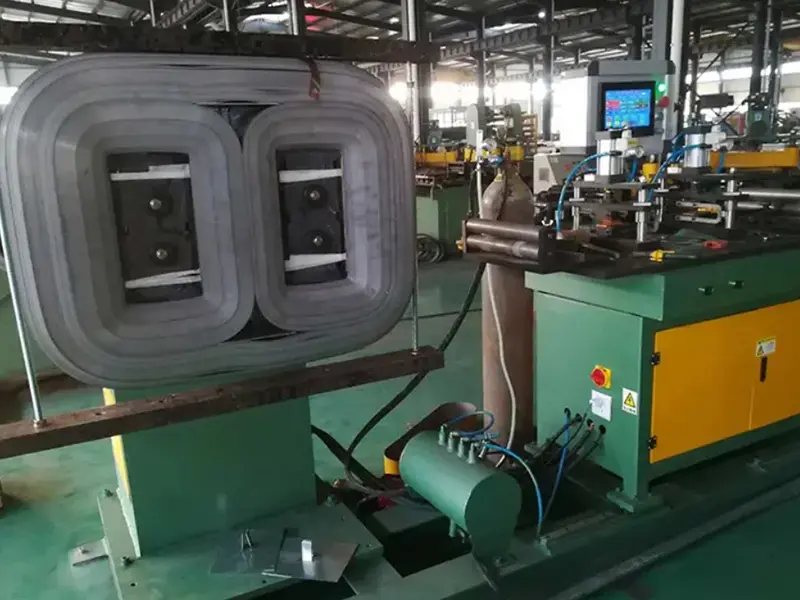
Smart factories rely on real-time data tracing. Learn how our winding PLC systems export coil layer tension and parameters directly to central MES networks...
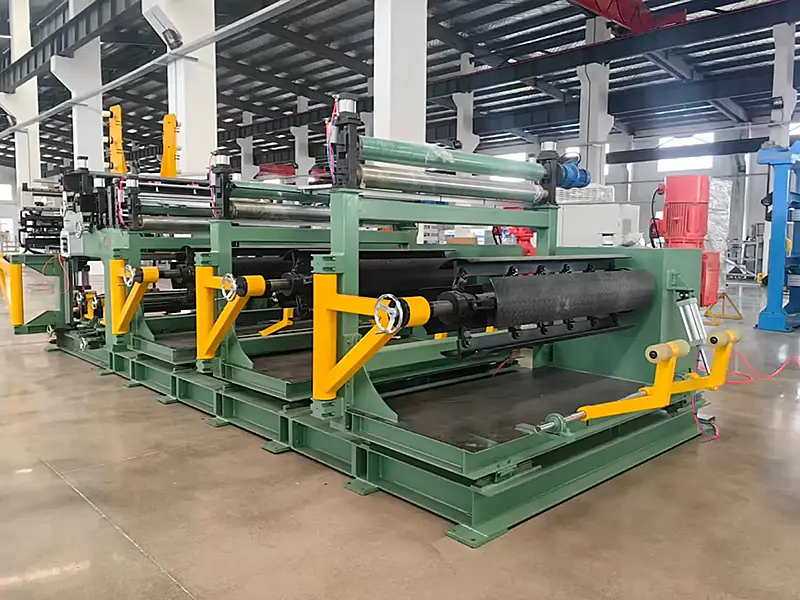
Most transformer factories run multiple models. This article outlines how customizable winding heads and adjustable tooling centers handle round, oval, and rectangular coil structures on a single machine...
In-depth answers from our engineering group addressing design considerations, materials, and machinery operation.
Foil windings utilize wide sheets of copper or aluminum instead of individual round or rectangular magnet wires. This design reduces the axial forces generated during external short-circuit events, as the current flows uniformly across the foil width. Foil winding machines also yield a higher packing factor, maximizing core window usage and improving heat dissipation compared to wire-wound equivalents.
When silicon steel sheets are slitted, cut, or wound into 3D triangular shapes, the material undergoes mechanical stress that alters its crystalline magnetic domain structure. This stress leads to elevated no-load losses and noise. Placing the wound cores in a vacuum annealing furnace at controlled high temperatures restores the electromagnetic properties of the silicon steel, ensuring optimal permeability.
Reliable factories are characterized by: 1. A complete manufacturing chain, from core slitting to coil winding and testing. 2. Real-time digital tension controls on all winding machinery. 3. Compliance with international standards, backed by certified ISO and CE documentation. 4. MES integration to ensure complete batch traceability.
Unlike traditional stacked cores with 90-degree joints, 3D triangular rolled cores feature continuously wound silicon steel bands without air gaps. This symmetrical three-phase arrangement matches the magnetic path length for all phases, reducing excitation current, third-harmonic distortion, and no-load losses by up to 30%.
Browse our catalog of high-efficiency transformers, CNC cutting tables, and professional automatic welding systems.