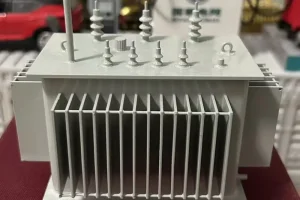
Industrial Whitepaper: The Evolution and Manufacturing Architecture of Medium Voltage Power Systems
Addressing Technological Transitions, Core Fabrication Machinery, and Global Procurement Standards
1. Global Development Trends in Medium Voltage Power Systems
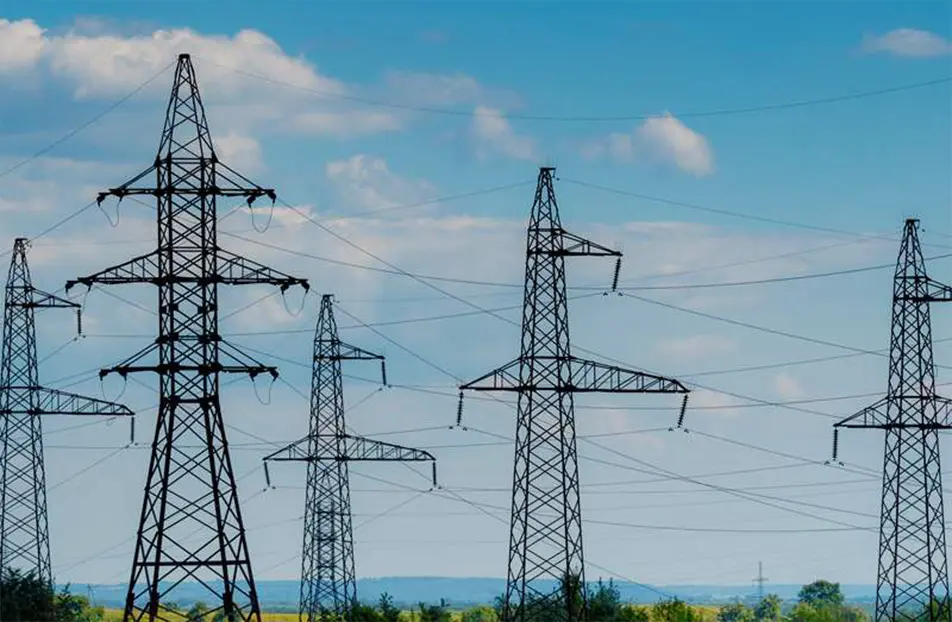
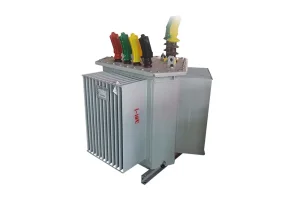
The global energy infrastructure is undergoing an unprecedented paradigm shift. Driven by aggressive decarbonization mandates, the rapid proliferation of distributed energy resources (DERs), and the absolute necessity of grid modernization, Medium Voltage (MV) power systems (typically operating between 1 kV and 36 kV) have transitioned from passive distribution paths to active, bidirectional smart grid interfaces. Key trends redefining this sector include:
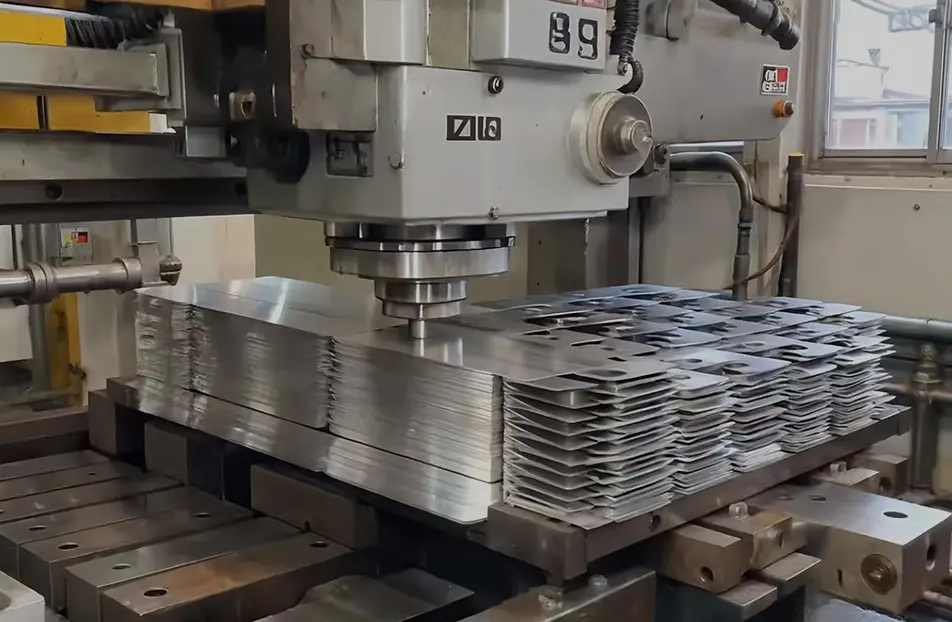
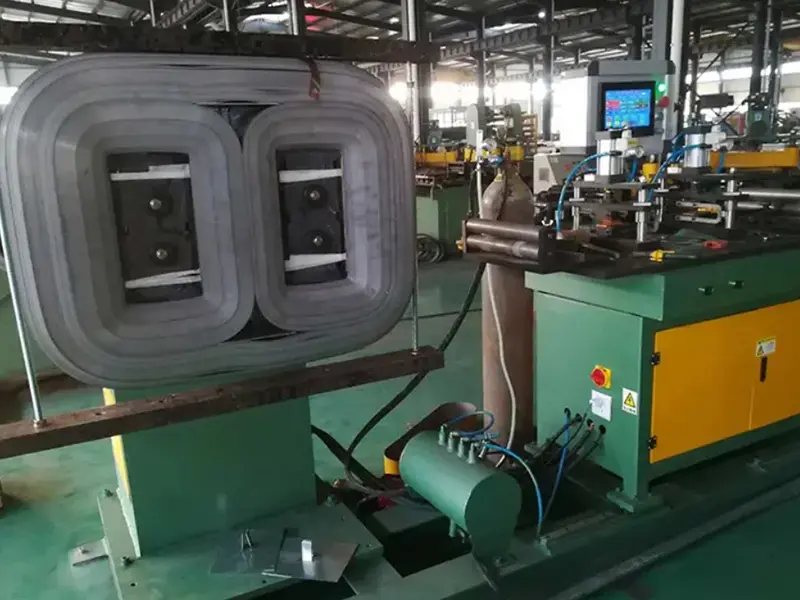
- Low-Loss Core Materials: Traditional silicon steel cores are increasingly being supplemented or replaced by amorphous alloy cores. Amorphous alloys reduce no-load losses by up to 70% compared to grain-oriented silicon steel, facilitating ultra-efficient power conversion.
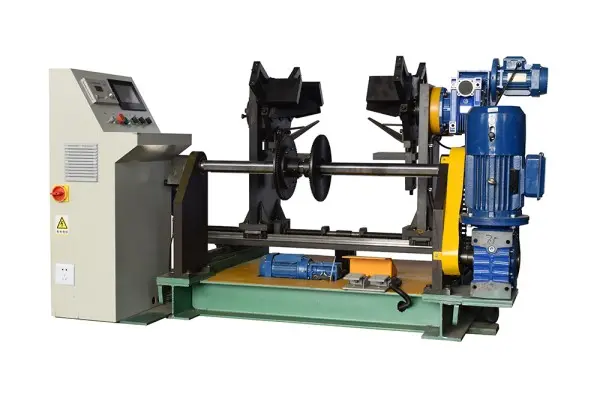
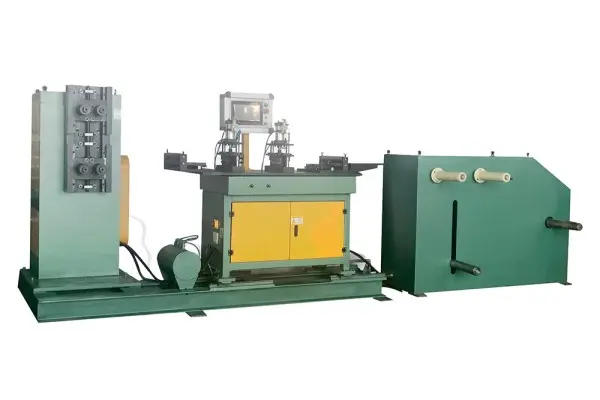
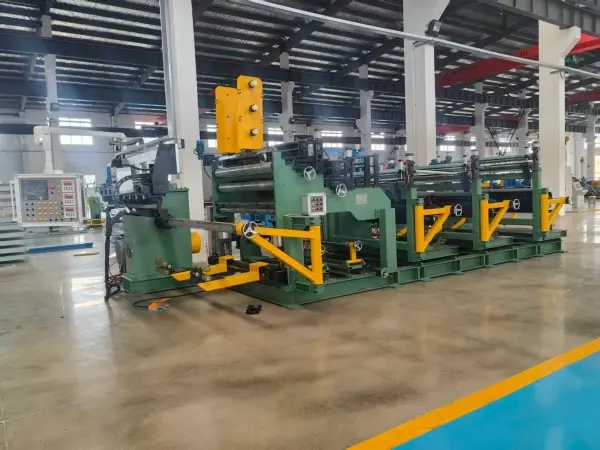
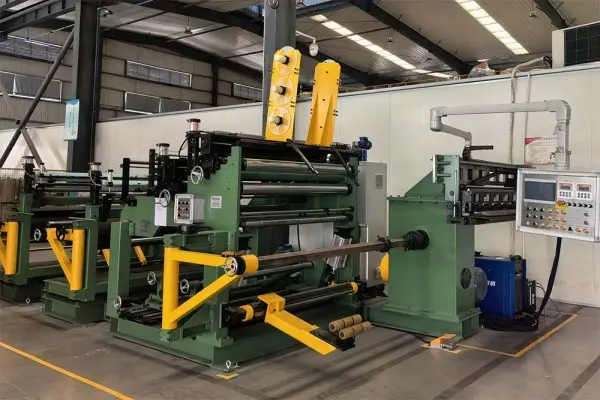
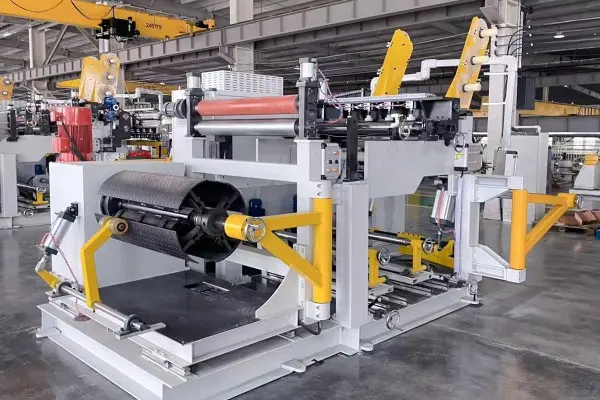
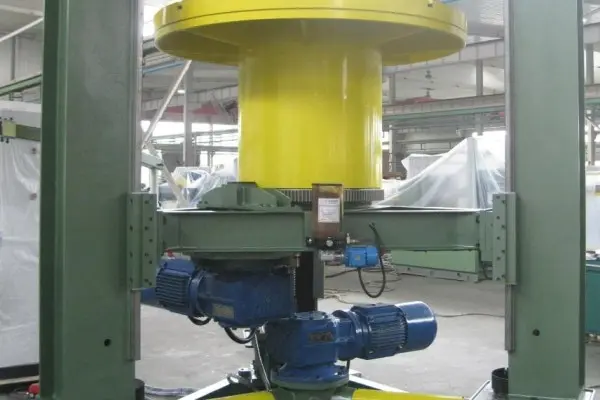
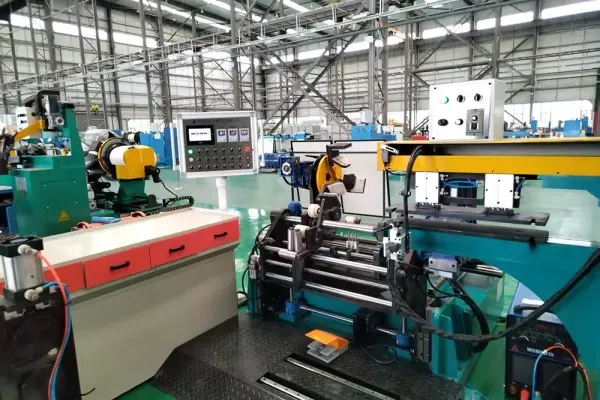
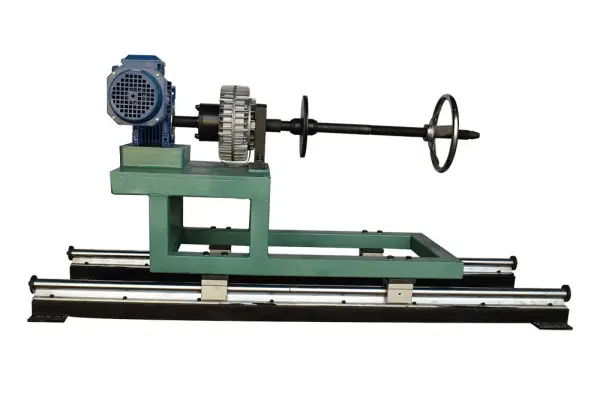
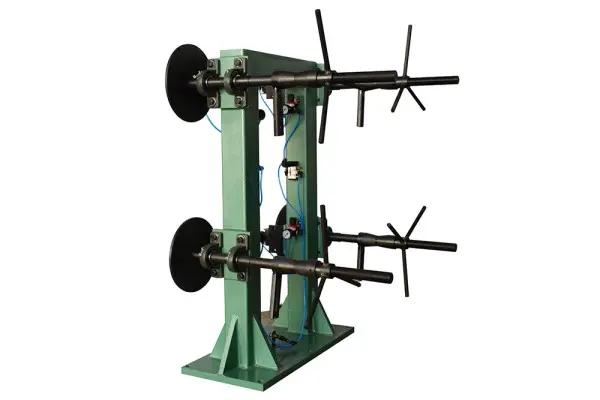
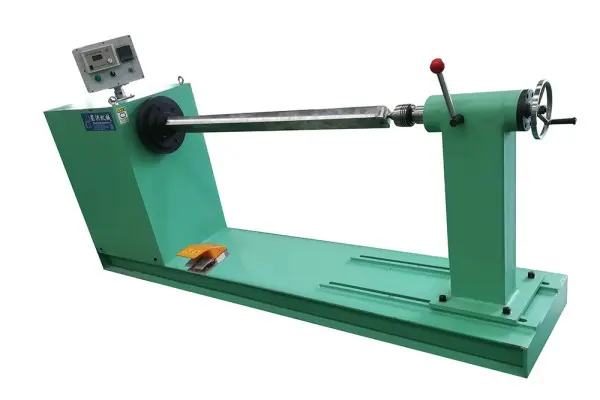
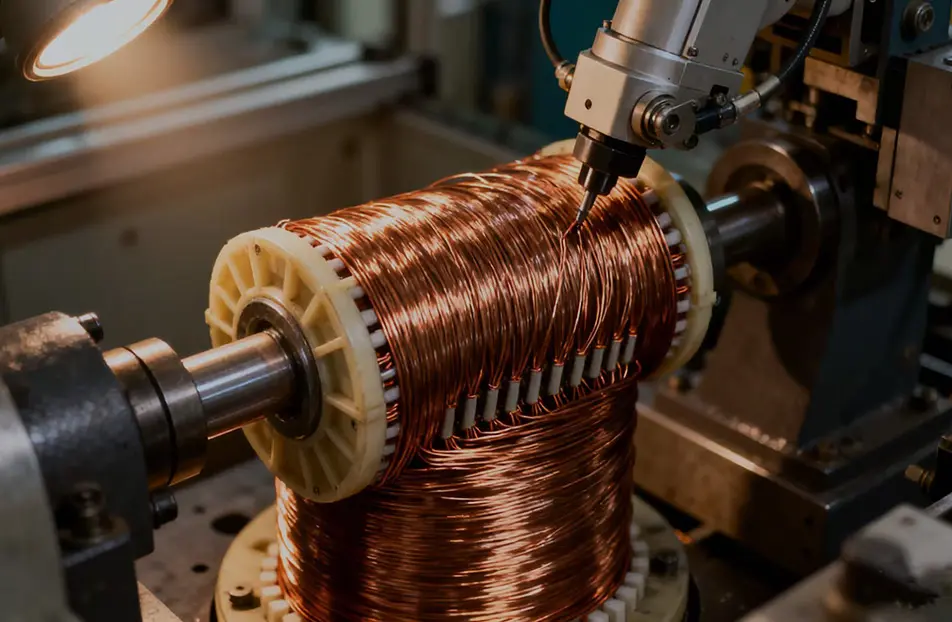
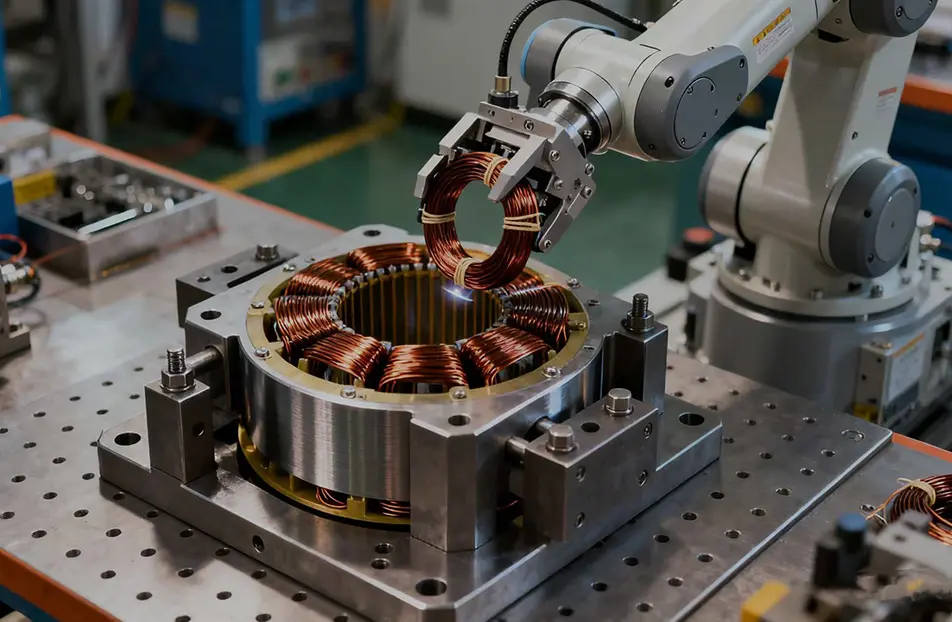
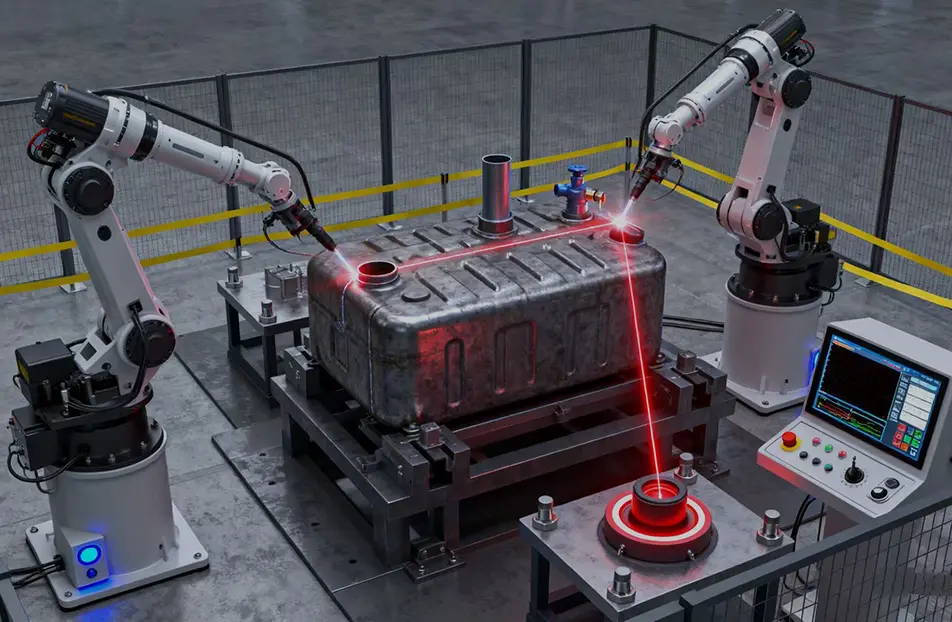
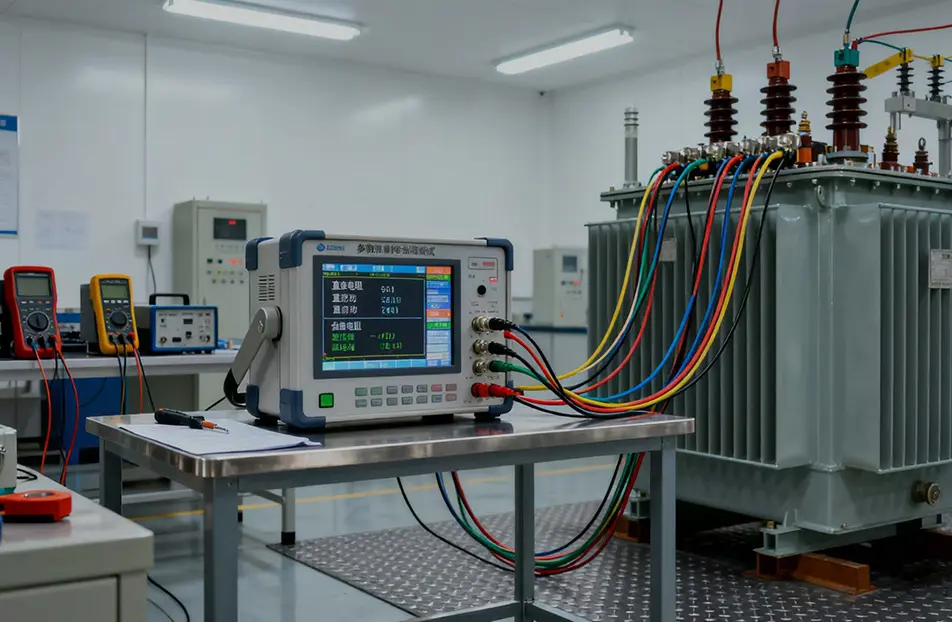
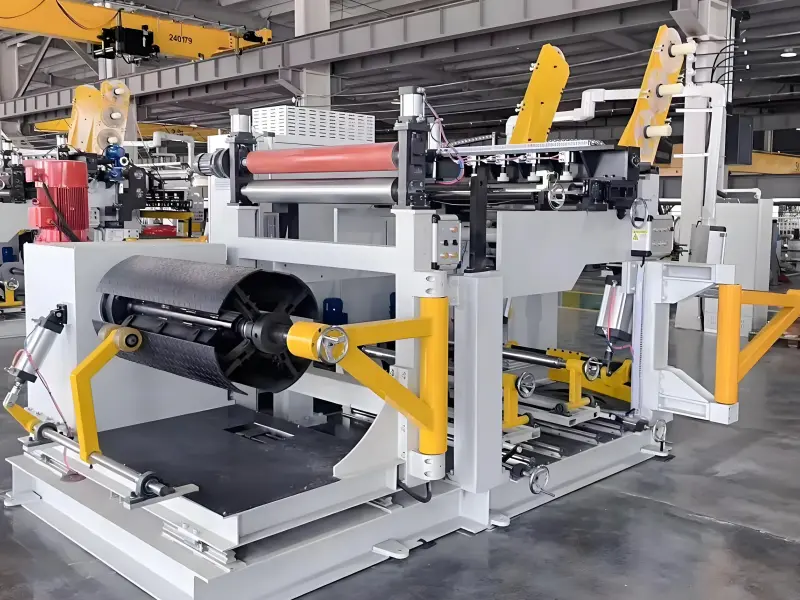
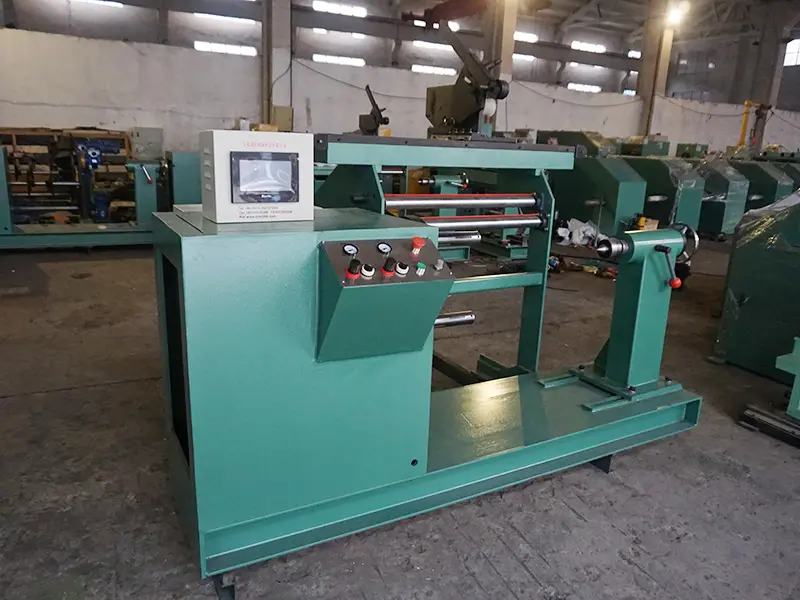
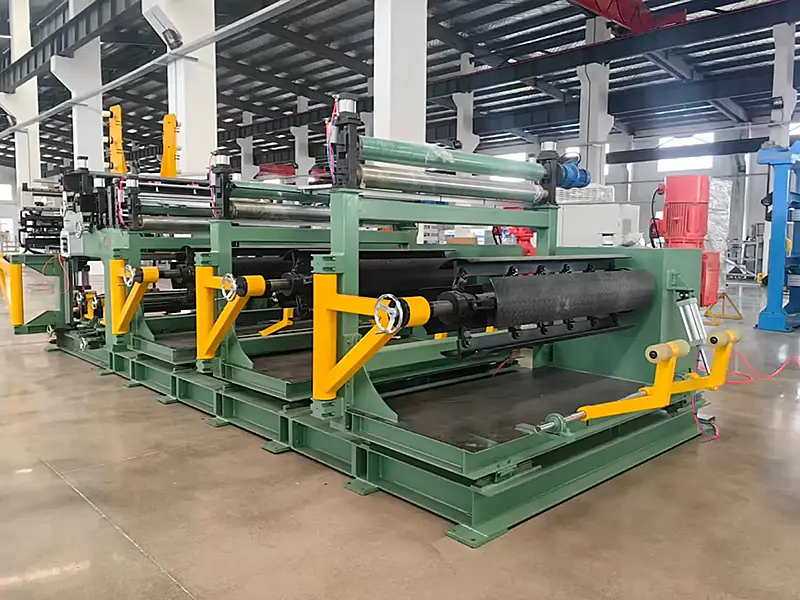
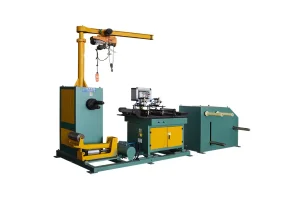
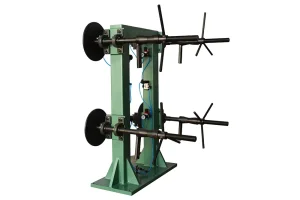
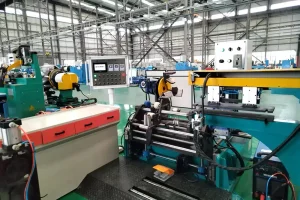
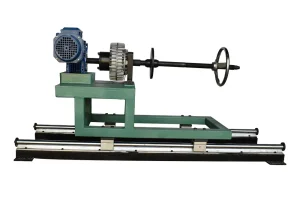
- High-Precision Automation in Manufacturing: Controlling electrical stresses and partial discharge (PD) inside MV assets requires extreme winding accuracy. Modern automated CNC foil and wire winding systems are now standard, ensuring consistent tension control and zero-gap layers.
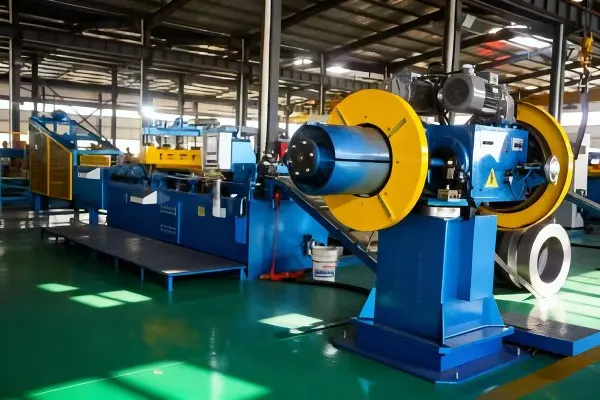
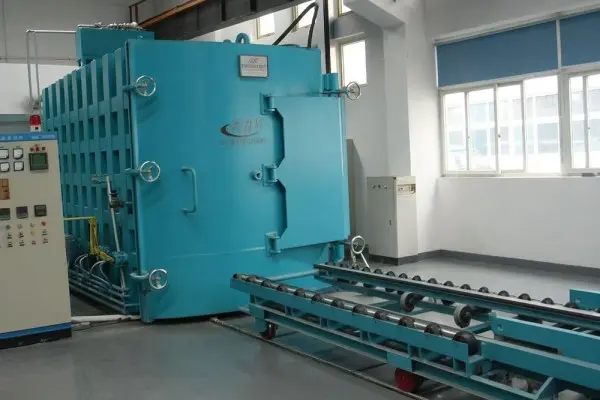
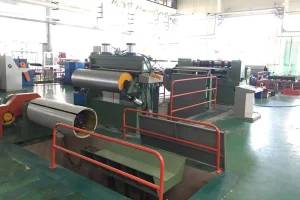
- Digital Twins and IoT Integration: Modern coil and core processing lines are integrated with plant manufacturing execution systems (MES), facilitating real-time telemetry from tension controllers, shearing stations, and thermal annealing chambers.
"Integrating advanced mechanical automation in the early core processing and coil winding stages is no longer optional; it is the fundamental baseline for high-efficiency grid compliance globally." - Chief Technical Officer, Wuxi Shuhong Machinery Technology Co., Ltd.
2. Global Sourcing Dynamics: Cost vs. Lifecycle Performance
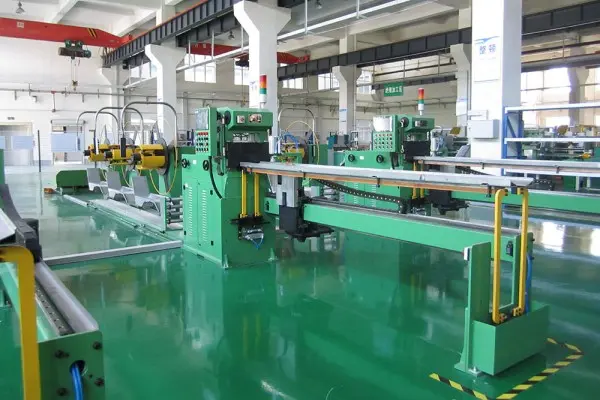
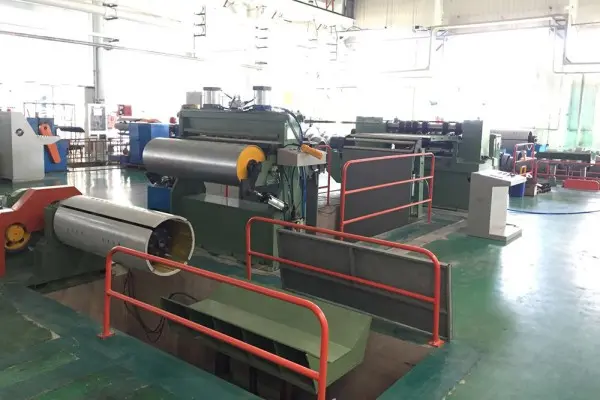
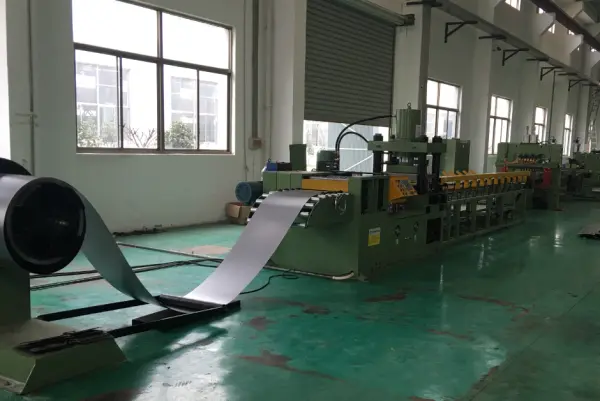
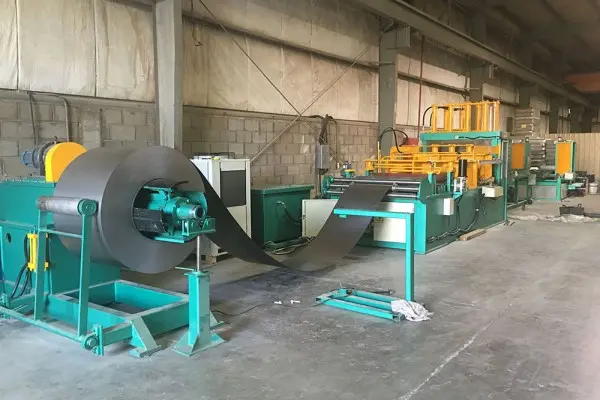
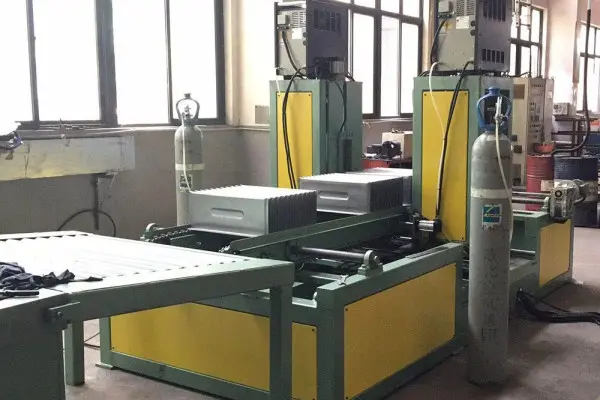
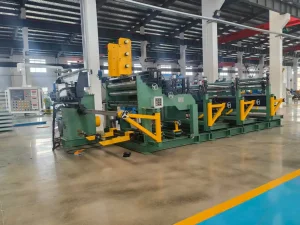
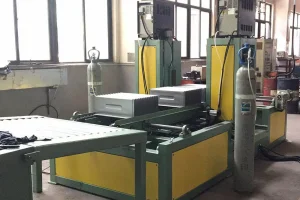
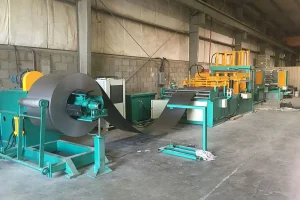
Strategic sourcing managers in the electrical machinery sector analyze procurement through the lens of Total Cost of Ownership (TCO). Procurement decisions require weighing initial capital expenditure (CAPEX) against the long-term operating costs (OPEX) caused by system inefficiencies, core losses, and premature insulation breakdowns. By sourcing directly from a discount yet high-quality manufacturer like Wuxi Shuhong Machinery, grid developers can acquire robust machinery (such as CNC slitting, shearing, and automatic corrugated welding lines) at highly competitive prices without sacrificing engineering tolerances.