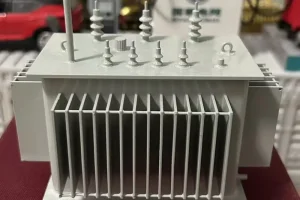
Integrating high-efficiency automation with sub-millimeter tolerances to ensure structural integrity and maximum performance for energy systems across the United States.
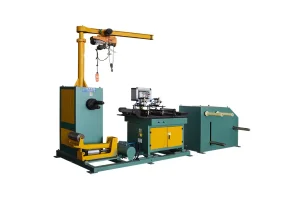
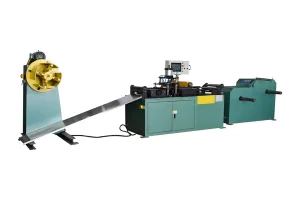
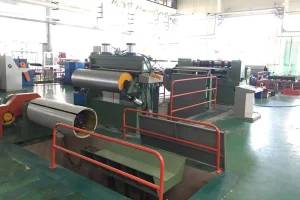
The industrial landscape in the United States is undergoing a significant transformation, driven by an urgent need to modernize the national electrical grid and accommodate the massive growth of renewable energy sources. The Department of Energy (DOE) has introduced stringent efficiency standards for distribution and industrial transformers, pushing manufacturers to transition from traditional stacked cores to highly efficient 3D wound cores and amorphous alloy cores. This regulatory shift has created unprecedented demand for advanced silicon steel processing and core manufacturing machinery.
Historically, the US power sector relied heavily on conventional laminated steel cores. However, core loss (no-load loss) represents a continuous waste of energy over decades of a transformer's lifecycle. To combat this, modern facilities are adopting 3D wound core layouts, which feature continuous strip wrapping, minimizing structural gaps and allowing the magnetic flux path to follow the natural direction of the grain-oriented electrical steel (GOES). Our state-of-the-art winding, cutting, and shearing machinery addresses this industry shift, providing the physical foundation for the next generation of energy grid infrastructures.
In North America, local transformer manufacturers require highly automated, repeatable, and scalable production equipment to offset higher labor costs. Compliance with IEEE C57 and NEMA standardizations requires precision machinery capable of processing high-permeability, domain-refined GOES materials down to thicknesses of 0.18mm to 0.23mm without introducing mechanical stress. Any mechanical stress induced during shearing, slitting, or winding increases core loss and acoustic noise, directly impacting the final quality of the transformer.
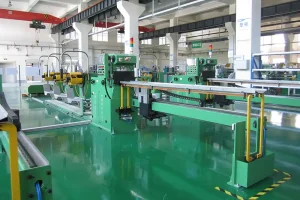
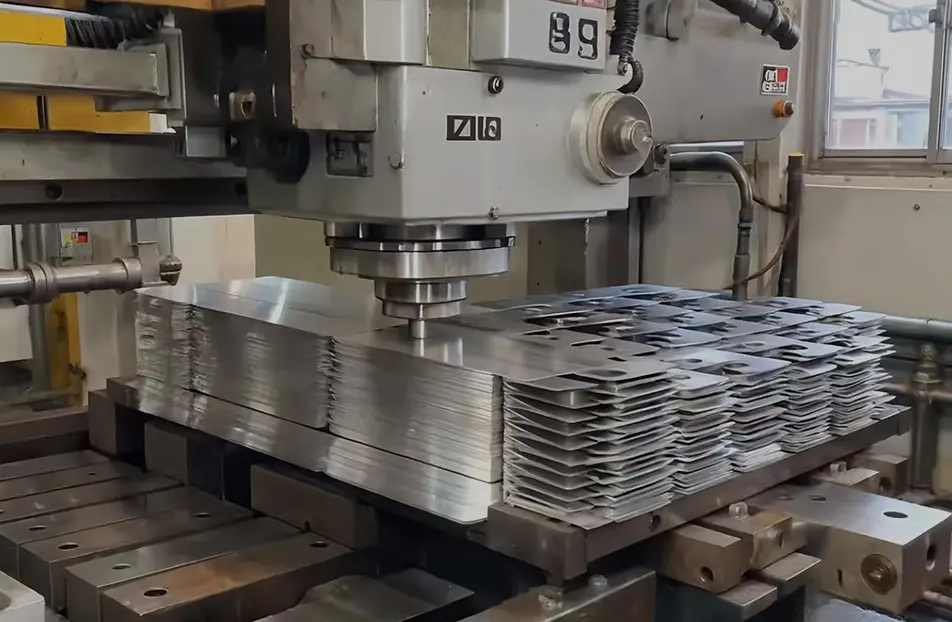
Our custom CNC slitting and shearing lines utilize tungsten carbide knives and servo tension control systems to process ultra-thin laminations without edge deformation or burrs, keeping burr heights strictly under 0.02mm.
Handling amorphous ribbon presents unique challenges due to its extreme thinness (approx. 25 micrometers) and mechanical brittleness. Our high-precision shearing lines feature customized material handling to prevent physical fracturing during high-speed operation.
Supporting clean energy transition layouts by facilitating the high-volume production of solar inverters, wind turbine step-up transformers, and rapid EV charging network distribution centers across the US.
Globally, the push towards carbon neutrality is restructuring heavy industries. Advanced core manufacturing machines are no longer niche products; they are critical tools for environmental compliance and operational cost reduction. In the European Union, ECO-design regulations demand maximum energy performance, matching the regulatory updates seen in the US. Asian manufacturing hubs are rapidly scaling production capacities to supply international markets, utilizing smart factories where machine learning loops optimize coil tensioning and steel placement in real-time.
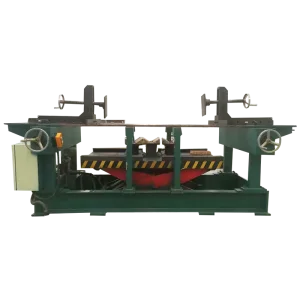
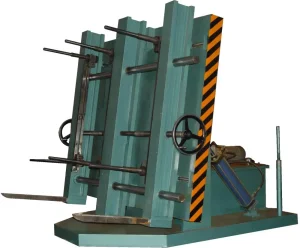
A key focus area is the reduction of environmental noise. Urban centers in both North America and Europe are imposing strict decibel limits on public substations. By deploying precision R-type planar cores and 3D triangular wound cores, manufacturers can reduce acoustic vibrations by 5 to 15 dB compared to conventional stacked cores. The mechanical integrity of the core structure, ensured by high-performance turning and assembly tables, plays a pivotal role in limiting magnetic noise caused by magnetostriction.
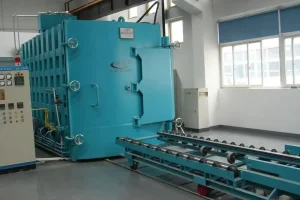
Explore our highly integrated equipment series designed to streamline raw material processing, precision cutting, thermal annealing, and final assembly operations.
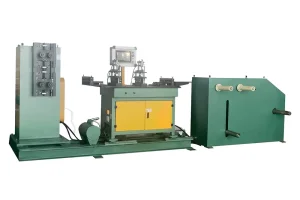
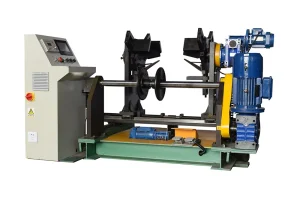
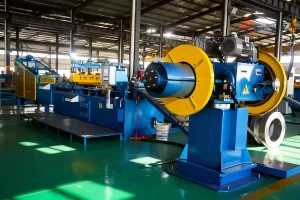
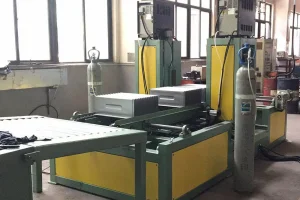
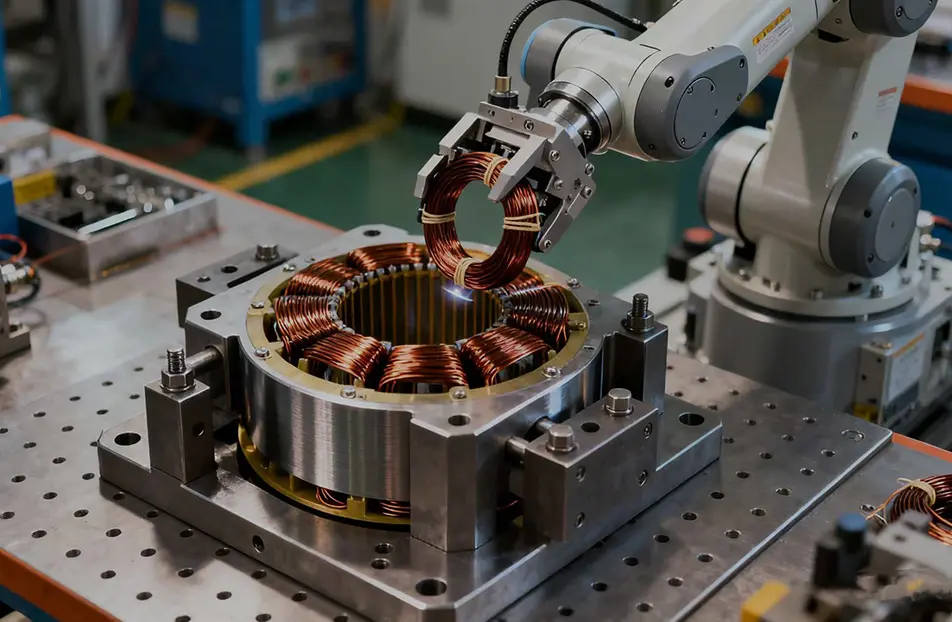
Complete your production setup with specialized vertical winding, high-power foil winding, and 3D triangular core configurations.
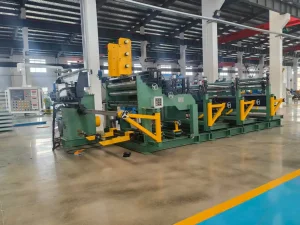
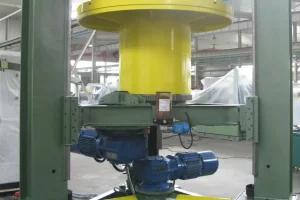
The core manufacturing landscape is transitioning from manual machinery supervision to fully autonomous, IoT-integrated fabrication cells. Our roadmap focuses on three main developments:
Providing high-performance machinery across the entire fabrication cycle, from raw silicon steel coils to final core structures.


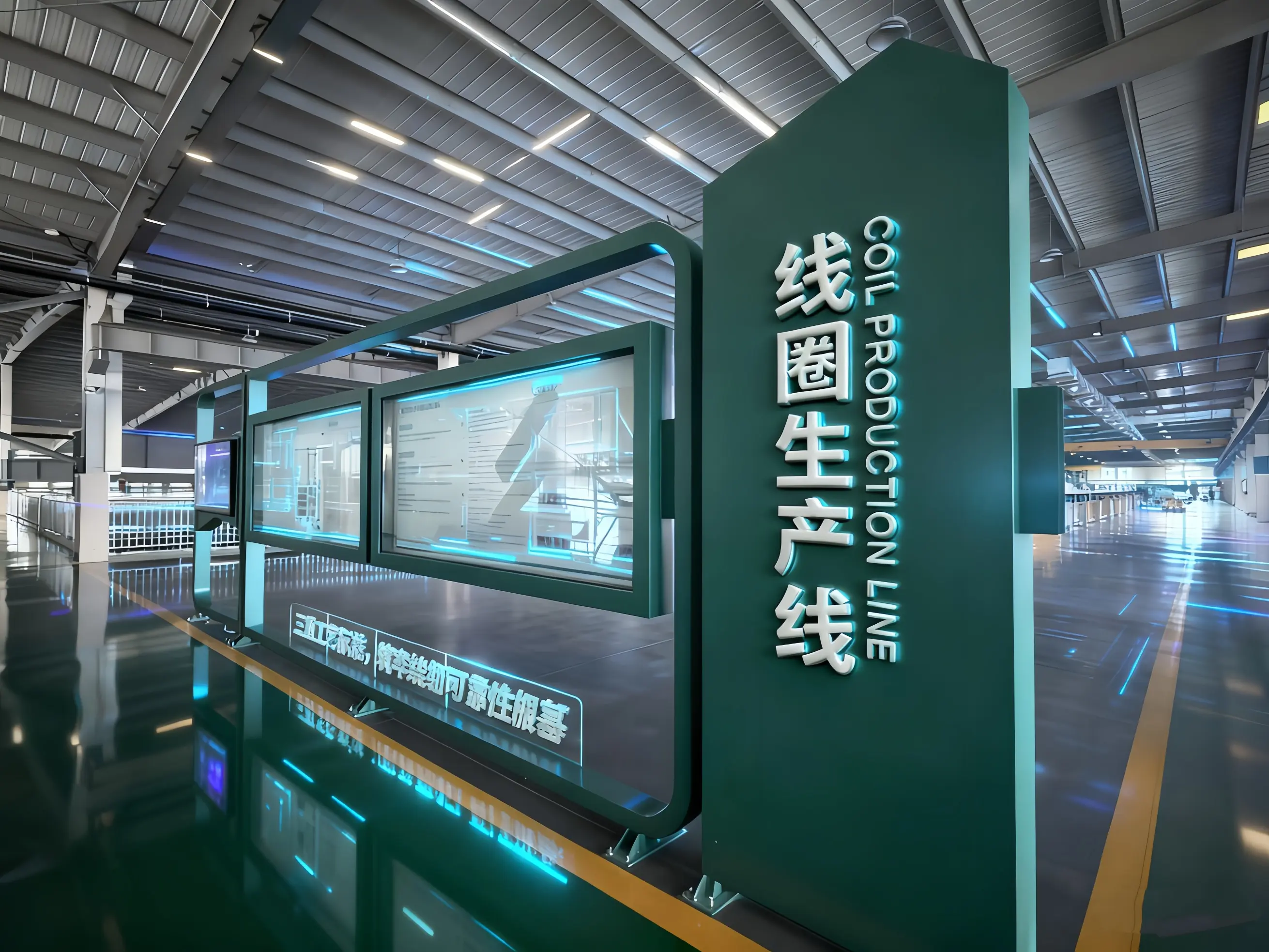
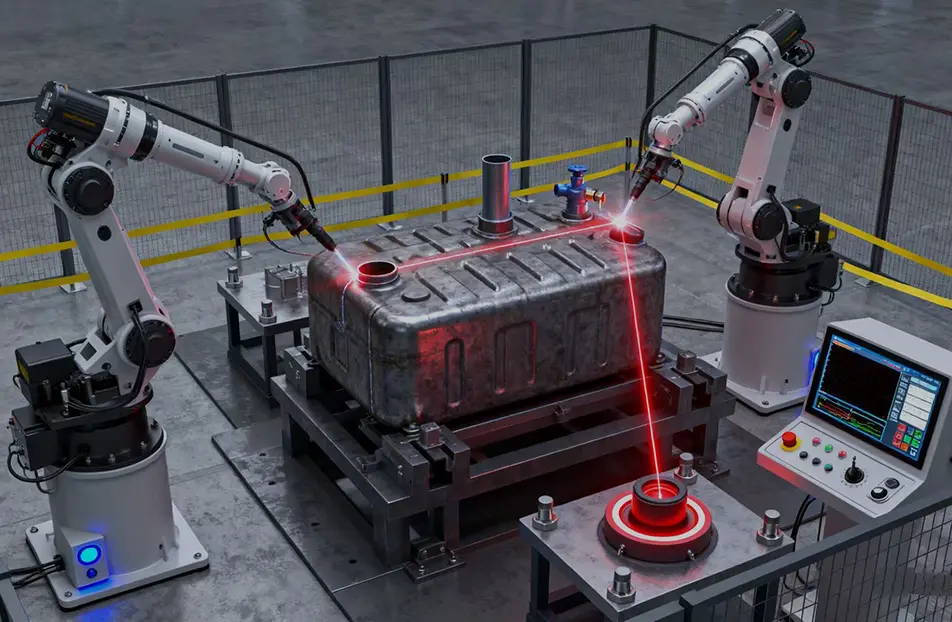
Wuxi Shuhong Machinery Technology Co., Ltd. is a manufacturer of electrical machinery and aluminum-plastic panel manufacturing machinery. Our core products for electrical machinery include: silicon steel processing lines, steel core cutting lines, amorphous alloy core assembly systems, dry-type and oil-immersed winding equipment, transformer oil tank lines, and dedicated assembly tooling.
We work closely with global and domestic transformer manufacturers, refining our systems to meet high efficiency and safety demands. By utilizing durable materials and high-precision CNC components, our machines offer long-term reliability in demanding factory environments.
End-to-end assistance from initial machine configuration through lifelong component maintenance and upgrades.

Clear, direct quotations with detailed line-item specifications and no hidden installation charges.

Tailoring machine dimensions, motor ratings, and control systems to fit your specific manufacturing goals.

Assisting with factory installation, operator training, and calibration routines to ensure smooth operation.

Remote diagnostics and rapid on-site technician visits to maintain high factory uptime.
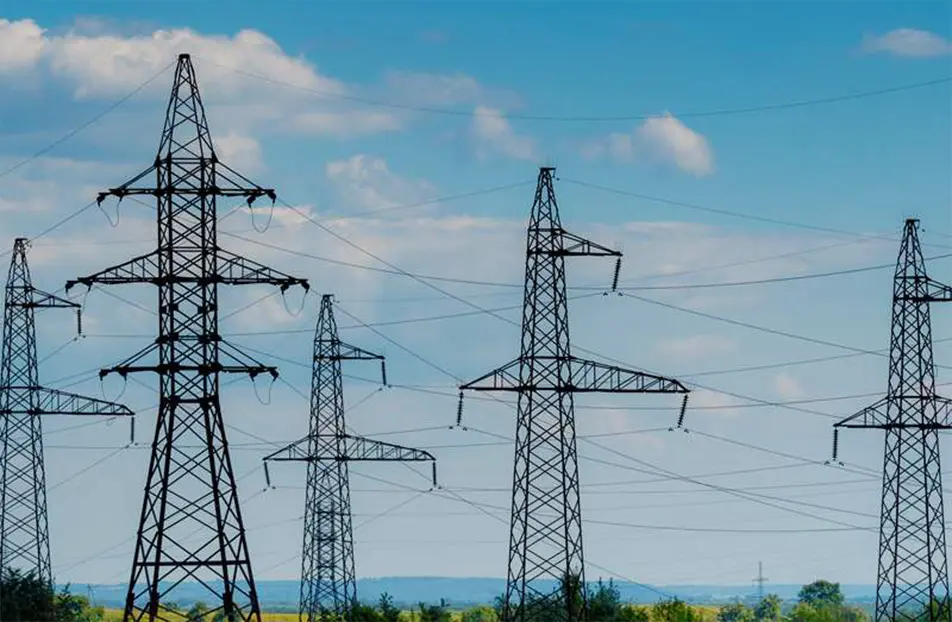
Supporting high-performance manufacturing across multiple electrical utility sectors.
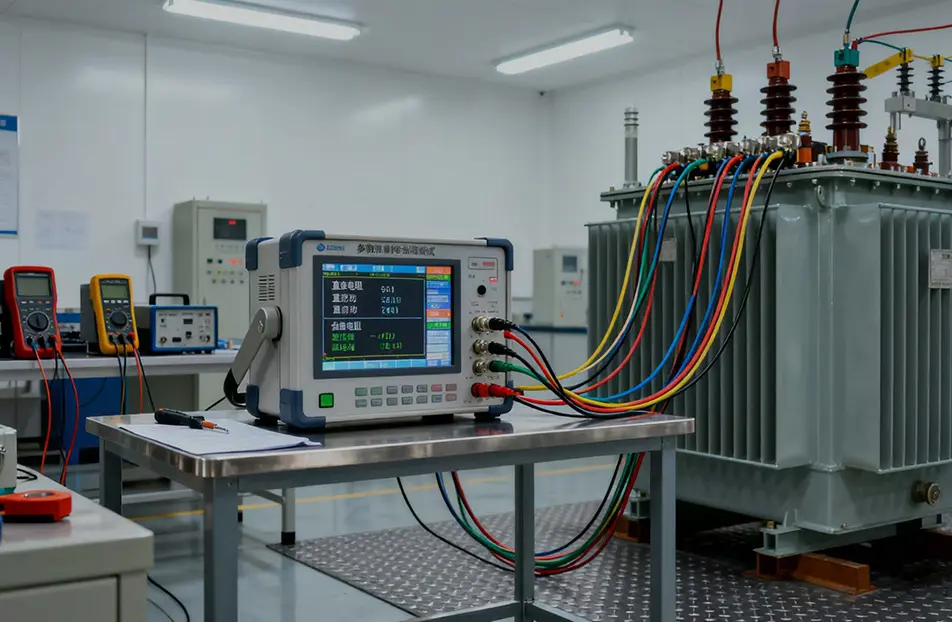
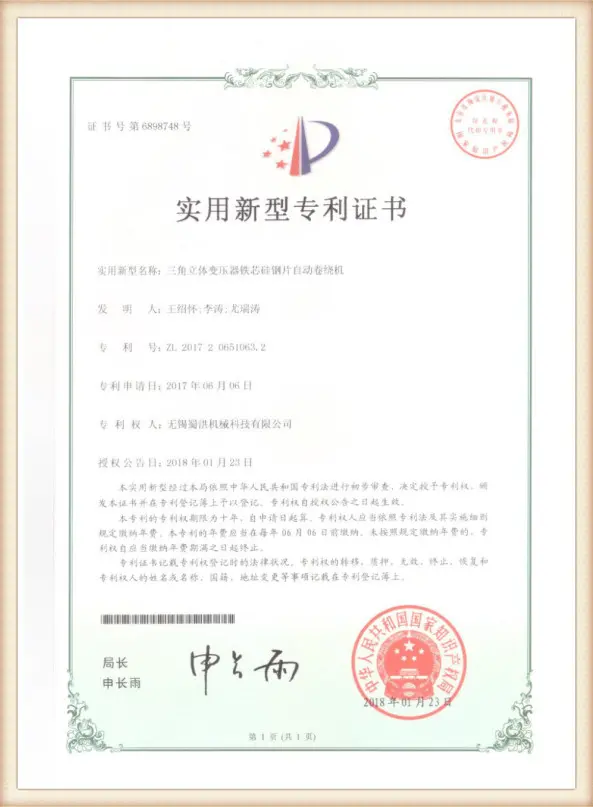
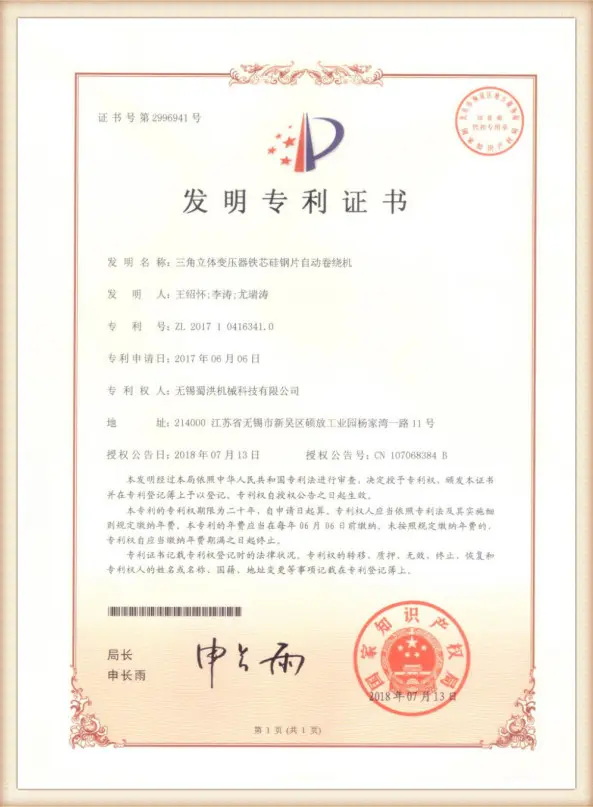
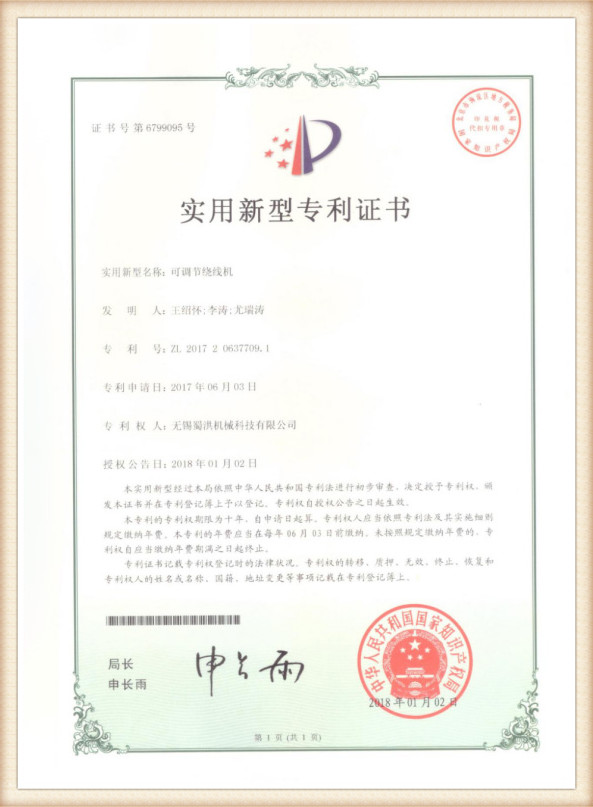
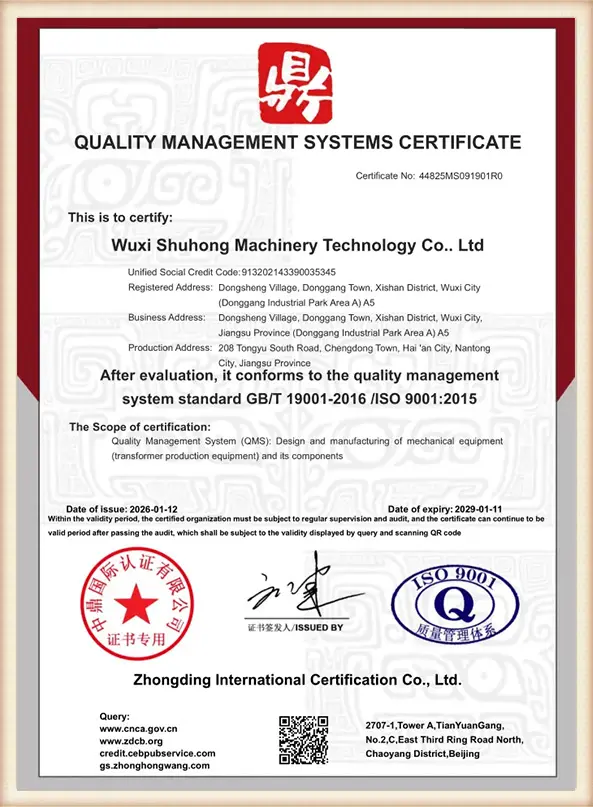
Our production facilities operate under ISO 9001 and CE directives, ensuring consistent mechanical quality.
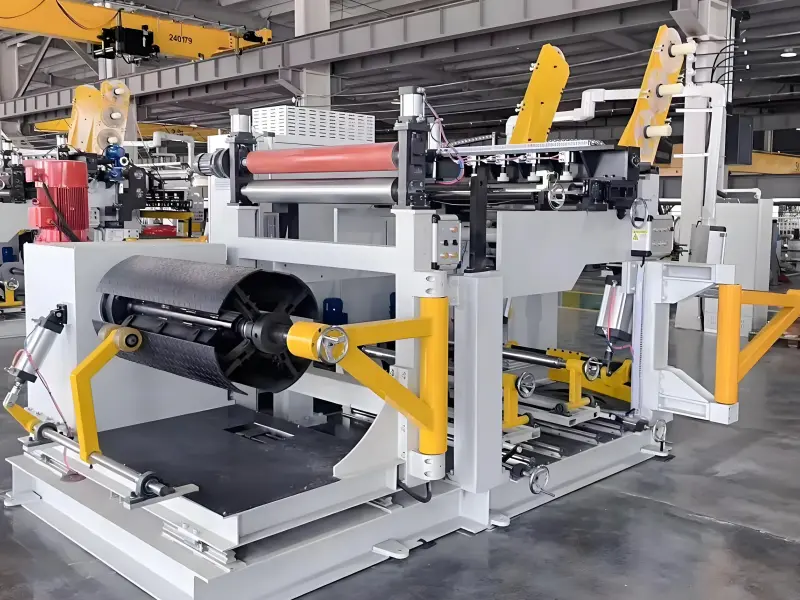
Stay informed with technical notes from our engineering team regarding transformer core fabrication developments.
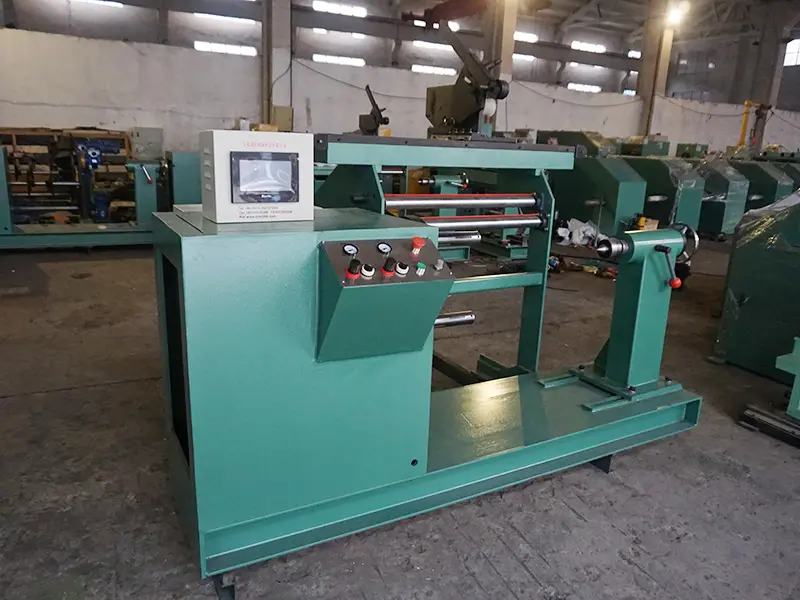
Discover how modern closed-loop feedback systems maintain constant wire tension, preventing core deformities.
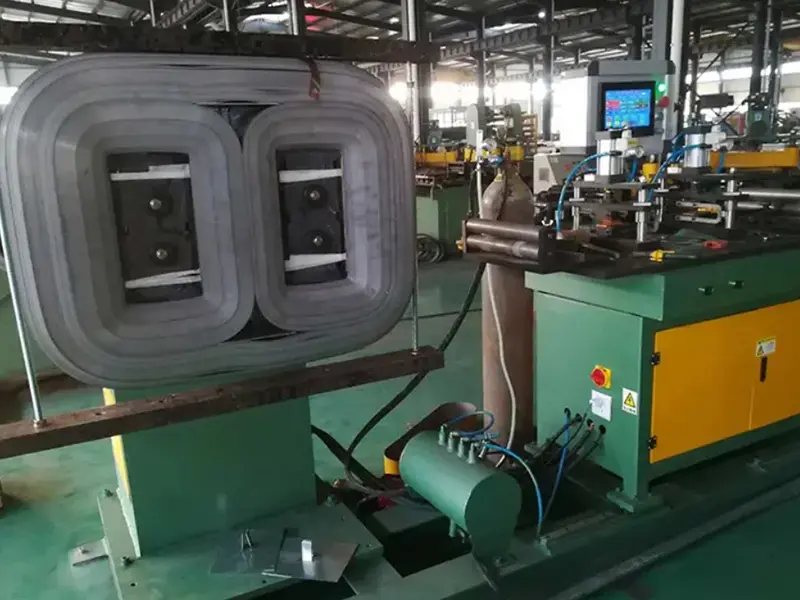
Practical mechanical insights into guiding system designs to eliminate wire overlap and uneven winding.
Integrating PLC controllers with enterprise resource planning systems to enable production line analytics.
An evaluation of modular mandrel tooling configurations used to wind round, oval, and rectangular coils.
Common inquiries regarding transformer core assembly machinery, silicon steel processing, and our customization capabilities.
3D wound cores feature a continuous, gap-free loop design that eliminates the 90-degree joints found in traditional stacked cores. This configuration allows magnetic flux to flow continuously along the grain direction of the silicon steel, reducing no-load losses by up to 30%, decreasing excitation current, and lowering acoustic noise levels by 5 to 15 dB.
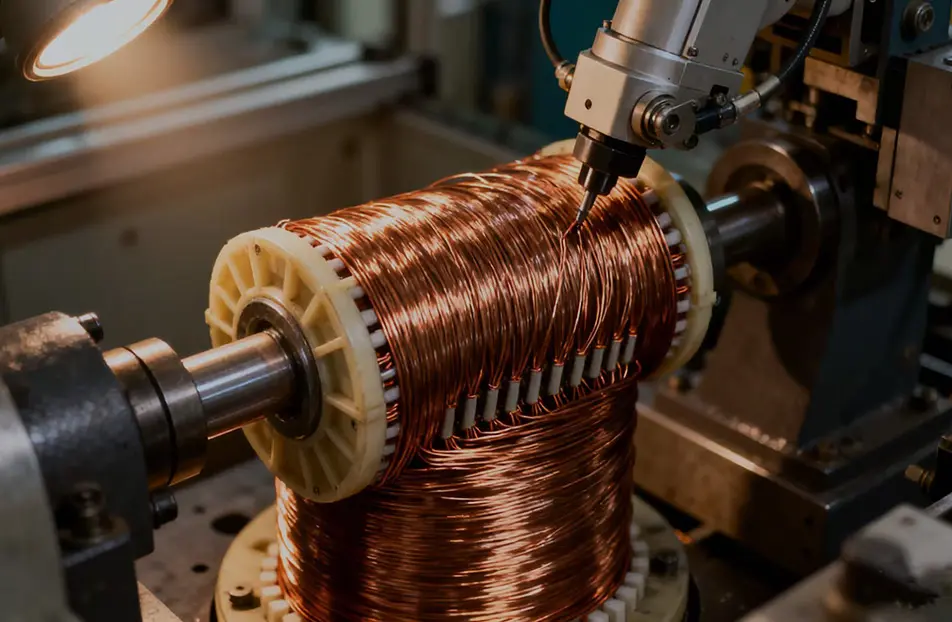
Precise tension control is essential. Excess tension can stress the grain-oriented electrical steel, altering its crystalline properties and increasing core loss. Conversely, low tension can introduce physical gaps within the wound core layers, leading to structural vibrations and increased acoustic noise during operation. Our automatic machines use closed-loop servo feedback to maintain stable tension.
Amorphous alloy ribbon is extremely thin (typically around 25 micrometers) and highly brittle. Processing machinery must feature specialized non-magnetic feeding surfaces, static elimination devices, and precise shearing mechanisms with carbide tooling. This configuration ensures clean cuts and minimizes micro-cracking along the ribbon's edges.
Mechanical operations like slitting, shearing, and winding introduce internal physical stresses that disrupt the magnetic domain structure of the steel. Placing the assembled cores inside a vacuum annealing furnace relieves these internal stresses, restoring the material's magnetic properties and optimizing its electrical performance.
Our systems are built with control systems compatible with standard US voltages and electrical codes (such as NEC and UL components). The high-precision cutting and slitting tolerances support the manufacture of core geometries that help finished distribution transformers meet current DOE efficiency requirements.