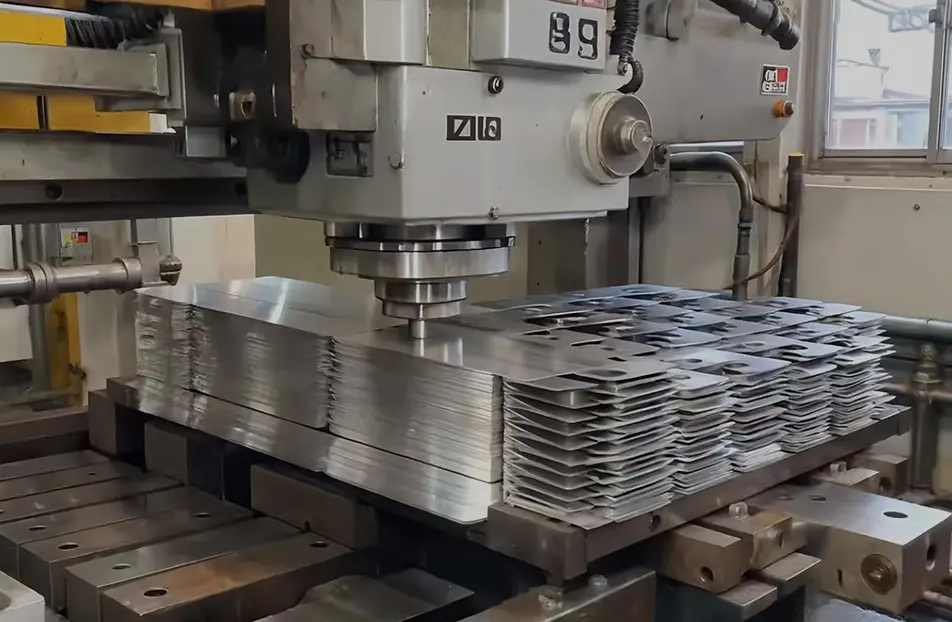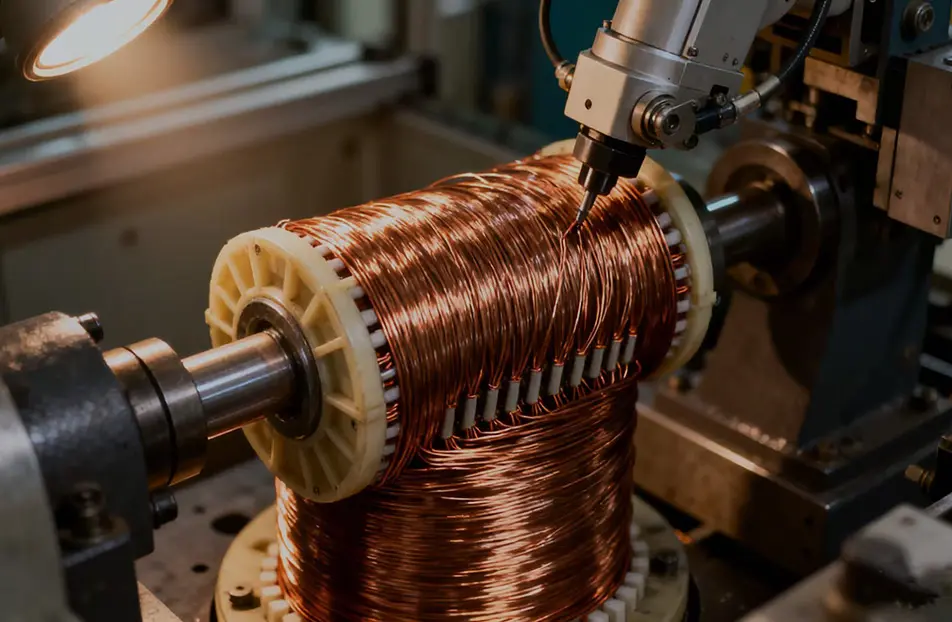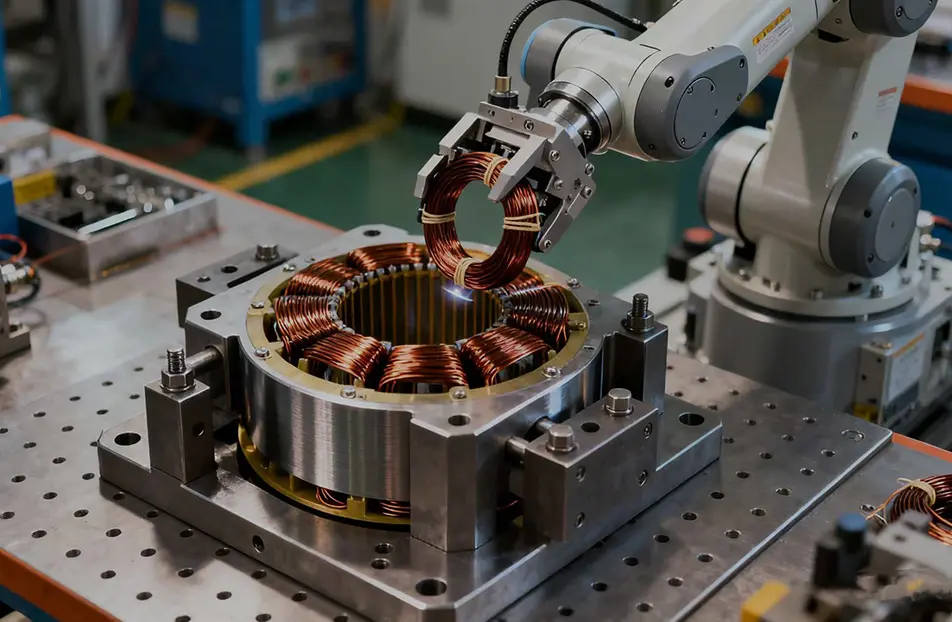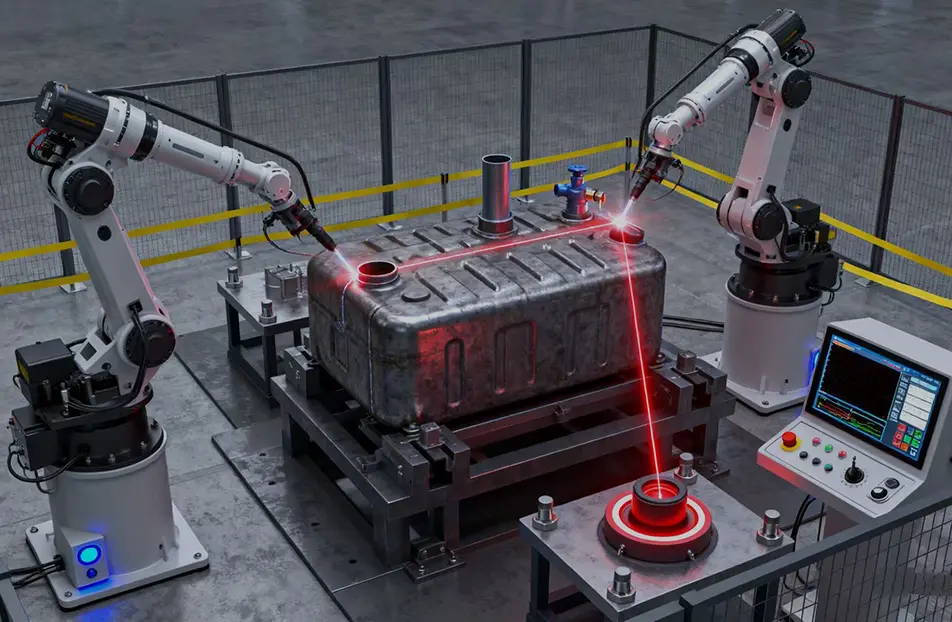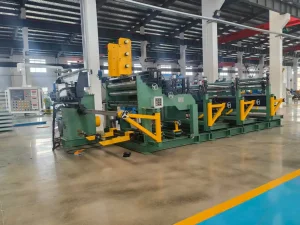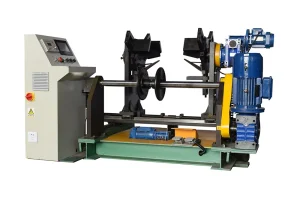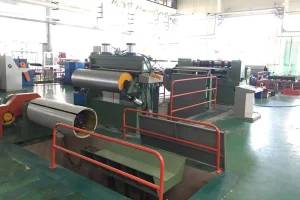
Explore our leading machinery and components optimized for creating energy-efficient core stacks and precision-wound coil architectures.
Unlocking the science behind efficient step-down transformers and core processing technology.
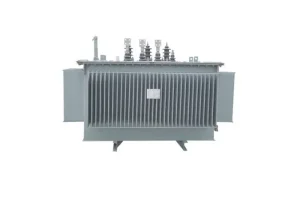
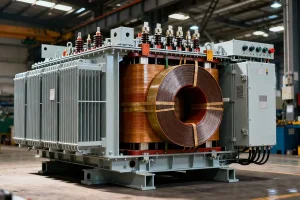
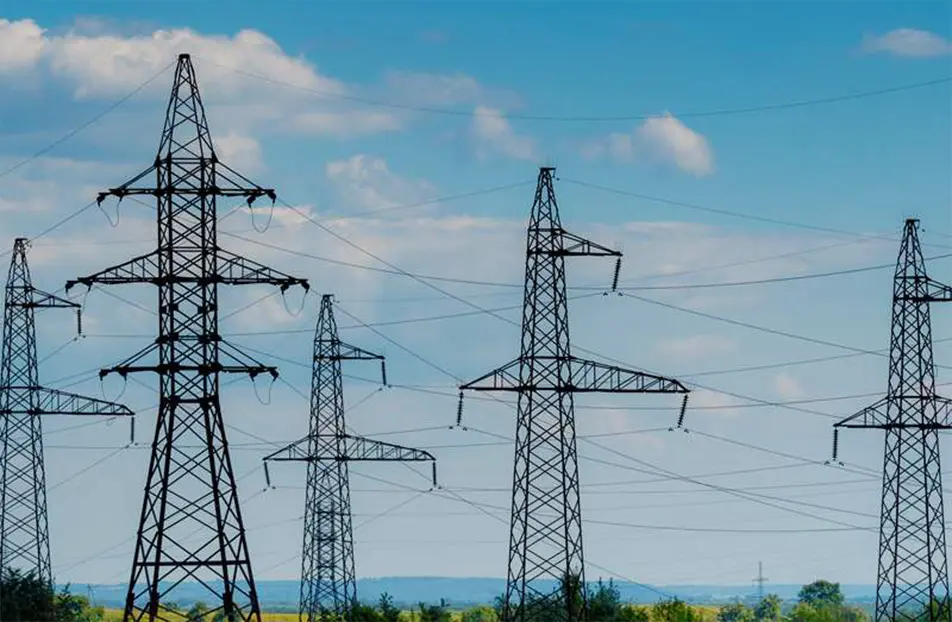
In modern industrial and utility power systems, the primary function of a transformer is to reduce high distribution voltages (e.g., 11kV, 33kV, or 110kV) down to usable low voltages (e.g., 400V, 220V, or 110V) for safe end-user operation. The core physics relies on Faraday's Law of Electromagnetic Induction. The voltage ratio between the primary winding ($V_p$) and secondary winding ($V_s$) is strictly proportional to the number of winding turns ($N_p$ and $N_s$):
$$\frac{V_p}{V_s} = \frac{N_p}{N_s} = a$$ where "$a$" is the turns ratio. By raising the secondary turn count relative to the primary, or winding them in precise horizontal geometries, electrical losses are drastically minimized.
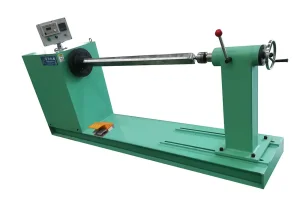
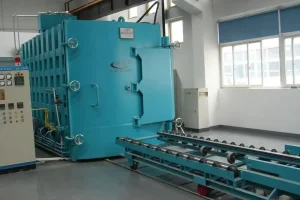
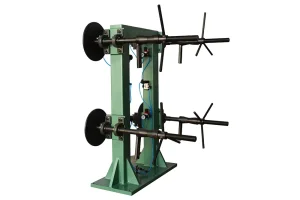
However, the real engineering challenge is not just the formula, but managing the energy losses associated with this conversion. Core losses (consisting of hysteresis and eddy current losses) represent a continuous, 24/7 drain on electrical grids. Standard silicon steel sheets must be processed utilizing precision cross-cutting lines and vacuum annealing furnaces to restore the magnetic domain structures after stress. For ultra-low loss requirements, amorphous alloy cores are introduced, reducing no-load losses by up to 70% compared to traditional silicon steel. This efficiency is highly dependent on precision winding machines and accurate tension pay-off stands to prevent micro-fractures in the core material.
Designing a high-performance voltage-reducing transformer requires mitigating three major loss mechanisms:
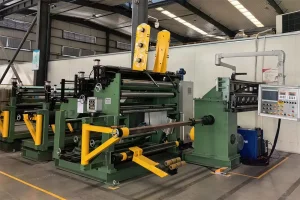
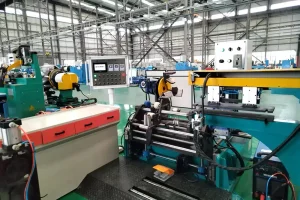
Our complete machinery portfolio enables factories to manufacture high-efficiency cores, wind robust coils, and construct leakage-free transformer tanks.


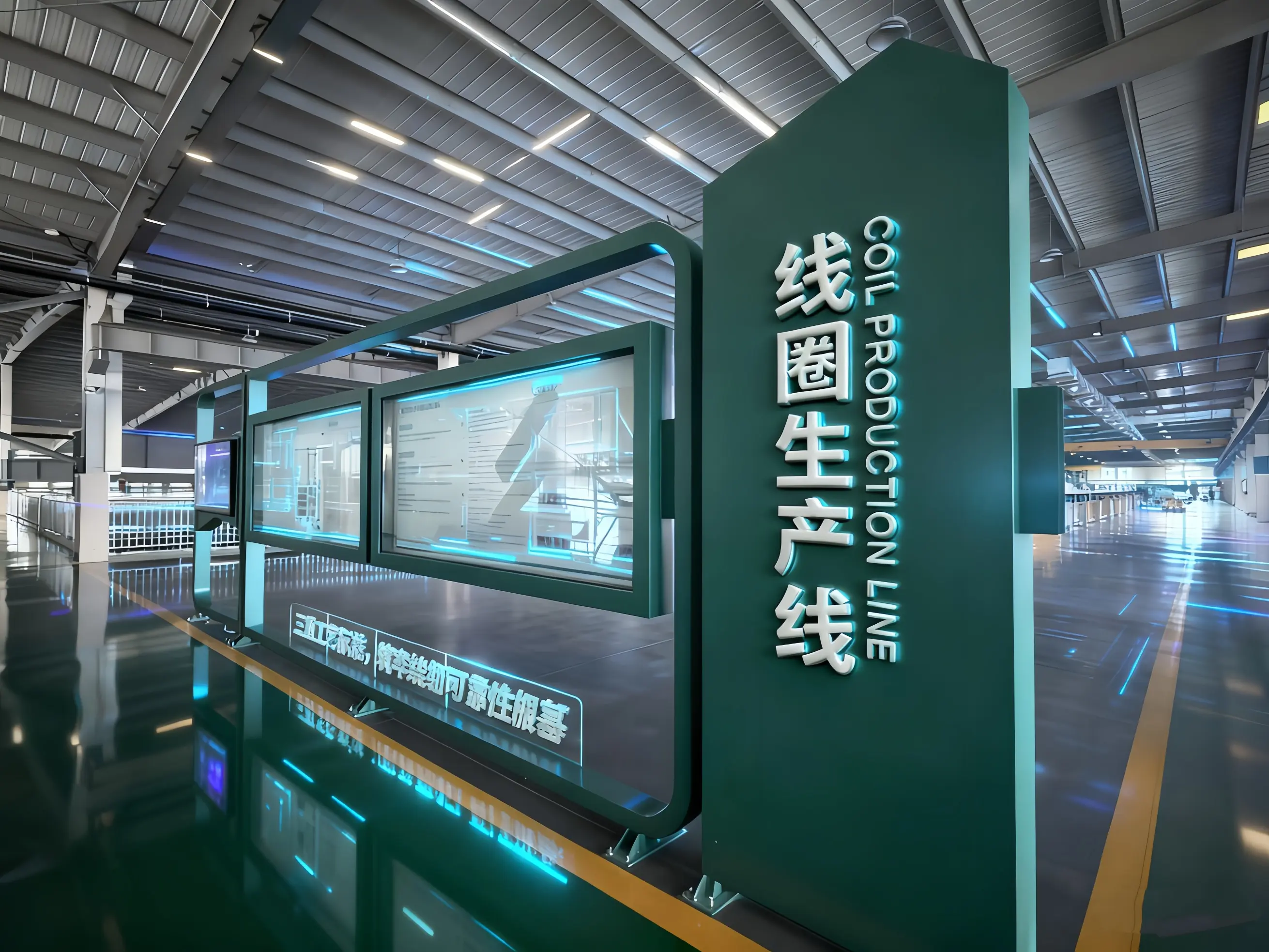
Wuxi Shuhong Machinery Technology Co., Ltd. is a premier global manufacturer specializing in electrical machinery and high-performance manufacturing lines. We offer complete solutions for silicon steel processing, amorphous alloy cores, coil winding, transformer oil tank fabrication, and auxiliary tooling equipment.
Leveraging deep engineering expertise, our systems are built to meet the rigorous tolerances demanded by global transformer manufacturers, ensuring optimized flux distribution and minimized energy loss across voltage reduction operations.
Explore Wuxi Shuhong MachineryGo inside our production facility and witness our automated CNC machining centers, precision assembly lines, and raw material quality control processes.
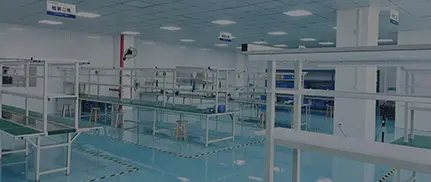

Why domestic supply chains offer unmatched strategic benefits for global electrical grid suppliers.
Manufacturing the world’s best transformers to reduce voltage requires robust integration of material science, machine precision, and high-volume scalability. Wuxi, China, is widely recognized as the global epicenter for transformer machinery production. By basing operations within Wuxi's advanced industrial zone, Wuxi Shuhong Machinery Technology Co., Ltd. leverages direct access to premium-grade cold-rolled grain-oriented (CRGO) silicon steel mills, high-purity copper casting plants, and precision sensor manufacturers.
This geographic concentration shortens lead times for custom machinery fabrications and facilitates vertical integration. For instance, when designing winding systems, our engineers work directly with adjacent sensor manufacturers to refine real-time tension feed-back algorithms. This rapid iteration ensures our low-voltage tension pay-off stands maintain constant, micro-level tension, mitigating coil deformation and localized hot spots within dry-type and oil-immersed transformers.
“Supply chain optimization translates directly to reduced capital expenditures (CAPEX) for utilities and private developers, while securing mechanical tolerances that improve transformer operational lifespans past 30 years.”
Engineered for high reliability, cost efficiency, and full lifecycle support.

Direct-from-factory pricing with transparent breakdown of component, mechanical, and software assembly costs.
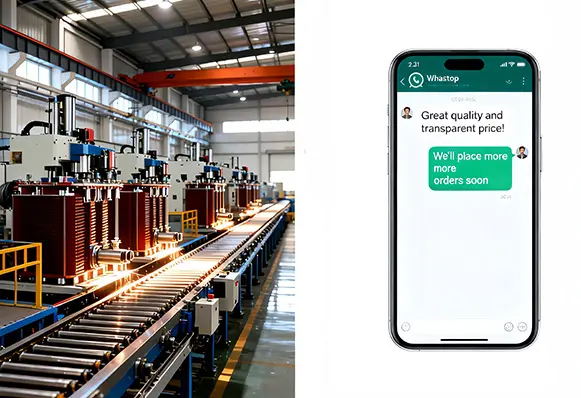

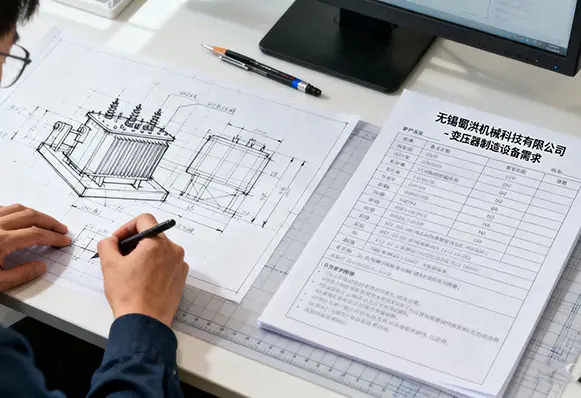
We modify layouts, dimensions, and tension capacities to match your exact spatial and production footprints.

Remote diagnostics, on-site commissioning, and continuous availability of critical mechanical wear parts.
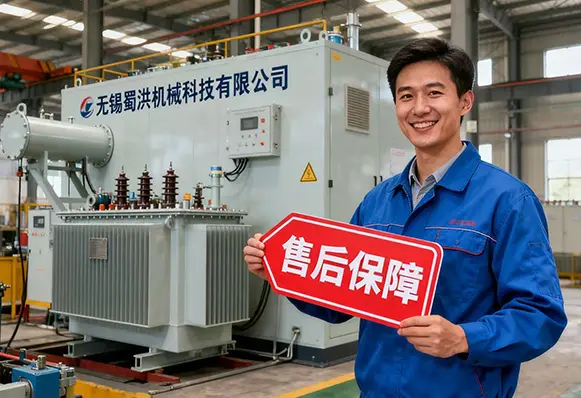

Technical query resolution within 2 hours, backed by an expert panel of structural and electrical engineers.

Navigating grid codes, international certifications, and localized field verification.
Deploying transformers globally requires strict compliance with varying regional electrical standards. The primary frameworks include the IEC (International Electrotechnical Commission) standards, prevalent in Europe and Asia, and the IEEE/ANSI standards, dominant in North America. Each framework specifies exact thermal limits, short-circuit withstand values, basic insulation levels (BIL), and noise thresholds.
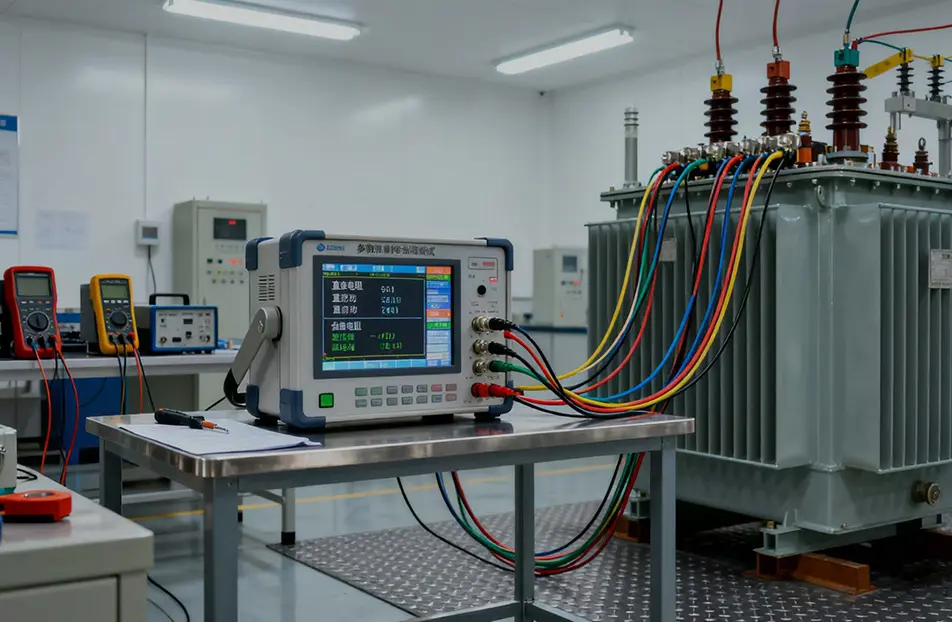
Wuxi Shuhong machinery enables manufacturers to achieve these certifications through precise material processing. For example, our vacuum annealing furnaces relieve internal mechanical stress in core laminations, allowing transformers to comfortably pass the stringent excitation current and core loss audits required for CE, UL, and CSA certifications. In addition, our field engineers assist with local installation, pre-commissioning testing (including frequency response analysis and winding resistance measurements), and compliance checks to guarantee quick grid connection.
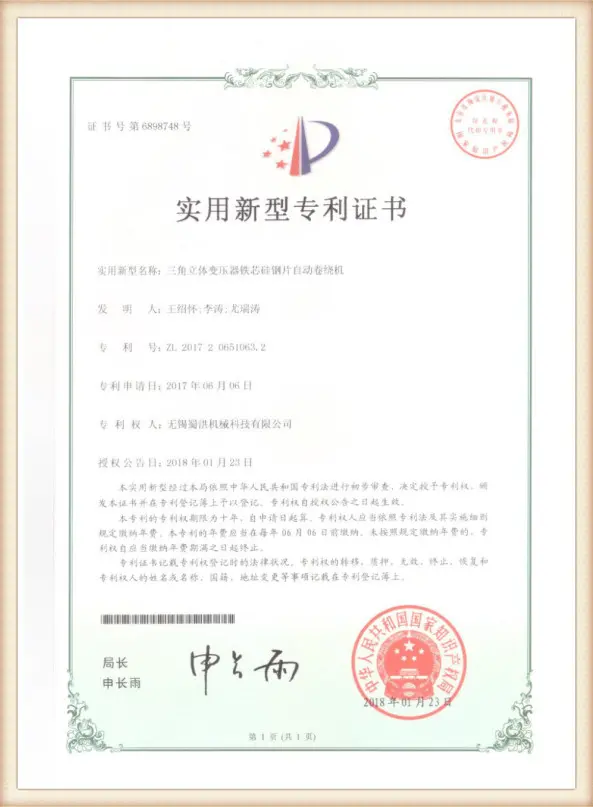
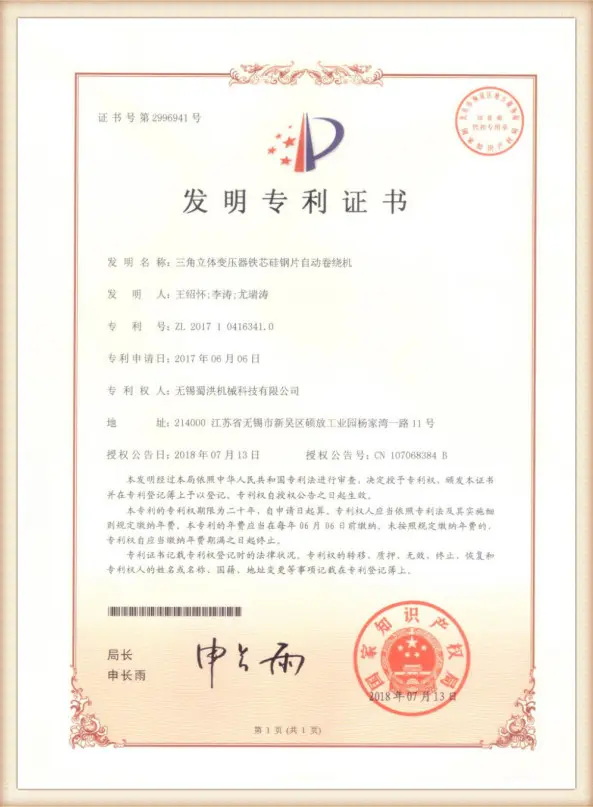
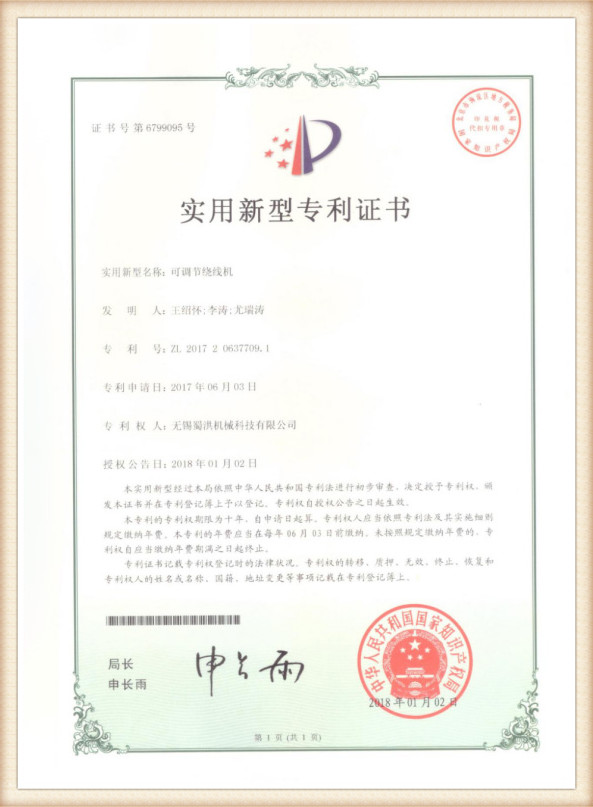
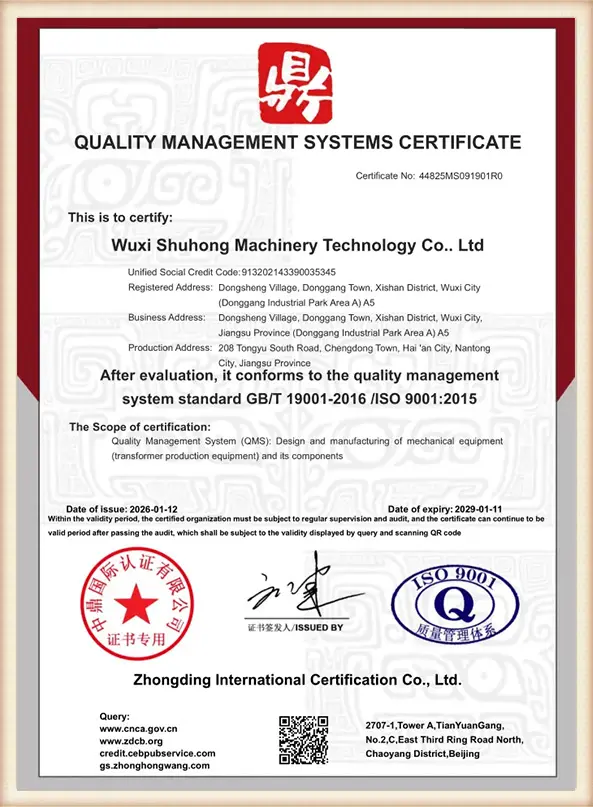
Discover how specialized core cutting and coil winding machinery translate to operational reliability.
Critical metrics for technical evaluation, total cost of ownership (TCO), and long-term asset management.
Procurement teams often overlook operational metrics in favor of low upfront acquisition costs. However, because transformers operate continuously, the Total Cost of Ownership (TCO) formula is highly sensitive to no-load losses (iron losses) and load losses (copper losses). Strategic sourcing requires calculating capitalization values (A and B factors):
$$TCO = C_{purchase} + A \times P_{no-load} + B \times P_{load}$$
Where $P$ represents losses in kW, and $A$ and $B$ are financial coefficients representing the present value of future energy losses over the life of the asset. Selecting transformers constructed with amorphous alloy cores or precision-stacked silicon cores from high-quality cutting lines reduces $P_{no-load}$, significantly lowering the TCO over the typical 30-year operational lifecycle.
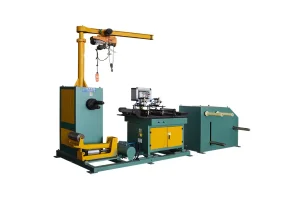
Beyond loss capitalization, mechanical construction is critical. Poor foil winding leads to internal void creation, promoting partial discharge (PD) under high voltage stress, which degrades insulating materials and leads to premature failure. Utilizing automated double and triple-layer foil winding machines with integrated edge-alignment sensors prevents these issues, ensuring long-term dielectric performance.
Evaluating technological shifts: from bio-degradable ester fluids to digital twin smart transformers.
The global energy landscape is undergoing massive decentralization, driven by renewable integration, electric vehicle charging networks, and high-density AI data centers. These trends demand that step-down transformers become more efficient, compact, and digitally connected. Key trends include:
At Wuxi Shuhong, we continually update our machine designs, offering automated 3D wound core winding machines and specialized corrugated fin assembly lines. These advancements enable manufacturers to easily scale production of these high-efficiency, space-saving transformer models.
Detailed engineering and procurement insights regarding voltage reduction systems and core-processing equipment.
Stay updated with our latest technical guides, product releases, and articles on smart grid manufacturing.

Explore the feedback control loops and tension pay-off mechanics required to maintain precise wire tension during high-speed winding processes.
Read More
Discover how modern guide assemblies, precision servo motors, and digital tracking prevent layer crossovers and wire jumps.
Read More
Learn how IoT-enabled machines link with factory systems to share real-time productivity and cycle-time diagnostics.
Read More
A look at how flexible tooling fixtures and programmable interfaces allow single-winding lines to produce round, oval, and rectangular coils.
Read MoreReceive monthly engineering whitepapers, product updates, and exclusive quotes directly to your inbox.
Inquiry NowBrowse our catalog of high-efficiency step-down transformers, specialized CNC slitters, and related manufacturing equipment.