
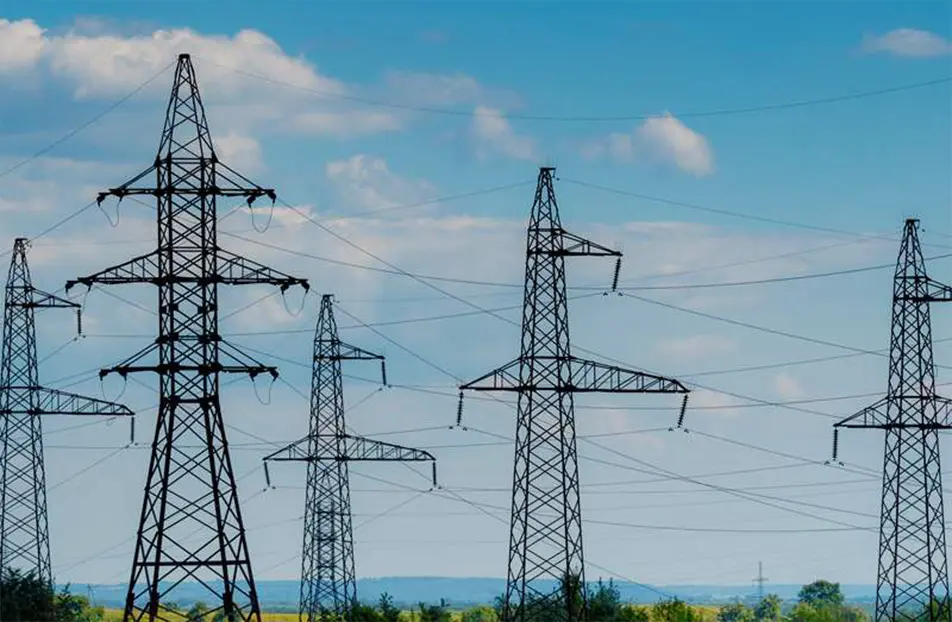
The rapid transition to decentralized green power architectures (such as utility-scale solar PV fields, wind power farms, and heavy battery storage facilities) has dramatically increased the demand for step-up transformers that convert generated LV power (400V up to 800V AC) to MV or HV levels (11kV, 22kV, 33kV, and above) for utility grid injection. In industrial plants, large motor drives and arc furnaces demand highly localized LV to HV systems to mitigate I²R thermal transmission losses over interior distribution cables.
From a commercial manufacturing perspective, global utility operators and EPC contractors are constantly evaluating capital expenditure (CAPEX) versus operational expenditure (OPEX). "Cheap" transformers must not compromise on core efficiency or insulation safety. Selecting low-cost suppliers who deploy advanced machinery like CNC silicon steel slitting systems, automatic foil winders, and vacuum annealing lines ensures that the initial cost-effectiveness translates to long-term reliability and low no-load losses.
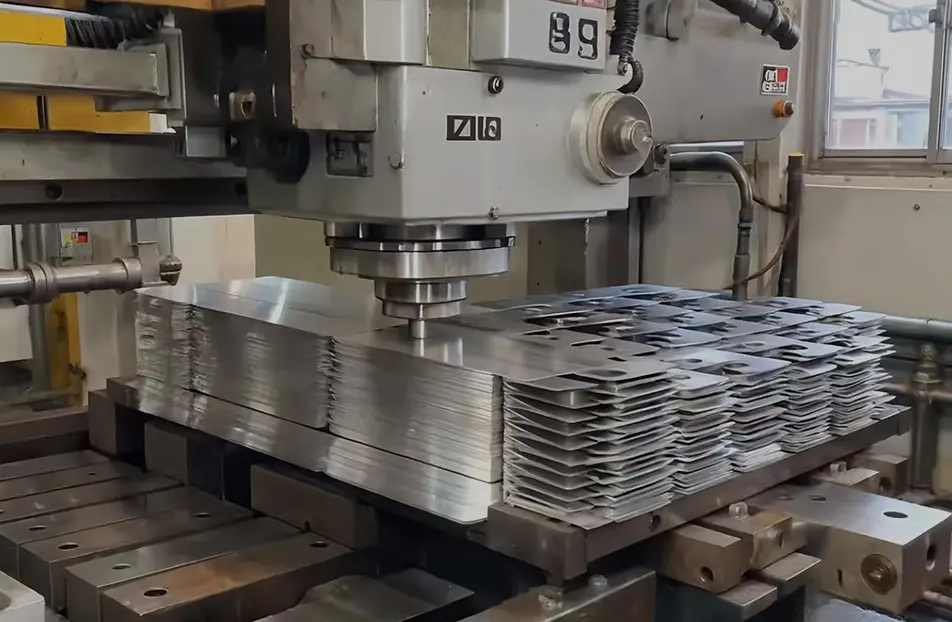
The heart of any transformer is its magnetic core. Historically, Cold-Rolled Grain-Oriented (CRGO) silicon steel sheets have been the industry benchmark. Modern high-precision CNC cross-cutting and slitting machinery allows manufacturers to process super-thin CRGO laminations with minimal burrs, reducing localized eddy current loops and lowering operational noise.
For ultra-high efficiency designs, amorphous alloy ribbon is increasingly adopted. Because amorphous alloys have a non-crystalline atomic structure, they offer significantly lower coercivity and hysteresis loss compared to silicon steel. The integration of specialized amorphous core assembly tables ensures that these thin, fragile ribbons are stacked and processed with zero structural deformation.
When procurement departments negotiate with overseas factories, they rely on technical audits. For LV-to-HV transformers, the key specification markers include:
Explore our complete vertical integration chain. We supply not only the final step-up transformers but also the complete specialized manufacturing machinery required to produce high-precision, low-loss electrical infrastructure.
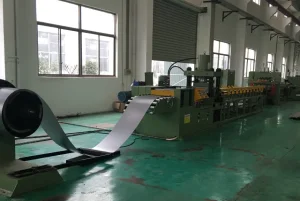
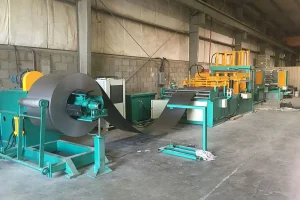
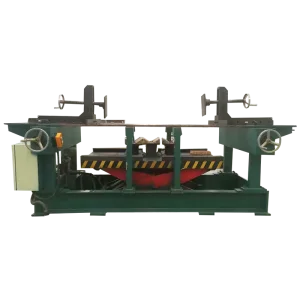
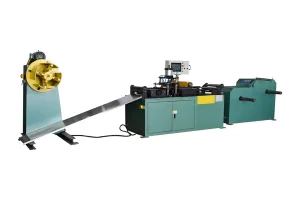
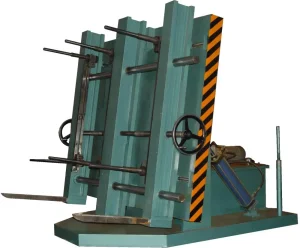
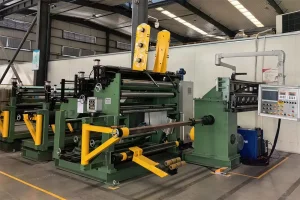
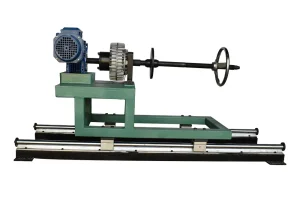
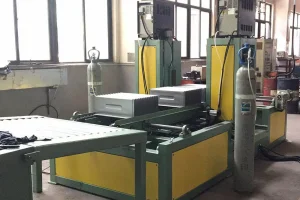
Silicon steel slitting lines, CNC cross-cutting lines, amorphous alloy shearing systems, and core turning tables ranging from 3T to 10T capacity.
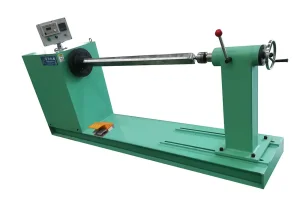
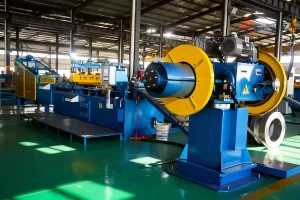
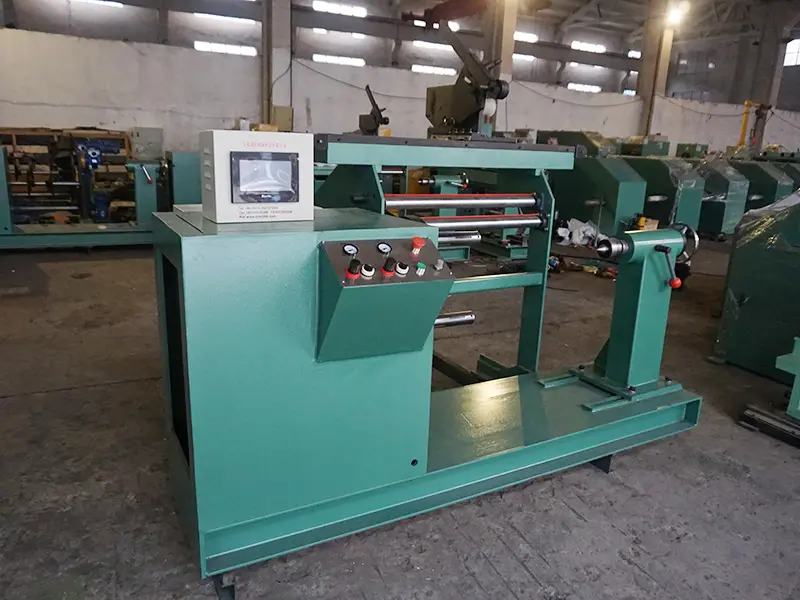
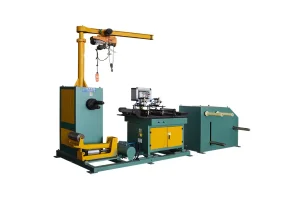
Double-layer, single-layer, and high-voltage foil winding machines with integrated tension control pay-off stands for copper/aluminum foil wire processing.
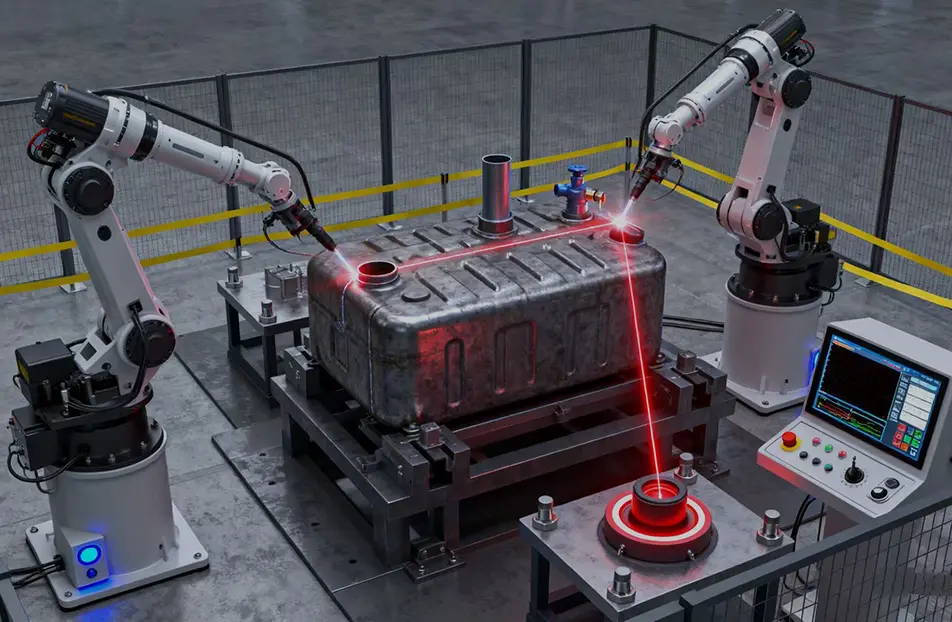
Corrugated sheet forming and automatic longitudinal laser welding systems for high-integrity tank enclosure construction.
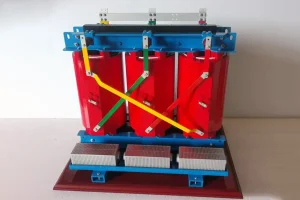
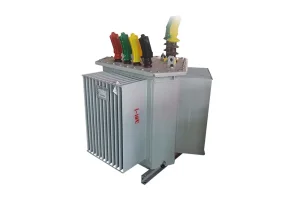
Eco-friendly dry-type, oil-immersed, and custom amorphous alloy distribution power transformers constructed to international grid standards.
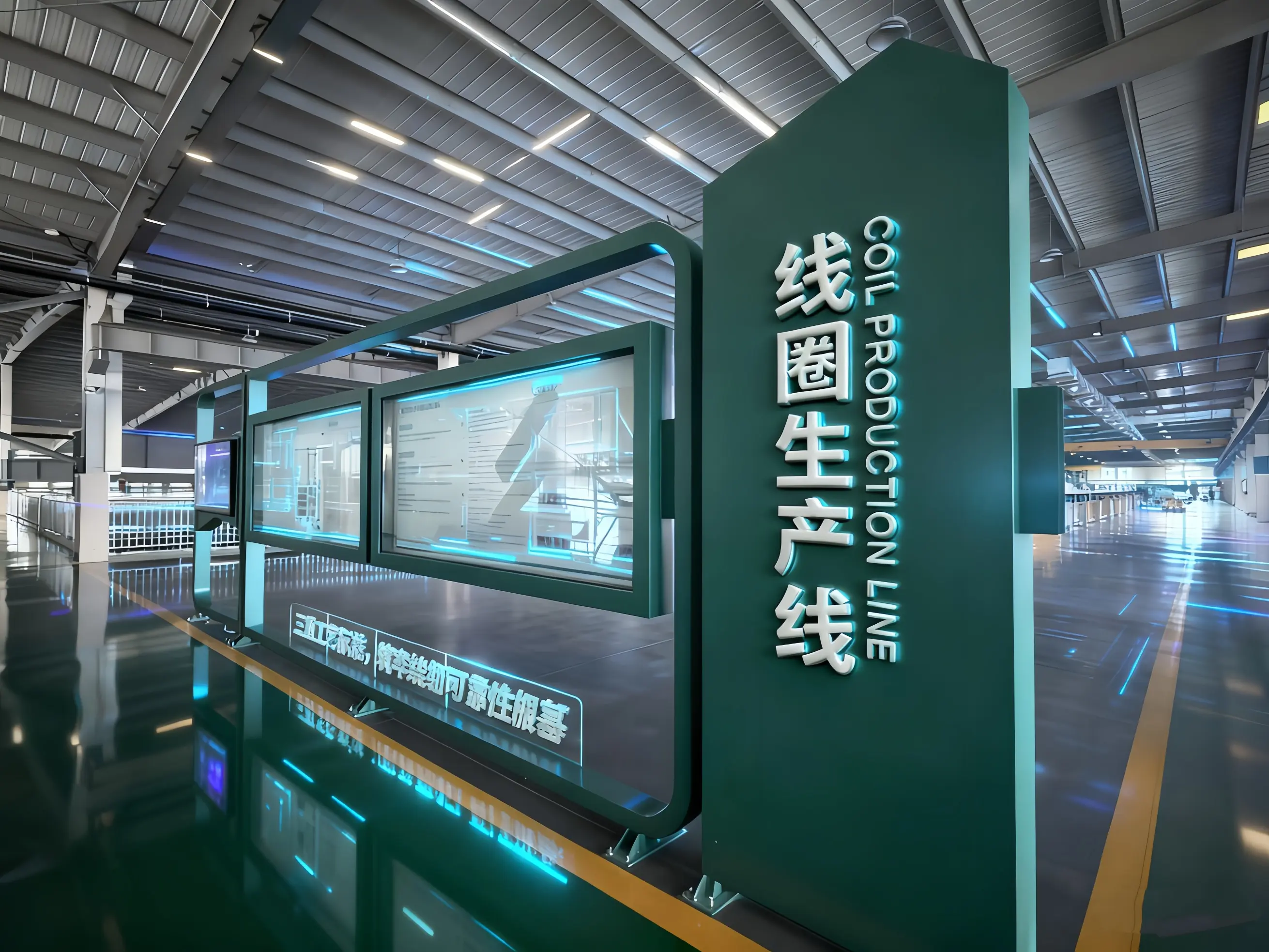
Established as a pioneering force in electrical machinery manufacturing, Wuxi Shuhong Machinery Technology Co., Ltd. specializes in constructing turnkey solutions for transformer production lines. Our portfolio includes state-of-the-art silicon steel slitting lines, amorphous core processing devices, dry-type and oil-immersed winding equipment, and complete corrugated tank manufacturing setups.
By designing and building our own fabrication tools and automated CNC machinery, we control every dimension of quality and cost. This allows us to supply global markets with highly reliable step-up transformer equipment and components at competitive prices, bridging the gap between high performance and cost-effectiveness.
Learn More About UsTransparent pricing structures direct from our primary ISO-compliant factory floor in China. No hidden markups or intermediary trading agent fees.
Tailored vector groups, voltage ratios, tap changer stages, and specialized configurations to integrate with your regional distribution systems.
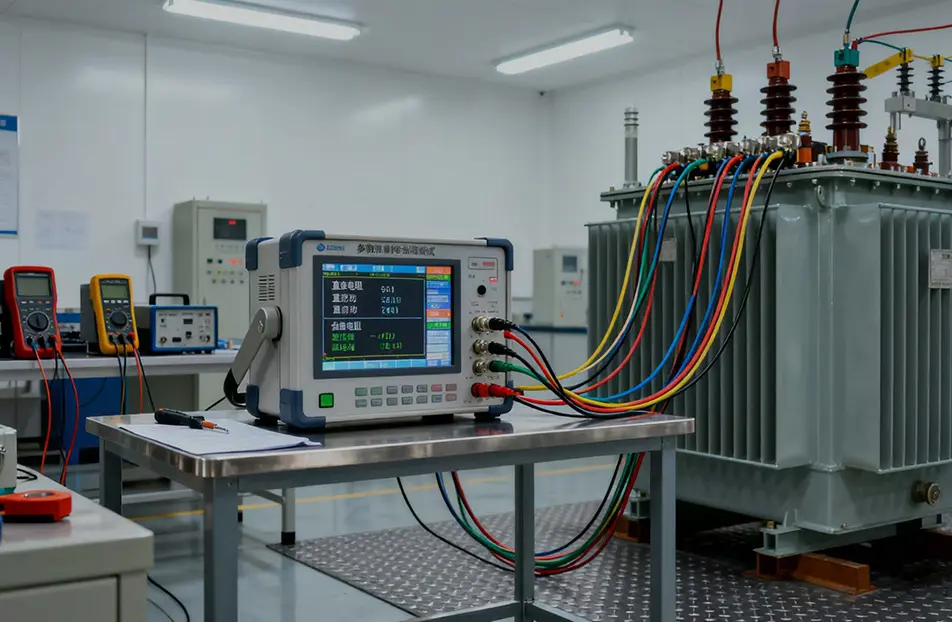
Comprehensive engineering support, including installation supervision, on-site dielectric breakdown tests, and rapid component provisioning.
Quick turnaround times from engineering design to shipping container mobilization, keeping your wind/solar or industrial substation builds on schedule.
As electrical grids globally integrate smart monitoring equipment (IoT sensors for real-time thermal, vibration, and partial discharge metrics), transformers are evolving into dynamic computing nodes. The future of step-up and step-down substation installations lies in:
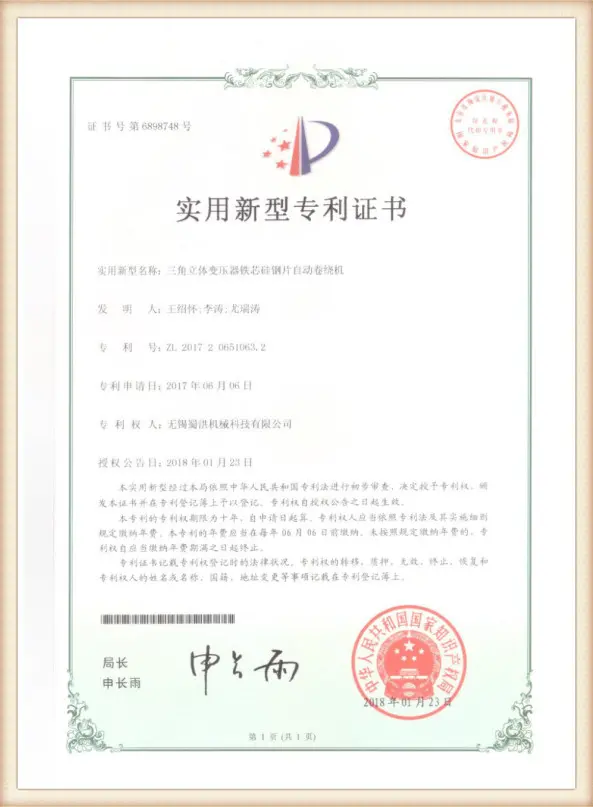
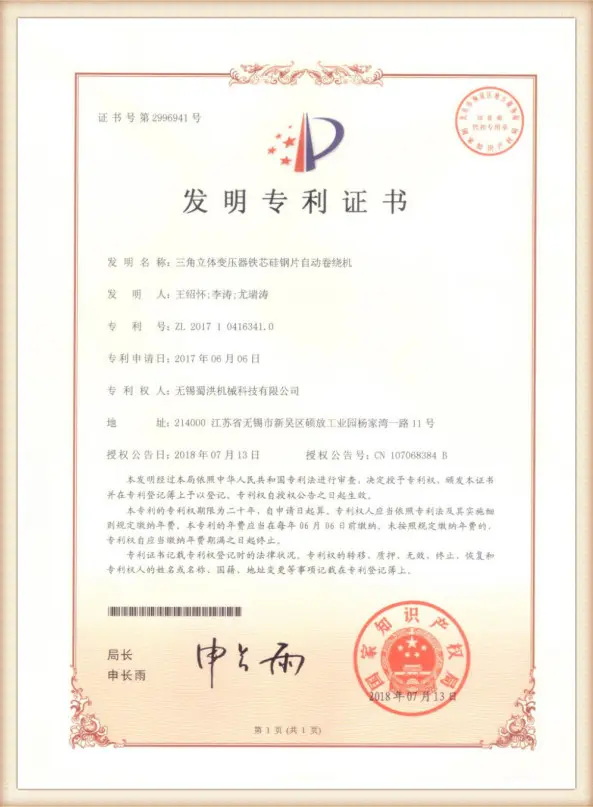
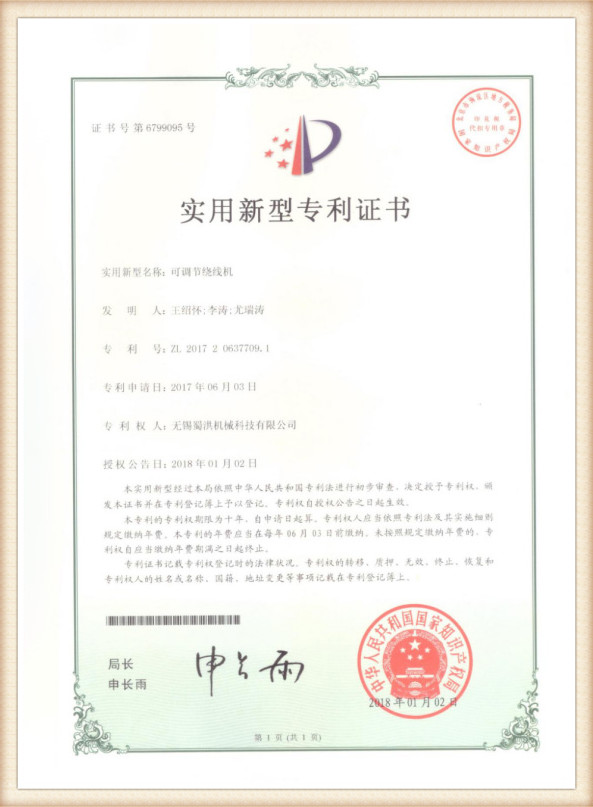
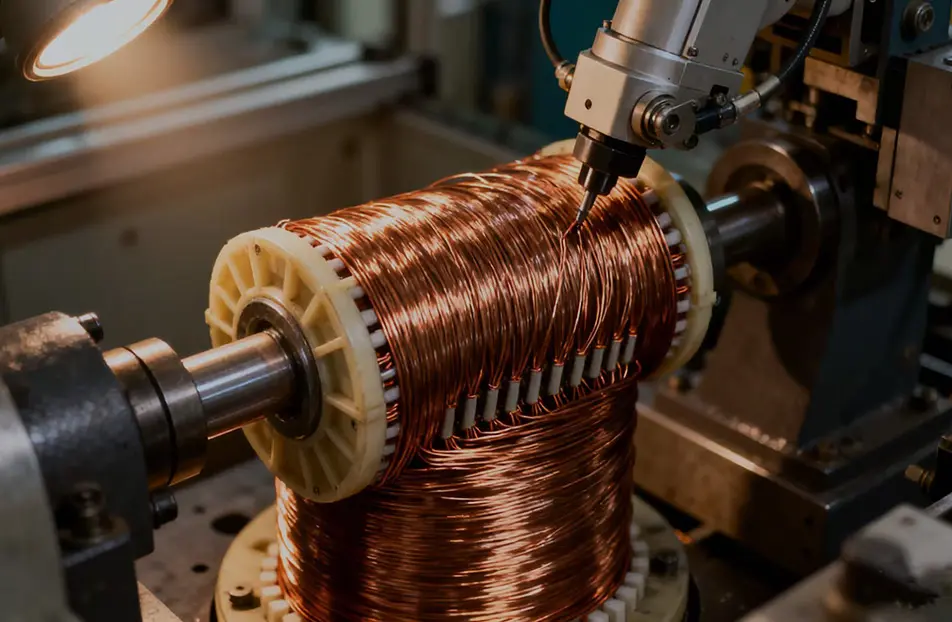
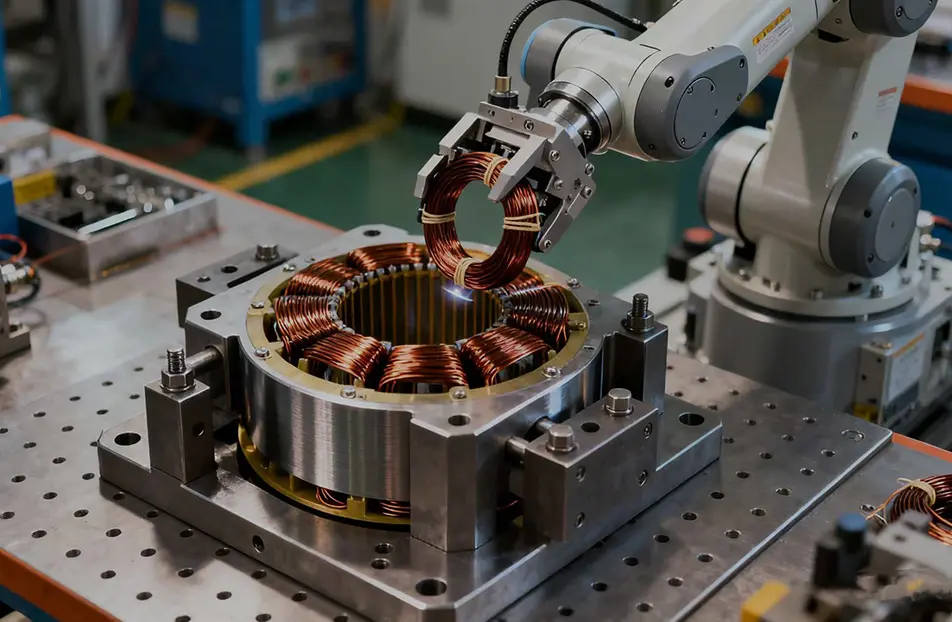
Through deep analytical cooperation with global coil manufacturers, we analyze how precise control loops reduce wire jumping defects during fast layered windings.
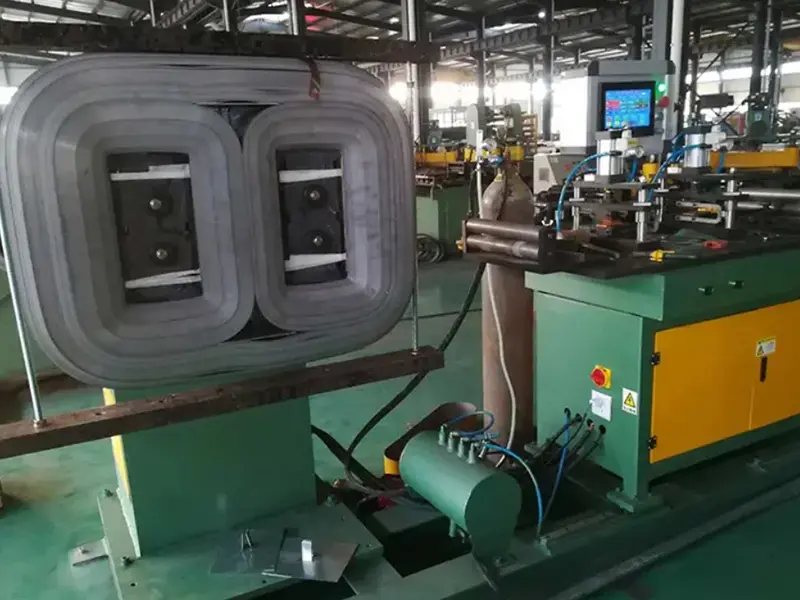
Smart factories rely on cloud data collection. Discover how our winding systems utilize modern interface modules to report real-time production analytics.
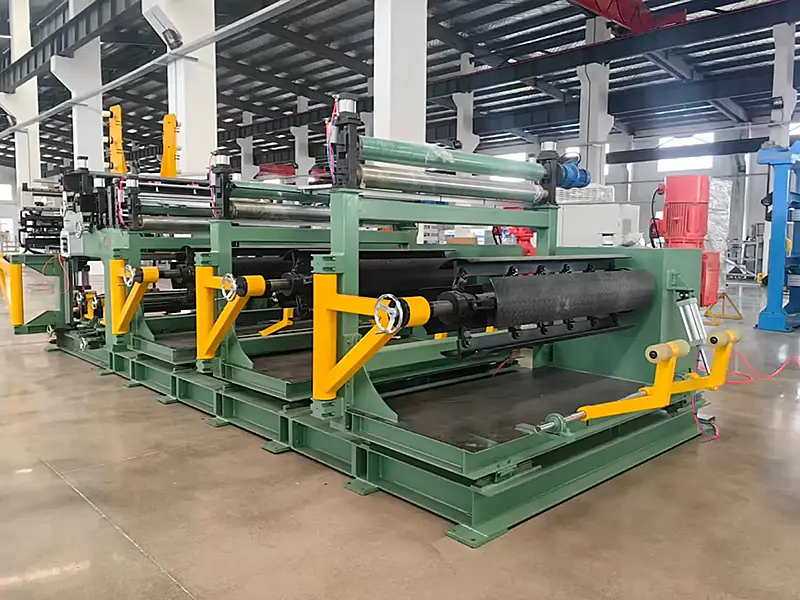
Solving the challenge of managing multiple transformer wire shapes (round, rectangular, flat foil) using modular tooling adjustments within a single winding machine.
Dry-type transformers utilize air convection cooling and epoxy resin cast insulation, making them ideal for indoor or fire-restricted locations like commercial buildings, wind turbine nacelles, and chemical plants. Oil-immersed transformers use mineral or ester oils for cooling and insulation, providing superior thermal dissipation limits for high MVA configurations outdoor in demanding utility grid operations.
Amorphous alloy materials have high electrical resistivity and thin ribbon profiles that drastically suppress eddy currents. This reduces the transformer's no-load core loss by up to 70% compared to typical CRGO silicon steel. Although the initial cost is slightly higher, it offers significant long-term OPEX savings for continuous grids with fluctuating load patterns.
In core fabrication, sheet flatness and burr heights are critical. Even minor burrs can bridge adjacent laminations, causing local short circuits that spike no-load losses and generate hotspots. Our high-precision CNC cross-cutting machinery maintains burrs below 0.02mm, ensuring optimal magnetic flux pathways and maximum grid conversion efficiencies.
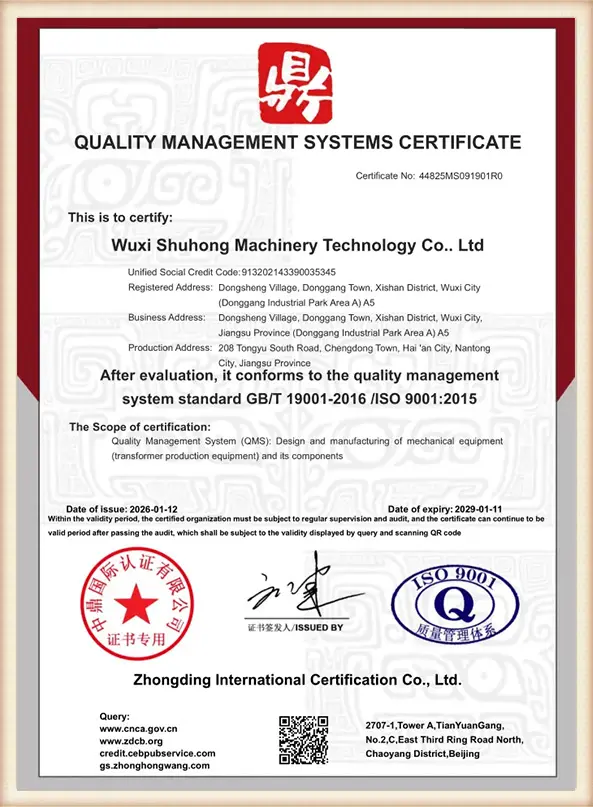
All production facilities operate under ISO 9001 management standards. The final step-up transformers and manufacturing machines are engineered to conform with CE, UL, and IEC 60076 standards, satisfying international safety, grid integration, and performance criteria.
Get in touch with our engineering team to receive a comprehensive quote, machine customization design schematics, or factory catalog details.
Inquiry Now