
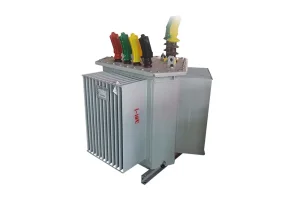
In the current global energy landscape, the transition toward net-zero emissions and the upgrading of aging electrical grids have propelled Amorphous Alloy Transformers (AMTs) to the forefront of distribution technology. Unlike traditional Grain-Oriented Silicon Steel (CRGO) transformers, amorphous transformers utilize a core material with a non-crystalline, "glass-like" atomic structure. This unique physical property allows for significantly lower magnetic hysteresis, leading to a 70% to 80% reduction in no-load losses.
As a leading SEO Growth Director focusing on "Information Gain," I present this deep-dive analysis not just to showcase products, but to provide engineers and procurement officers with the semantic context required for multi-million dollar infrastructure decisions. The move from CRGO to amorphous is no longer just an environmental choice—it is a financial necessity driven by rising energy costs and stringent international regulations such as the EU Ecodesign Directive and US DOE efficiency standards.
The global amorphous transformer market is witnessing a compound annual growth rate (CAGR) exceeding 6.5%. Regions like North America, India, and China are the primary drivers of this demand. In North America, the Department of Energy (DOE) has introduced 2023 standards that almost mandate the use of amorphous cores for liquid-immersed distribution transformers to meet efficiency benchmarks.
Industrial giants in Europe are also pivoting. The decarbonization of heavy industry—including steel mills and chemical plants—requires massive power distribution upgrades. Amorphous transformers serve as the "low-hanging fruit" for ESG (Environmental, Social, and Governance) compliance, offering immediate energy savings without complex carbon-capture technologies.
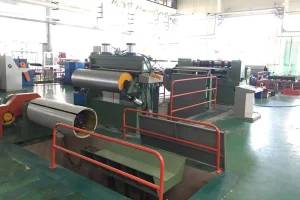
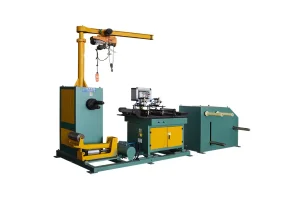
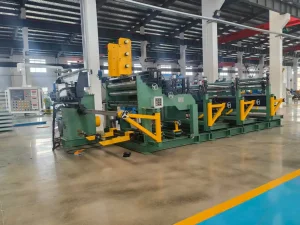
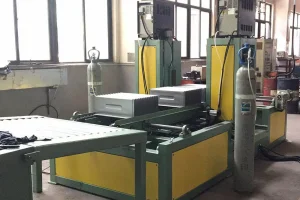
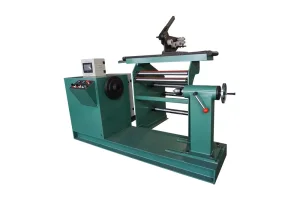
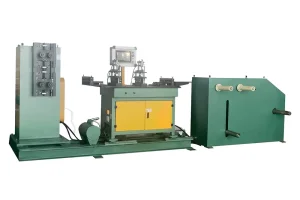
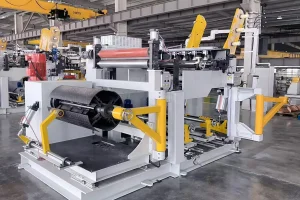
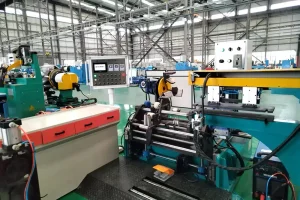
While the benefits are clear, manufacturing amorphous cores is notoriously difficult. The material is extremely thin (typically 25 microns) and brittle. This requires specialized CNC Slitting and Winding machinery designed specifically for fragile Fe-Si-B alloys. This is where the gap between standard suppliers and precision-focused China factories becomes evident.
China currently produces over 60% of the world's amorphous ribbon. This geographic proximity to raw materials gives Chinese factories, particularly those in Wuxi—a global hub for transformer machinery—an unparalleled advantage. Companies like Wuxi Shuhong Machinery Technology Co., Ltd. have moved beyond simple assembly to full-chain vertical integration.
Chinese factories integrate amorphous ribbon slitting, core winding, vacuum annealing, and transformer assembly in a single ecosystem, reducing logistics damage and costs.
Advanced CNC cross-cutting lines ensure that the burr height of amorphous strips is kept below 0.01mm, critical for maintaining the efficiency of the magnetic flux.
High-volume production allows for "Discount" pricing without compromising the E-E-A-T (Expertise, Authoritativeness, Trustworthiness) of the engineering output.
As an SEO growth director, I analyze the search intent behind "Discount Amorphous Transformer Suppliers." Users are not just looking for "cheap" products; they are searching for Optimized Procurement Costs where the initial capital expenditure is balanced by 20 years of energy savings.
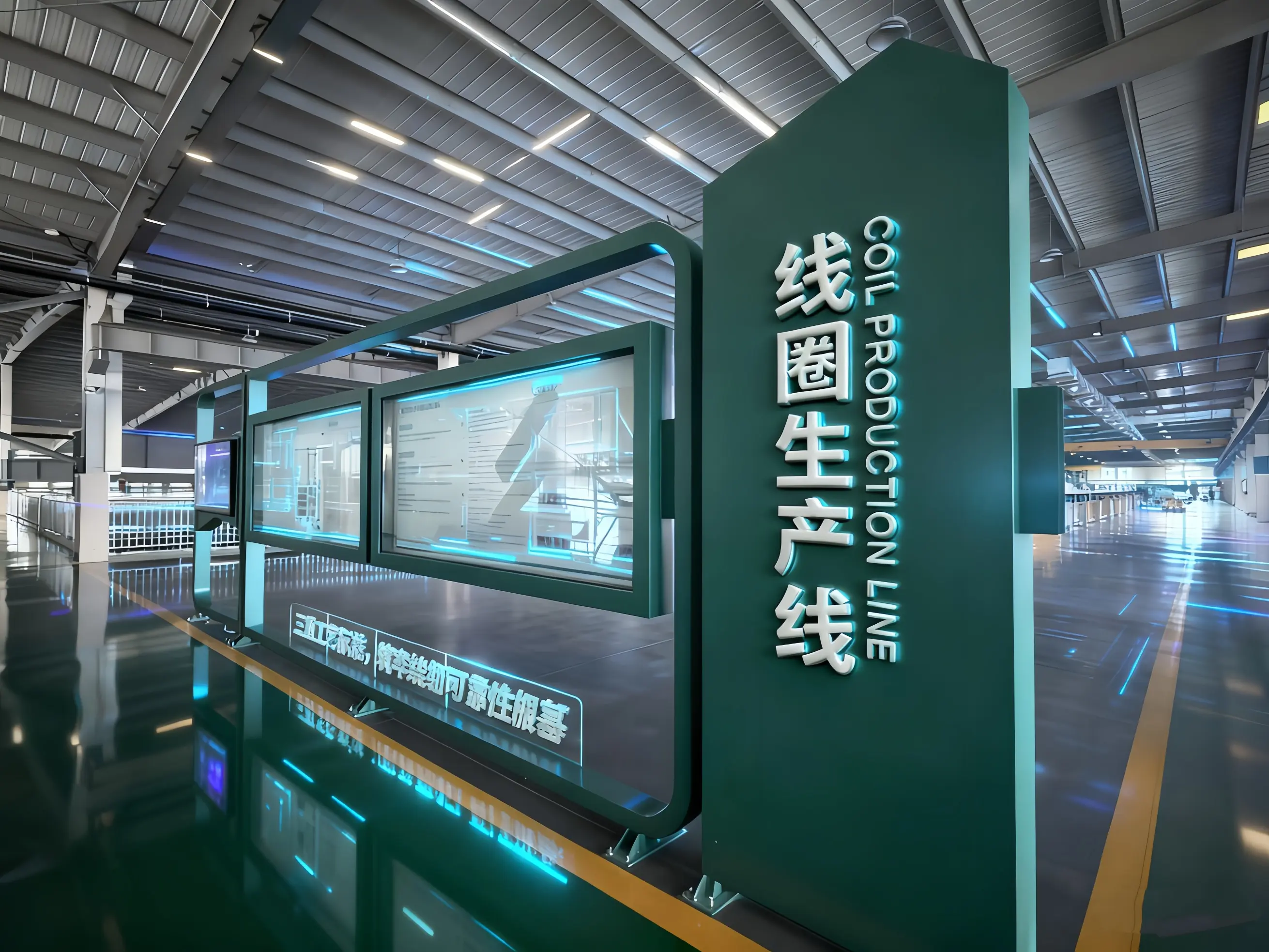
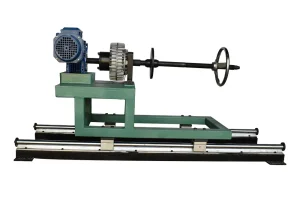
Wuxi Shuhong Machinery Technology Co., Ltd. is a premier manufacturer for electrical machinery and aluminum-plastic panel manufacturing machinery. Our core competencies in the electrical sector include: Silicon steel production lines, Amorphous iron core production lines, Dry-type and Oil-immersed coil equipment, and Transformer oil tank production lines.
We pursue innovation through rigorous R&D, ensuring our equipment meets the high-precision requirements of modern smart grids and industrial applications. Our full-chain layout provides clients with transparent pricing and exclusive customized solutions.
The application of amorphous transformers is no longer limited to rural distribution grids. We are seeing a surge in specialized use cases:
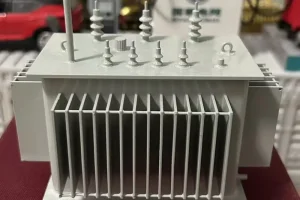
The industry is moving toward 3D Wound Core technology and Smart Monitoring. 3D wound cores (as seen in our product list) offer balanced three-phase magnetic circuits, further reducing noise and magnetic leakage. Furthermore, the integration of IoT sensors into amorphous units allows for predictive maintenance, a key requirement for the "Industry 4.0" global movement.
A: The lack of a long-range ordered crystalline structure means there are no grain boundaries to resist domain wall movement. It takes much less energy to magnetize and demagnetize the material, resulting in superior energy efficiency.
A: No. Once the core is annealed and encased (either in oil or resin), it is structurally stable. The challenge is strictly during the manufacturing process, which is why high-precision winding and slitting equipment from reputable suppliers is mandatory.
A: While the purchase price can be 20-30% higher, the payback period through energy savings is typically 3 to 5 years. Over a 25-year lifespan, the ROI is exceptionally high.
A: Yes, our equipment is PLC-controlled and uses precision servo technology to adapt to various core geometries and winding specifications globally.
Consult with our engineering team for high-efficiency amorphous solutions and precision machinery.
Inquiry Now →