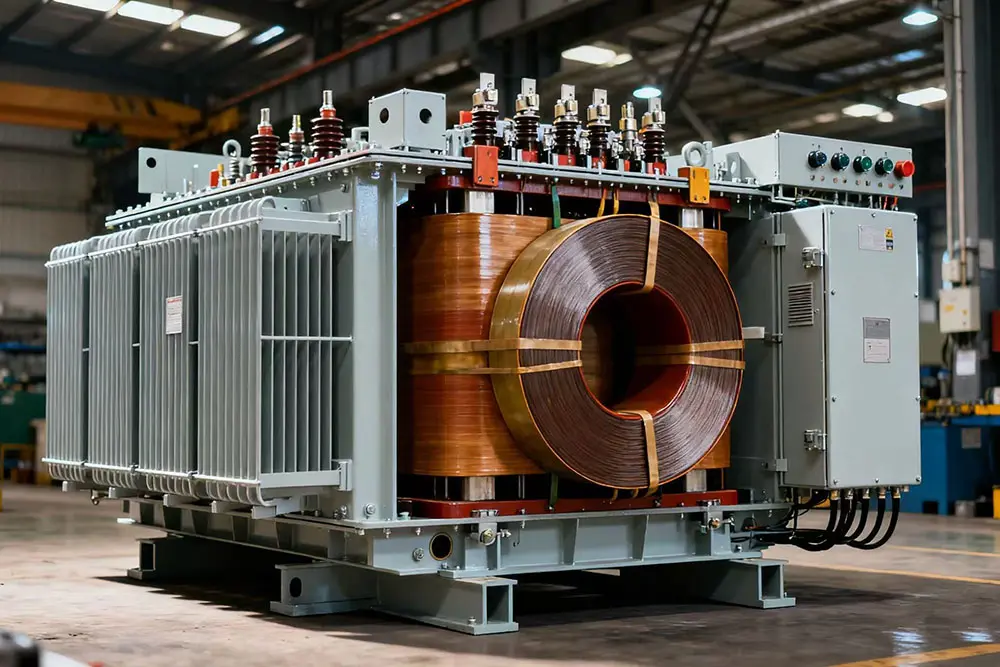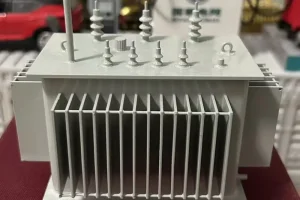
Engineered for maximum utility, operational efficiency, and precise power alignment
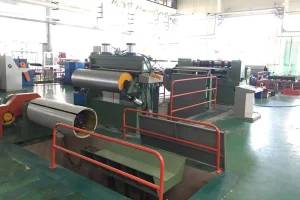
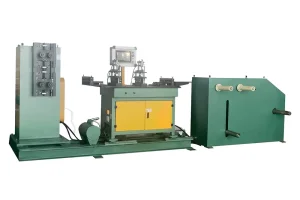
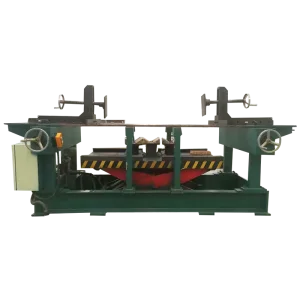
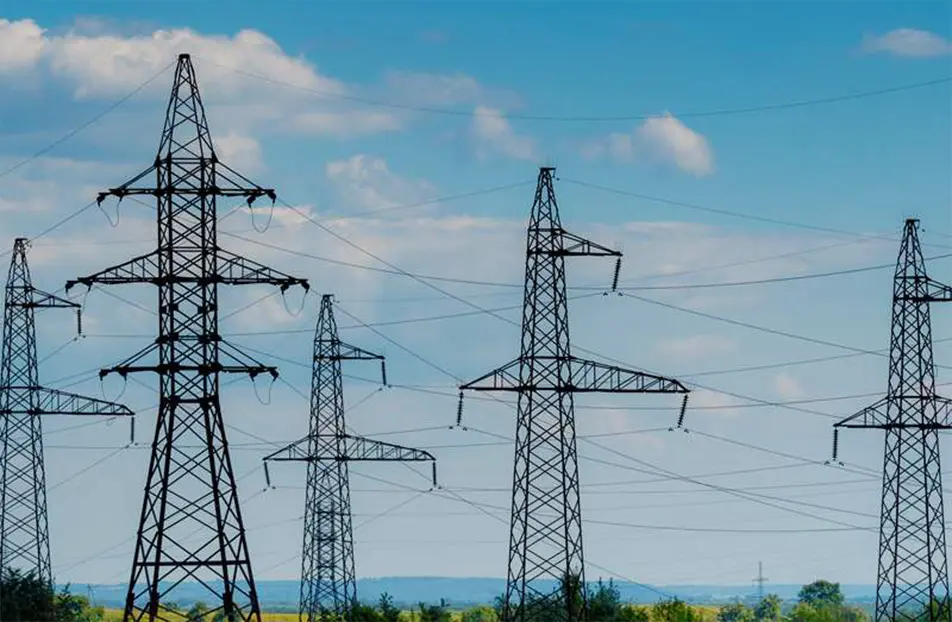
High voltage contacts serve as the foundational interfaces within modern electric power transmission networks, sub-transmission operations, and heavy industrial switchgears. In a landscape defined by swift urbanization, rapid grid modernization, and clean energy transitions, selecting a reliable high voltage contact manufacturer is essential to ensure operational integrity. The commercial ecosystem for high voltage components has evolved from local component sourcing into a sophisticated global supply chain. This shift demands manufacturers deliver high-precision metallurgical engineering, absolute physical tolerances, and budget-friendly pricing structures.
Today's heavy-duty electrical components must endure severe mechanical stress, massive heat loads, and destructive electrical arcing. Consequently, advanced material compositions, including copper-chromium (CuCr), silver-tungsten (AgW), and copper-tungsten (CuW), are extensively deployed in vacuum interrupters, gas-insulated switchgears (GIS), and high-capacity transmission substations. Procurement managers and utility directors are increasingly prioritizing manufacturers that combine specialized engineering with competitive, discounted pricing. Securing discount high voltage contacts allows operations to scale cost-effectively without compromising long-term grid safety.
The global high voltage contact landscape is experiencing unprecedented growth, driven by key macro trends:
Developing reliable high voltage contacts requires precise materials science and advanced metallurgical processing. The interface of a high voltage contact must offer high electrical and thermal conductivity to minimize resistance losses, while resisting arc erosion during open and close operations.
To achieve this, manufacturers utilize liquid phase sintering, vacuum infiltration, and vacuum arc melting technologies. For example, vacuum-smelted Copper-Chromium (CuCr) contacts are the preferred choice for vacuum interrupters due to their low current chopping characteristics, high dielectric strength, and exceptional welding resistance. Ongoing research focuses on nano-grain dispersion strengthening to enhance structural longevity. These technological advancements ensure contacts survive millions of mechanical duty cycles, minimizing the need for costly field replacements.
High voltage contacts operate across diverse environmental and mechanical conditions, each demanding distinct structural adaptations:
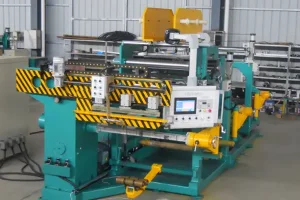
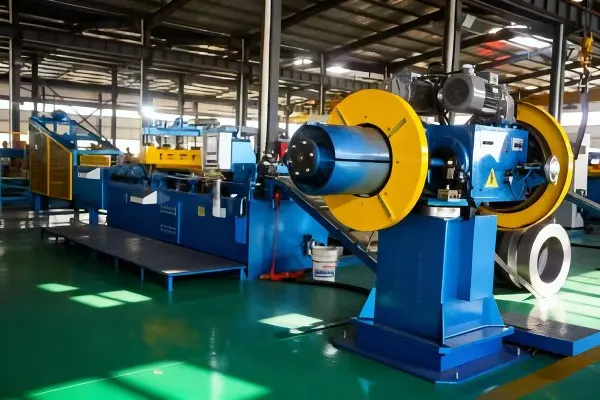
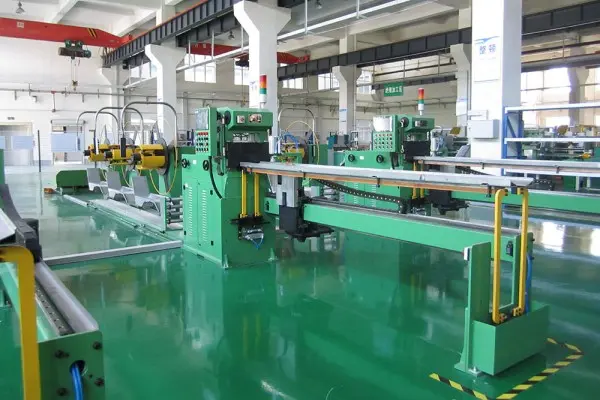
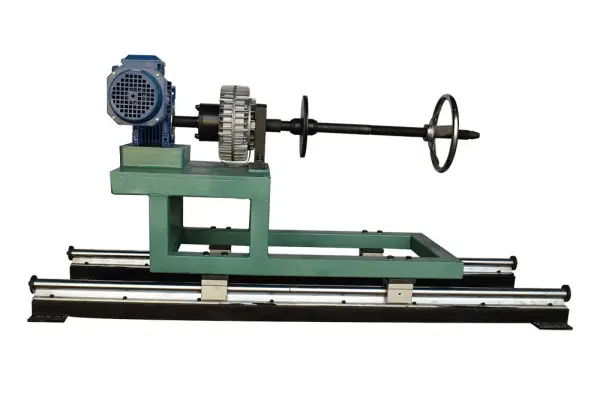
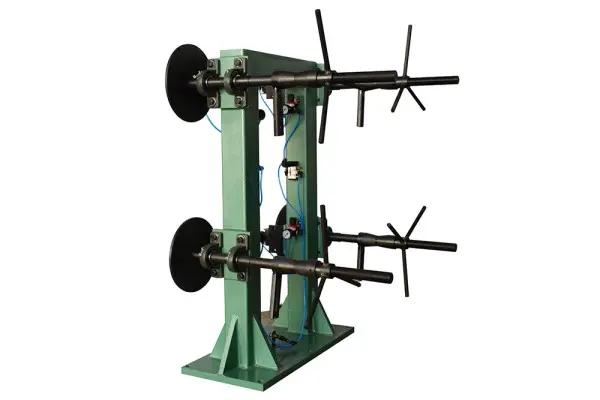
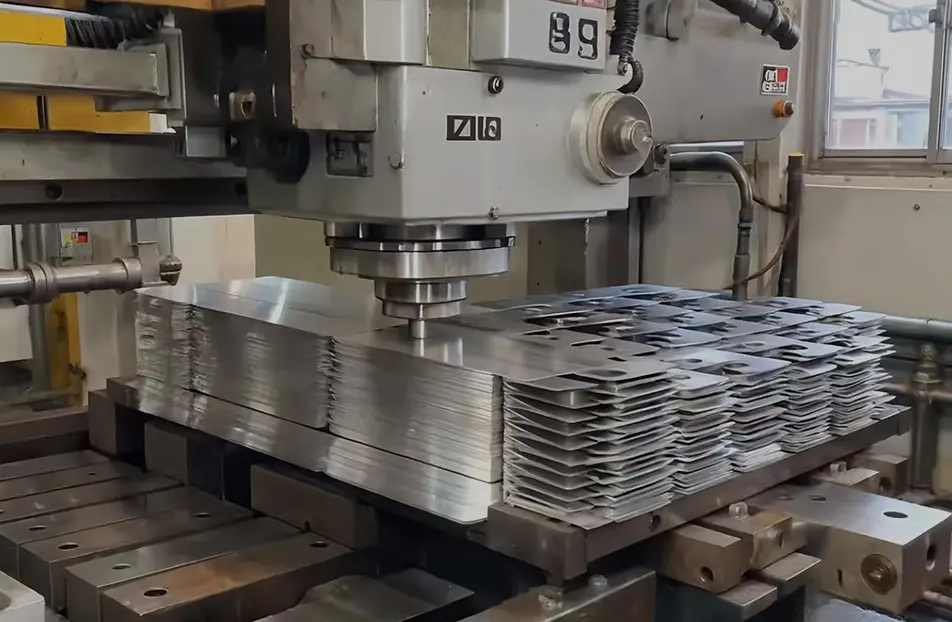
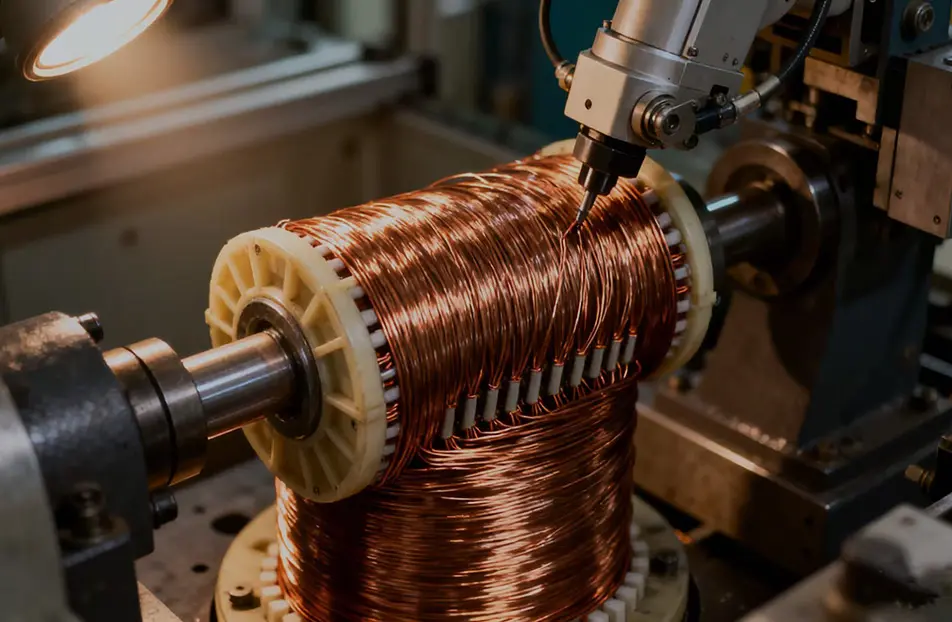
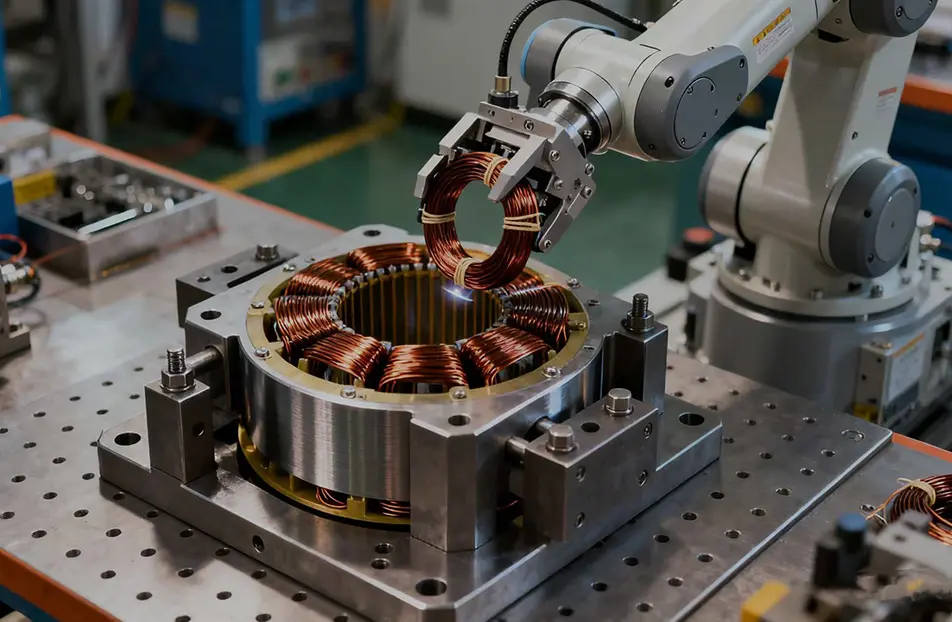
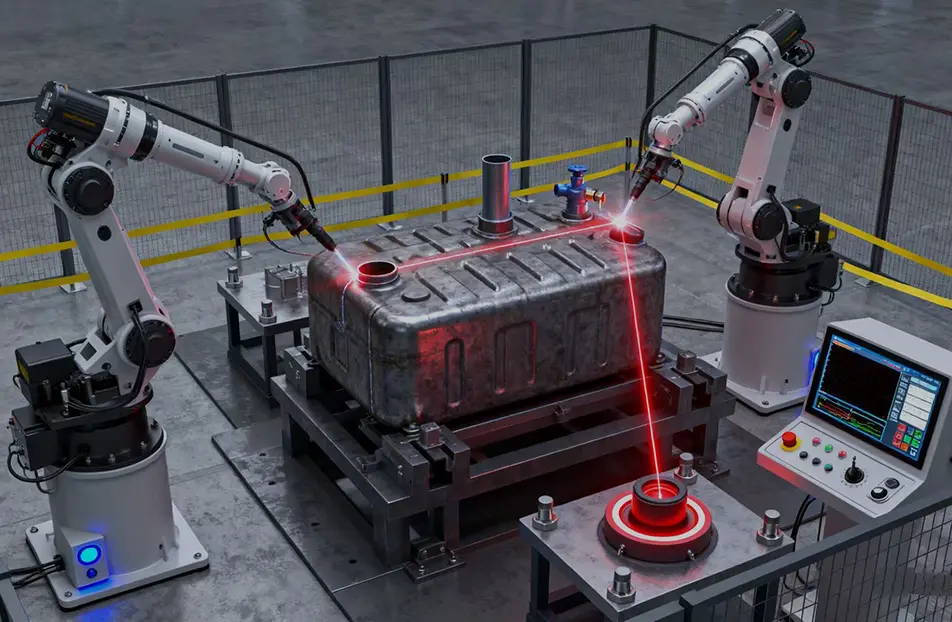
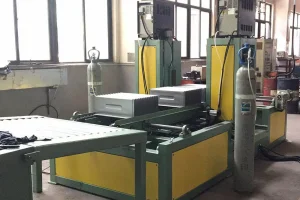
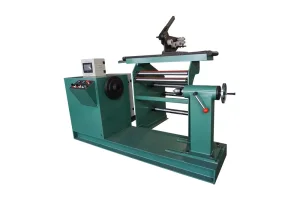
The high voltage manufacturing sector is rapidly adopting automation. High-precision CNC turning, automated contact welding, and AI-driven optical inspection ensure uniform component quality. Moving forward, the industry is transitioning toward fully integrated production lines, where manufacturing equipment—such as core cutting machines, automated wire winders, and sheet welding systems—is networked via Industrial IoT (IIoT). This connected ecosystem optimizes material usage, minimizes energy consumption, and helps manufacturers offer high-precision components at highly competitive prices.
Strength Built: Full Industrial Chain Layout and Core Technology Advantages
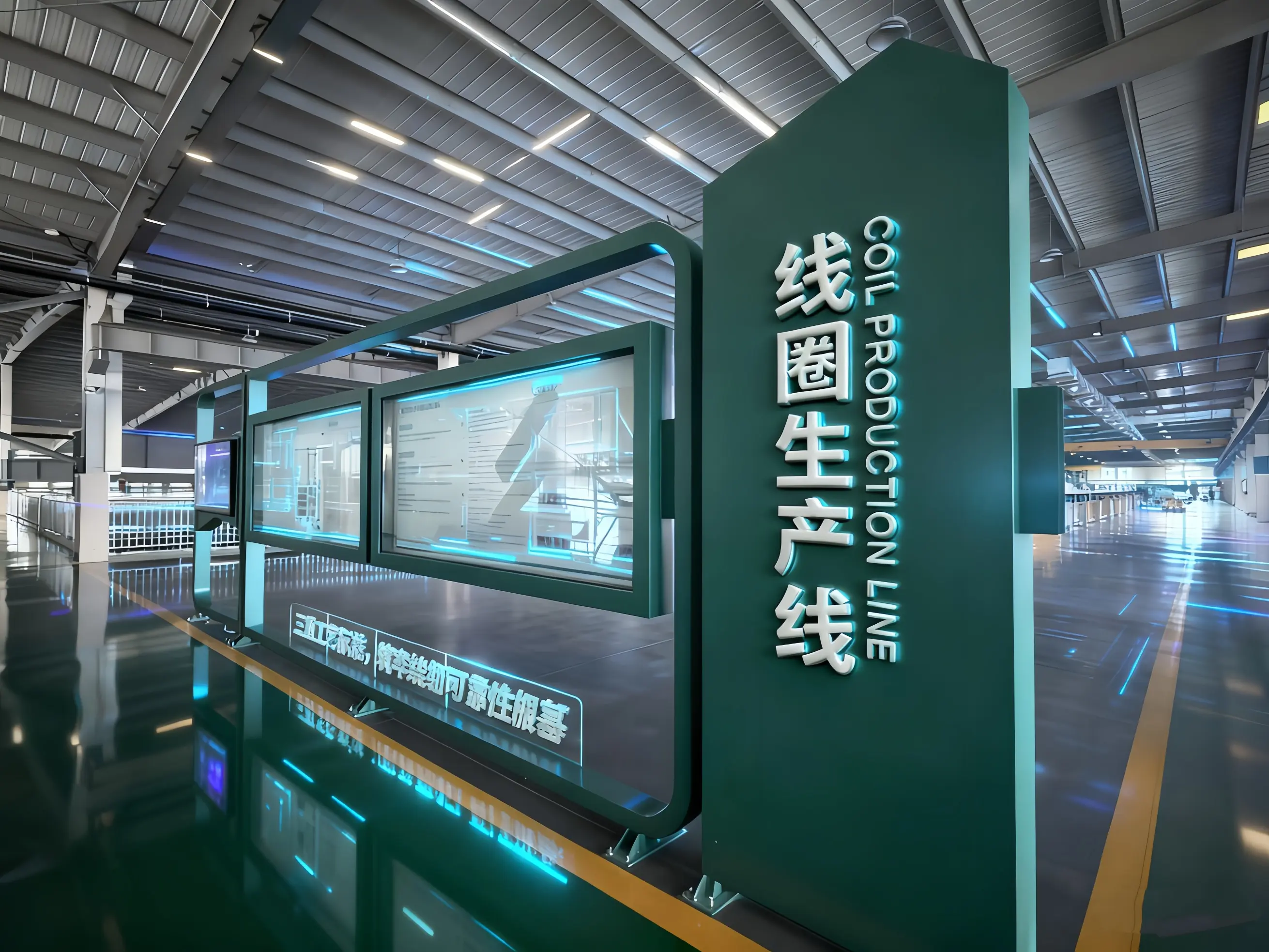
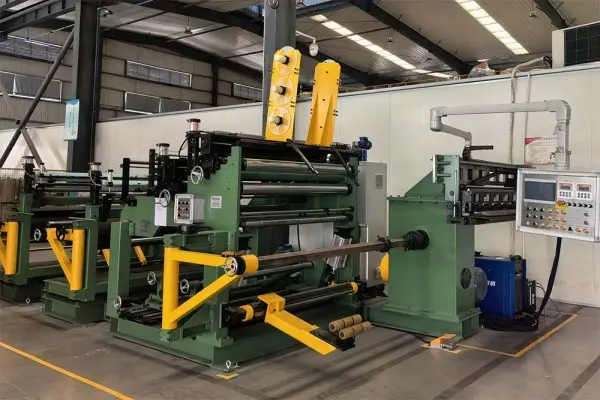
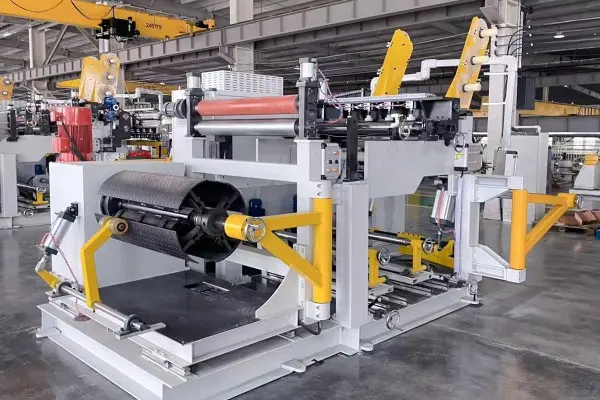
Wuxi Shuhong Machinery Technology Co., Ltd. is a global manufacturer of electrical machinery and aluminum-plastic panel manufacturing machinery. We provide high-voltage switchgear manufacturers and transformer producers with the tools needed to build next-generation grid components.
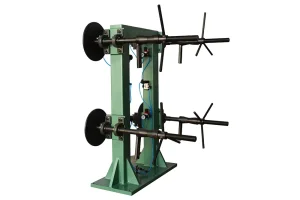
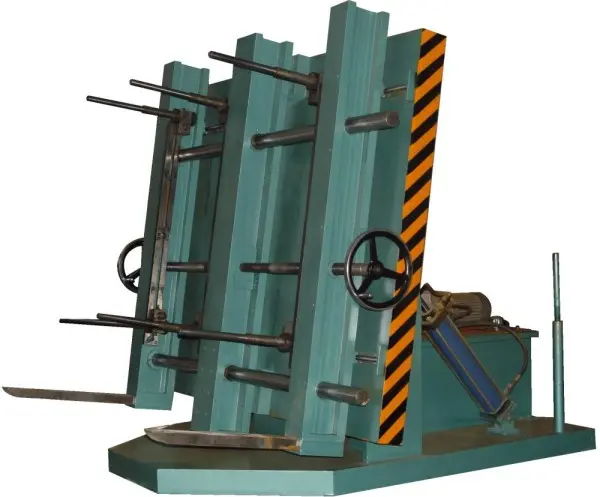
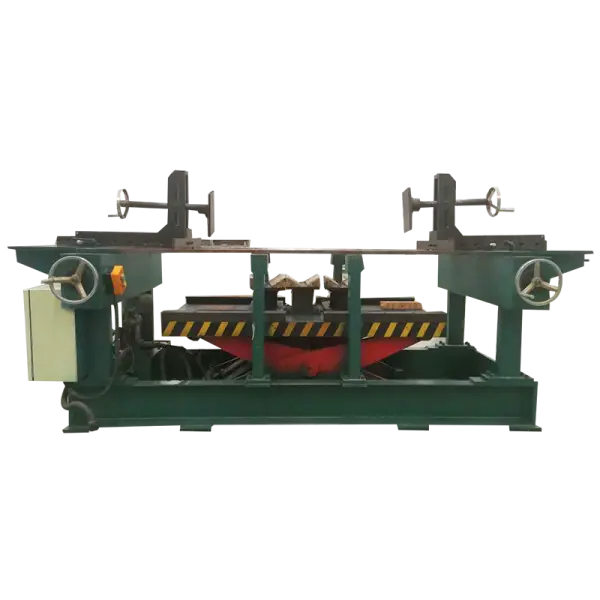
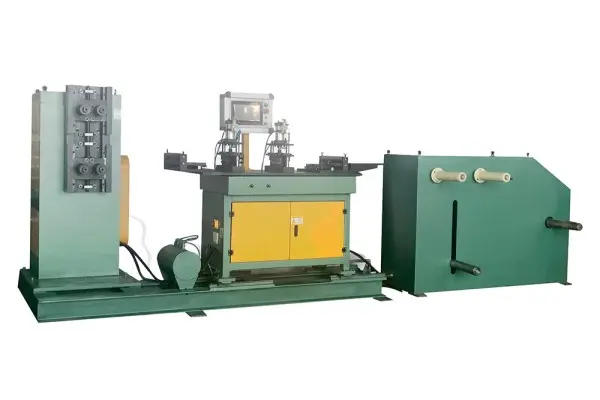
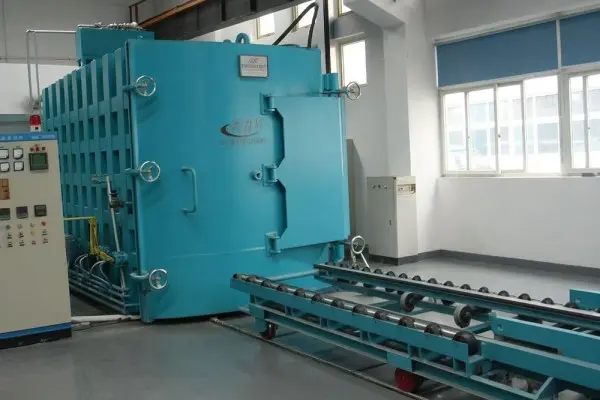
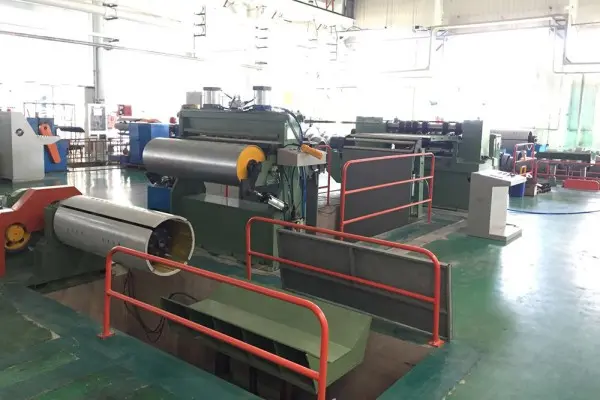
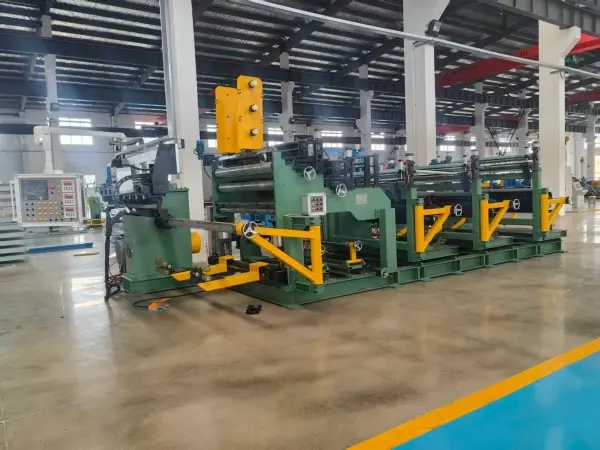
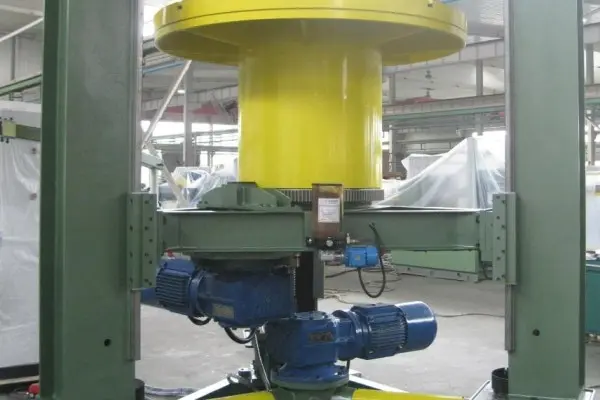
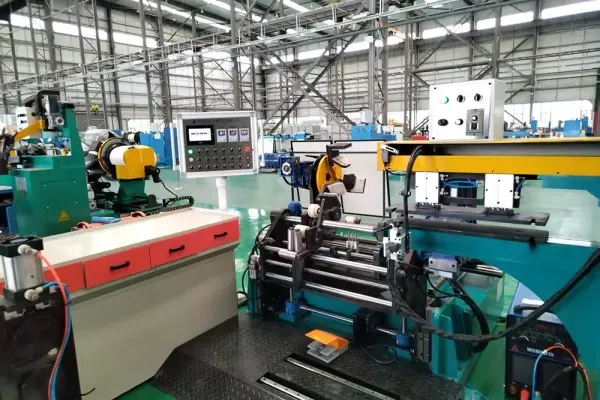
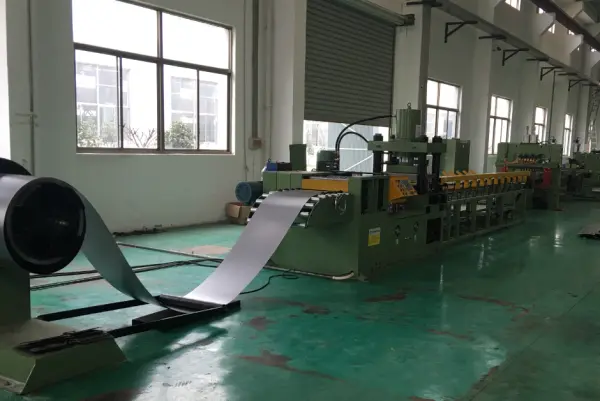
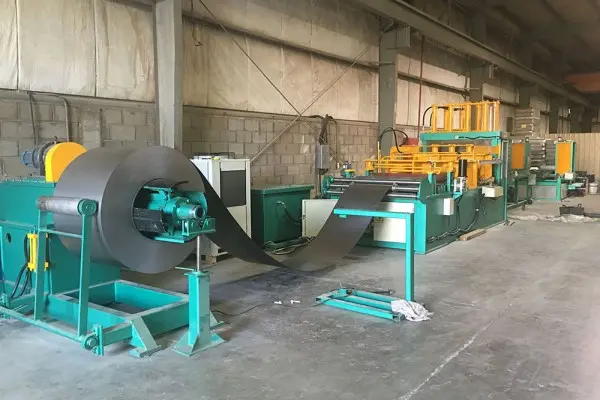
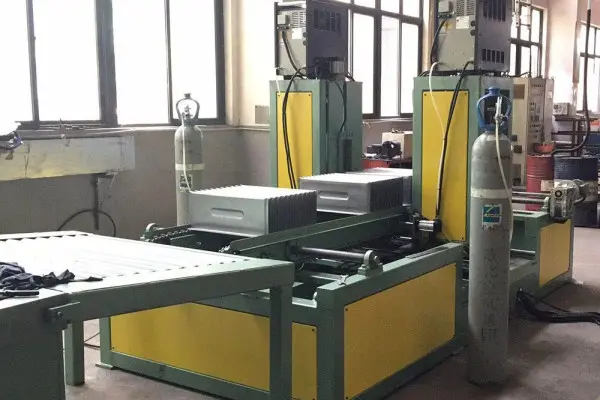
Our primary product catalog includes: silicon steel slitters, iron core production lines, amorphous iron core assembly systems, dry-type and oil-immersed coil equipment, transformer corrugated tank manufacturing lines, specialized molds, and structural accessories. Additionally, we manufacture aluminum-plastic composite plate lines and color coating steel/aluminum lines to serve global industrial construction markets.
View More About UsDelivering high-precision manufacturing solutions to international energy partners
Ensuring efficiency, transparency, and tailored solutions for global projects
Transparent pricing, clear and detailed quotations with absolutely no hidden charges.
Exclusive machinery designs adapted to your factory's exact space, material parameters, and power ratings.
On-site installation support, remote tuning, training, and ready-to-ship spare parts replacement.
Fast, direct communication channels. Speak directly with senior design engineers within 24 hours.
Supplying integrated manufacturing setups for complex electrical utility and power systems
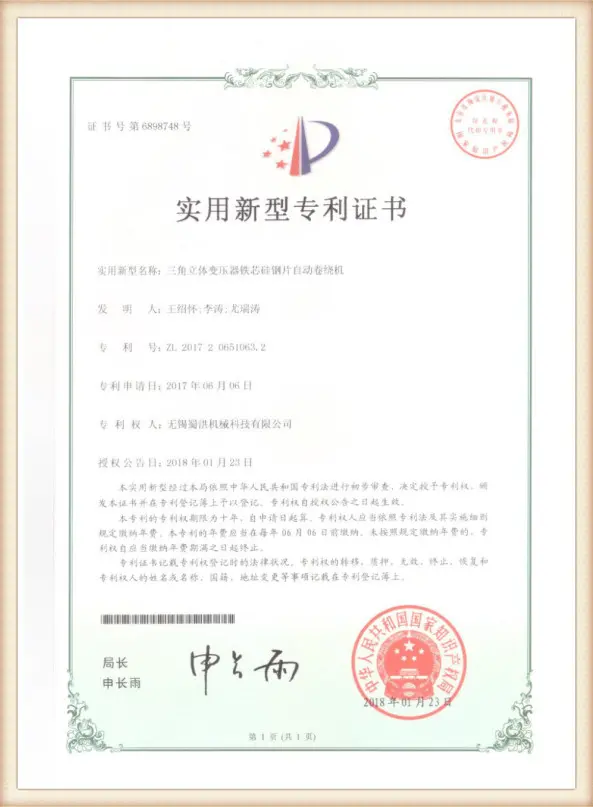
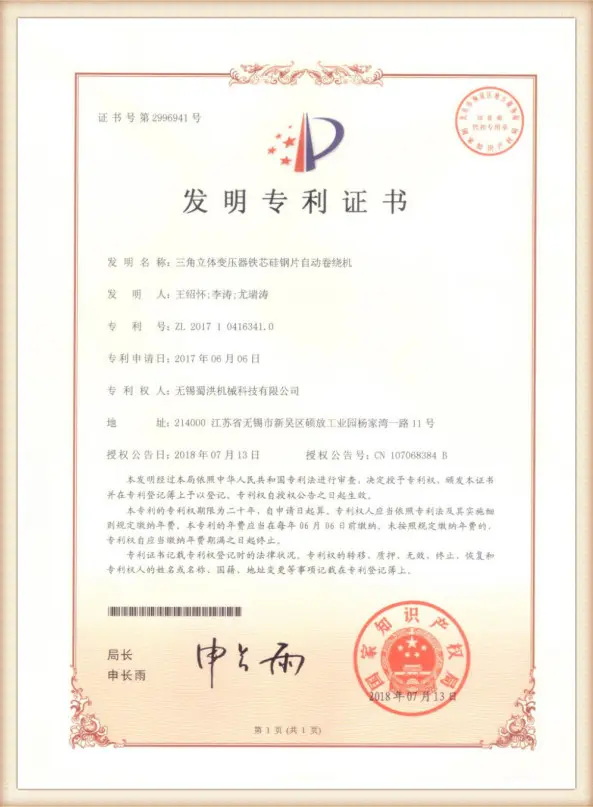
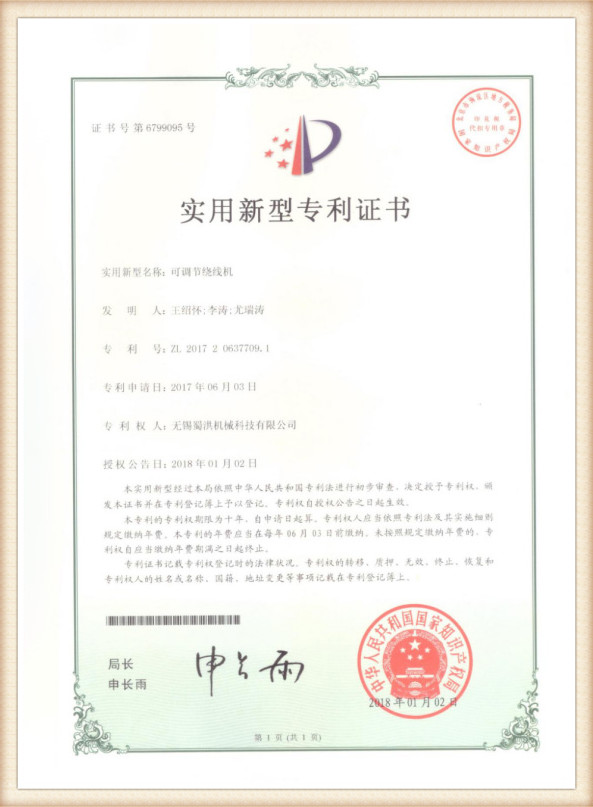
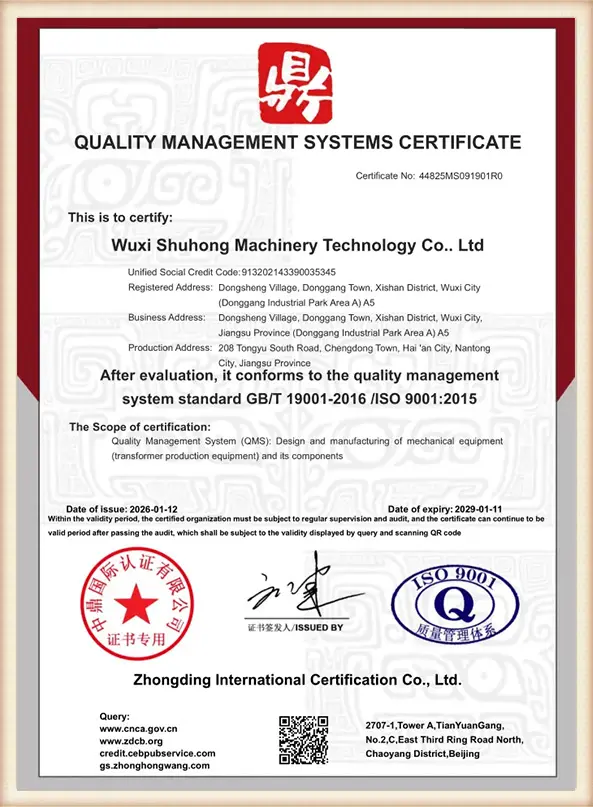
Manufactured to meet the rigorous quality demands of international power grids
Expert insights addressing key operational, metallurgical, and sourcing questions
High voltage contacts primarily utilize Copper-Chromium (CuCr) alloys for vacuum environments and Silver-Refractory Metal composites (like Silver-Tungsten, AgW, or Silver-Nickel) for open-air and oil-insulated switchgears. These material combinations offer low contact resistance and high resistance to arc erosion.
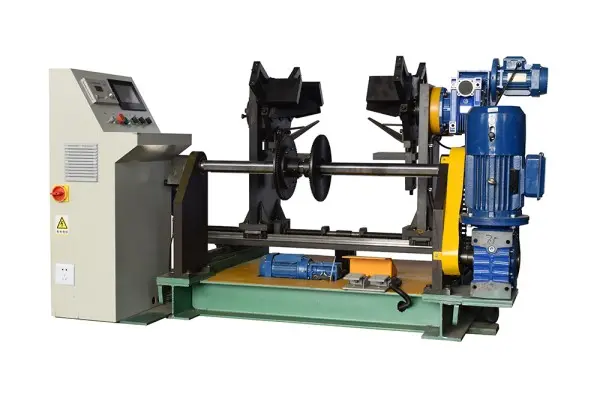
Automated wire and foil winding machines maintain constant tension throughout the process. This prevents wire jumping, ensures uniform layering, and minimizes localized air pockets or mechanical weaknesses. Consequently, these winders significantly reduce dielectric breakdowns when operating at high voltages.
Amorphous alloy cores feature a non-crystalline atomic structure, which leads to lower magnetic hysteresis and eddy current losses compared to conventional silicon steel sheets. Using amorphous core assembly tables helps lower no-load losses in utility grids by up to 70-80%.
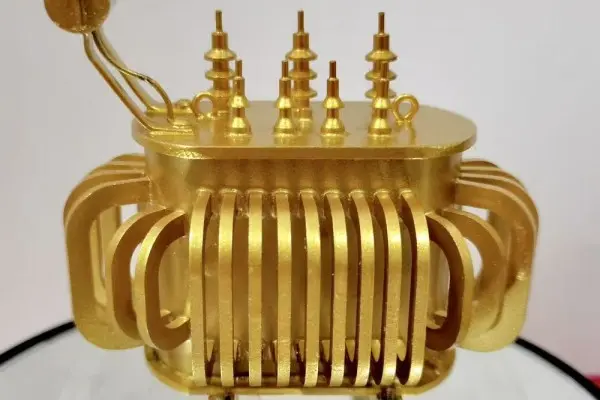
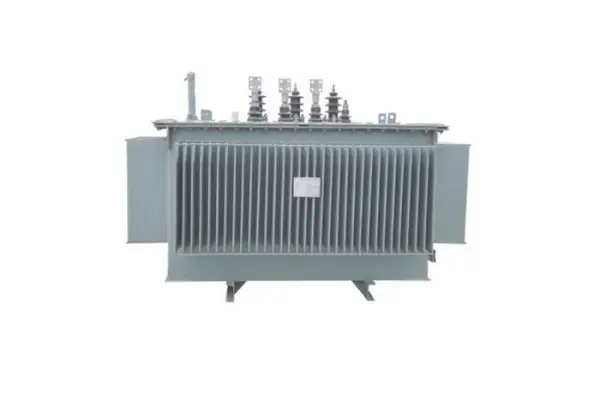
Corrugated sheets act as structural cooling fins. As the transformer oil heats during operation, it circulates through these fins. The corrugated design maximizes the surface area exposed to external air, ensuring efficient heat dissipation without requiring large external radiators.
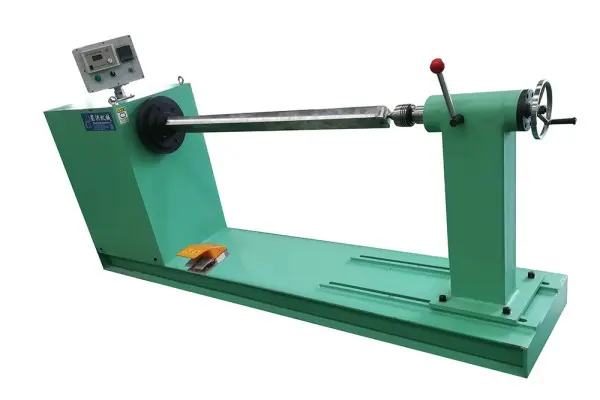
Yes, our horizontal winding systems feature programmable logic controllers (PLCs) with high-precision servo controls. This allows operators to easily configure wrap counts, wire spacing, and layer insulation parameters to meet custom high or low voltage coil designs.
Industrial trends and insights from our engineering and manufacturing teams
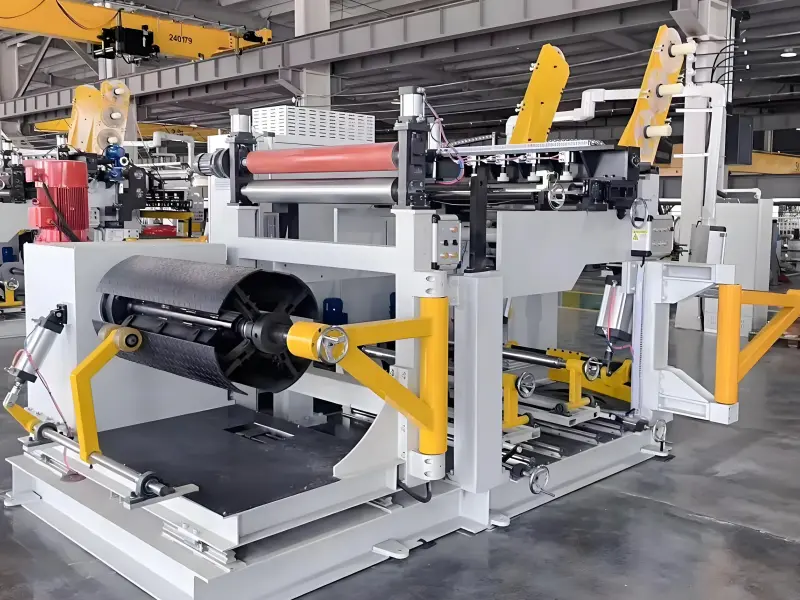
Discover how precision mechanical and electrical tensioners prevent wire stretching and wire insulation damage during high-capacity winding cycles.
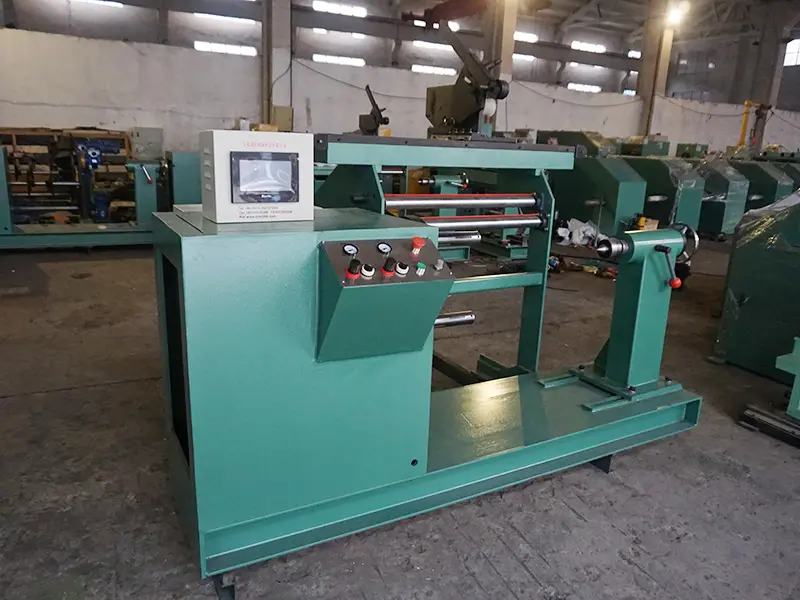
Review the mechanical guides, servo-guided traversers, and program calibrations that keep wires aligned to eliminate coil winding overlaps.
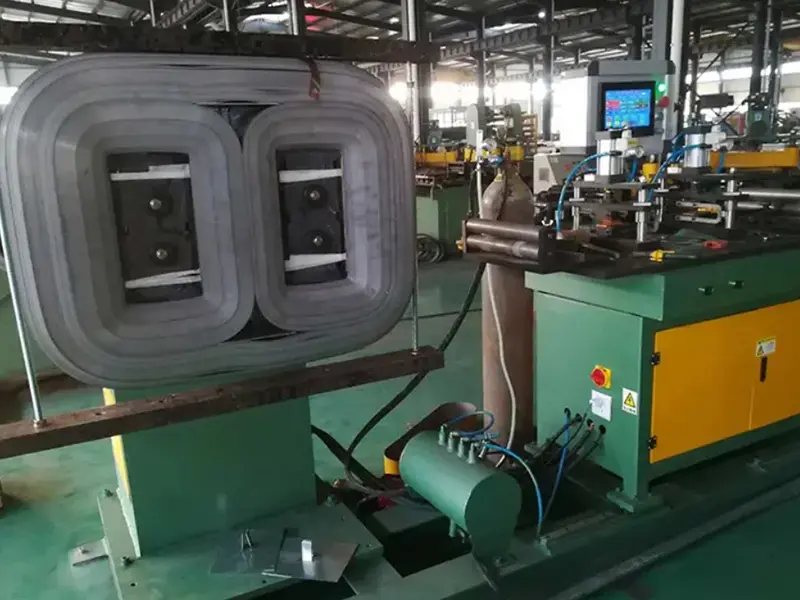
Explore how modern IIoT network modules enable real-time telemetry, monitoring product output, yield tracking, and remote system diagnostics.
Whether you require discount high voltage contacts, customized winding machinery, or high-performance core processing lines, our engineers are ready to help you scale.
Inquiry NowIndustrial machinery engineered to deliver maximum reliability and cost savings